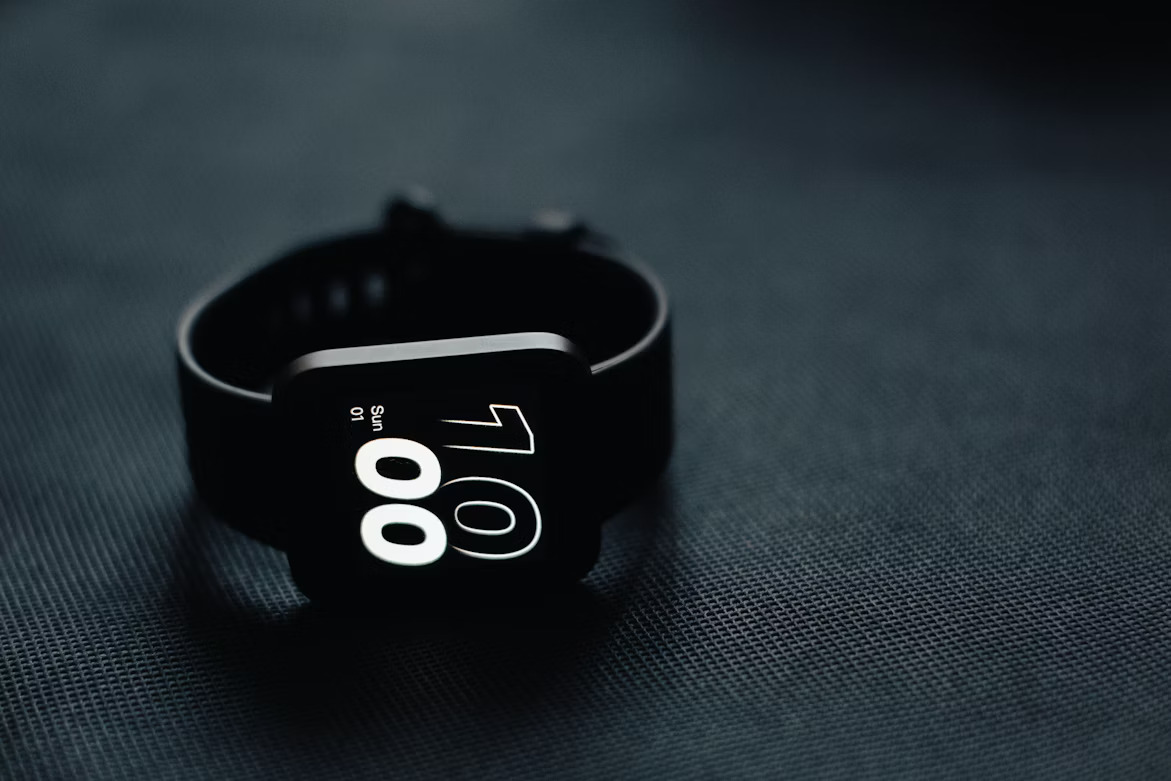
Wearable fitness data can help you stop guessing in the gym, but only if you treat it as a guide rather than a verdict. Heart rate, HRV, sleep, resting heart rate, and workout trends can all sharpen your decisions when you understand what each metric can and cannot tell you.
Quick Take
- Use wearable fitness data to spot trends, not to obey every daily score blindly.
- Heart rate zones are useful for managing cardio intensity, especially during easy aerobic work and intervals.
- HRV and resting heart rate can flag recovery strain, but interpret them alongside sleep, soreness, stress, and performance.
- Sleep tracking is most useful for patterns in bedtime, wake time, and total sleep; consumer sleep-stage estimates are less precise.
- The smartest approach is a weekly review that turns your data into practical training adjustments.
What Wearable Fitness Data Can Actually Tell You
A fitness wearable is not a coach, doctor, lab test, or guarantee of progress. It is a sensor system that estimates what is happening in your body and turns those estimates into trends. That distinction matters.
Use wearable fitness data for pattern recognition. If your resting heart rate is elevated for several mornings, your HRV is below baseline, your sleep has been short, and your legs feel heavy, that combination says more than any single readiness score.
Consumer devices vary in accuracy depending on the device, algorithm, placement, activity type, skin characteristics, motion, and sensor fit. Wrist heart rate can work well during steady exercise. It often struggles more during heavy lifting, intervals, rowing, boxing, or workouts with a lot of wrist movement. Sleep staging is even harder; reviews of wearable sleep technology suggest consumer devices estimate sleep versus wake better than they separate light, deep, and REM sleep stages.
That does not make the data useless. It means you should use it like a dashboard: helpful for direction, not perfect enough to replace common sense.
Use Heart Rate Zones to Match the Workout Goal
Heart rate zones are one of the most practical forms of training data because they give immediate feedback during cardio. Instead of guessing whether a run, ride, incline walk, or circuit feels easy, moderate, or hard, you can see whether the intensity matches the session.
Most devices estimate zones from your age-predicted or tested maximum heart rate. The American Heart Association target heart rate guidance explains how training intensity can be framed by percentage of maximum heart rate. These estimates are imperfect, but they help most recreational training when you pair them with perceived effort.
For easy aerobic work, your breathing should feel controlled and repeatable. If your watch says you are drifting into a harder zone during a “recovery run,” slow down, walk briefly, or reduce incline. For intervals, the goal is different: higher zones may be appropriate, but only for planned bursts with enough recovery between efforts.
Do not reduce cardio to a simplistic “fat-burning zone” promise. Lower intensities may use a higher percentage of fat as fuel during the session. Body composition still depends on total energy balance, strength training, protein intake, sleep, and consistency. If your goal is sustainable conditioning, combine easier aerobic sessions with occasional harder efforts. Do not turn every workout into a red-zone test.
If you want a time-efficient cardio example, BeeFit’s guide to the Japanese walking method shows how alternating brisk and easy walking can create a structured workout without needing a complicated plan.
Use HRV and Resting Heart Rate as Recovery Clues
Heart rate variability, or HRV, measures variation in time between heartbeats. In general, higher HRV relative to your own baseline can suggest better parasympathetic recovery. A meaningful drop may reflect fatigue, illness, stress, alcohol, poor sleep, dehydration, or a hard training block.
Research on autonomic heart-rate measures supports HRV and heart-rate recovery as useful markers for monitoring training status. They work best when you interpret trends over time instead of isolated daily scores. A systematic review and meta-analysis on autonomic heart-rate regulation found these measures can reflect positive and negative adaptations to endurance training.
The key phrase is “relative to your own baseline.” Do not compare your HRV with someone else’s. Age, genetics, sex, medication, menstrual cycle phase, alcohol, illness, and stress can all affect readings. A low score does not automatically mean you should do nothing, and a high score does not guarantee you are ready to max out.
Use a simple traffic-light approach:
- Green: HRV near or above baseline, normal resting heart rate, decent sleep, and good energy. Train as planned.
- Yellow: Slightly poor sleep, mild soreness, or one off metric. Keep the session, but reduce volume or avoid unnecessary failure sets.
- Red: Several poor signals at once: low HRV, elevated resting heart rate, bad sleep, unusual fatigue, illness symptoms, or declining performance. Choose light movement, mobility, walking, or rest.
For strength athletes, HRV should not override performance data. If your readiness score is low but warm-up sets move well and you feel normal, a moderate session may be fine. If the score is high but your joints hurt and your bar speed is poor, respect what your body is showing you.
Make Sleep Data Useful Without Overreading It
Sleep tracking can improve training decisions, but not because every sleep-stage graph is perfectly accurate. Its practical value usually comes from bedtime consistency, wake time, total sleep opportunity, night wakings, and how your sleep trend relates to workout quality.
Sleep supports recovery, learning, immune function, appetite regulation, and readiness to train. The National Heart, Lung, and Blood Institute notes that sleep deficiency can affect health, performance, learning, and mood. For training, that usually shows up as heavier perceived effort, weaker focus, poorer coordination, and slower recovery between sessions.
Consumer sleep-stage estimates deserve caution. A scoping review on wearable sleep staging reliability found wide variation across devices, sensors, algorithms, and validation methods. In plain language: your wearable may be helpful for patterns, but it is not the same as a clinical sleep study.
Use sleep data to answer better questions. Did late caffeine push your bedtime later? Do intense evening workouts reduce sleep quality? Are weekend sleep-ins masking weekday sleep restriction? Does your hardest training day follow your shortest night of sleep?
If you are lifting hard, dieting, or training after 40, sleep becomes even more important. BeeFit’s 12-week strength plan after 40 includes recovery rules that pair training structure with sleep, protein, and active recovery.
Turn Wearable Fitness Data Into Weekly Training Decisions
The biggest mistake is checking wearable fitness data every morning and never changing anything. Another common mistake is changing everything because one score looked bad. A weekly review gives you enough context to act without becoming reactive.
Set aside 10 minutes once per week. Look at sleep duration, resting heart rate, HRV trend, training load, workout completion, soreness, and performance. Then compare the data with your actual goal.
- If cardio sessions are always harder than intended, lower the pace until easy days are truly easy.
- If strength is dropping while resting heart rate is rising, reduce volume for several days or add a deload week.
- If sleep is consistently short, adjust training expectations before adding more intensity.
- If recovery is good but workouts feel stale, progress load, reps, sets, or exercise difficulty gradually.
- If your wearable shows plenty of activity but little structured training, build a plan instead of relying on movement totals alone.
A structured plan matters because wearables measure output better than they design progression. For strength or muscle gain, you still need exercises, sets, reps, rest, and a progression model. BeeFit’s 5-phase muscle-building workout plan is a useful example of rotating stress and recovery instead of pushing harder every week.
A Simple Wearable Fitness Data Routine
You do not need to track everything. Start with the few metrics that change decisions.
- Morning: Check sleep duration, resting heart rate, HRV or readiness, and how you feel. Decide whether to train as planned, reduce intensity, or recover.
- During cardio: Use heart rate zones and breathing to keep easy days easy and hard intervals intentional.
- During strength training: Use your wearable for rest timing and overall strain, but rely on form, reps, load, and perceived effort for set-by-set decisions.
- Weekly: Review trends and adjust the next week’s volume, intensity, bedtime, or recovery days.
- Monthly: Compare your data with outcomes: better endurance, more weight lifted, improved consistency, lower fatigue, or fewer missed sessions.
If you want a broader plan that accounts for goals, equipment, schedule, activity level, and recovery needs, the BeeFit AI Fitness Planner can help turn your starting point into a practical workout and nutrition structure.
FAQ: Wearable Fitness Data Questions
Which wearable metric should beginners focus on first?
Start with heart rate during cardio and total sleep time at night. Those two metrics are easy to understand and can immediately improve pacing, recovery, and consistency.
Are wearable calories accurate enough for dieting?
Usually not as a precise target. Calorie-burn estimates can vary widely, so use them as rough activity context rather than permission to eat back every calorie. Body weight trends, intake consistency, and performance are more useful.
Should I skip workouts when my readiness score is low?
Not automatically. Look for clusters: poor sleep, elevated resting heart rate, low HRV, unusual soreness, illness symptoms, and poor warm-up performance. If several are present, reduce intensity or recover.
The Bottom Line on Training Data
Wearable fitness data works best when it helps you make calmer, better training decisions. Use heart rate to control intensity, HRV and resting heart rate to monitor recovery trends, and sleep data to protect the foundation that makes adaptation possible.
Do not become dependent on your device. Combine wearable trends with honest effort, smart programming, and your own body awareness. That approach makes each training week easier to adjust and harder to derail.
This article is for informational purposes only and does not constitute medical advice. Always consult a qualified healthcare professional before making major changes to your fitness routine, especially if you have cardiovascular symptoms, chronic health conditions, injuries, or concerns about sleep or recovery.
Discover more from BeeFit: Fitness & Wellness
Subscribe to get the latest posts sent to your email.
Share :