Good hydration strategies are not about forcing plain water all day. They are about matching fluid intake to your body, training, environment, food choices, and sweat losses while using beverages you can actually drink consistently.
Quick Take
- Total water needs include water, coffee, tea, milk, soups, and water-rich foods—not just plain water.
- Mild dehydration may affect attention, mood, and physical performance, especially during heat, exercise, or long work periods.
- Coconut water can rehydrate similarly to water or sports drinks after moderate exercise, but some people notice bloating or stomach upset.
- Electrolytes are most useful during long, hot, or very sweaty sessions—not as a requirement for every workout.
- The best hydration strategies are practical: drink regularly, monitor urine color, and adjust for sweat, climate, and training load.
Why Hydration Needs Are More Individual Than the “8 Glasses” Rule
The old “eight glasses a day” rule is easy to remember, but it is not a precise target. The National Academies’ Dietary Reference Intakes for water set adequate total water intake at about 3.7 liters per day for adult men and 2.7 liters per day for adult women, including water from beverages and food.
Those numbers are not performance prescriptions. They are general adequate-intake levels for healthy adults. Your real need can move up or down based on body size, sweat rate, altitude, humidity, temperature, pregnancy or lactation, medication use, illness, and training volume.
Food matters more than many people realize. Fruit, vegetables, yogurt, soups, smoothies, and cooked grains all contribute fluid. Coffee and tea count too. The practical question is not, “Did I drink enough plain water?” It is, “Am I replacing enough fluid across the day to stay clear-headed, comfortable, and able to train well?”
Hydration Strategies for Focus, Energy, and Training
Dehydration does not affect everyone the same way, and research findings vary by study design. Still, reviews on hydration and cognition report that body water losses around 1–3% can impair some measures of attention, short-term memory, visual-motor tracking, mood, and perceived effort.
That matters outside the gym, especially when dehydration combines with heat or exercise. A long meeting, a hot commute, a morning workout, several coffees without much food, or a low-fluid travel day can all leave you feeling flat. The fix is usually simple: add fluid earlier, pair it with meals, and avoid waiting until you are noticeably thirsty.
Urine color can help, but it is not perfect. Pale yellow usually suggests adequate hydration. Dark, concentrated urine may mean you need more fluid, though vitamins, medications, and some foods can change the color. Very clear urine all day can also suggest you are overdoing it, particularly during long endurance events without sodium.
For everyday use, start with these hydration strategies:
- Drink with meals instead of trying to catch up at night.
- Keep a bottle nearby during focused work, but sip rather than chug.
- Add extra fluid before and after sweaty workouts, outdoor work, sauna use, or hot-weather walks.
- Use urine color, thirst, energy, and workout quality as feedback—not a rigid ounce target.
Hydration Strategies Beyond Plain Water
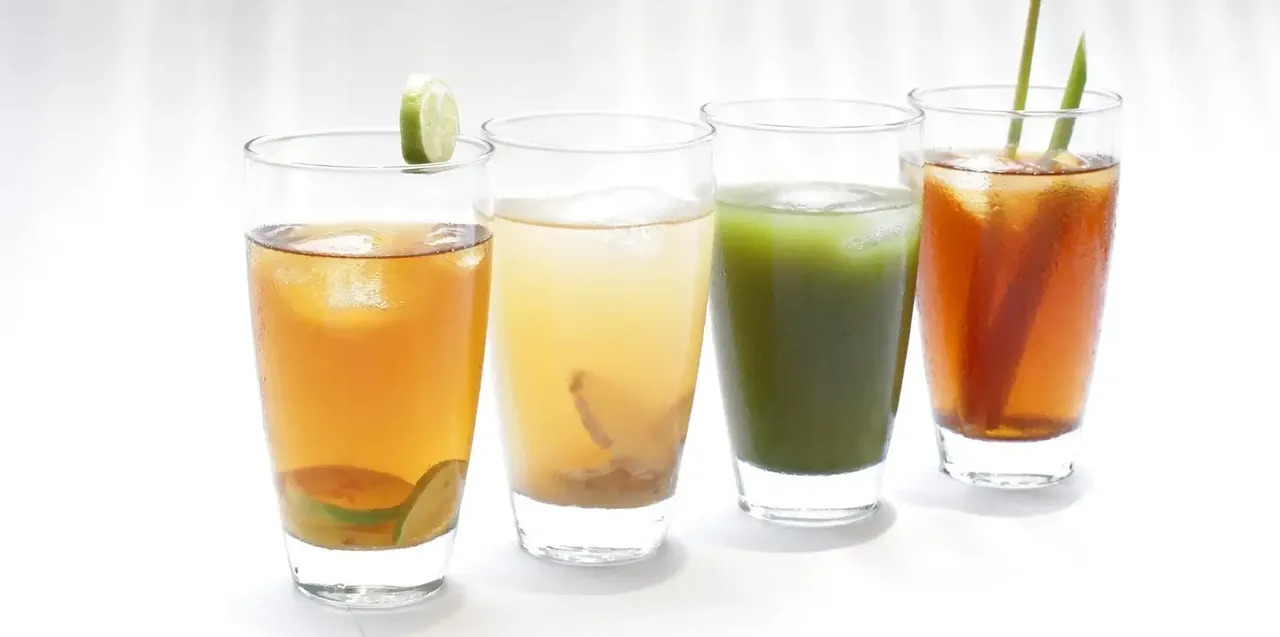
Plain water is still the default for most people, but it is not the only useful option. Better options often work because they make fluid intake easier to repeat.
Infused water is mostly a behavior tool, not a nutrition upgrade. Cucumber, mint, lemon, berries, ginger, orange, or basil can make water more appealing without adding much sugar or calories. Prepare a pitcher in advance and refrigerate it for a few hours so the flavor has time to develop.
Herbal tea counts toward fluid intake and can be useful hot or iced. Chamomile, peppermint, ginger, rooibos, and hibiscus each contain different plant compounds. The main hydration benefit is still the fluid itself. Choose unsweetened versions most of the time, especially if you drink several cups per day.
Coffee and regular tea also contribute fluid. Caffeine can have a mild diuretic effect in some contexts, but moderate intake does not appear to cancel out the hydrating effect of the beverage. A review on caffeine and fluid balance concluded that moderate caffeine consumption does not cause dehydration in regular users.
Coconut water can be useful after moderate exercise if you like the taste. A controlled trial compared water, coconut water, coconut water from concentrate, and a carbohydrate-electrolyte sports drink after dehydrating treadmill exercise. Researchers found similar rehydration and performance markers, though participants reported more bloating and stomach upset with coconut water. The full study appears in the Journal of the International Society of Sports Nutrition.
If you want more drink ideas after training, BeeFit’s guide to smarter alternatives to sports drinks compares options like coconut water, tart cherry juice, infused water, and electrolyte mixes.
When Electrolytes Actually Help Hydration
Electrolytes are not automatically better than water. For short, moderate workouts in normal temperatures, water plus regular meals usually covers what you need. Sodium, potassium, and other minerals become more important when sweat losses are high or exercise lasts long enough that plain water alone is not enough.
The American College of Sports Medicine’s exercise and fluid replacement position stand emphasizes individualized fluid replacement based on sweat rate, exercise duration, and conditions. In practical terms, electrolytes are most relevant for endurance sessions, long hikes, outdoor labor, hot yoga, tournament days, two-a-days, or any session where you finish several pounds lighter.
Sports drinks can help when you need fluid, sodium, and carbohydrate at the same time. That does not mean they are necessary for a 40-minute lift or casual walk. Many people get enough sodium at meals, and some commercial drinks add more sugar than a low-intensity session requires.
A simple sweat check is more useful than guessing. Weigh yourself before and after a workout without overinterpreting the number. If you are down more than 1–2% of body weight, especially in heat, add more fluid before, during, or after similar sessions. A sloshy stomach, constant urination, or weight gain during a long event may mean you are drinking more than you need.
Hydration also interacts with recovery basics. If you are training hard, pair fluid replacement with enough food and protein. BeeFit’s guide to pre- and post-workout meals can help you match hydration with better workout fueling.
Daily Hydration Strategies That Actually Stick
The best hydration strategies are usually boring, repeatable, and flexible. Instead of chasing a perfect number, build anchor points into your day.
- Morning: Drink water, tea, or coffee with breakfast. Add extra fluid if you wake up thirsty, trained the night before, or slept in a warm room.
- Midday: Have fluid with lunch and keep a drink nearby during work. If plain water feels unappealing, use iced herbal tea or infused water.
- Before training: Start workouts reasonably hydrated. If your urine is dark and the session will be hot or hard, drink earlier rather than rushing fluid at the last minute.
- After training: Replace noticeable sweat losses with water and food. Use electrolytes when the session was long, hot, or very sweaty.
- Evening: Sip enough to avoid going to bed thirsty, but do not force large amounts if it disrupts sleep.
People with kidney disease, heart failure, adrenal disorders, certain blood pressure medications, or medical fluid restrictions should follow clinician guidance rather than general hydration advice. Endurance athletes should also be careful with overdrinking; exercise-associated hyponatremia is rare but serious.
FAQ: Common Hydration Questions
Is coconut water better than a sports drink?
Not always. Coconut water may rehydrate similarly after moderate exercise, but it is typically lower in sodium than many sports drinks. It may also cause bloating for some people. For long, hot, high-sweat sessions, a sports drink or electrolyte product may be more targeted.
Do coffee and tea count as hydration?
Yes. Moderate coffee and tea intake contributes to daily fluid intake. If caffeine makes you jittery, disrupts sleep, or increases bathroom trips, use more water, herbal tea, or decaf options later in the day.
Can drinking too much water be dangerous?
Yes. Drinking extreme amounts of water in a short period, especially during long endurance events without enough sodium, can dangerously lower blood sodium. Drink to match your needs, not to prove discipline.
The Bottom Line
Effective hydration strategies should fit your life, not turn drinking water into another rigid rule. Start with regular fluids, use variety when it helps, add electrolytes when sweat losses justify them, and adjust based on training, climate, thirst, urine color, and how you feel.
This article is for informational purposes only and is not a substitute for professional medical advice, diagnosis, or treatment. Always consult with a qualified healthcare provider before making major changes to your exercise, nutrition, supplement, or hydration routine.
Discover more from BeeFit: Fitness & Wellness
Subscribe to get the latest posts sent to your email.
Share :