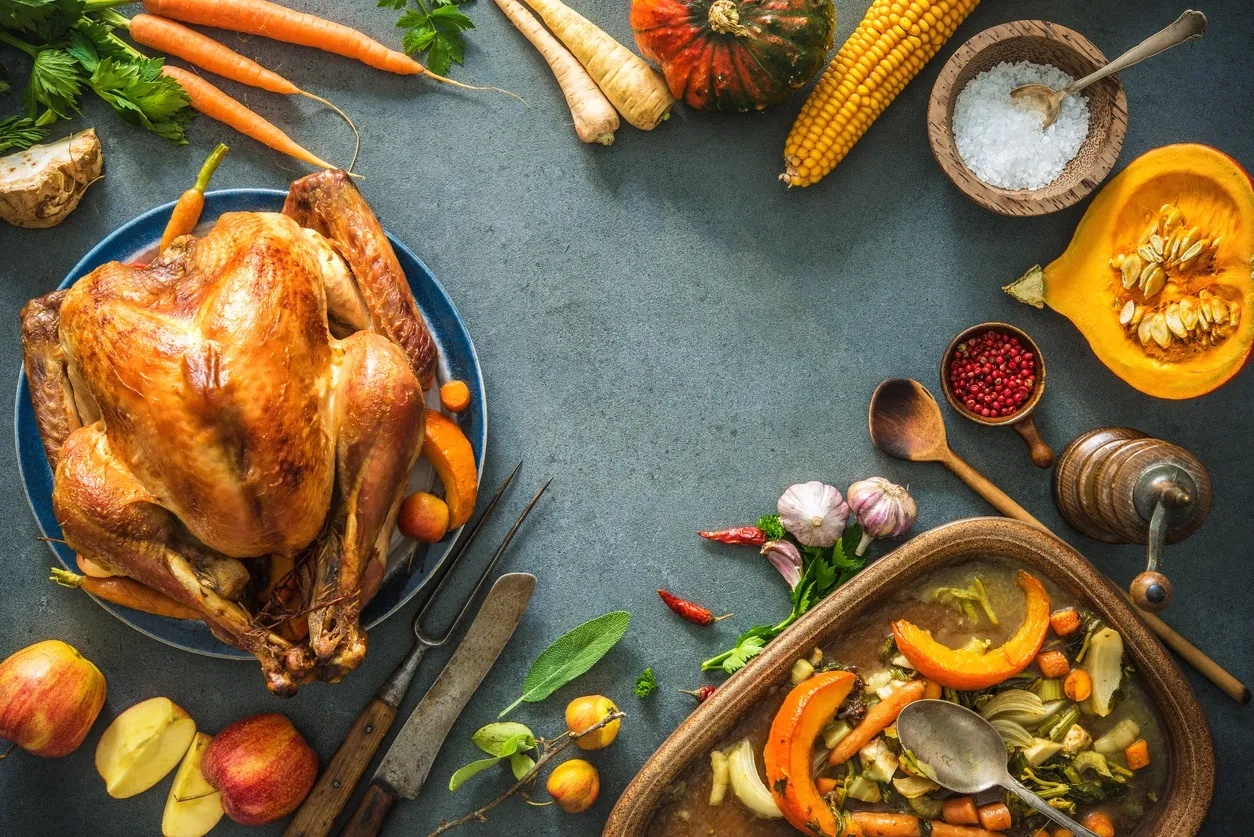
An affordable healthy Thanksgiving dinner does not have to feel like a compromise. The smarter version keeps the familiar flavors—turkey, stuffing, potatoes, cranberry sauce, pie—but trims the waste, excess sodium, added sugar, and last-minute grocery panic that make the holiday more expensive than it needs to be.
Quick Take
- Scratch-cooking a few key dishes gives you more control over sodium, sugar, portions, and cost.
- Seasonal vegetables such as squash, carrots, sweet potatoes, greens, and Brussels sprouts make the table more colorful and filling.
- A right-sized turkey—or a smaller main dish plus strong sides—can reduce stress, oven time, and leftovers.
- Planning leftovers before you cook helps prevent food waste and turns one holiday meal into several practical meals.
Start With the Dishes That Matter Most
The goal is not to make every item from scratch. That turns a holiday meal into a full-time job. Instead, choose the dishes where homemade makes the biggest difference: cranberry sauce, stuffing, roasted vegetables, mashed potatoes, and a simple dessert.
Packaged holiday foods often earn their convenience by adding more salt, sugar, stabilizers, and packaging. When you cook the core sides yourself, you can season gradually, use real herbs and aromatics, and stop before a dish becomes heavy. This matters because the FDA notes that sodium adds up quickly across packaged and restaurant foods, not just from the salt shaker.
Cranberry sauce is the easiest win. Simmer fresh or frozen cranberries with orange zest, a splash of juice, and just enough sugar to balance the tartness. It takes about 10 minutes and tastes brighter than the canned version. Stuffing is another high-return dish: day-old bread, onion, celery, broth, sage, and parsley can produce a deeply traditional side without relying on a boxed mix.
If you are building this holiday meal on a tight schedule, do not try to be heroic. Buy the rolls, outsource one dessert, and put your energy into the dishes people actually remember.
Build an Affordable Healthy Thanksgiving Dinner Around Seasonal Produce
Seasonal produce is one of the simplest ways to make the meal feel abundant without inflating the bill. In late autumn, root vegetables, winter squash, cabbage, kale, apples, pears, and Brussels sprouts are usually better suited to the menu than fragile out-of-season produce that has traveled farther and costs more.
Vegetables also help the plate work better nutritionally. USDA MyPlate guidance emphasizes vegetables and fruits as part of an overall healthy eating pattern, and Thanksgiving is an easy time to make that visible: a tray of roasted carrots, a shaved Brussels sprouts salad, garlicky greens, or a squash soup adds volume, fiber, and color without making the meal feel “diet” focused. For more everyday ideas that use vegetables and protein well, BeeFit’s guide to high-protein vegetarian lunches has useful combinations that also work for leftovers.
The practical formula is simple: choose two roasted vegetables, one fresh or crunchy salad, and one starch. For example, serve roasted sweet potatoes with rosemary, Brussels sprouts with lemon, a cabbage-apple slaw, and mashed potatoes. That is familiar enough for tradition but lighter than a table built mostly from casseroles.
Frozen vegetables can also belong at an affordable healthy Thanksgiving dinner. Frozen green beans, spinach, peas, and corn are often picked and frozen quickly, and they reduce prep time. The key is to treat them like ingredients, not afterthoughts: sauté with garlic, olive oil, herbs, citrus, toasted nuts, or a small amount of cheese.
Right-Size the Turkey for an Affordable Healthy Thanksgiving
A giant turkey looks impressive until it takes over the refrigerator, refuses to thaw on schedule, and leaves you eating dry breast meat for a week. For many households, a smaller bird with better sides is the smarter choice.
A common planning range is about 1 to 1.25 pounds of whole turkey per person if you want leftovers, and less if your sides are substantial. For a group of four to six, a roast chicken, turkey breast, or two smaller mains can be easier to cook well than one oversized bird. For a vegetarian table, lentil loaf, mushroom-walnut stuffing, roasted cauliflower, or stuffed squash can provide a satisfying centerpiece.
Food safety matters more than presentation. USDA guidance says turkey should be thawed safely in the refrigerator, cold water, or microwave—not on the counter—and refrigerator thawing takes about one day for every 4 to 5 pounds. The FDA also advises cooking turkey to a safe internal temperature and refrigerating leftovers within two hours. If you are serving older adults, pregnant guests, young children, or anyone immunocompromised, be especially careful with time and temperature.
For an affordable healthy Thanksgiving dinner, the best main dish is the one you can cook confidently, serve safely, and use afterward. A perfectly roasted smaller bird beats an overcooked showpiece every time.
Make Plant-Based Sides Substantial, Not Token
Plant-based Thanksgiving dishes should not feel like a consolation prize. Done well, they bring texture and depth that rich casseroles often lack: crispy roasted edges, toasted nuts, savory mushrooms, fresh herbs, citrus, and whole grains.
Legumes, whole grains, nuts, seeds, and vegetables can stretch the budget while making the meal more filling. A lentil and roasted carrot salad, wild rice with mushrooms, chickpea-herb stuffing, or farro with squash and walnuts can sit comfortably beside turkey. These dishes also help guests with different eating patterns build a real plate instead of picking around the edges.
Protein still matters, especially if the meal is lighter on meat. If you want help thinking beyond turkey, BeeFit’s guide to plant-based nutrition for strength and recovery explains how legumes, tofu, grains, and seeds can contribute to protein needs. For mixed tables, BeeFit’s quick high-protein meal ideas can also help you turn holiday ingredients into balanced meals later in the week.
The easiest upgrade is to replace one heavy casserole with a vegetable dish that has contrast. Try roasted Brussels sprouts with apples and pecans, sweet potatoes with tahini-lemon sauce, or green beans sautéed with garlic and almonds. These choices support an affordable healthy Thanksgiving dinner without asking anyone to give up the foods they love.
Plan Affordable Healthy Thanksgiving Leftovers Before the Meal Starts
Thanksgiving waste usually starts before dinner: too much food, no storage plan, and no realistic idea of how many leftovers people actually want. The EPA reports that more than one-third of food in the United States is never eaten, and its household guidance emphasizes planning, prepping, and storing food as practical ways to waste less.
Before you shop, decide what each leftover will become. Turkey can turn into soup, tacos, grain bowls, or freezer portions. Roasted vegetables can become frittatas, salads, or blended soup. Mashed potatoes can become potato cakes. Cranberry sauce can be stirred into plain Greek yogurt or spooned over oatmeal.
Store leftovers in shallow containers so they cool quickly, label anything going into the freezer, and avoid leaving perishable foods out while everyone talks at the table. USDA Thanksgiving guidance says leftovers are generally safe in the refrigerator for up to four days; freeze what you will not use in that window.
This is where the meal keeps paying off. You are not just saving on one meal. You are buying yourself several low-effort lunches and dinners when the holiday is over.
FAQ
Can I host a healthy Thanksgiving without changing the whole menu?
Yes. Keep the traditional dishes, but adjust the balance. Make one or two sides from scratch, add more vegetables, right-size the turkey, and serve desserts in normal portions rather than making three versions “just in case.”
What should I make ahead to save money and stress?
Cranberry sauce, pie dough, chopped vegetables, soup, salad dressing, and some casseroles can be prepared in advance. Doing this reduces last-minute convenience purchases and makes it easier to cook with simple ingredients.
Is frozen turkey a good budget choice?
Often, yes. Frozen turkey can be a practical option if you buy early and thaw it safely. Plan refrigerator thawing time carefully, and use a food thermometer rather than guessing doneness.
A Better Holiday Table Is Usually a Simpler One
An affordable healthy Thanksgiving dinner comes from making fewer rushed decisions. Cook the dishes where homemade matters, lean on seasonal produce, buy the right amount of turkey, give plant-based sides real attention, and plan leftovers with intention.
The result is still Thanksgiving: warm, familiar, generous, and satisfying. It is just less expensive, less wasteful, and easier to feel good about the next day.
This article is for informational purposes only and is not a substitute for professional medical or nutritional advice. Consult a physician or registered dietitian for personalized guidance, especially if you manage a medical condition or have specific dietary needs.
Discover more from BeeFit: Fitness & Wellness
Subscribe to get the latest posts sent to your email.
Share :