Plant vs animal protein can produce similar muscle and strength gains when total protein intake is high enough.
Quick Take
- Plant vs animal protein studies show similar muscle and strength gains when total protein intake is high enough.
- Hitting enough total daily protein—often around 1.6 grams per kilogram of body weight during resistance training—appears to be the key variable for most lifters.
- Soy and mycoprotein have each shown strong results in controlled research when total protein intake and resistance training are matched.
- Non-soy plant proteins and whole plant-based diets may still produce slightly less muscle mass than animal protein, according to a 2025 meta-analysis of 43 randomized controlled trials.
You have probably heard that you need whey and steak to build serious muscle. For decades, this was treated as settled science. Animal protein usually has more essential amino acids and leucine per serving, which gives it a technical advantage. But that is not the whole story.
Except it may not be the end of the story. A growing body of long-term research is revealing something the short-term studies missed: when total protein intake is high enough, the source of that protein matters a lot less than previously thought. Here is what the latest science actually says, and what it means for how you eat.
Does Total Protein Intake Matter More Than Protein Source?
For most people doing resistance training, yes. Getting enough total daily protein appears to override the short-term advantages animal sources hold over plant-based ones.
Animal proteins do have a technical edge. They contain a higher proportion of essential amino acids, particularly leucine, which is the primary trigger for muscle protein synthesis. In short-term studies, this advantage shows up consistently. But long-term trials tell a different story.
A 2021 study published in Sports Medicine compared 19 habitual vegans and 19 omnivores through a 12-week resistance training program. Both groups had their protein intake adjusted to 1.6 grams per kilogram of body weight per day, with vegans supplementing using soy protein isolate and omnivores using whey.
“A high-protein, exclusively plant-based diet is not different than a protein-matched mixed diet in supporting muscle strength and mass accrual.” (Hevia-Larrain et al., 2021, Sports Medicine)
The result
There was no significant difference in leg lean mass, muscle fiber cross-sectional area, or strength between groups. The resistance training stimulus, combined with adequate total protein, was enough to produce equivalent results.
Your Application
- Calculate your daily protein target: 1.6 – 2.2 g per kilogram of body weight (about 0.7 g per pound).
- Track total daily protein before worrying about the source.
- If you consistently hit your target, the plant vs animal protein debate matters far less.
Can a Vegan Diet Support the Same Muscle Growth as an Omnivorous Diet?
Based on current evidence, yes, provided protein intake is high and the right sources are used.
Researchers at the University of Exeter conducted a randomized trial published in the Journal of Nutrition in 2023. In phase one, 16 healthy young adults consumed a high-protein diet of 1.8 grams per kilogram per day from either omnivorous or exclusively vegan sources for three days, with detailed metabolic measurements taken. In phase two, 22 participants completed a 10-week high-volume resistance training program on one of the two diets.
“Omnivorous and vegan diets can support comparable rested and exercised daily myofibrillar protein synthesis rates in healthy young adults consuming a high-protein diet.” (Monteyne et al., 2023, Journal of Nutrition, University of Exeter)
The vegan group in this study relied heavily on mycoprotein, the fungus-derived protein found in Quorn products. Both groups showed similar increases in muscle fiber cross-sectional area, thigh muscle volume, and strength over the 10-week program.
Your Application
- If you follow a plant-based diet, prioritize complete or near-complete protein sources like soy, mycoprotein, and pea protein.
- Supplement strategically if whole food sources alone cannot get you to your daily protein target without excessive calories.
- Combine complementary plant proteins (rice plus pea, for example) to improve the overall amino acid profile of your diet.
Is Soy Protein a Legitimate Alternative to Whey?
Yes. Soy is one of the most research-supported plant proteins for muscle building, and the evidence for it has grown substantially.
A meta-analysis published in Nutrition Reviews in 2025, synthesizing data from 43 randomized controlled trials, found no pooled difference between soy and milk protein for muscle mass outcomes across 17 RCTs. For muscle strength and physical performance, no significant difference was found between plant and animal protein sources across 14 trials.
“There was no pooled effect difference between soy and milk protein for muscle mass.” (Nutrition Reviews meta-analysis, 2025, 43 RCTs)
This matters because soy has long been dismissed in fitness circles due to concerns about estrogen-like compounds called phytoestrogens. However, the clinical research does not support the idea that moderate soy consumption impairs muscle building or hormonal health in men or women engaged in resistance training.
Your Application
- Soy protein isolate is one of the most calorie-efficient plant proteins you can use to hit your daily target.
- Do not avoid soy based on outdated concerns. The research supporting it as a muscle-building protein is now substantial.
- Look for products using soy protein isolate rather than concentrate for a higher protein-per-calorie ratio.
What About Pea Protein and Mycoprotein?
Both have performed surprisingly well in head-to-head comparisons with animal protein, though some findings need replication.
A double-blind randomized controlled trial published in the Journal of the International Society of Sports Nutrition in 2015 by Babault and colleagues enrolled 161 men aged 18 to 35 in a 12-week resistance training program. Participants received 25 grams twice daily of either pea protein, whey protein, or a placebo. Overall, both protein groups saw similar increases in biceps thickness. In the subgroup of weaker participants at baseline, pea protein produced greater muscle thickness gains than placebo and showed numerically higher results than whey, though the between-group difference did not reach statistical significance across the full sample.
“Since no difference was obtained between the two protein groups, vegetable pea proteins could be used as an alternative to whey-based dietary products.” (Babault et al., 2015, Journal of the International Society of Sports Nutrition)
On the mycoprotein side, earlier research from the University of Exeter found that mycoprotein stimulated muscle protein synthesis to a greater extent than milk protein in an acute study. The 2023 Monteyne trial then confirmed that a mycoprotein-rich vegan diet could support equivalent muscle hypertrophy to an omnivorous diet over 10 weeks of training. That is now one of the strongest bodies of evidence available for any non-animal protein source.
Your Application
- Pea protein is a practical, allergen-free option that performs comparably to whey in most research.
- Mycoprotein (Quorn) is emerging as one of the most research-backed plant protein sources for muscle growth.
- Use these as primary or supplemental protein sources, not just fallback options.
Does the Animal vs. Plant Debate Still Matter for Advanced Athletes?
Possibly. The plant vs animal protein question may become more relevant for highly trained athletes who are trying to optimize small differences in recovery, amino acid availability, and muscle growth. However, much of the research showing equivalent results has involved untrained or relatively inexperienced participants, which limits how confidently those findings can be applied to advanced lifters.
When someone is new to resistance training, the training stimulus is powerful enough to produce rapid gains in strength and muscle. Those beginner gains may make subtle differences between protein sources difficult to detect. For novice and intermediate lifters, this means a well-planned plant-based diet can still provide everything needed for meaningful progress.
For highly trained athletes, the plant vs animal protein difference is less clear. The 2025 Nutrition Reviews meta-analysis found that when participants switched to whole plant-based diets (rather than using isolated plant protein supplements), animal protein produced slightly better muscle mass outcomes. In a pooled analysis of seven dietary trials, the shift toward plant-based eating was associated with a modest adverse effect on muscle mass compared to isonitrogenous omnivorous diets.
This distinction matters. Using soy or pea protein isolate to hit a protein target is different from eating a whole-food plant-based diet. The former tends to close the amino acid gap; the latter may not.
Your Application
- If you are a beginner or intermediate lifter, focus on hitting your total protein target. Source matters far less than quantity.
- If you are an advanced athlete where every percentage point counts, consider maintaining some animal protein or using a combination of high-quality plant protein isolates.
- If you follow a whole-food plant-based diet, pay close attention to leucine-rich sources and consider whether your amino acid profile is complete each day.
Plant vs Animal Protein FAQ
Q: How much protein do I actually need to build muscle on a plant-based diet?
A: Research consistently points to 1.6 grams per kilogram of body weight per day as the effective target for muscle growth during resistance training. Some researchers suggest plant-based eaters may benefit from targeting the higher end of the range (1.8 g/kg) to account for slightly lower digestibility in some plant proteins.
Q: Is whey protein still worth using if I am not opposed to it?
A: Yes. Whey remains one of the most studied and effective proteins for muscle synthesis, with a high leucine content and fast absorption rate. It is not necessary, but it is still a reliable option if it fits your diet and goals.
Q: Can I build muscle just by eating whole plant foods without protein supplements?
A: It is possible but challenging. Hitting 1.6 g/kg per day from whole plant foods alone typically requires consuming a large volume of food and calories. Protein isolates from soy, pea, or mycoprotein make it significantly easier to reach your target without excess caloric intake.
Q: Does soy protein affect hormone levels in men?
A: Current research does not support the idea that moderate soy intake meaningfully affects testosterone or estrogen levels in healthy men. Multiple reviews and RCTs have examined this question and found no clinically significant hormonal effects from typical dietary amounts.
Q: Which plant protein is closest to whey in amino acid profile?
A: Soy protein isolate has the most complete essential amino acid profile of commonly available plant proteins and is the most similar to animal protein in its anabolic potential. Mycoprotein is also a strong contender based on recent research.
Bottom Line: Plant vs Animal Protein Depends on the Whole Diet
The old rule that you need animal protein to build muscle is no longer supported by long-term evidence, at least not for most people. For beginners and intermediate lifters, hitting a daily target of around 1.6 grams of protein per kilogram of body weight matters far more than whether that protein comes from a chicken breast or a pea protein shake.
The challenge with plant-based eating is not that the proteins are ineffective. It is that reaching your target without overeating can be harder without strategic use of high-quality sources like soy, pea, and mycoprotein. Get the quantity right, choose smart sources, and the research suggests your muscles will not know the difference.
For a deeper look at how protein timing fits into your training plan, explore our guide to post-workout nutrition at BeeFit.ai.
This article is for informational purposes only and is not a substitute for professional medical advice, diagnosis, or treatment. Always consult with a qualified healthcare provider before starting any new exercise or nutrition program.
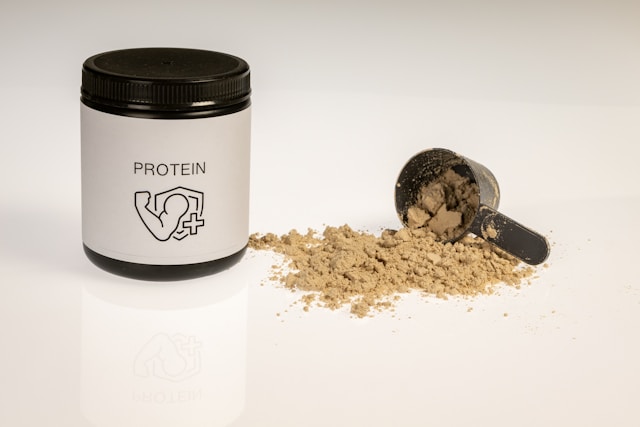
Photo: Alex Saks / Unsplash
Discover more from BeeFit: Fitness & Wellness
Subscribe to get the latest posts sent to your email.
Share :