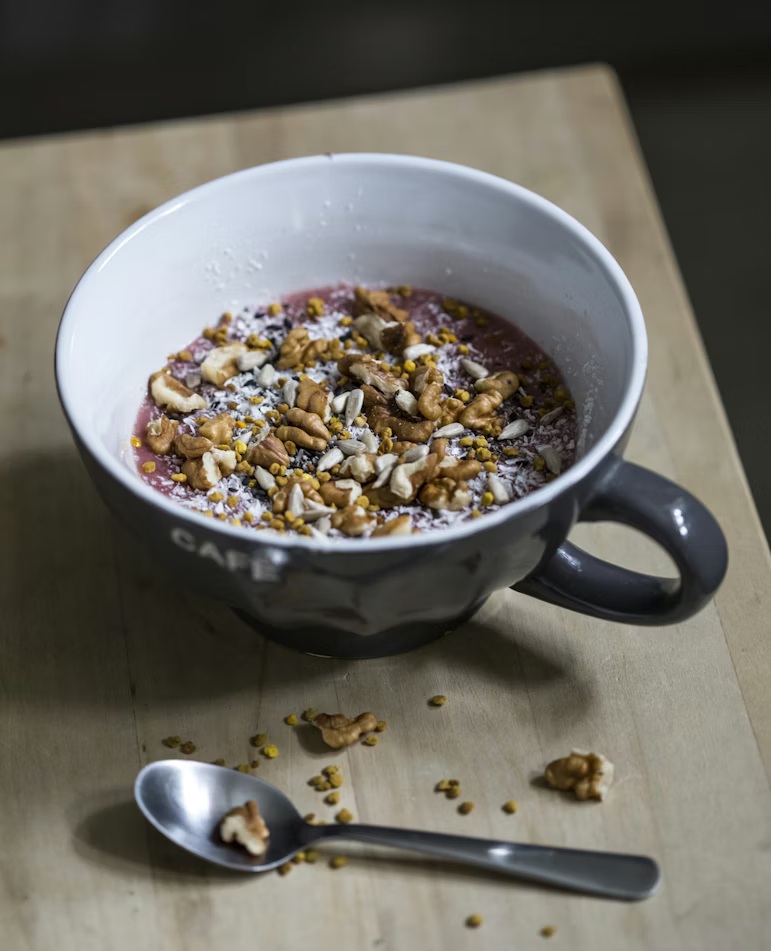
BeeFit: Fitness & Wellness

The British Oatmeal Hack for a More Satisfying Breakfast

Quick Take

  • Combining steel-cut and rolled oats creates a bowl with 40% more fiber and a 50% lower glycemic impact than using instant oats alone.
  • Steel-cut oats have a firmer texture because they are chopped, not rolled and pre-steamed, preserving their resistant starch content.
  • A 1:1 ratio of milk to water, as used in British porridge, optimizes creaminess without excessive calories or heaviness.
  • Adding a pinch of salt during cooking, not after, enhances the natural nutty flavor of oats by balancing bitterness on the tongue.

Oatmeal suffers from a reputation problem: often seen as a bland, mushy obligation rather than a culinary delight. The culprit isn’t the oat itself, but a modern preference for ultra-convenience that sacrifices texture, flavor, and nutritional potency. The British, with their centuries-old porridge tradition, never lost the plot. Their method isn’t a recipe but it’s a masterclass in texture engineering and nutritional wisdom.

This approach reveals that the secret to transcendent oatmeal isn’t a fancy topping you add at the end, but a fundamental choice you make at the start: using two different oats to build a better bowl from the ground up.

Does Mixing Oat Types Actually Change the Nutrition?

Direct Answer: Yes, significantly. Combining a slower-cooking oat (steel-cut) with a faster-cooking one (rolled) creates a composite glycemic response, leading to more stable blood sugar and prolonged satiety compared to using either type alone.

Explanation & Evidence:
Steel-cut oats are whole oat groats chopped into pieces. This minimal processing preserves the grain’s intact fiber matrix, which slows the rate at which enzymes break down starch into sugar. Rolled oats are steamed and flattened, which slightly increases their glycemic index (GI). By mixing them, you get the immediate creaminess of rolled oats with the slow-digesting “anchor” of steel-cut oats, smoothing out the energy release.

Research in the American Journal of Clinical Nutrition shows that “the structural integrity of the oat kernel is a primary determinant of its glycemic response. Less processed forms, like steel-cut, produce a significantly lower and slower blood glucose and insulin rise.”

This isn’t just about feeling full; it’s about providing your body and brain with steady, drip-fed energy instead of a spike and crash.

Your Application 
Use a 1:1 ratio of steel-cut to rolled oats. This balances cooking time, texture, and the glycemic benefits. Avoid instant oats for this method, as their pre-gelatinized starch undermines the goal.

Why Does the British Method Use Both Water and Milk?

Direct Answer: Using a 1:1 ratio of milk and water leverages the best of both liquids: water allows the oats to swell and cook thoroughly without scorching, while milk (dairy or plant-based) adds creaminess, protein, and flavor through Maillard browning reactions.

Explanation & Evidence:
Cooking oats in pure milk can lead to a heavy, overly rich consistency and increase the risk of burning due to milk’s sugars and proteins. Pure water yields a clean but potentially bland and less creamy result. The British hybrid method is a culinary optimization. The water ensures even hydration and cooking of the starch granules. The milk, added from the start, contributes lactose and proteins that gently caramelize, creating deeper, nuttier flavor compounds and a luxuriously creamy mouthfeel.

Culinary science notes that “cooking grains in a milk-water blend improves palatability and nutrient density. The milk proteins coat the starch granules, contributing to a smoother texture and enhanced perception of creaminess.”

This technique delivers restaurant-quality richness using pantry staples.

Your Application
Bring your liquid to a simmer first (1 cup water + 1 cup milk), then stir in your oat mix. This prevents clumping and ensures even cooking. Use whole milk or a creamy, unsweetened plant milk like oat or cashew for the best results.

Is the Cooking Time Really That Important?

Direct Answer: Absolutely. Undercooking (under 10 minutes) leaves steel-cut oats unpleasantly gritty and hard to digest. Overcooking (over 20 minutes) turns the entire pot into a gummy, flavorless paste. The 15-minute target is the sweet spot for texture development.

Explanation & Evidence:
The perfect oatmeal texture is a balance of starch gelatinization and structural integrity. Steel-cut oats need sufficient time (12-15 mins) in simmering liquid for their dense interior to fully hydrate and soften. Rolled oats begin to break down and release their starch within 5-7 minutes, providing the creamy binder. Cooking them together for 15 minutes allows the rolled oats’ starch to thicken the liquid just as the steel-cut oats achieve an al dente chew.

Food texture studies define the ideal porridge as having “a heterogeneous texture with a continuous, creamy phase interrupted by discrete, chewy particles,” which is achieved through controlled starch release from multiple oat forms.

Rushing the process with high heat creates an uneven, scorched mess. Patience is a key ingredient.

Your Application
Cook over low-medium heat at a gentle simmer, stirring occasionally. When the porridge coats the back of a spoon and the steel-cut oats are tender but not mushy, it’s done. Let it sit, covered, for 2 minutes off heat to finish thickening.

What’s the Scientific Reason for Adding Salt to Sweet Oatmeal?

Direct Answer: Salt is a flavor enhancer that suppresses bitterness and amplifies the natural nutty, toasty flavors of the oats themselves, making any added sweetness taste more pronounced and complex.

Explanation & Evidence:
Oats contain subtle bitter compounds. Sodium ions from salt interfere with the tongue’s ability to taste bitterness, effectively muting those off-notes. Simultaneously, salt amplifies our perception of other flavors through a neurological process called gustatory contrast. A pinch added during cooking allows it to penetrate the oats, seasoning them from within, rather than just sitting on the surface if added after.

The Institute of Food Technologists explains that “salt at low concentrations acts as a flavor potentiator, reducing the detection threshold for sweet and savory compounds and creating a more rounded and balanced flavor profile.”

Without salt, your oatmeal tastes flat and one-dimensional, forcing you to add more sugar to make it palatable.

Your Application
Add a generous pinch of kosher or sea salt (about ¼ tsp) to the pot with the oats and liquid at the beginning of cooking. You shouldn’t taste “saltiness,” just a deeper, fuller oat flavor.

How Can Toppings Transform the Functional Benefits?

Direct Answer: Strategic toppings can turn a carbohydrate-centric bowl into a balanced, functional meal by adding missing macronutrients (protein, fat) and micronutrients (antioxidants, minerals) that enhance metabolism, satiety, and nutrition.

Explanation & Evidence:
A bowl of plain oats is primarily carbohydrates. Toppings are an opportunity to complete the meal. Fat (nuts, seeds, nut butter) slows gastric emptying and increases satiety hormones. Protein (Greek yogurt, collagen, hemp seeds) provides the amino acids necessary to turn the meal’s energy into muscle repair and upkeep. Fiber & Antioxidants (berries, cinnamon, flax) feed gut bacteria and combat inflammation.

A study on meal composition found that “adding a source of protein and fat to a high-carbohydrate meal significantly blunted the postprandial glucose and insulin response and increased feelings of fullness for up to 4 hours longer.”

Your toppings should be intentional additions, not just decorative extras.

Your Application
Follow the “Fat-Fiber-Protein” rule. Choose one from each category per bowl. Example: Fat (1 tbsp almond butter), Fiber (½ cup berries), Protein (¼ cup Greek yogurt or a scoop of collagen peptides stirred in).

FAQ: Your Oatmeal Upgrade Questions, Answered

Q: Can I make this British-style oatmeal ahead of time?
A: Yes, but with a caveat. Cook as directed, then cool and store in the fridge for up to 4 days. The steel-cut oats will continue to absorb liquid, making it very thick. Reheat with a splash of extra milk or water to restore the creamy consistency. The texture holds up better than overnight oats made with only rolled oats.

Q: What’s the best plant-based milk to use?
A: For creaminess and neutral flavor, unsweetened oat milk or cashew milk are excellent. They have a naturally creamy texture and don’t overpower the oat flavor. Avoid strongly flavored milks (like some coconut or hemp) unless you enjoy that taste profile.

Q: Is this method suitable for people with gluten sensitivity?
A: Oats are naturally gluten-free but are often cross-contaminated. You must use certified gluten-free oats (both steel-cut and rolled) if you have celiac disease or a severe sensitivity. The method itself is perfectly suitable.

Q: How can I make it more protein-packed without powder?
A: Stir in ¼ cup of cottage cheese at the end of cooking (it melts in creamy), top with a heaping spoonful of Greek yogurt, or mix in two beaten eggs during the last 2 minutes of cooking, stirring constantly for a rich, “custardy” texture.

Q: Why do my oats always boil over?
A: Oat starch creates a foam that traps steam. Use a larger pot than you think you need (a 3-quart saucepan for a double batch) and maintain the gentlest possible simmer—just a few bubbles breaking the surface. A watchful eye and occasional stir are the best prevention.

The humble bowl of oatmeal is a blank canvas, but most of us are painting with only one color. The British method teaches us that by layering textures and respecting process, we can transform a simple grain into a complex, satisfying, and deeply nourishing meal. It’s a reminder that the best upgrades aren’t about adding more, but about starting smarter.

Inspired to revolutionize your breakfast? Explore our collection of scientifically optimized breakfast recipes for more morning fuel ideas at BeeFit.ai.

This article is for informational purposes only and is not a substitute for professional medical advice, diagnosis, or treatment. Always seek the advice of your physician or a registered dietitian before making significant changes to your diet.
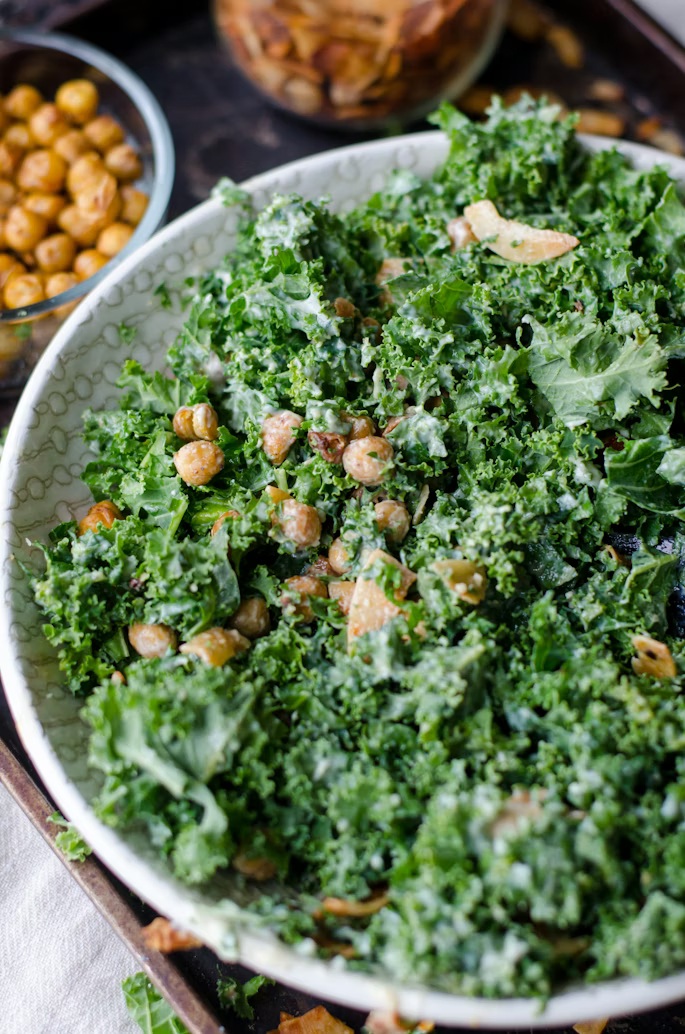
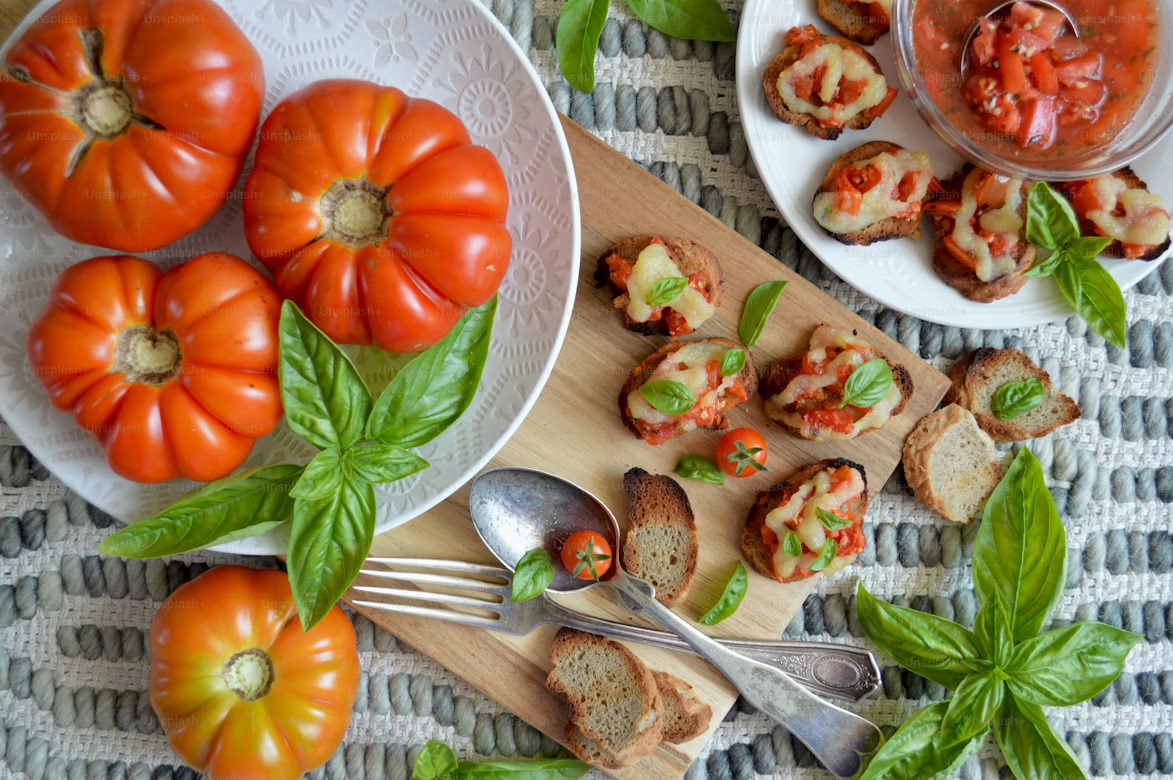
Chickpeas vs. Common Protein Sources: Which Is Smarter?

Quick Take

  • Chickpeas provide 15g of protein and 12g of fiber per cup, offering a nutrient matrix that processed meats and fried proteins lack entirely.
  • Compared to red meat, chickpeas are cholesterol-free, significantly lower in saturated fat, and provide prebiotic fiber absent in animal products.
  • The soluble fiber in chickpeas can lower LDL cholesterol by binding to bile acids, offering a direct cardiovascular benefit most animal proteins do not.
  • With a low glycemic index and high satiety factor, chickpeas support blood sugar control and weight management better than many processed protein snacks.

In the quest for better nutrition, protein choices often dominate the conversation. Yet, focusing solely on grams of protein misses the bigger picture of what else comes with those grams—be it beneficial fiber or harmful saturated fat. Chickpeas, a humble pantry staple, present a compelling case study in nutrient density. They are not just a “plant-based alternative,” but often a nutritionally superior choice to common, less-considered protein sources.

This comparison moves beyond ideology to examine the tangible nutritional trade-offs, revealing why swapping even a few servings of conventional proteins for chickpeas can be a powerful upgrade for your health.

Can Chickpeas Really Compete with Meat for Protein Quality?

Direct Answer: While chickpeas contain all essential amino acids, they are lower in methionine compared to meat. However, their complete nutritional package—protein combined with fiber, vitamins, and minerals—makes them a superior choice for overall health, especially heart and gut health.

Explanation & Evidence:
The question isn’t just “Is it a complete protein?” but “What is the cost of getting that protein?” A 3-ounce serving of lean beef provides about 22g of protein but also contains saturated fat and cholesterol, with zero fiber. A cup of chickpeas provides 15g of protein, is virtually saturated-fat-free, cholesterol-free, and delivers 12g of gut-cleansing, cholesterol-lowering fiber. The fiber itself is a prebiotic, feeding beneficial gut bacteria that produce anti-inflammatory compounds.

The Portfolio Diet study, published in the Journal of the American Heart Association, identifies legumes like chickpeas as a core food for actively lowering LDL cholesterol, a benefit no lean meat can claim.

For long-term health, the nutrient synergy in chickpeas often outweighs the minor amino acid advantage of meat, which is easily compensated for by eating a varied diet throughout the day.

Your Application
For one meal per day, use chickpeas as your primary protein. Pair them with a whole grain like brown rice or quinoa to ensure a complete amino acid profile for that meal, maximizing both protein quality and fiber intake.

How Do Chickpeas Compare to Processed Plant Proteins?

Direct Answer: Chickpeas are a whole, minimally processed food, while many plant-based meat alternatives and protein bars are ultra-processed, often high in sodium, saturated fats from coconut or palm oil, and isolated protein powders, lacking the intrinsic fiber and micronutrient matrix of the whole bean.

Explanation & Evidence:
The health halo of “plant-based” can be misleading. A processed veggie burger or protein bar may derive protein from soy or pea isolate, but in the processing, the natural fiber and phytonutrients are often stripped away, then replaced with stabilizers, flavorings, and high amounts of sodium to mimic meat. Chickpeas, in their natural state, require no such reconstruction.

A nutritional analysis in Frontiers in Nutrition cautions that “the nutritional profile of plant-based meat alternatives can vary widely, with many being high in sodium and saturated fat, while whole food legumes consistently provide fiber, potassium, and iron with minimal additives.”

Choosing whole chickpeas over processed imitations guarantees you’re getting nutrients in their natural, bioavailable form without unnecessary additives.

Your Application
Read labels critically. When choosing a packaged plant-based protein, ensure the first ingredient is a recognizable whole food like “chickpeas” or “lentils,” not “soy protein isolate” or “textured vegetable protein.” Better yet, build meals around whole, canned, or dried chickpeas you prepare yourself.

What Makes Chickpeas a Smarter Choice Than Fried Proteins?

Direct Answer: Chickpeas provide satisfying crunch and protein without the inflammatory advanced glycation end-products (AGEs), trans fats, and excessive calorie density created by deep-frying proteins like chicken or fish.

Explanation & Evidence:
Frying proteins at high temperatures creates harmful compounds like AGEs, which are linked to increased oxidative stress and inflammation. The breading absorbs significant amounts of oil, skyrocketing calorie count while adding refined carbohydrates. Roasted chickpeas, seasoned and baked, achieve a similar crispy texture using little to no oil. They deliver protein and fiber with a fraction of the calories and none of the pro-inflammatory byproducts.

Research on cooking methods in the Journal of the American Dietetic Association notes that “dry-heat cooking methods like baking and roasting produce significantly lower levels of harmful heterocyclic amines and AGEs compared to frying or grilling at high temperatures.”

You satisfy the craving for a crunchy, savory snack while actively choosing an anti-inflammatory cooking method.

Your Application
Make your own roasted chickpeas. Rinse and dry a can of chickpeas, toss with 1 tsp of olive oil and your favorite spices (smoked paprika, cumin, garlic powder), and roast at 400°F (200°C) for 25-30 minutes until crispy. They are a perfect high-fiber alternative to chips or fried snacks.

Do Chickpeas Offer Metabolic Advantages Over Dairy Proteins?

Direct Answer: Yes. While dairy provides protein and calcium, chickpeas offer a unique combination of protein and fiber that promotes greater satiety and has a more favorable impact on blood sugar and insulin response, which is crucial for metabolic health.

Explanation & Evidence:
Cheese and Greek yogurt are concentrated sources of protein but lack fiber. A snack of chickpeas provides both protein and fiber, which slows gastric emptying and modulates the release of insulin. This leads to more stable energy and reduced hunger later. Furthermore, the soluble fiber in chickpeas specifically helps regulate the body’s absorption of sugars and fats.

A study in Appetite found that “meals incorporating legumes like chickpeas resulted in a 31% greater increase in satiety compared to meals based on dairy or wheat, attributable to their unique protein-fiber combination.”

For managing weight or blood sugar, the metabolic profile of chickpeas is often more advantageous than even high-protein dairy.

Your Application
When building a snack or light meal, prioritize the protein-fiber combo. Instead of just Greek yogurt, have yogurt with a handful of chickpeas or roasted chickpeas on the side. This leverages the benefits of both.

Are Chickpeas a Cost-Effective Protein Swap?

Direct Answer: Absolutely. Chickpeas are one of the most affordable sources of protein and nutrients per serving, especially when bought dried or in bulk, offering significant savings over meat, cheese, and processed protein bars.

Explanation & Evidence:
A cost-per-gram-of-protein analysis consistently ranks legumes like chickpeas at the top for affordability. A pound of dried chickpeas, which yields multiple cooked cups, costs a fraction of a pound of ground beef, chicken breast, or a package of gourmet cheese or protein bars. This economic advantage makes nutritional upgrades accessible and sustainable.

Economic data from the USDA ERS shows that “beans and legumes provide among the lowest cost sources of protein and key nutrients like potassium and fiber in the American food supply.”

Investing in chickpeas is a high-return strategy for both your health and your grocery budget.

Your Application
Buy chickpeas in their most affordable form. Purchase dried chickpeas in bulk, soak them overnight, and cook a large batch to freeze in portions. Canned chickpeas (low-sodium, BPA-free) are also a cost-effective and convenient pantry staple for quick meals.

FAQ: Your Chickpea Questions, Answered

Q: Do I need to worry about antinutrients in chickpeas?
A: The “antinutrients” like phytates in chickpeas are greatly reduced by standard preparation: soaking, cooking, and canning. These compounds may actually have beneficial antioxidant effects. For most people eating a balanced diet, they do not inhibit mineral absorption to a concerning degree. Proper preparation makes chickpeas perfectly safe and highly nutritious.

Q: Can chickpeas cause bloating?
A: They can, due to their high fiber and specific oligosaccharides. To minimize this, rinse canned chickpeas thoroughly to remove the starchy liquid. If using dried, discard the soaking water and cook in fresh water. Start with smaller portions (1/4-1/2 cup) to allow your gut microbiome to adapt gradually.

Q: Are chickpeas good for building muscle?
A: Yes, as part of a balanced diet. They provide a solid base of plant protein and the carbohydrates needed to fuel workouts and replenish glycogen. For optimal muscle protein synthesis, pair them with a complementary protein source in the same meal (like whole grains) or ensure your overall daily protein intake from varied sources is sufficient (1.6-2.2g/kg of body weight for athletes).

Q: What’s the healthiest way to eat chickpeas?
A: The healthiest methods maximize nutrient retention and minimize added unhealthy fats. This includes adding them to soups and salads, mashing them for sandwiches, or roasting them with minimal oil. While hummus is healthy, be mindful of portion sizes as tahini and olive oil increase calorie density.

Q: How do chickpeas compare to other beans?
A: Nutritionally, all beans are stellar. Chickpeas are slightly higher in protein than black beans or kidney beans and have a uniquely versatile, buttery texture and mild flavor that works in both savory and sweet dishes, giving them an edge in culinary flexibility.

Chickpeas win not by being the highest in any single nutrient, but by being remarkably good across the board offering protein, fiber, vitamins, and minerals in a balanced, affordable, and versatile package. The real competition isn’t between plant and animal, but between nutrient-dense whole foods and processed approximations. In that contest, the humble chickpea stands tall as a simple, powerful tool for building a healthier diet, one satisfying meal at a time.

This article is for informational purposes only and is not a substitute for professional medical advice, diagnosis, or treatment. Always seek the advice of your physician or a registered dietitian before making significant changes to your diet. 

15 Foods That Can Help You Age Better

Quick Take

  • Anthocyanins in blueberries and polyphenols in green tea can reduce cellular oxidative stress, a primary driver of visible skin aging and cognitive decline.
  • Omega-3 fatty acids from fatty fish and chia seeds directly support skin lipid barriers for hydration and modulate systemic inflammation linked to chronic disease.
  • Vitamin C from red bell peppers and broccoli is a co-factor for collagen synthesis, while beta-carotene in sweet potatoes provides internal photoprotection.
  • Fermented foods like Greek yogurt influence the gut-skin axis, with probiotics linked to reduced inflammation and improved skin elasticity.

Aging is a biological process, but its rate and expression are profoundly influenced by biochemistry and you influence that biochemistry daily with your diet. While no food is a “fountain of youth,” strategic nutritional choices can supply the raw materials your body needs to repair cells, combat damage, and maintain function. This list focuses on whole foods with dense, evidence-backed benefits for the systems most impacted by age: your skin, brain, heart, and musculoskeletal framework.

Think of these 15 foods as your dietary toolkit for building resilience from the inside out.

How Do Antioxidants in Berries Actually Fight Aging?

Direct Answer: The anthocyanins in blueberries neutralize free radicals generated by UV exposure and metabolism, preventing them from damaging collagen, elastin fibers, and cellular DNA, which directly preserves skin structure and function.

Explanation & Evidence:
Aging at a cellular level is largely driven by oxidative stress. Free radicals are unstable molecules that steal electrons from healthy cells, causing cumulative damage. Blueberries are exceptionally rich in antioxidants like anthocyanins and vitamin C, which donate electrons to stabilize free radicals, acting as a cellular shield. This protection extends to brain cells, helping to maintain cognitive function.

A study in the Journal of Agricultural and Food Chemistry found that “regular blueberry consumption was associated with improved antioxidant capacity in human blood plasma and reductions in markers of DNA oxidative damage.”

This isn’t just theoretical; it’s a measurable defense against the microscopic wear and tear that manifests as wrinkles and memory fog.

Your Application
Aim for 1/2 to 1 cup of blueberries daily. Add them to morning oats, blend into post-workout smoothies, or freeze for a sweet, anti-aging snack. Variety is key rotate with other berries like strawberries and raspberries.

Can Fats Like Avocado and Salmon Really Improve Skin?

Direct Answer: Yes. The monounsaturated fats in avocados and the omega-3s (EPA/DHA) in fatty fish are incorporated into skin cell membranes, improving lipid barrier function for critical hydration and suppleness, while also reducing inflammatory compounds that break down collagen.

Explanation & Evidence:
Your skin’s outermost layer is a lipid barrier that keeps moisture in and irritants out. Dietary fats are the building blocks of this barrier. Avocados provide oleic acid and vitamin E, which support skin integrity. Fatty fish provide EPA and DHA, which the body uses to produce anti-inflammatory mediators, calming conditions like psoriasis and protecting against UV-induced collagen degradation.

Research in the Journal of Cosmetic Dermatology concluded that “supplementation with omega-3 fatty acids significantly improved skin barrier function, increased skin hydration, and reduced cutaneous inflammation in participants.”

Hydrated, calm skin is inherently more youthful and resilient than dry, inflamed skin.

Your Application
Include a serving of fatty fish (salmon, mackerel, sardines) 2-3 times per week and 1/4 to 1/2 an avocado daily. Use avocado as a healthy fat base in place of mayonnaise or creamy dressings.

Why Are Vitamin C Foods Non-Negotiable for Collagen?

Direct Answer: Vitamin C is an essential coenzyme for the synthesis of hydroxyproline and hydroxylysine, two amino acids critical for forming stable collagen triple-helices. Without adequate Vitamin C, collagen production falters, leading to weaker skin, tendons, and blood vessels.

Explanation & Evidence:
Collagen is the most abundant protein in your body, providing skin with structure and elasticity. The body cannot manufacture collagen without vitamin C present at the cellular level. Red bell peppers, broccoli, and spinach are powerhouse sources. Beyond synthesis, Vitamin C is also a potent antioxidant that protects existing collagen from free radical damage.

A review in Nutrients journal states, “Vitamin C’s role in collagen synthesis is well-established. Topical and dietary vitamin C have been shown to promote collagen production and protect against UV-induced photoaging.”

Consistent intake is key, as the body does not store vitamin C.

Your Application
Pair vitamin C-rich foods (red bell peppers, broccoli, spinach) with iron-rich plant foods (lentils, spinach) in the same meal to boost iron absorption. Add raw peppers to salads or snack on them with hummus.

What Is the Link Between Your Gut and Skin Aging?

Direct Answer: The gut-skin axis describes the bidirectional communication where gut inflammation can manifest as skin conditions. Probiotics in Greek yogurt and anti-inflammatory compounds in turmeric can improve gut microbiome diversity, reducing systemic inflammation that accelerates skin aging and weakens immunity.

Explanation & Evidence:
An imbalance in gut bacteria (dysbiosis) can increase intestinal permeability (“leaky gut”), allowing inflammatory toxins into the bloodstream. This systemic inflammation can trigger or exacerbate skin aging, acne, and rosacea. Greek yogurt provides probiotics that support a healthy gut lining. Turmeric’s curcumin modulates inflammatory pathways at the cellular level.

A study in Gut Microbes found that “probiotic supplementation influenced skin homeostasis and improved barrier function, with measurable reductions in skin roughness and wrinkles.”

Calming internal inflammation is a foundational strategy for clear, healthy skin.

Your Application
Choose plain, unsweetened Greek yogurt with live active cultures. Add your own berries and a drizzle of honey. Incorporate turmeric into soups, stews, or a daily “golden milk” latte with black pepper (which enhances curcumin absorption by 2000%).

How Do Hydrating Foods Like Watermelon Work Beyond Water?

Direct Answer: Watermelon provides hydration from its 92% water content, but its key anti-aging nutrient is lycopene, a carotenoid antioxidant that protects skin cells from UV damage and supports cardiovascular health by improving endothelial function.

Explanation & Evidence:
Hydration is essential for skin turgor and nutrient transport. Watermelon efficiently contributes to fluid intake. More importantly, lycopene is a fat-soluble antioxidant that accumulates in the skin, acting as a mild internal sunscreen. It neutralizes free radicals generated by sun exposure, mitigating photoaging. Cooking (or blending) can increase lycopene’s bioavailability.

Research in the British Journal of Dermatology indicated that “lycopene-rich diets provided protection against UV-induced erythema (sunburn) and helped maintain skin density and thickness.”

It’s a supportive layer of defense, not a replacement for topical sunscreen.

Your Application
Enjoy fresh watermelon in season. For a more concentrated lycopene boost, use tomato paste or cooked tomatoes in sauces. Pair with a healthy fat (like olive oil) to improve lycopene absorption.

Your 15 Age-Defying Foods: A Practical Guide

  1. Blueberries: Antioxidant powerhouse for brain & skin. Use: Frozen in smoothies, fresh on yogurt.
  2. Avocados: Healthy fats for skin hydration & elasticity. Use: Mashed on toast, sliced in salads.
  3. Fatty Fish (Salmon, Mackerel): Omega-3s for anti-inflammation & heart health. Use: Baked, in salads.
  4. Dark Chocolate (70%+): Flavonoids for skin blood flow & UV protection. *Use: 1-2 squares as a treat.*
  5. Nuts (Walnuts, Almonds): Vitamin E & minerals for skin & brain. Use: Handful as a snack, in oatmeal.
  6. Sweet Potatoes: Beta-carotene for internal sun protection & skin elasticity. Use: Roasted, mashed.
  7. Green Tea: Catechins for cellular protection & metabolism. *Use: 2-3 cups daily, hot or cold.*
  8. Broccoli: Vitamin C & sulforaphane for collagen & detox. Use: Lightly steamed, in stir-fries.
  9. Pomegranate: Polyphenols for skin repair & heart health. Use: Seeds on salads, juice (no sugar added).
  10. Spinach: Vitamins A, C, K for skin hydration & eyes. Use: Sautéed, in salads, blended.
  11. Red Bell Peppers: Extremely high Vitamin C for collagen. Use: Raw with dip, roasted.
  12. Greek Yogurt: Probiotics for gut-skin axis & protein. Use: With fruit, as a savory base.
  13. Turmeric: Curcumin for potent systemic anti-inflammation. Use: In curries, golden milk, eggs.
  14. Watermelon: Hydration & lycopene for UV defense. Use: Fresh, in agua fresca, blended.
  15. Chia Seeds: Omega-3s & fiber for skin & digestion. Use: In pudding, stirred into drinks.

FAQ: Your Anti-Aging Diet Questions, Answered

Q: Do I need to eat all 15 foods every day?
A: No. This is a toolkit, not a prescription. Aim to incorporate a variety of these foods throughout your week. A good daily goal is to include 2-3 antioxidant-rich fruits/veggies, a source of healthy fats, and a fermented or high-fiber food.

Q: Are supplements as good as getting these nutrients from food?
A: In most cases, no. Whole foods provide a complex matrix of fiber, antioxidants, and phytonutrients that work synergistically. Supplements can fill specific, diagnosed gaps (like Vitamin D or Omega-3s), but they should not replace a nutrient-dense diet. The exception is Vitamin B12 for those on plant-based diets, which is essential to supplement.

Q: How long until I see effects on my skin?
A: Skin cell turnover takes about 28 days. You may notice improved hydration and brightness within 4-6 weeks of consistent dietary change. Deeper structural improvements in elasticity and reduction of fine lines from collagen support can take 3-6 months or more. The internal (brain, heart) benefits begin immediately.

Q: Is organic necessary for these foods?
A: It is beneficial but not mandatory. If prioritizing, refer to the Environmental Working Group’s “Dirty Dozen” list—berries, spinach, kale often have higher pesticide residues. Washing produce thoroughly is most important. Eating conventional produce is far better than not eating it.

Q: Can these foods reverse existing wrinkles?
A: They cannot reverse deep, structural wrinkles but they can improve skin hydration, plumpness, and radiance, which may make lines appear less noticeable. They primarily work as a preventative strategy, slowing the formation of new damage and supporting the skin’s inherent repair processes.

Aging gracefully is an active process of nourishing your biology with intention. These 15 foods are not magical cures, but they are some of the most effective, research-backed tools available in your kitchen. By consistently choosing foods that fight inflammation, protect your cells, and build your body’s infrastructure, you’re not just passing time but you’re investing in the quality of every year to come.

This article is for informational purposes only and is not a substitute for professional medical advice, diagnosis, or treatment. Always seek the advice of your physician or a registered dietitian before making significant changes to your diet.
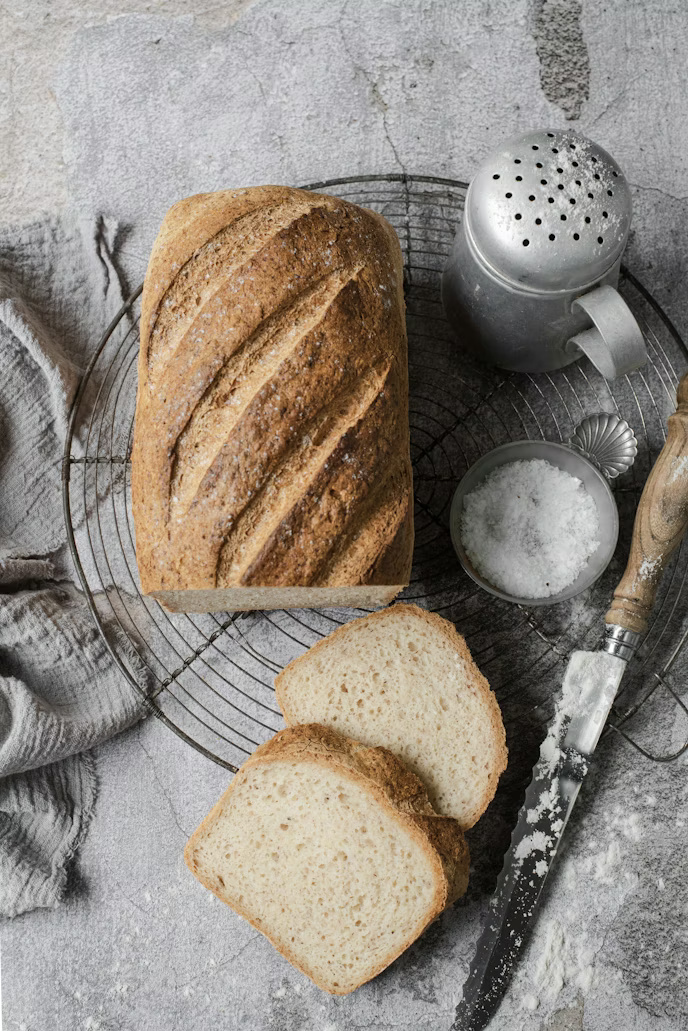
Low-Sugar Fruits That Don’t Spike Your Blood Sugar

Quick Take

  • Raspberries and blackberries provide less than 7g of sugar per cup alongside 8g of fiber, offering one of the best fiber-to-sugar ratios in the fruit kingdom.
  • Citrus fruits like grapefruit contain bioactive flavonoids in the pith and membranes that improve insulin sensitivity, partially offsetting their natural sugar content.
  • Fresh cranberries are exceptionally low in sugar (4g per cup) and contain proanthocyanidins, compounds clinically shown to prevent bacterial adhesion in the urinary tract.
  • Pairing any fruit with a protein or fat source (e.g., nuts, Greek yogurt) significantly blunts the postprandial blood glucose response, making fruit more suitable for blood sugar management.

Navigating fruit consumption while managing sugar intake often feels like a nutritional minefield. The key isn’t elimination, but intelligent selection and strategic pairing. Not all fruits impact your blood sugar equally. The difference lies in their fiber matrix, glycemic load, and unique phytonutrients that actively moderate how your body processes their natural sugars.

This list highlights nine fruits that deliver maximal nutritional benefits from antioxidants to digestive enzymes with a minimized impact on blood sugar, making them powerful allies for metabolic health, weight management, and overall wellness.

Which Fruit Has the Best Fiber-to-Sugar Ratio?

Direct Answer: Raspberries and blackberries are unrivaled, offering approximately 8 grams of fiber for just 5-7 grams of sugar per one-cup serving, a ratio that actively slows sugar absorption and feeds beneficial gut bacteria.

Explanation & Evidence:
Fiber is the counterbalance to fruit sugar. It creates a viscous gel in the gut that physically impedes the rapid absorption of fructose and glucose. Raspberries’ high fiber content (over 30% of the daily value per cup) means their net digestible carbohydrate impact is very low. This results in a minimal glycemic response, making them an excellent choice for individuals with insulin resistance or those following a low-carb dietary pattern.

A study in the Journal of Nutrition found that “the high fiber content in berries significantly attenuated the postprandial glucose and insulin response compared to other fruits with equivalent sugar but lower fiber content.”

You’re not just eating sugar; you’re eating a fiber-packed food that happens to be sweet.

Your Application:
Keep frozen organic berries on hand for daily use. Add a cup to plain Greek yogurt or blend into a smoothie with a scoop of protein powder to create a balanced, blood sugar-friendly meal or snack.

How Does Grapefruit Interact with Metabolism?

Direct Answer: Beyond being low in sugar, grapefruit contains naringin, a flavonoid that may improve insulin sensitivity and delay the intestinal absorption of certain sugars, while also influencing liver enzymes involved in fat metabolism.

Explanation & Evidence:
The unique benefit of grapefruit is pharmacologically active compounds. Naringin has been shown in animal and some human studies to enhance the function of insulin, helping cells take up glucose more effectively. Furthermore, it inhibits an enzyme in the gut (α-glucosidase) that breaks down complex carbs into simple sugars, leading to a slower, more gradual release of glucose into the bloodstream.

Research in the Journal of Medicinal Food indicated that “consumption of grapefruit or naringin was associated with improved insulin sensitivity and modest reductions in body weight in some human trials, though more research is needed.”

Note: Grapefruit famously interacts with many medications. Always consult your doctor or pharmacist if you are on prescription drugs.

Your Application:
Enjoy half a fresh grapefruit as a starter to a meal. The fiber and naringin can help moderate the glycemic response of the foods that follow.

What Makes Kiwi a Low-Sugar Digestive Aid?


Direct Answer: Kiwi contains the proteolytic enzyme actinidin, which helps break down protein, aiding digestion. Combined with its high soluble fiber content and low sugar load, it supports gut health without spiking blood sugar.

Explanation & Evidence:
Kiwi’s value is in its synergy of components. The soluble fiber (pectin) supports a healthy gut microbiome and promotes regular bowel movements. Simultaneously, actinidin can help improve the digestion of dietary proteins, potentially reducing bloating and discomfort. This makes kiwi not just a low-sugar fruit, but a functional food for digestive wellness.

A clinical review in Advances in Food and Nutrition Research concluded that “kiwifruit consumption consistently improved measures of digestive comfort, bowel movement frequency, and stool consistency, attributable to its unique combination of fiber and actinidin.”

It’s a two-for-one: a nutrient-dense, low-sugar fruit and a natural digestive enzyme supplement.

Your Application:
Eat one ripe kiwi, skin washed (the skin doubles the fiber), as a dessert after a protein-rich meal to aid digestion.

Why Are Fresh Cranberries in a Category of Their Own?

Direct Answer: Fresh cranberries are uniquely low in sugar (4g/cup) and contain A-type proanthocyanidins (PACs), antioxidants that prevent E. coli bacteria from adhering to the urinary tract lining, offering a specific, evidence-based health benefit.

Explanation & Evidence:
Most fruits don’t have a direct, clinically proven therapeutic effect. Cranberries do. Their extreme tartness (hence low sugar) comes from high concentrations of organic acids and potent polyphenols. The specific structure of cranberry PACs is what makes them effective for urinary tract health, a benefit not found in other berries.

A meta-analysis in the Journal of Nutrition affirmed that “cranberry products (juice, supplements) containing sufficient PACs significantly reduced the incidence of UTIs in women with recurrent infections.”

To avoid added sugar, use fresh or unsweetened frozen cranberries, not dried or juice cocktail.

Your Application:
Buy fresh cranberries in season and freeze them. Use a handful in a smoothie with a zero-calorie sweetener like monk fruit, or cook them into an unsweetened sauce to pair with poultry.

How Should You Pair Fruit to Optimize Blood Sugar Response?

Direct Answer: Always pair fruit with a source of protein or healthy fat. This combination slows gastric emptying, provides an alternative fuel source, and blunts the insulin spike, transforming the fruit’s glycemic impact.

Explanation & Evidence:
Eating an apple alone causes a faster rise in blood glucose than eating that same apple with a tablespoon of almond butter. The fat and protein in the nut butter require slower digestion, which in turn slows the release of the apple’s sugars. This pairing also increases satiety and provides a more sustained energy release.

The American Journal of Clinical Nutrition has published numerous studies demonstrating that “co-ingestion of protein and fat with carbohydrate significantly reduces the glycemic response to the meal, a principle that applies directly to fruit consumption.”

This is the most important practical strategy for enjoying fruit while managing metabolic health.

Your Application:
Never eat fruit in isolation. Follow the “Pairing Principle”: Apple + cheese, Berries + Greek yogurt, Peach + handful of almonds.

Your 9 Low-Sugar Fruits: A Practical Guide

Berries (Strawberries, Blackberries, Raspberries): 5-7g sugar, 8g fiber per cup. Use: Top yogurt, blend in smoothies.
Melon (Watermelon, Cantaloupe): 9-12g sugar per cup. High water, lycopene. Use: Fresh in salads, blended for hydration.
Citrus (Grapefruit, Orange): 8-13g sugar per half/fruit. High vitamin C, flavonoids. Use: Eat fresh, add to water.
Kiwi: 7g sugar per fruit. Enzymes (actinidin), vitamin C/E. Use: Eat skin-on, add to smoothies.
Apricot: 3g sugar per fruit. High vitamin A, fiber. Use: Fresh snack, chopped in oatmeal.
Cranberries (Fresh): 4g sugar per cup. Proanthocyanidins for UTI prevention. Use: Unsweetened in sauces, smoothies.
Plum: 6g sugar per fruit. Anthocyanins, fiber. Use: Fresh, grilled, in yogurt.
Papaya: 11g sugar per cup. Enzymes (papain), vitamins A/C/E. Use: In fruit salad, smoothies.
Peach: 11g sugar per fruit. Vitamins, fiber, polyphenols. Use: Fresh, grilled, in salads.

FAQ: Your Low-Sugar Fruit Questions, Answered

Q: Is the sugar in fruit bad for you?
A:
No, in the context of whole fruit. The sugar in whole fruit comes packaged with water, fiber, vitamins, and antioxidants that modulate its absorption and provide health benefits. The health concerns around sugar are primarily related to added sugars in processed foods and beverages, not the intrinsic sugars in whole, fiber-rich fruits.

Q: Should people with diabetes avoid fruit?
A:
No. Current guidelines from the American Diabetes Association encourage fruit consumption as part of a balanced diet. The key is to choose lower-glycemic options (like berries), mind portion sizes (1 small piece or 1/2 cup), and always pair with protein or fat (e.g., nuts, cheese) to minimize blood glucose spikes.

Q: What about dried fruit or fruit juice?
A:
Dried fruit is concentrated in sugar and calories, with most of the water removed. A small handful can contain the sugar of several pieces of fresh fruit. Fruit juice, even 100% juice, lacks the beneficial fiber and leads to rapid sugar absorption. For sugar management, prioritize whole, fresh, or frozen fruit.

Q: Are “low-sugar” fruits like berries less nutritious?
A:
Absolutely not. They are often more nutrient-dense per calorie. Berries, for example, are among the highest antioxidant foods on the planet. Low sugar content does not equate to low nutritional value; in many cases, it indicates a higher concentration of fiber and phytonutrients.

Q: How much fruit should I eat per day?
A:
General guidelines recommend 1.5 – 2 cups per day for adults. If managing sugar intake, you can stay within the lower end of this range, focusing on the fruits listed above, and always distributing your intake across meals paired with other macronutrients.

Choosing fruit wisely is an exercise in nutritional intelligence. By selecting options with favorable fiber-to-sugar ratios and leveraging the science of food pairing, you can fully embrace the vitamins, antioxidants, and pleasure that fruit offers, without compromising your metabolic health. This list isn’t about restriction—it’s about empowering you to make the most strategic, beneficial choices in your pursuit of wellness.

This article is for informational purposes only and is not a substitute for professional medical advice, diagnosis, or treatment. Always seek the advice of your physician or a registered dietitian, especially if you have a condition like diabetes or insulin resistance.

7 Healthy Breads That Actually Taste Great

Quick Take

  • Sprouted grain bread offers a complete amino acid profile with higher bioavailability of nutrients due to the germination process.
  • Sourdough’s natural fermentation lowers its glycemic index, reduces gluten content, and can improve insulin sensitivity compared to conventional bread.
  • Rye bread is exceptionally high in prebiotic fibers like arabinoxylan, which feeds beneficial gut bacteria and enhances satiety.
  • Flaxseed bread is a rich source of lignans and alpha-linolenic acid (ALA), providing anti-inflammatory and hormone-balancing benefits. Bread has often been criticized in the world of nutrition, especially for those focusing on weight management or a clean diet. However, not all bread is bad for you. Choosing nutrient-dense, fiber-rich bread can provide energy, promote digestion, and help manage weight without spiking blood sugar or causing bloating.

If you are looking for healthy breads that taste great, here are seven nutritious options that support weight loss, muscle gain, and satiety while keeping digestion in check.

1. Sprouted Grain Bread

Best for: Weight loss, muscle gain, blood sugar control, and digestion

Sprouted grain bread, such as Ezekiel bread, is made from whole grains that have been germinated. The sprouting process boosts fiber, protein, and essential nutrients while reducing compounds that interfere with nutrient absorption.

Why it’s a great choice:

  • Higher protein content supports muscle gain
  • Rich in fiber to keep you full and stabilize blood sugar
  • Contains essential amino acids, making it a complete protein

Sprouted grain bread pairs well with protein-rich toppings like eggs, avocado, or almond butter for a balanced meal.

2. Sourdough Bread

Best for: Gut health, weight management, and digestion

Sourdough is made through natural fermentation, which increases beneficial bacteria and breaks down gluten, making it easier to digest than traditional bread. It has a lower glycemic index, which prevents blood sugar spikes.

Why it’s a great choice:

  • Contains probiotics that support gut health
  • Fermentation enhances vitamin and mineral absorption
  • Easier to digest than regular wheat bread

For a more nutritious option, choose whole wheat sourdough over white sourdough.

3. Whole Wheat Bread

Best for: Energy, heart health, and daily nutrition

Whole wheat bread is made from whole grains, which means it retains all parts of the grain—bran, germ, and endosperm—providing fiber, vitamins, and minerals that support overall health.

Why it’s a great choice:

  • High in B vitamins, which help convert food into energy
  • Contains fiber for digestion and heart health
  • Helps sustain energy levels throughout the day

When choosing whole wheat bread, look for options labeled “100% whole wheat” to avoid refined flours.

4. Rye Bread

Best for: Weight loss, appetite control, and blood sugar regulation

Rye bread contains more fiber than whole wheat bread, making it an excellent choice for keeping you full longer and reducing cravings. It also helps control blood sugar levels and supports gut health.

Why it’s a great choice:

  • High in prebiotic fiber, which nourishes good gut bacteria
  • Slows digestion, preventing blood sugar spikes
  • Keeps you full without bloating

Opt for whole grain rye bread rather than refined rye varieties for the most benefits.

5. Oat Bread

Best for: Heart health, digestion, and weight loss

Oat bread is made with whole grain oats and whole wheat flour, providing beta-glucan, a type of soluble fiber that helps lower cholesterol and improve digestion.

Why it’s a great choice:

  • Provides complex carbohydrates for sustained energy
  • Rich in fiber, promoting gut health
  • Helps regulate blood sugar and cholesterol levels

When selecting oat bread, ensure it contains whole grain oats rather than refined flours and added sugars.

6. Flaxseed Bread

Best for: Muscle recovery, hormone balance, and digestion

Flaxseed bread is packed with omega-3 fatty acids, which help reduce inflammation and support muscle recovery. It also contains lignans, which may aid in hormonal balance.

Why it’s a great choice:

  • High in plant-based protein
  • Provides healthy fats that support heart and brain health
  • Supports digestion and gut health

Since flaxseed bread is denser, it pairs well with lean proteins like turkey, eggs, or hummus for a well-rounded meal.

7. Gluten-Free Seed Bread

Best for: Clean eating, digestion, and gluten sensitivity

For those with gluten intolerances or seeking a grain-free option, seed bread made from sunflower, chia, pumpkin, and sesame seeds is a nutrient powerhouse with a rich, hearty texture.

Why it’s a great choice:

  • High in protein and fiber for sustained energy
  • Contains healthy fats that support metabolism
  • Rich in minerals like magnesium and zinc

Seed bread is best enjoyed toasted with avocado or nut butter for added flavor and nutrients.

Which Bread Is Best for Your Goals?

For Weight Loss:

  • Best options: Sprouted grain, sourdough, oat, and rye bread
  • Why? High fiber and protein content keep you full, reduce cravings, and regulate blood sugar.

For Gaining Lean Muscle:

  • Best options: Flaxseed bread, sprouted grain bread, gluten-free seed bread
  • Why? High protein and healthy fats support muscle recovery and growth.

For Digestive Health:

  • Best options: Sourdough, oat, flaxseed, and rye bread
  • Why? They contain probiotics, prebiotic fiber, and gut-friendly ingredients.

For Blood Sugar Balance:

  • Best options: Rye, oat, whole wheat, and sprouted grain bread
  • Why? Slow digestion prevents insulin spikes.

For Clean Eating:

  • Best options: Gluten-free seed bread, flaxseed bread, sprouted grain bread
  • Why? Minimal ingredients, nutrient-dense, no refined flour.

How to Choose the Right Bread

Not all bread is created equal, and making the right choice can impact your energy levels, digestion, and weight management. When shopping for bread, always:

  • Read the ingredient list – Look for whole grains and avoid added sugars.
  • Check fiber content – Aim for at least 3 grams per slice for satiety.
  • Avoid refined flours – Choose breads made with whole grains, seeds, or sprouted grains.

By making smart choices, you can enjoy bread without guilt while fueling your body with essential nutrients. 

FAQ: Your Healthy Bread Questions, Answered

Q: Is sourdough bread actually better for you than regular bread?
A: Yes, due to the fermentation process. The lactic acid bacteria predigest starches and gluten, making it easier to digest for many people. This process also lowers the bread’s glycemic index, leading to a slower, more stable rise in blood sugar compared to commercial yeast breads.

Q: What should I look for on the nutrition label when buying healthy bread?
A: Prioritize three things: 1) Ingredients: The first ingredient should be “100% whole [grain]” or “sprouted [grain].” 2) Fiber: Aim for at least 3-4 grams of fiber per slice3) Simplicity: Avoid long lists with added sugars (e.g., corn syrup, honey, cane sugar) high up on the list, and unnecessary preservatives.

Q: Can bread be part of a weight loss diet?
A: Absolutely, if chosen strategically. High-fiber, high-protein breads like sprouted grain, rye, and oat bread promote satiety, helping you feel full longer and potentially reducing overall calorie intake. The key is portion control (1-2 slices) and pairing it with protein (eggs, chicken) and healthy fats (avocado, nut butter) to balance the meal.

Q: What is the best bread for people with gluten sensitivity?
A: Certified gluten-free seed bread made from a blend of seeds (sunflower, pumpkin, flax, chia) is an excellent choice as it is naturally gluten-free and nutrient-dense. Be cautious with gluten-free bread made from refined rice or tapioca flour, as it can be low in fiber and high on the glycemic index.

Q: How does sprouted grain bread differ from whole wheat?
A: Sprouted grain bread starts with whole grains that are soaked and allowed to germinate. This process increases certain nutrients (like folate and vitamin C), reduces antinutrients (like phytic acid) that can block mineral absorption, and breaks down starches, which can make it easier to digest. Whole wheat bread is made from flour from unsprouted whole grains.

Key Takeaways

Bread does not have to be the enemy of a healthy diet. By choosing wisely, you can enjoy delicious, nutrient-packed breads that support your fitness and wellness goals.

Whether you are spreading avocado on sourdough or pairing sprouted grain toast with eggs, the right bread can be a valuable part of a balanced diet.

Upgrade your bread choices today and discover the perfect option for your lifestyle and goals!

This article is based on research and general nutritional guidelines. It is not a substitute for medical advice. Always consult a healthcare provider for personalized dietary recommendations. 

The Ultimate Science-Based Gut Health Protocol

Quick Take

  • Up to 70% of your immune system resides in your gut, making a balanced microbiome your first line of defense against illness.
  • The gut produces over 90% of your body’s serotonin, directly linking digestive health to anxiety, mood, and depression.
  • Dietary fiber is the primary fuel for beneficial gut bacteria; increasing intake can shift microbiome composition within 24-48 hours.
  • Chronic stress can alter gut bacteria populations and increase intestinal permeability (“leaky gut”), creating a cycle of inflammation.

If you view your gut as merely a food processor, you’re missing its true role as command center. This complex ecosystem of trillions of microbes your microbiome influences everything from your immune response and metabolism to your cravings and mental clarity. When this system is balanced, you thrive. When it’s disrupted a state called dysbiosis it can manifest as digestive distress, stubborn weight, skin issues, or relentless fatigue.

Healing your gut isn’t about a quick fix; it’s about understanding the dialogue between your lifestyle and your microbes, and learning how to send them the right signals. This is your actionable blueprint for resetting that conversation.

How Do You Know if Your Gut Is Actually Unhealthy?

Direct Answer: Look for a constellation of symptoms beyond digestion: persistent bloating, unpredictable bowel habits, new food sensitivities, unexplained fatigue, skin flare-ups, and mood changes like anxiety or brain fog are classic signs of dysbiosis and increased intestinal permeability.

Explanation & Evidence:
Your gut lining is a selective barrier. When compromised by inflammation or imbalance, it can become overly permeable (“leaky gut”), allowing undigested particles and toxins into the bloodstream. This triggers systemic inflammation, which your body manifests in diverse ways. The gut-brain axis—the direct neural highway between your gut and brain—means inflammation in the gut can directly impact neurotransmitter production and mood regulation.

Research in Frontiers in Immunology confirms that “intestinal hyperpermeability is a documented physiological phenomenon associated with systemic inflammation and is present in individuals with a range of chronic symptoms, from IBS to depression.”

It’s not in your head; it’s in your gut, and the symptoms are the body’s distress signals.

Your Application
Keep a simple symptom journal for two weeks. Note digestion, energy, skin, and mood daily. Look for patterns, especially after meals. This data is your starting point.

What Is the Single Most Important Dietary Change for Gut Health?

Direct Answer: Dramatically and consistently increase your intake of diverse plant-based fibers. Fiber is the prebiotic “food” that your beneficial gut bacteria ferment to produce short-chain fatty acids, which heal the gut lining and reduce inflammation.

Explanation & Evidence:
Your good bacteria starve without fiber. The standard Western diet is critically low in it. Different fibers feed different bacteria. A 2021 study found that individuals who consumed over 30 different plant types per week had significantly healthier and more diverse gut microbiomes than those eating fewer than 10. Diversity is key—it’s not just about eating more broccoli, but about rotating beans, berries, oats, nuts, seeds, and a rainbow of vegetables.

A landmark study in the journal Gut concluded that “dietary fiber intake directly and positively correlates with microbial diversity. Increased diversity is consistently associated with better metabolic, immune, and gastrointestinal health outcomes.”

You are not just feeding yourself; you are farming an internal ecosystem.

Your Application
Aim for 30+ different plants per week. Count all fruits, vegetables, legumes, nuts, seeds, herbs, and spices. This goal naturally shifts your diet toward whole, fiber-rich foods.

Are Probiotic Supplements Necessary or Just Hype?

Direct Answer: They can be a helpful therapeutic tool for specific situations, but they are not a substitute for a fiber-rich diet. For general health, probiotic-rich foods are often more effective and sustainable.

Explanation & Evidence:
Probiotic supplements contain specific, concentrated strains. They can be excellent after a course of antibiotics to repopulate the gut, or for managing specific conditions like IBS (with strains like Bifidobacterium infantis 35624). However, research shows these supplemented strains often don’t permanently colonize the gut. They pass through, exerting benefits during transit. Fermented foods (kimchi, sauerkraut, kefir, yogurt) contain a wider, more natural array of bacteria and their beneficial metabolites.

A Stanford School of Medicine study found that “while a high-fiber diet consistently increased microbial diversity, a probiotic-rich diet of fermented foods significantly decreased inflammatory markers and increased immune function a more pronounced effect than seen with a high-dose supplement pill.”

Food-first probiotics come with a built-in matrix of complementary nutrients.

Your Application
Prioritize one daily serving of a fermented food like sauerkraut, kimchi, kefir, or unsweetened yogurt. Reserve targeted probiotic supplements for post-antibiotic use or under the guidance of a practitioner for a specific diagnosis.

How Does Stress Physically Damage Your Gut?

Direct Answer: Chronic stress activates the sympathetic nervous system (“fight-or-flight”), which shunts blood flow away from digestion, alters gut motility, increases permeability, and changes the actual composition of your gut bacteria, favoring more inflammatory species.

Explanation & Evidence:
The gut-brain connection is a two-way street of nerves, hormones, and immune signals. When your brain perceives chronic stress, it releases cortisol and other compounds that can degrade the tight junctions between gut lining cells. This makes the barrier leaky. Stress also reduces the production of protective mucus in the gut. You can be eating the perfect diet, but if you’re chronically stressed, you may still be harming your gut.

A review in Neurogastroenterology & Motility states that “psychological stressors induce measurable increases in intestinal permeability, alter microbiota profiles, and activate gut-based inflammatory pathways, creating a vicious cycle.”

Managing stress isn’t optional for gut health; it’s a core treatment pillar.

Your Application
Pair dietary changes with a non-negotiable daily stress-reduction practice. Even 10 minutes of diaphragmatic breathing, a walk in nature, or meditation can dampen the stress response and directly support gut healing.

What Are the Most Underrated Gut-Healing Foods?

Direct Answer: Prebiotic fibers (like onions, garlic, leeks, jicama, asparagus) and collagen-rich foods (like bone broth) are underrated powerhouses that directly repair the gut lining and selectively feed beneficial bacteria.

Explanation & Evidence:
While probiotics get the spotlight, prebiotics are the essential fertilizer. Foods rich in inulin and other prebiotic fibers reach the colon undigested, where they selectively stimulate the growth of beneficial Bifidobacteria and Lactobacilli. Meanwhile, the amino acids in collagen and bone broth (like glycine, proline, and glutamine) provide the raw materials to repair the damaged protein structure of the gut lining.

Research in the Journal of Gastroenterology shows that “dietary interventions with prebiotics like inulin are as effective as some probiotics in increasing beneficial microbiota and improving gut barrier function.”

Healing requires both the materials (amino acids) and the right workforce (well-fed good bacteria).

Your Application
Add one prebiotic food to your daily diet (e.g., add raw garlic to dressings, sauté asparagus, snack on jicama). Sip a cup of bone broth several times a week, or add a scoop of collagen peptides to your morning coffee or smoothie.

FAQ: Your Gut Health Questions, Answered

Q: How long does it take to heal your gut?
A: For minor imbalances, you may notice improvements in digestion and energy within 2-3 weeks of consistent change. For more significant dysbiosis or permeability, meaningful healing typically takes 3-6 months of dedicated diet and lifestyle intervention. It’s a marathon, not a sprint.

Q: Do I need to cut out gluten and dairy to heal my gut?
A: Not necessarily for everyone. These are common irritants, but not universal. The best approach is an elimination diet: remove them strictly for 3-4 weeks, then reintroduce one at a time while tracking symptoms. This provides personal data. Many find they can tolerate high-quality, fermented dairy (like yogurt) or sourdough bread better.

Q: Is apple cider vinegar good for gut health?
A: It can be supportive for some. The acetic acid may help stimulate stomach acid production (beneficial for those with low acid) and has antimicrobial properties. However, it can irritate others. Try 1 tsp in water before a meal and see how you feel. It’s a tool, not a cure-all.

Q: Can exercise hurt your gut?
A: Moderate, regular exercise is anti-inflammatory and beneficial. However, prolonged, intense endurance exercise can increase gut permeability and cause distress (e.g., “runner’s gut”). Balance intense training with ample recovery, and avoid high-fiber foods immediately before hard workouts.

Q: When should I see a doctor about gut issues?
A: Seek medical advice for “red flag” symptoms: unexplained weight loss, blood in stool, severe pain, or symptoms that persist despite 4-6 weeks of dedicated lifestyle changes. A gastroenterologist can rule out conditions like Crohn’s, ulcerative colitis, or SIBO (Small Intestinal Bacterial Overgrowth).

Your gut is the soil from which your entire health grows. You cannot have a vibrant immune system, clear skin, stable energy, or a resilient mind without tending to this internal garden. The protocol is simple, but not easy: feed it a diverse array of plants, manage your stress, incorporate fermented foods, and be patient. The investment you make in your gut health today pays compound interest across every facet of your well-being for years to come.

This article is for informational purposes only and is not a substitute for professional medical advice, diagnosis, or treatment. Always seek the advice of your physician or other qualified health provider with any questions you may have regarding a medical condition.