BeeFit: Fitness & Wellness

Top Pre-Walk Foods to Boost Energy and Burn Fat

Quick Take 

  • A light pre-walk meal can improve stamina, energy, and fat burn. 
  • Combine quick-digesting carbs with a little protein for best results. 
  • Eat 30–60 minutes before your workout to avoid sluggishness or fatigue. 
  • Hydration is just as important—start with a full glass of water. 
  • Great options: banana with almond butter, Greek yogurt with berries, or a slice of toast with peanut butter. 
  • Training fasted? It may boost fat oxidation but isn’t for everyone. 
  • Customize your snack depending on your goals—fat loss, energy, or muscle preservation.

Morning cardio is one of the most effective ways to improve heart health, support fat loss, and kickstart your metabolism for the day. But one common mistake I see—even among seasoned clients—is skipping pre-workout nutrition altogether.

Yes, fasted cardio has its place, but for many people, a light, balanced snack before a walk or jog can significantly enhance performance, recovery, and results.

Whether your goal is fat loss, energy balance, or improving consistency, let’s break down what to eat before your morning walk—and why it matters.

Why You Should Eat Before a Morning Walk or Jog

While walking is generally lower in intensity than running or lifting weights, your body still relies on fuel—especially after an overnight fast. Eating something light and strategic before cardio can:

  • Boost endurance and stamina 
  • Prevent fatigue, dizziness, and early energy crashes 
  • Help preserve lean muscle tissue during fat loss phases 
  • Support more consistent performance and mood 

Research from the American College of Sports Medicine (ACSM) confirms that eating carbohydrates prior to moderate to intense physical activity helps improve exercise performance and prevent muscle breakdown, especially in the morning when glycogen stores are low.

Fasted Cardio vs. Fed Cardio: What’s the Difference?

Fasted cardio has gained popularity for its potential fat-burning benefits, and some research—including a 2020 study in The Journal of Clinical Endocrinology & Metabolism—suggests increased fat oxidation in a fasted state (source).

But here’s what the science actually tells us: fat oxidation doesn’t always equal more fat loss. In fact, a 2014 meta-analysis published in the Journal of the International Society of Sports Nutrition found no significant difference in fat loss between fasted and fed cardio over time.

In practice? If you feel lightheaded, slow, or unmotivated during fasted workouts, you’ll perform worse—and burn fewer calories overall.

Best Pre-Walk Foods: Dietitian-Approved Choices

When choosing what to eat before your morning walk, focus on simple carbs + optional protein, with minimal fat and fiber to aid digestion.

1. Half a Banana + 1 tsp Nut Butter

  • Calories: ~120 
  • Benefits: Fast-digesting carbs, potassium (for muscle function), and a touch of fat to extend energy. 
  • Why I recommend it: Portable, effective, and easy on the stomach. 

2. Plain Greek Yogurt with Berries

  • Calories: ~150 
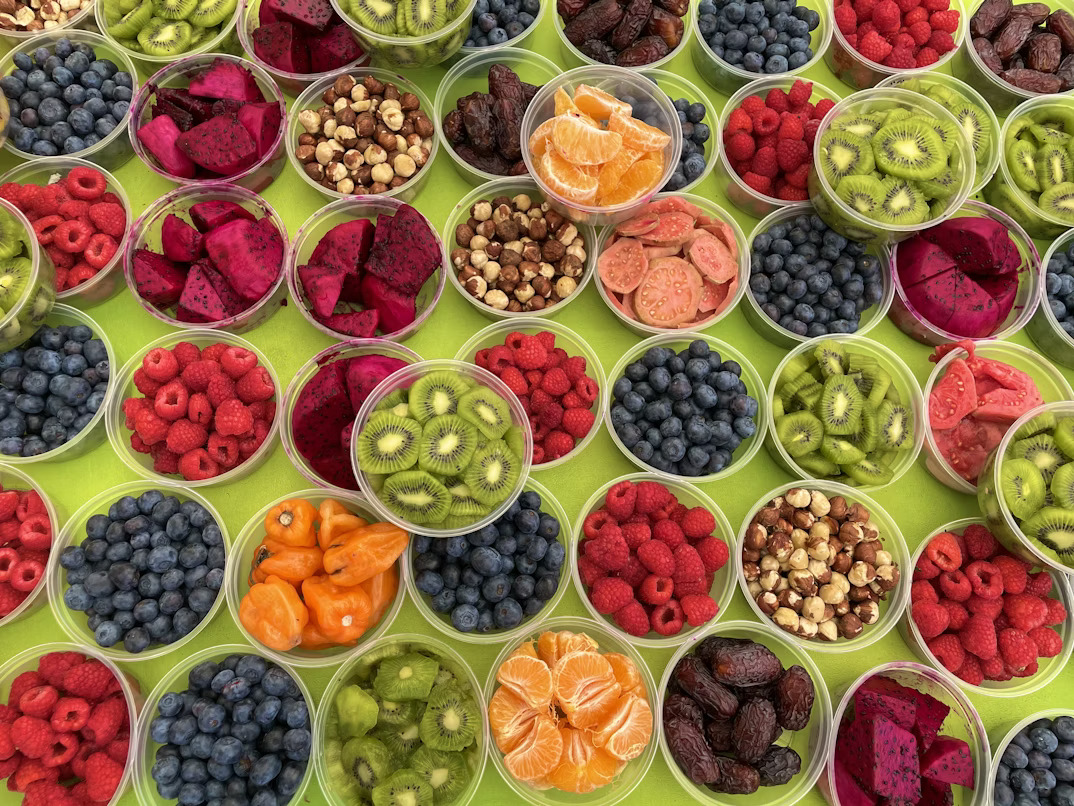
  • Benefits: High in protein (great for muscle preservation) and naturally sweet from antioxidant-rich berries.
  • Bonus: Also a good source of probiotics for gut health. 

Learn more about Greek yogurt benefits from RealSimple.com

3. Oatmeal with Cinnamon + Sliced Banana

  • Calories: ~180 
  • Benefits: Provides slow-release energy. Add cinnamon for blood sugar control. 
  • When it’s best: For 45+ minute walks or pre-run fuel.

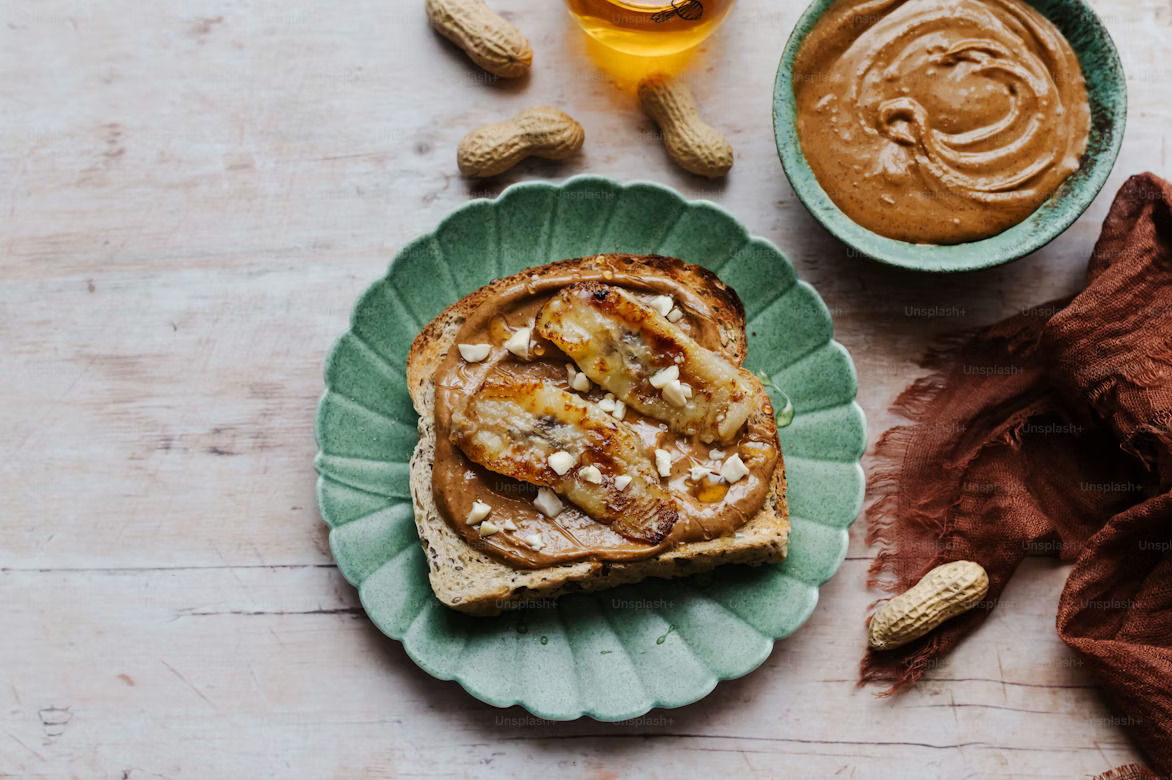
4. Whole-Grain Toast with Natural Peanut Butter

  • Calories: ~200 
  • Benefits: Balanced carbs and protein. Ideal if you’re going for a longer or more intense session. 
  • Caution: Stick to 1 tbsp PB to keep fats moderate. 

5. Hard-Boiled Egg + Small Apple

  • Calories: ~160 
  • Benefits: Quality protein + fast carbs. Great for energy + satiety without feeling heavy. 

6. Low-Fat Cottage Cheese with Pineapple

  • Calories: ~170 
  • Benefits: Casein protein digests slowly, keeping you full longer. Pineapple adds simple sugar and enzymes for digestion. 

Check out cottage cheese as a pre-workout food on onepeloton.com

7. Protein Shake + Half a Banana

  • Calories: ~180–220 
  • Benefits: Quick, no-prep option with complete amino acids. Add fruit for glucose replenishment. 
  • Tip: Choose a clean-label whey or vegan protein with under 3g of sugar. 

Hydration: Don’t Skip It

Before your walk, aim to drink at least 8–12 oz of water. You lose fluids overnight, and even mild dehydration can impact performance.

For longer sessions (over 60 minutes) or if you’re sweating heavily, consider a low-sugar electrolyte drink like:

Timing Your Meal: When to Eat Before Cardio

  • 30–60 minutes pre-walk: Ideal for light snacks (like toast, yogurt, or oatmeal). 
  • 15–30 minutes before: Choose fast-digesting options like fruit or half a shake. 
  • Less than 15 minutes: Stick to hydration only or a few sips of sports drink. 

Special Considerations Based on Your Goals

  • For Fat Loss: Keep it light. A banana, boiled egg, or low-calorie shake is enough. 
  • For Muscle Maintenance: Add protein pre- or post-walk (yogurt, eggs, shake). 
  • For Long Walks (60+ mins): Add salt and electrolytes to prevent cramps and energy crashes.

Common Mistakes to Avoid

  • Skipping the snack, then crashing halfway through
  • Choosing high-fiber or high-fat foods (like granola or nuts) too close to movement
  • Drinking sugary “energy drinks” instead of clean fuel
  • Eating too much too soon—causing sluggishness

Final Thoughts from a Nutritionist

Your morning walk isn’t just exercise—it’s a ritual that can energize your entire day. And what you eat before lacing up your sneakers matters.

A well-timed, nutrient-balanced snack enhances performance, supports metabolism, and helps you stay consistent—especially if your goal is long-term fat loss or better endurance.

Start with one of the options above, see how you feel, and refine from there. Every body is different, but one principle remains: fuel well, move well, feel well.

This article is for educational purposes only and not a substitute for personalized medical or nutritional advice. Always consult a registered dietitian or licensed healthcare provider before making major changes to your exercise or nutrition routine.

8 No-Cook Summer Meals for Effortless Weight Loss

Quick Take 

  • Beat the summer heat with easy, no-cook meals designed to support your weight loss goals.
  • This guide provides dietitian-approved recipes that leverage seasonal, water-rich produce to boost hydration and satiety.
  • You’ll also find practical tips for navigating summer BBQs and mastering portion control, making healthy eating effortless and enjoyable all season long.

Beat the Heat, Not Your Goals

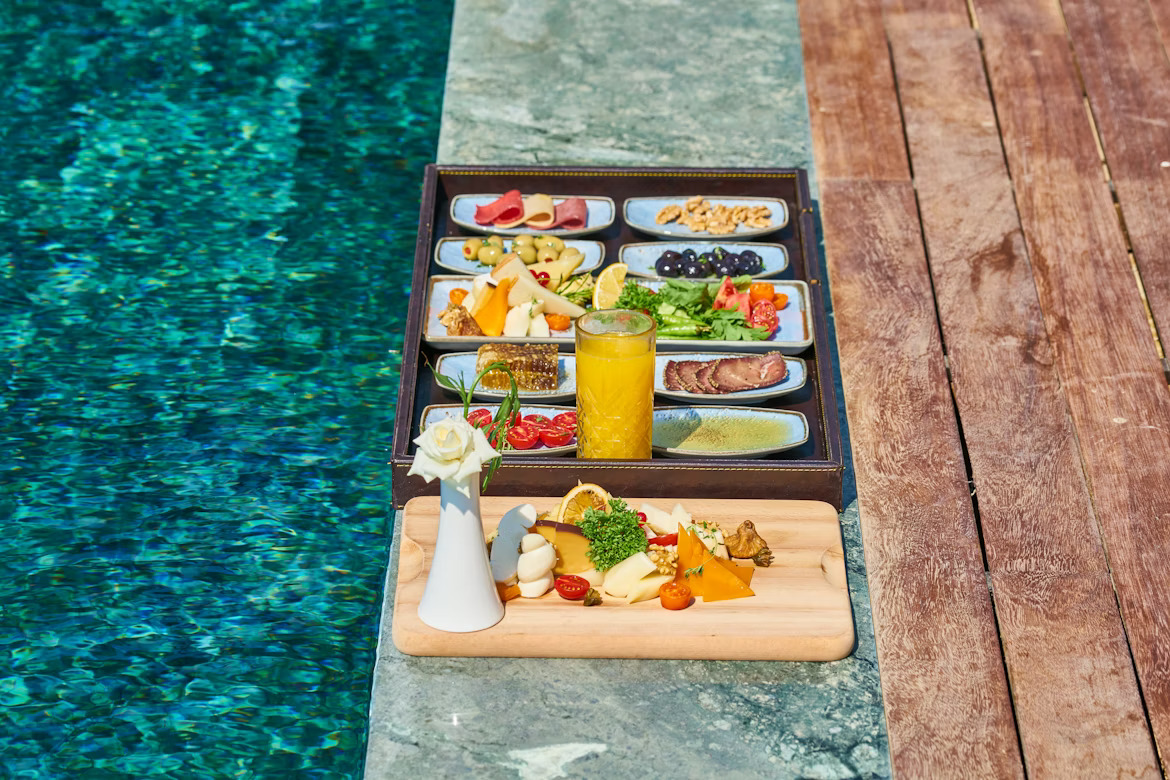
The summer sun is finally here, but with it comes a familiar paradox: a craving for fresh, vibrant food and zero desire to stand over a sizzling stove. The very thought of turning on the oven can make a heatwave feel ten degrees hotter, leaving you searching for meal ideas that are both satisfying and simple to prepare.

However, summer is actually the perfect season to support your weight management journey. The longer days often encourage more physical activity, and local markets are overflowing with an abundance of fresh, nutrient-dense fruits and vegetables. This natural shift toward a more active lifestyle and whole-food eating creates an ideal environment for achieving your health goals.

This article provides a solution to the summer cooking dilemma. We’ve teamed up with registered dietitians to reveal eight delicious, no-cook meal ideas. Each one is designed to be flavorful, satisfying, and perfectly aligned with your weight loss goals, allowing you to enjoy the season to its fullest without the heat of the kitchen.

Why Summer is Your Secret Weapon for Weight Loss

Summer naturally nudges us toward healthier habits. The season itself provides a powerful advantage for anyone looking to eat cleaner and manage their weight effectively. As wellness expert Amy Shapiro, MS, RD, explains:

“Seasonal produce is at its peak and our bodies naturally crave hydration.”

This craving for hydration leads us to water-rich foods like melons, cucumbers, and berries, which are naturally low in calories but high in volume. Eating these seasonal foods helps boost satiety, making you feel fuller on fewer calories and reducing the likelihood of overeating. This dietary shift perfectly complements a more active summer lifestyle, creating a powerful combination for sustainable weight management. All meal ideas shared below were curated with registered dietitians to maximize these seasonal benefits.

8 Deliciously Simple No-Cook Meals

1. Watermelon, Feta & Mint Salad (~220 calories)

This salty-sweet salad delivers peak hydration and refreshment on the hottest summer days.

  • Add arugula or spinach for extra volume and fiber.

2. Greek Yogurt Parfait with Berries & Seeds (~250 calories)

This meal is packed with protein to promote fullness and antioxidants from fresh berries.

  • Sprinkle with chia or hemp seeds for a boost of omega-3s and better satiety.

3. Chilled Lentil & Cucumber Bowl (~280 calories)

This refreshing bowl delivers a powerful dose of plant-based protein and fiber to keep you satisfied for hours.

  • Add goat cheese or olives for an extra layer of flavor.

4. Avocado-Stuffed Tomatoes (~240 calories for 2 halves)

Enjoy a creamy, nutrient-dense meal that provides satisfying healthy fats without any cooking.

  • Mix in chickpeas or canned salmon for added protein.

5. Cold Zucchini Noodle Salad with Pesto (~275 calories)

Spiralized zucchini “zoodles” tossed in pesto make a light, flavorful meal that mimics pasta without the carbs.

  • Add grilled shrimp or shredded rotisserie chicken to increase the protein content.

6. Tuna-Stuffed Avocados (~310 calories for 1 avocado)

This simple lunch delivers a powerful dose of omega-3s and lean protein to keep you full and focused all afternoon.

  • Combine canned tuna with Greek yogurt, mustard, and herbs instead of mayo for a healthier base.

7. Berry Spinach Smoothie Bowl (~290 calories)

Start your day with this nutrient-packed smoothie bowl, designed for refreshing energy and satisfaction.

  • Top with a small amount of granola, coconut flakes, or seeds for texture.

8. No-Cook Wraps with Hummus and Veggies (~260 calories)

This quick, fiber-rich wrap is the perfect grab-and-go lunch to keep you fueled on busy summer days.

  • Swap hummus for an edamame spread to add extra protein.

The Hydration-Hunger Connection: Are You Thirsty or Hungry?

Staying hydrated is critical for appetite control, especially during hot summer months. The body’s signals for thirst and hunger are often very similar, and it’s easy to mistake one for the other. According to Dr. Dana Hunnes, PhD, MPH, RD, this confusion can lead to unnecessary snacking when what your body really needs is water.

Incorporating water-rich foods into your meals is an effective strategy to stay hydrated and manage hunger.

Top Hydrating Foods to Add to Your Plate

  • Cucumbers
  • Melons
  • Celery
  • Leafy greens
  • Berries
  • Citrus fruits

Additionally, be mindful of your beverage choices. Skip sugary drinks like sweet tea and soda, which can add significant empty calories. Instead, opt for sparkling water with a splash of lemon or a few mint leaves for a refreshing, calorie-free alternative. By focusing on hydration, you can better manage your appetite and support your goals for sustainable fat loss.

How to Navigate Summer BBQs Without Derailing Your Progress

Summer social events like BBQs are meant to be enjoyed, and you can participate without compromising your health goals. A little planning is all it takes to navigate these gatherings confidently.

Here is a simple guide to enjoying summer BBQs while staying on track:

  • Load up on veggies first. Fill half your plate with grilled vegetables or fresh salads. This not only fills you with fiber but also boosts your hydration, helping you better distinguish between thirst and hunger—a key theme we discussed earlier.
  • Choose lean proteins. Opt for grilled chicken or shrimp instead of processed meats like hot dogs or fatty burgers.
  • Use mustard instead of mayo. Mustard is a low-calorie, high-flavor alternative to mayonnaise-based sauces and dressings.
  • Skip creamy side dishes. Dishes like potato salad or coleslaw are often loaded with calories and fat. If you’re not sure how they were made, it’s best to pass.
  • Bring your own healthy dish. To ensure there’s a goal-friendly option available, bring a large quinoa salad to share.

Beyond the Ingredients: The Power of Portion Control

The no-cook meals in this guide are nutrient-rich and designed for weight loss, but portion control remains a fundamental principle of healthy eating. Even healthy foods contain calories, and overeating them can stall your progress.

Keep these simple portion control tips in mind:

  • Use smaller plates. A smaller plate can make a standard portion look more substantial, helping you feel satisfied with less food.
  • Pre-portion snacks. Instead of eating directly from a large bag or container, portion out snacks into small bowls or bags.
  • Avoid grazing. Mindless eating or grazing throughout the day can lead to a significant calorie surplus. Stick to planned meals and snacks.
  • Limit liquid calories. Be mindful of calories from sugary drinks, juices, and alcohol, as they can add up quickly without contributing to fullness.

Consistency is Your Key to Summer Success

Achieving your weight loss goals this summer doesn’t require a rigid, restrictive diet. The key is to shift your focus toward light, hydrating, and satisfying whole-food meals that are naturally lower in calories and rich in essential nutrients. By embracing the simplicity and flavor of no-cook recipes, you can make healthy eating feel effortless and enjoyable. Ultimately, consistency with habits that you genuinely enjoy is the true driver of long-term success.

Ready to explore more science-backed strategies for sustainable fat loss? Visit BeeFit.ai for custom meal plans, smart tools, and expert advice.

Frequently Asked Questions

What makes summer a good time for weight loss? Summer is an ideal time for weight loss due to the abundance of fresh, seasonal produce that is naturally hydrating and low in calories. Additionally, people tend to be more physically active during the longer, warmer days, which complements a healthier diet.

Can I add more protein to these no-cook meals? Yes. Many of the meals include tips for adding protein, such as mixing canned salmon into avocado-stuffed tomatoes, adding grilled shrimp or rotisserie chicken to zucchini noodle salad, or using an edamame spread in wraps.

Why is hydration so important for managing weight? Hydration is crucial because the body often mistakes thirst for hunger. Staying well-hydrated can prevent unnecessary snacking and help you better manage your appetite. Eating water-rich foods like melons and cucumbers contributes to overall hydration.

Are these meals enough to keep me full? Yes, these meals are designed for satisfaction. For instance, the Watermelon Salad includes feta for protein, the Greek Yogurt Parfait promotes fullness, and the Chilled Lentil Bowl is high in plant-based protein and fiber.

This article is for educational purposes only. It is not intended to replace personalized medical or nutritional advice. Always consult a qualified professional before making changes to your diet or health routine.

Alcohol vs. Your Fitness Goals: What You Need to Know

Quick Take

  • Alcohol disrupts recovery, lowers performance, and hinders fat loss. 
  • It impacts sleep quality, hormone production, and muscle protein synthesis. 
  • If you must drink, go for a low-calorie, low-sugar option like a light beer or vodka soda. 
  • The best strategy? Limit intake, time it wisely, and understand how it fits into your overall fitness plan.

Let’s be real: most of us enjoy a drink now and then. A cold beer after a long week. A glass of wine at dinner. Maybe something stronger on vacation. But if you’re serious about training, fat loss, or building muscle, alcohol isn’t doing you any favors.

Here’s what’s really going on behind that buzz—and what you can do if you’re not ready to cut it out completely.

How Alcohol Affects Your Body and Fitness

1. It Disrupts Recovery

Alcohol impairs muscle protein synthesis, the process your body uses to rebuild and grow muscle after a workout. In a study published in PLOS ONE, researchers found that alcohol consumption significantly reduced muscle recovery—even when participants consumed protein afterward.

Translation: all that hard work in the gym? Alcohol delays the payoff.

2. It Sabotages Fat Loss

Alcohol contains 7 calories per gram—almost as much as fat (9 cal/g) and more than protein or carbs (both 4 cal/g). These are empty calories—no vitamins, no minerals, no real benefit. Worse, alcohol suppresses your body’s ability to burn fat. According to research in the American Journal of Clinical Nutrition, when alcohol is present, your body prioritizes metabolizing it instead of fat or carbs.

So if you’re in a calorie deficit trying to lose fat, alcohol makes it harder to stay on track.

3. It Wrecks Your Sleep

You might think alcohol helps you sleep—but the quality is trash. It reduces REM sleep (the restorative kind), increases wakefulness, and disrupts recovery hormones like growth hormone and testosterone.

Poor sleep = reduced energy, weaker workouts, higher cravings, and slower results.

4. It Increases Cravings

Alcohol lowers inhibitions and makes that 2 a.m. fast-food run feel justified. It boosts hunger hormone ghrelin and impairs decision-making. One drink often leads to 800+ “accidental” calories that have nothing to do with your macros.

That’s not just anecdotal—it’s science. A 2017 study from the Obesity Journal showed that even moderate alcohol intake is associated with increased caloric intake from high-fat, salty foods. [1]

5. It Lowers Testosterone

Even moderate drinking can reduce testosterone levels, which affects everything from fat metabolism to muscle development and libido. A 2019 meta-analysis published in Andrology found that alcohol negatively impacts reproductive hormones in men. [2]

And if you’re a woman, alcohol can still negatively affect estrogen levels and increase cortisol, your stress hormone.

So… Is All Alcohol Off Limits?

Not necessarily. Life is about balance. But if your fitness goals matter, you’ve got to make smart choices. Here’s how to drink with minimal damage: 

Let’s be honest—not everyone is giving up alcohol completely. And you don’t have to. But not all drinks are created equal, especially if you’re watching calories, sugar, or inflammation. Below are the best options if you want to enjoy a drink with minimal impact on your fitness goals—plus the science to back it.

Vodka Soda with Lime

Calories: ~65–75 per 1.5 oz shot of vodka + soda
Sugar/Carbs: 0g sugar / 0g carbs (unflavored)

Why it’s a smart pick:

  • Vodka is distilled and contains no carbs, fat, or sugar when consumed neat or with soda water. 
  • Adding fresh lime juice gives flavor without loading on calories or added sugars. 
  • Because it’s a high-proof spirit diluted with water, you stay hydrated longer compared to sugary mixed drinks. 

According to the USDA, 1.5 oz of 80-proof vodka has 96 calories—so if you go slightly under that with a single pour, you can land in the 65–75 range.
USDA Nutrient Database – Vodka

Light Beer

Calories: ~90–100 per 12 oz
Carbs: 2–6g

Why it’s a smart pick:

  • Designed to be lower in alcohol and calories than standard beer (which can contain 150–300+ calories). 
  • Brands like Michelob Ultra, Bud Light, and Miller Lite all fall under 100 calories. 
  • Craft beers, especially IPAs, can hit 250+ calories per pint, mostly from higher ABV and residual sugars. 

Alcohol by volume (ABV) matters here. The higher the ABV, the more calories. Light beers are generally 4% ABV or less, which saves calories without sacrificing the beer experience.

NIH Calorie Guide – Alcohol

Dry Red or White Wine

Calories: ~120 per 5 oz
Sugar: ~1g per glass (dry varieties)

Why it’s a smart pick:

  • Dry wines like Cabernet Sauvignon, Pinot Noir, Chardonnay, and Sauvignon Blanc have very little residual sugar. 
  • Avoid sweet wines like Moscato or Riesling, which can have up to 7–9g of sugar per glass
  • Red wine offers polyphenols like resveratrol, which may have heart-health benefits when consumed in moderation. [Harvard Health Review

Stick to 5 oz. A “generous pour” at home or restaurants often exceeds that, pushing calorie intake up fast.

USDA Nutrient Database – Wine

Tequila (Neat or with Soda Water)

Calories: ~70–90 per 1.5 oz
Carbs/Sugar: 0g sugar, 0g carbs

Why it’s a smart pick:

  • 100% agave tequila is naturally low in calories and has no additives—assuming it’s not mixed with sugary syrups or juices. 
  • Anecdotal reports (and some small studies) suggest that tequila may cause fewer hangover symptoms due to lower levels of congeners (impurities formed during fermentation), compared to darker liquors like bourbon or rum.

Stick to blanco or silver tequila. Avoid pre-mixed margaritas or flavored brands, which often pack 300–500 calories and 30g+ of sugar per serving.

When to Drink (If You Do)

  • Avoid drinking on training days: It messes with recovery and hydration. 
  • Don’t drink post-workout: You’re blunting the muscle-repair process. 
  • Drink with food: It slows alcohol absorption and stabilizes blood sugar. 
  • Hydrate: Follow every alcoholic drink with a glass of water. 

The Bottom Line

Alcohol won’t make or break your fitness journey overnight, but it absolutely impacts your results. If you’re training hard, eating clean, and wondering why progress is slow—alcohol could be the culprit.

If you’re going to drink, do it strategically. Make it fit your goals, not fight against them.

And if you want one go-to option? Vodka soda with lime. It’s low in calories, sugar-free, and doesn’t ruin your diet (if you stop at one).

Want more straight-talking fitness and nutrition tips like this?
Subscribe to the BeeFit Blog for real-world, research-backed strategies that fit your lifestyle.

This content is for educational purposes only and is not medical advice. Always consult a healthcare professional before making decisions about alcohol or diet—especially if you have pre-existing conditions.

Fruit and Weight Loss: Does Sugar in Fruit Make You Fat?

Quick Take

  • Whole fruit consumption is associated with weight maintenance or modest weight loss in controlled trials, not weight gain as commonly feared.
  • Fiber, water, and nutrients in whole fruit slow sugar absorption and increase satiety, preventing the blood sugar spikes caused by refined sugars.
  • Fruit juice removes beneficial fiber and concentrates sugar, creating a high-calorie beverage that behaves metabolically like added sugar in the body.
  • Research consistently shows that eating more whole fruit is linked to lower body weight and reduced obesity risk when displacing processed foods.

Why Fruit Got Unfairly Demonized

Are you avoiding fruit because you’re worried about sugar? You’re not alone. Low-carb diet trends have convinced millions that an apple is as bad as a candy bar because both contain sugar.

This fear stems from misunderstanding how the body processes sugar in different contexts. While refined sugar consumption clearly correlates with obesity and metabolic disease, research tells a completely different story about whole fruit.

The fitness industry profits from confusion by categorizing all sugars together while ignoring the massive differences between a strawberry and a soda. Let’s examine what clinical evidence actually reveals about fruit consumption and body weight.

Is the Sugar in Fruit the Same as Added Sugar?

No. Fruit sugar arrives packaged with fiber, water, vitamins, minerals, and phytonutrients that fundamentally change how your body processes it compared to refined sugar.

When you eat whole fruit, the fiber matrix slows digestion and glucose absorption. This creates a gradual blood sugar rise rather than the spike-and-crash pattern from candy or soda. Additionally, the fiber triggers satiety hormones that signal fullness.

“Whole fruits are typically low in calories and high in satiety-promoting fiber and water, helping you feel full and satisfied on fewer calories compared to foods with added sugars.” (2019, Systematic review in Frontiers in Nutrition) 


Refined sugar lacks these protective components. It’s rapidly absorbed, spikes insulin, and provides calories without satiety. This fundamental difference explains why research consistently links added sugar to obesity while showing the opposite pattern for whole fruit.

Your Application:

  • Choose whole fruits with skin intact whenever possible to maximize fiber content
  • Eat fruit as part of meals or with protein/fat to further slow sugar absorption
  • Avoid comparing fruit to refined sugar products when making dietary decisions

Does Eating More Fruit Actually Cause Weight Gain?

No. Systematic reviews of randomized controlled trials show that increasing whole fruit consumption promotes weight maintenance or modest weight loss over periods of 3-24 weeks, not weight gain.

The counterintuitive finding is that adding fruit to your diet often reduces total calorie intake. Fruit’s high water and fiber content creates volume that fills your stomach while delivering relatively few calories per serving.

“RCTs suggest that increasing whole, fresh fruit consumption promotes weight maintenance or modest weight loss over periods of 3-24 weeks with moderate certainty of evidence.” (2019, Systematic review analyzing multiple randomized controlled trials) 


This effect strengthens when fruit replaces high-calorie processed foods. A medium apple provides 95 calories with 4 grams fiber. A typical granola bar delivers 200+ calories with minimal fiber and added sugars.

Your Application:

  • Use fruit to replace high-calorie snacks like chips, cookies, or candy bars
  • Don’t restrict fruit intake out of fear when trying to lose weight
  • Track total daily calories rather than fixating on natural fruit sugar content

Can High Fruit Intake Help With Weight Loss?

Yes, particularly for people with overweight or obesity. Limited evidence suggests that high fruit intake may promote weight loss when it displaces more energy-dense foods.

A comprehensive review of women specifically found that increased fruit intake was strongly associated with long-term weight stability or loss. Interestingly, fruit showed stronger associations than vegetables, possibly due to its natural sweetness making it an easier substitute for desserts.

“Consistent evidence from prospective studies and RCTs shows that increased intake of fruit is a chief contributor to weight loss in women, especially when paired with restriction of high-energy-density foods.” (2020, Comprehensive review in Nutrients) 


The mechanism involves displacement. When you choose an apple instead of ice cream or berries instead of cookies, you satisfy sweet cravings while consuming fewer calories and more nutrients.

Your Application:

  • Aim for 2-3 servings of whole fruit daily as part of a balanced diet
  • Use fruit as your primary sweet treat, especially when craving desserts
  • Combine fruit with protein (Greek yogurt, nuts) for maximum satiety between meals

Why Is Fruit Juice Problematic for Weight Loss?

Fruit juice removes the beneficial fiber while concentrating sugar and calories, creating a beverage that behaves metabolically similar to soda despite its “healthy” reputation.

The juicing process physically separates juice from pulp, eliminating most fiber. What remains is liquid sugar that’s rapidly absorbed without triggering satiety. You can drink 300 calories of orange juice in seconds without feeling full.

Research comparing whole fruit to juice consistently shows different metabolic effects. Juice consumption associates with weight gain while whole fruit consumption associates with weight loss or stability.

Even 100% juice with no added sugar contains the natural sugar equivalent of multiple fruits without the fiber that would slow absorption or create fullness.

Your Application:

  • Eliminate fruit juice from your diet when pursuing weight loss goals
  • If consuming juice, limit to 4 oz portions and pair with protein/fat sources
  • Always choose whole fruit over juice when given the option

Which Fruits Are Best for Weight Loss Goals?

Berries, apples, grapefruit, kiwi, and watermelon offer the best combination of high fiber, high water content, and low calorie density for supporting fat loss efforts.

These fruits provide substantial volume and satiety relative to their calorie content. Berries contain particularly high levels of polyphenols and fiber for their sugar content. Apples deliver pectin, a soluble fiber that supports gut health and satiety.

A cup of strawberries contains approximately 50 calories and 3 grams fiber. A cup of blueberries delivers 85 calories with 4 grams fiber. Compare this to dried fruit where a cup of raisins contains 434 calories.

Grapefruit deserves special mention. Some studies suggest it may help lower insulin levels independent of weight loss, though this requires more research to confirm mechanisms.

Your Application:

  • Prioritize berries, apples, grapefruit, kiwi, and citrus fruits when actively pursuing fat loss
  • Limit dried fruits which concentrate calories and are easy to overconsume
  • Moderate intake of higher-sugar fruits like mangoes, bananas, and grapes to 1 serving daily

Should You Eat Fruit Post-Workout for Recovery?

Yes. Post-workout is an ideal time to consume fruit because your muscles are primed to absorb and use its natural sugars for glycogen replenishment without promoting fat storage.

During the post-exercise window, your muscles become highly insulin-sensitive. The glucose from fruit preferentially shuttles into muscle cells rather than fat cells, supporting recovery without negative metabolic consequences.

Pairing fruit with protein post-workout creates an optimal recovery combination. The carbohydrates from fruit replenish glycogen while protein supports muscle repair and synthesis.

This timing strategy allows you to benefit from fruit’s nutrients while minimizing any theoretical concerns about sugar intake during less metabolically active periods.

Your Application:

  • Consume 1-2 servings of fruit within 1-2 hours post-workout alongside protein
  • Choose faster-digesting fruits like bananas, berries, or melon for this window
  • Pair fruit with Greek yogurt, protein powder, or eggs for complete recovery nutrition

FAQ: Your Fruit and Weight Loss Questions, Answered

Q: Can I eat too much fruit if I’m trying to lose weight?
A: Yes, though it’s difficult. Fruit still contains calories, and extreme consumption could create a calorie surplus. However, fruit’s high fiber and water content make overeating challenging. Most people would need to consume 8-10+ servings daily while also eating substantial other foods to gain weight from fruit alone.

Q: Are smoothies as good as whole fruit for weight loss?
A: It depends on ingredients. Smoothies made with whole fruits, vegetables, protein, and healthy fats can support weight loss. However, those based on fruit juice or containing excessive fruit (3+ servings) become calorie-dense. Blending doesn’t remove fiber like juicing, but liquid calories are less satiating than solid food.

Q: What about dried fruit? Is it as healthy as fresh?
A: Dried fruit removes water, concentrating calories and making overconsumption easy. A cup of grapes contains about 100 calories while a cup of raisins has 434 calories. Dried fruit isn’t bad, but it should be consumed in small portions (1-2 tablespoons) rather than by the handful.

Q: Which fruits should I avoid if I want to lose weight?
A: You don’t need to avoid any whole fruits. However, limiting dried fruits and being mindful of portion sizes with higher-calorie options like bananas, mangoes, and grapes makes sense. The key is total daily calorie balance, not eliminating specific fruits.

Q: Can fruit consumption prevent me from entering ketosis?
A: Yes. Most fruits contain enough carbohydrates to prevent or interrupt ketosis. If following a ketogenic diet, limit fruit to small portions of berries (the lowest-carb option). However, for non-ketogenic weight loss approaches, fruit consumption supports rather than hinders fat loss.

Choose Whole Fruit With Confidence

Research consistently demonstrates that whole fruit consumption supports weight management rather than sabotaging it. The fear of fruit based on sugar content ignores the protective effects of fiber, water, and nutrients.

Focus on eating 2-4 servings of whole fruit daily, prioritizing berries and other low-calorie-density options when actively pursuing fat loss. Use fruit to displace processed foods and satisfy sweet cravings within your calorie targets.

For evidence-based guidance on structuring a complete nutrition plan that includes fruit strategically, explore our macronutrient breakdown guide at BeeFit.ai. You can also check out our analysis of blood sugar management and how different carbohydrate sources affect energy and satiety throughout the day.

This article is for informational purposes only and is not a substitute for professional medical advice, diagnosis, or treatment. Always consult with a qualified healthcare provider before starting any new exercise or nutrition program.

Pre and Post Workout Meals That Boost Energy and Recovery

Quick Take

  • Eating a mix of protein and carbs 30–90 minutes before training boosts energy, focus, and performance.
  • Post-workout meals help muscle repair and glycogen replenishment—key for recovery and long-term progress.
  • The “anabolic window” isn’t a 30-minute emergency—it’s more like a 2-hour opportunity.
  • Weight loss? Keep pre-workout light and post-workout lean. Muscle gain? Fuel both sides.
  • Meal timing is a performance tool—not just about eating, but eating smart

Why What (and When) You Eat Around Workouts Actually Matters

If you’re crushing your workouts but feel gassed halfway through—or still sore three days later—your pre and post-workout meals might be the issue.

Training is stress. Food is the recovery plan. When you dial in the timing and content of your meals, you get:

  • More energy during workouts 
  • Better muscle repair after 
  • Reduced soreness and fatigue 
  • Improved strength and body composition over time 

And yes—science backs this up. In a review published in Nutrients, researchers noted that both macronutrient composition and timing can improve adaptation to resistance training (source).

Pre-Workout Nutrition: What to Eat Before You Train

When Should You Eat?

Most people do best eating 30–90 minutes before training. That gives you time to digest while still supplying your muscles with fuel.

Too close to the workout, and you risk bloating or sluggishness. Too early, and you’re running on empty halfway through.

What Should You Eat?

Think carbs and protein. Carbs give your body immediate energy (via glycogen), and protein starts prepping your muscles for recovery before you even finish your session.

Avoid high-fat or high-fiber foods pre-workout—they slow digestion and can cause discomfort when you’re under a barbell or mid-sprint.

Example macro targets for a pre-workout snack:

  • 30–60g carbs 
  • 10–20g protein 
  • Low fat (~5g or less)

Smart Pre-Workout Meal Ideas

  • 1 slice whole-grain toast + peanut butter + banana 
  • Greek yogurt + berries + drizzle of honey 
  • Protein shake + oats + almond milk + half a banana 
  • Rice cake + turkey breast + a few baby carrots 

Got 30 minutes? Go smaller. Got 90 minutes? You can eat more.

Also, don’t forget hydration. Even mild dehydration can tank performance (source).

Post-Workout Nutrition: Recovery Starts Now

Is the “Anabolic Window” Real?

You’ve probably heard you must eat within 30 minutes after your workout or your muscles will start eating themselves. That’s not exactly true.

The current consensus: you should eat within 1–2 hours post-training, especially if you didn’t eat much before. Your body stays primed for muscle repair and glycogen restoration for several hours after a session.

This isn’t about panic—it’s about consistency.

“The post-exercise period represents a critical time to ingest nutrients that influence the muscle remodeling process.”
– Journal of the International Society of Sports Nutrition (source)
What to Eat After Training

Your goal: restore glycogen and stimulate muscle protein synthesis. That means protein + carbs, again. You can (and should) eat some fat now too—it won’t hurt recovery, and it can keep you full longer.

Recommended macros for post-workout:

  • 20–40g protein 
  • 40–70g carbs 
  • Moderate healthy fats (10–20g) 

Great Post-Workout Meal Options

  • Grilled chicken + white rice + broccoli + olive oil drizzle 
  • Salmon + sweet potato + spinach salad with avocado 
  • Scrambled eggs + whole wheat toast + fruit 
  • Protein shake + oats + peanut butter + blueberries 

If you’re short on time, a protein shake and banana can hold you over until a full meal.

Nutrition Strategies: Weight Loss vs Muscle Gain

How you eat around your workouts should reflect your bigger goal. Here’s how to tailor your approach:

If You’re Training for Fat Loss

  • Pre-workout: Go light. You want energy, not a full stomach. Try a small carb and maybe caffeine (like coffee + banana). 
  • Post-workout: Don’t skip. Protein + veggies + a moderate carb source helps with recovery without wrecking your calorie deficit. 

Pro tip: Stay away from high-calorie “reward meals” after training. That’s how you undo your hard work.

If You’re Training for Muscle Gain

  • Pre-workout: You need fuel. Eat a balanced carb + protein meal and don’t train hungry. 
  • Post-workout: Go big. You need calories, protein, and carbs to drive muscle protein synthesis and recovery. 

Muscle growth happens in recovery, not during the workout. If you’re under-eating post-training, your gains will stall—period.

Timing Based on When You Train

Morning Workouts

  • Pre: You might not feel like eating, but a banana, toast, or small shake goes a long way. 
  • Post: Breakfast is now your recovery meal—eggs, oats, fruit, and coffee is a winning combo. 

Evening Workouts

  • Pre: Your lunch matters. Make sure it has carbs + protein (think: chicken sandwich or grain bowl). Snack 1–2 hours before if needed. 
  • Post: Don’t skip dinner—go high protein, moderate carb. Something like steak + rice + salad works great. 

Fasted Training (if you do it)

  • Not ideal for strength or hypertrophy. 
  • If you insist: sip BCAAs or EAA during your session. 
  • Your post-workout meal becomes mission-critical: aim for 30–40g protein and solid carbs within 30 minutes. 

How to Stay Consistent Without Overthinking

You don’t need a spreadsheet. You just need a routine that fits your lifestyle:

  • Pick 2–3 go-to meals for pre and post-workout. Rotate them. 
  • Set timers or reminders if you forget to eat. 
  • Use protein shakes as tools, not crutches. 
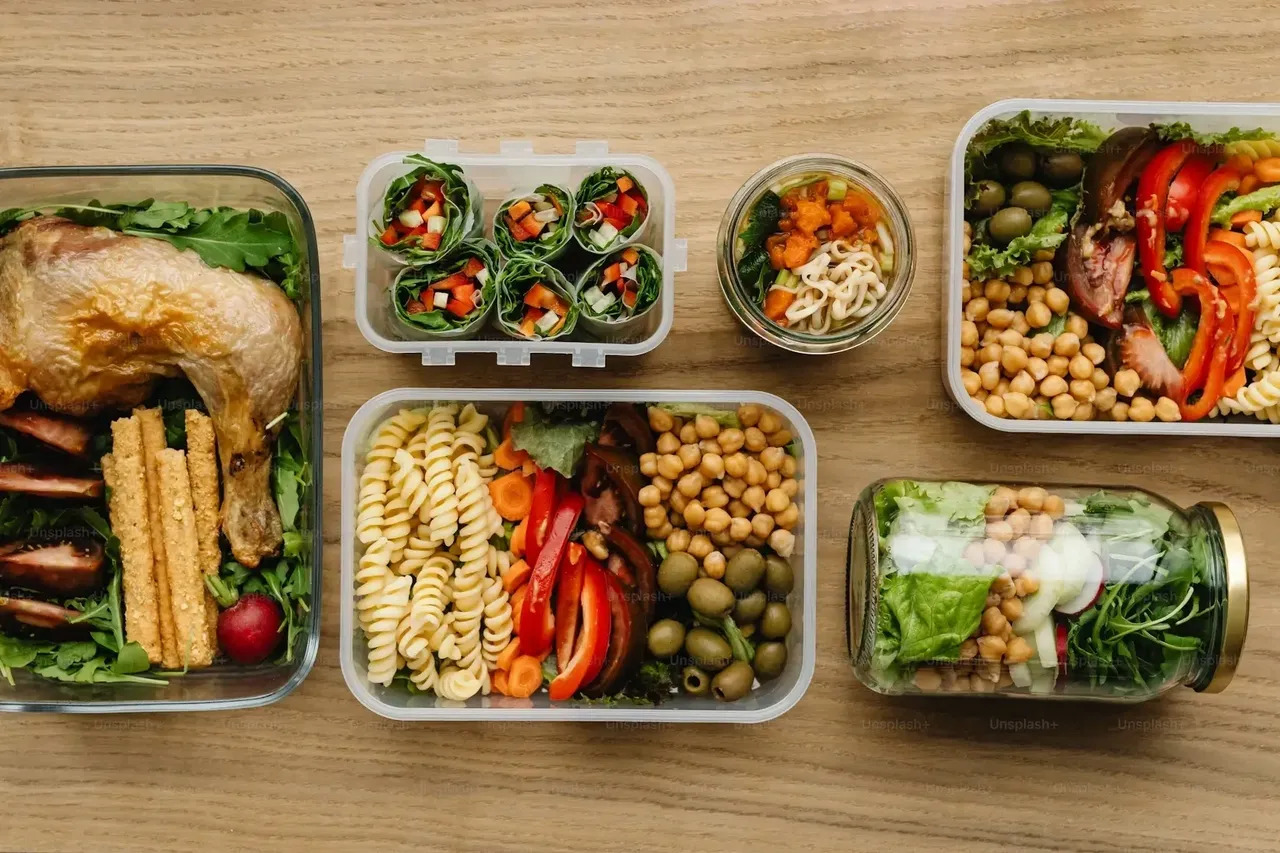
  • Cook in bulk: grill protein, prep grains, and freeze meals if time is tight. 

Staying consistent 80% of the time beats being perfect 10% of the time.

Make Food Part of Your Training Strategy

You’re not eating just to not be hungry. You’re eating to train better, recover faster, and progress. Pre- and post-workout meals aren’t bonus content—they’re the second half of the workout.  

Make Food Part of Your Training Strategy,  train better, recover faster, and progress
Pre-Workout Vs Post-Workout Meals

The Bottom Line

Smart workout nutrition isn’t about chasing trends or overthinking timing windows. It’s about fueling with purpose.

  • Pre-workout meals give you energy, focus, and better output. 
  • Post-workout meals speed up recovery, boost muscle growth, and make your training count.
  • Consistency—not perfection—gets results. 

Start with a banana and a scoop of whey. End with grilled chicken and rice. Nail the basics, and the progress follows.

Your gains don’t just come from the gym. They come from the plate.

This article is for educational purposes only and does not constitute medical or dietary advice. Always consult with a certified trainer, dietitian, or healthcare professional before making major changes to your nutrition or fitness routine.

The BBQ Saboteurs: How Your Side Dishes Secretly Derail Your Diet

Quick Take

  • The average summer BBQ plate contains over 800 hidden calories in side dishes alone, primarily from sugar, refined carbs, and industrial seed oils.
  • Strategic swaps can reduce side dish calories by 50-70% while simultaneously increasing fiber, protein, and essential nutrients by 300%.
  • Traditional sides like potato salad and baked beans create a physiological “crash” cycle of inflammation and fatigue that lasts for hours post-meal.
  • Upgrading just one or two key sides is scientifically more effective for long-term adherence than attempting a complete dietary overhaul during social events.

Imagine this: You’ve committed to a summer of healthier eating. You choose a lean grilled chicken breast at the cookout, skip the bun, and feel virtuous. Then, almost without thinking, you add a scoop of potato salad, a helping of baked beans, and a buttery cornbread muffin to your plate. In those three innocent-looking side dishes, you’ve just consumed more calories, refined carbohydrates, and inflammatory fats than in the chicken breast itself often exceeding 800 calories before you’ve taken a single bite of dessert.

This isn’t about a lack of willpower; it’s a environmental and biochemical trap. The modern barbecue spread is a masterclass in hyper-palatable engineering, designed to bypass our satiety signals. At BeeFit.ai, we analyze the data behind the plate. The uncomfortable truth is that for most people, the primary obstacle to summer wellness isn’t the grill—it’s the side table. This article dismantles the nutritional myths of classic cookout fare and provides a revolutionary, evidence-based framework for rebuilding your plate from the sidelines up, ensuring your next gathering fuels your energy rather than sabotaging it.

The Hidden Chemistry of a Classic Cookout Plate

To understand why we need to change our approach, we must first dissect what’s actually on our plates. Let’s break down the standard offerings:

  • Creamy Potato Salad (1 cup): ≈ 360 calories, 20g fat (3g saturated), 5g sugar, 2g fiber, 4g protein. The primary ingredients are potatoes (high glycemic index), mayonnaise (typically made with inflammatory soybean or canola oil), and often added sugar.
  • Sweet Baked Beans (1 cup): ≈ 380 calories, 1g fat, 24g sugar (often from brown sugar and molasses), 10g fiber, 12g protein. While beans provide protein and fiber, the sugar content is staggering—equivalent to 6 teaspoons of added sugar.
  • Macaroni Salad (1 cup): ≈ 370 calories, 22g fat, 4g sugar, 2g fiber, 7g protein. Another combination of refined pasta and oily dressing.

The Cumulative Effect: A moderate plate with these three sides alone delivers over 1,100 calories, primarily from refined carbohydrates and fats. This macronutrient profile triggers a rapid spike in blood glucose, followed by a significant insulin release. The resulting crash—often felt as fatigue, brain fog, and renewed hunger within 90 minutes—is not a matter of being “overfull”; it’s a direct hormonal response.

A 2018 study in The Journal of Nutrition highlighted that meals high in refined carbs and saturated fats promote a postprandial inflammatory state, increasing cytokines like IL-6, which is directly linked to feelings of fatigue and lethargy. This is the scientific explanation for the “food coma.”

Furthermore, these sides are virtually devoid of the micronutrients—vitamins, minerals, phytonutrients—that your body uses to manage metabolism, repair tissue, and fight oxidative stress. You consume an excess of energy but a deficit of the tools needed to process it effectively.

The Strategic Upgrade Framework: Rethinking the Side Dish

Moving beyond simple recipe swaps requires a new mental model. We must stop viewing side dishes as mere accompaniments and start viewing them as strategic levers for balancing the entire meal. Every side should fulfill one or more of these core functions:

  1. The Volume Lever: High-water, high-fiber vegetables (cucumbers, zucchini, leafy greens) that physically fill the stomach, triggering stretch receptors that signal satiety to the brain.
  2. The Nutrient Density Lever: Ingredients packed with vitamins, minerals, and antioxidants (bell peppers, dark leafy greens, cruciferous vegetables) that provide the cofactors for every metabolic process.
  3. The Protein Lever: Incorporating plant or dairy-based protein (beans, lentils, Greek yogurt, edamame) to increase thermogenesis (the calorie cost of digestion) and promote prolonged satiety via peptide YY.
  4. The Healthy Fat Lever: Using sources like avocado, olive oil, and nuts to slow gastric emptying, stabilize blood sugar, and improve the absorption of fat-soluble vitamins (A, D, E, K) from other foods on your plate.

By applying this framework, you engineer a plate that works with your biology. The following recipes are not just “healthy alternatives”; they are tactical tools built using this principle.

Your Tactical Side Dish Upgrade Plan

1. The Charred Vegetable Medley with Herb Emulsion (Serves: Volume & Nutrient Density)

Forget soggy steamed veggies. This method uses high-heat to create complex, craveable flavors.

  • Ingredients: 2 zucchinis, 1 red onion, 2 bell peppers (different colors), 1 pint cherry tomatoes, 2 tbsp extra virgin olive oil (EVOO). Emulsion: 1 cup fresh parsley & basil, 1 garlic clove, 2 tbsp lemon juice, 3 tbsp EVOO, 2 tbsp water, salt.
  • Method: Chop vegetables into large chunks. Toss with 2 tbsp EVOO and salt. Grill over high heat until tender and lightly charred (8-12 mins). While grilling, blend all emulsion ingredients until smooth and creamy. Arrange vegetables on a platter and drizzle with the vibrant green emulsion.
  • The Science: Grilling creates Maillard reaction compounds that enhance umami flavor without added calories. The herb emulsion, an oil-in-water blend, provides luxurious mouthfeel and coats more surface area than plain oil, using far less fat. Herbs like parsley are rich in apigenin, a flavonoid with noted anti-inflammatory properties.

2. Crispy Chickpea & Farro Salad with Lemon-Tahini Dressing (Serves: Protein & Healthy Fat)

This is a textural powerhouse that provides complete protein and lasting energy.

  • Ingredients: 1 can chickpeas (drained, patted very dry), 1 cup cooked farro, 1 diced cucumber, 1/4 cup chopped red onion, 1/2 cup chopped parsley. Dressing: 3 tbsp tahini, 3 tbsp lemon juice, 1 garlic clove (minced), 3 tbsp warm water, salt.
  • Method: Toss dried chickpeas with 1 tsp avocado oil and roast at 425°F (220°C) for 20-25 mins until crispy. Whisk dressing ingredients until smooth. Combine cooled chickpeas, farro, cucumber, onion, and parsley. Toss with dressing.
  • The Science: Chickpeas and farro together provide a complete amino acid profile. The crispy roasting transforms the chickpeas’ texture, satisfying the craving for crunch typically met by fried foods. Tahini (sesame seed paste) is rich in sesamin and sesamolin, lignans studied for their antioxidant effects. Farro is an ancient wheat with a higher fiber-to-carb ratio than modern wheat, leading to a lower glycemic response.

3. Cauliflower “Potato” Salad with Turmeric & Dill (Serves: Volume & Nutrient Density)

A cognitive and metabolic upgrade from the classic.

  • Ingredients: 1 large head cauliflower (cut into small florets), 1/2 cup plain Greek yogurt (full-fat), 2 tbsp Dijon mustard, 1 tbsp apple cider vinegar, 1 tsp ground turmeric, 1/4 cup fresh dill, 2 stalks diced celery, 1/4 cup diced red onion.
  • Method: Steam cauliflower florets until just tender (8-10 mins). Cool completely. In a large bowl, mix Greek yogurt, mustard, vinegar, and turmeric to form a bright yellow dressing. Fold in cooled cauliflower, dill, celery, and onion. Chill for 1 hour before serving.
  • The Science: Cauliflower provides the satisfying starchy texture with 90% fewer digestible carbs than potatoes. Greek yogurt adds casein protein for satiety and probiotics for gut health. Turmeric’s active compound, curcumin, is a potent anti-inflammatory, and its bioavailability is enhanced by the piperine naturally present in black pepper (add a crack!). This side actively fights the inflammatory state caused by other meal components.

4. Watermelon, Feta & Arugula Salad with Chili-Lime Dressing (Serves: Volume & Hydration)

A hydrating, electrolyte-rich dish that counters heat and salty foods.

  • Ingredients: 4 cups cubed watermelon, 4 cups baby arugula, 1/2 cup crumbled feta, 1/4 cup thinly sliced red onion, 1/4 cup fresh mint. Dressing: Juice of 2 limes, 1 tsp honey or maple syrup, 1/2 tsp chili flakes, 1/4 tsp sea salt.
  • Method: Arrange arugula on a platter. Top with watermelon, feta, onion, and mint. Whisk dressing ingredients and drizzle over the salad just before serving.
  • The Science: Watermelon is 92% water and contains L-citrulline, an amino acid that converts to L-arginine in the body, supporting nitric oxide production and blood flow. Arugula is a cruciferous vegetable rich in glucosinolates, compounds linked to cellular detoxification pathways. The combination of salt (from feta) and potassium (from watermelon and arugula) helps maintain electrolyte balance in the heat.

5. Smoky Black Bean & Grilled Corn Salsa (Serves: Protein & Fiber)

This replaces sugar-heavy baked beans with a fiber-dense, protein-packed alternative.

  • Ingredients: 2 ears of corn (husked), 1 can black beans (rinsed), 1 diced avocado, 1/2 cup diced tomato, 1/4 cup cilantro, 1 minced jalapeño. Dressing: Juice of 2 limes, 1 tsp smoked paprika, 1/2 tsp cumin.
  • Method: Grill corn until lightly charred. Let cool and slice kernels off the cob. Combine corn kernels with black beans, avocado, tomato, cilantro, and jalapeño. Whisk lime juice with spices and toss with the salsa.
  • The Science: The resistant starch in black beans and corn acts as a prebiotic, feeding beneficial gut bacteria. The fermentation of this fiber in the colon produces short-chain fatty acids like butyrate, which is the primary fuel for colon cells and has systemic anti-inflammatory effects. Smoked paprika provides flavor depth without the carcinogenic compounds that can form in liquid smoke or from excessive charring.

The Psychology of Success: How to Navigate Any Cookout

Knowledge is power, but strategy is victory. Implementing this upgrade in a social setting requires tact and preparation.

1. The “First Pass” Rule: When you arrive at a gathering, do not pick up a plate. First, do a full reconnaissance of all food options. Mentally identify which dishes align with the levers above. Only then, construct your plate intentionally, starting with the strategic sides you’ve identified, then adding your protein, and finally, if there is space and genuine desire, a small taste of a traditional favorite.

2. Become the Contributor: This is the single most powerful tactic. When you bring a dish, you guarantee there is at least one strategic, energizing option available. You also become a positive influence, often introducing others to delicious, healthier food without any preachiness. Bring the Crispy Chickpea & Farro Salad or the Charred Vegetable Medley—dishes that look abundant, colorful, and inviting.

3. Reframe the “Treat”: If you choose to have a taste of grandma’s famous potato salad, do so mindfully. Take a small spoonful on your plate, savor it fully, and consider it part of the experience. The psychological deprivation of declaring foods “off-limits” often leads to greater overconsumption later. By ensuring 80% of your plate is strategically built, the 20% becomes a non-issue.

Beyond the Plate: The Supporting Cast

Your beverage choice is part of the system. Sugary sodas, sweet tea, and alcoholic drinks can add hundreds of empty calories.

  • The Strategic Drink: Infuse a large pitcher of water with citrus slices and fresh herbs (mint, basil). For a festive feel, use sparkling water. This provides flavor and hydration with zero metabolic cost.
  • Alcohol Strategy: If you drink, opt for clear spirits with your infused soda water and lime. Avoid sugary mixers, beers, and sweet wines. Follow the “one-for-one” rule: one glass of water for every alcoholic beverage.

FAQ: Your Cookout Conundrums, Solved

Q: I’m going to a potluck. What’s the single best side I can bring that’s both healthy and crowd-pleasing?
A: The Crispy Chickpea & Farro Salad is your ultimate diplomatic tool. It’s visually appealing, has fantastic texture, and is hearty enough that people won’t question its presence. It introduces healthy eating by delighting the senses, not by preaching. For more crowd-pleasing ideas, see our guide on healthy entertaining.

Q: Help! My family recipe is a heavy, creamy classic. How can I make a healthier version without causing a mutiny?
A: Use the “Bridge Recipe” strategy. For potato salad, steam cauliflower florets and mix them 50/50 with potatoes. Swap half the mayo for full-fat, plain Greek yogurt and add lots of fresh dill and mustard. You’ll cut carbs and inflammatory fats dramatically while preserving the familiar texture and flavor profile your family expects.

Q: Are there any “safe” store-bought sides, or should I avoid them all?
A: Read labels with a forensic eye. The only “safe” bets are those with a short ingredient list you recognize as real food. A simple tub of fresh guacamole (avocado, onion, lime, salt) or a plain pre-cut veggie platter are good options. Avoid anything with “vegetable oil” (soybean, canola, corn), high-fructose corn syrup, or a paragraph of unpronounceable ingredients.

Q: How do I handle the social pressure to try everyone’s “famous” dish?
A: Master the art of the “Courtesy Bite.” Politely take a very small spoonful, savor it genuinely, and offer sincere praise. You’ve honored the cook and the tradition without committing to a plateful. Then, fill the rest of your plate with your strategic choices. This balances social grace with personal commitment.

The Final Plate: You Are the Architect

The journey to a healthier relationship with food, especially in social settings, is not about perfection or deprivation. It’s about awareness and strategy. By understanding the hidden impact of the foods around you and arming yourself with better blueprints, you shift from being a passive participant at the mercy of the menu to an active architect of your own well-being.

The goal is to leave the gathering having connected with loved ones, enjoyed fantastic flavors, and nourished your body in a way that leaves you energized—not depleted. That is the true taste of success.

So, look at that side table not as a minefield, but as an opportunity. Which strategic lever will you pull first to build your most empowered plate?

This article is for informational purposes only and is not a substitute for professional medical or nutritional advice. Always consult a registered dietitian or healthcare provider for guidance tailored to your individual health needs.