
BeeFit: Fitness & Wellness

Beyond Muscle: The Real Power of Protein

Quick Take

  • Protein isn’t just for muscle—it supports metabolism, hormone balance, brain health, blood sugar control, and bone strength.
  • It has a high thermic effect, meaning your body burns more calories digesting it compared to carbs or fat. 
  • Eating more protein helps regulate appetite by increasing satiety hormones and lowering hunger hormones. 
  • Protein myths debunked: It doesn’t harm bones—in fact, it improves bone density, especially as you age. 
  • For better health, aim for 1.2–2.0g per kg of body weight daily, and spread intake throughout the day to optimize absorption.

Most people associate protein with building muscle and they’re not wrong. But if that’s where your understanding of protein stops, you’re missing out on its full range of science-backed benefits. Protein plays a critical role in everything from hormone regulation and metabolism to brain function and blood sugar control. Whether you’re an athlete or just aiming for better health, this essential nutrient deserves more credit than it typically gets.

Muscle Building and Beyond

Yes, protein is essential for muscle repair and growth, especially post-exercise when your body is in recovery mode. But it’s also a major component of every cell in your body, including your skin, hair, nails, and internal organs. Without sufficient protein, your body can’t efficiently repair tissues or build lean mass.

That’s why even sedentary individuals need adequate protein—not just bodybuilders.

Metabolism Booster

One lesser-known role of protein is its ability to increase your metabolic rate. Digesting protein requires more energy than carbs or fat, a phenomenon known as the thermic effect of food (TEF). According to a study published in the American Journal of Clinical Nutrition, protein has a TEF of around 20–30%, compared to just 5–10% for carbs and 0–3% for fats (source).

This means your body burns more calories digesting protein than it does other macronutrients making it helpful for weight management.

Appetite Regulation and Hormonal Support

Protein is also known to reduce hunger hormones, particularly ghrelin, and increase levels of peptide YY, a hormone that makes you feel full. This dual action helps with appetite control, which is why high-protein diets are often recommended for those aiming to lose or maintain weight.

In one clinical trial from Obesity Research, participants who increased their protein intake to 30% of daily calories consumed about 440 fewer calories per day without trying to restrict intake (source).

Stronger Bones and Improved Body Composition

Contrary to old myths that high protein intake weakens bones, recent research shows it actually does the opposite. Protein improves bone density and reduces fracture risk, especially in older adults, by increasing calcium absorption and supporting muscle strength both key for stability and fall prevention (source).

Hair, Skin, and Nail Health

Keratin, collagen, and elastin—proteins that make up the foundation of hair, skin, and nails depend on adequate dietary protein. A diet low in protein can result in brittle nails, hair thinning, and slow wound healing.

To support these tissues, aim for a mix of complete proteins (like eggs, dairy, and fish) and collagen-building amino acids from foods like bone broth or gelatin.

Brain Function and Neurotransmitters

Protein contains amino acids that serve as building blocks for neurotransmitters like dopamine, serotonin, and norepinephrine which influence mood, memory, and concentration. Without enough protein, your brain chemistry may suffer, leading to fatigue, irritability, or brain fog.

Tryptophan (found in eggs, turkey, and cheese) supports serotonin production, while tyrosine (found in chicken, fish, and dairy) aids dopamine and mental focus.

Blood Sugar Stability

High-protein foods help stabilize blood sugar levels by slowing the absorption of carbohydrates into the bloodstream. This not only reduces energy crashes but also decreases your risk for insulin resistance and type 2 diabetes. According to a 2014 study in Diabetologia, high-protein breakfasts were shown to reduce post-meal glucose spikes in overweight individuals with type 2 diabetes (source).

So, How Much Protein Do You Need?

General recommendations suggest:

  • 0.8 grams per kg of body weight for sedentary individuals
  • 1.2–2.0 grams per kg for active individuals or athletes
  • Older adults may benefit from the higher end of that range to maintain muscle mass and strength

Distribute protein throughout the day rather than loading it into a single meal. This supports more consistent muscle protein synthesis and appetite regulation. 

FAQ: Your Protein Questions, Answered

Q: I’ve heard too much protein harms the kidneys. Is this true?
A: For individuals with healthy, functioning kidneys, high protein intake is generally not harmful. This is a persistent myth. As noted in the article, research shows protein benefits bone density and muscle mass. The concern stems from its role in individuals with pre-existing kidney disease, where the kidneys cannot efficiently filter waste. If you have no history of kidney issues, consuming protein within the recommended range (1.2–2.0g per kg of body weight) is safe. Always consult your doctor if you have specific health concerns.

Q: How does protein specifically help with weight loss beyond just making me feel full?
A: Protein’s role in weight management is multi-faceted. Yes, it increases satiety hormones like peptide YY and reduces hunger hormones like ghrelin, as mentioned. But its most powerful metabolic tool is its high thermic effect of food (TEF). Your body uses 20-30% of the calories from protein just to digest and process it, compared to only 5-10% for carbs. This means a 400-calorie chicken breast costs your body about 100 calories to process, effectively making it a ~300-calorie meal. This combined effect—reducing appetite and increasing calorie burn—makes it a cornerstone of effective fat loss.

Q: Is plant-based protein as effective as animal protein?
A: For overall health, yes. For stimulating muscle protein synthesis, it can be, with smart planning. Animal proteins (whey, eggs, meat) are “complete,” meaning they contain all nine essential amino acids in optimal ratios. Many plant proteins (except soy, quinoa, and pea protein blends) are lower in one or more essential amino acids, like lysine or methionine. The key for plant-based eaters is combining complementary protein sources throughout the day (e.g., beans with rice, hummus with whole-grain pita) to ensure a full amino acid profile. For athletes, a high-quality pea/rice protein blend can be very effective.

Q: Can I get all the protein I need from food, or do I need a supplement?
A: Most people can and should get the majority of their protein from whole foods. Foods like chicken, fish, eggs, Greek yogurt, lentils, and tofu provide not only protein but also essential vitamins, minerals, and healthy fats. Supplements like protein powder are best viewed as a convenience tool, not a necessity. They are useful for hitting targets on busy days, post-workout when whole food isn’t practical, or for those with very high caloric needs. A “food-first” approach ensures you benefit from the full nutrient matrix.

Q: Why is it important to spread protein intake throughout the day instead of eating it all at dinner?
A: Your body has a limited capacity to use protein for muscle protein synthesis (MPS) at any one time, often described as a “muscle-full” effect. Consuming 60+ grams in one meal doesn’t yield more benefit than a 30-40 gram dose. By distributing your intake evenly across 3-4 meals (e.g., 30g at breakfast, lunch, and dinner), you provide a consistent stream of amino acids. This “pulses” MPS throughout the day, maximizing the repair and maintenance of muscle tissue, improving satiety, and stabilizing energy levels much more effectively than a single large bolus.

Final Thoughts

Protein does far more than help you bulk up. From metabolism to mood, from bones to brain health, it’s a powerhouse nutrient that plays a foundational role in nearly every system of the body. So whether you’re crafting your next smoothie, prepping lunch, or planning your snacks—make sure protein has a starring role.

This article is intended for informational purposes only and does not constitute professional medical or nutritional advice. Always consult with a registered dietitian or healthcare provider before making changes to your diet or supplement routine.

Beyond Gatorade: 6 Smarter, Science-Backed Drinks for Recovery

Quick Take

  • Traditional sports drinks often act as sugary obstacles to recovery, delivering up to 34g of sugar that can spike insulin and promote fat storage instead of optimal rehydration.
  • Natural alternatives like coconut water and tart cherry juice provide superior electrolytes and antioxidants, directly combating inflammation and muscle soreness with clinical backing.
  • Effective hydration is rooted in simplicity and intention—a DIY electrolyte mix or infused water can outperform costly, artificially engineered beverages.
  • The goal of a post-workout drink should be true physiological restoration, not just flavor and marketing; your choice directly influences muscle repair, sleep quality, and long-term metabolic health.

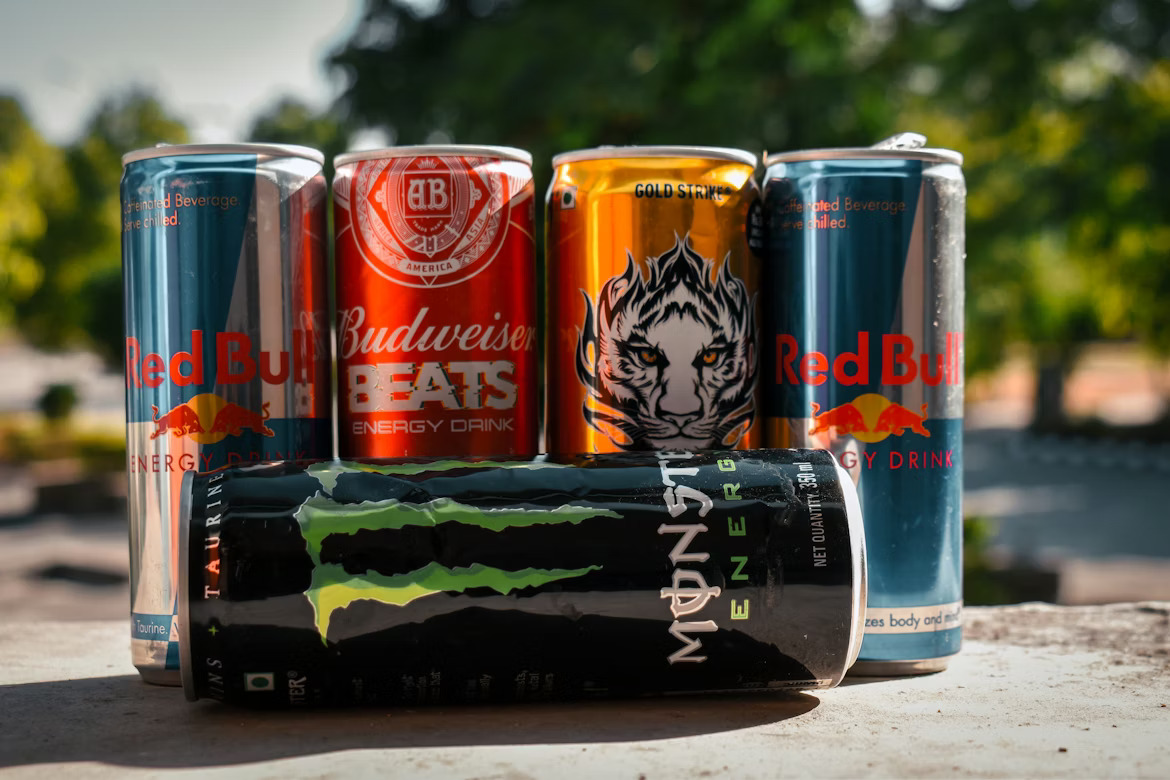
After a tough workout, it’s common to reach for a popular sports drink like Gatorade or an energy drink like Celsius or Red Bull. They promise to rehydrate, energize, and boost performance. But are these brightly colored, heavily marketed beverages truly helping you recover, or are they potentially undermining your long-term health goals?

But beneath the slick marketing lies a less appealing truth: these drinks are often packed with hidden downsides. A standard 20-ounce bottle of Gatorade, for example, contains a staggering 34 grams of sugar nearly as much as a can of soda. Energy drinks can pack excessive amounts of caffeine that interfere with sleep, a crucial component of recovery.

Fortunately, there are smarter, more effective ways to hydrate and refuel your body. This guide reveals six science-backed alternatives that use natural ingredients to support your fitness journey without the unwanted additives.

The Hidden Cost of Your Post-Workout Drink

Before exploring better options, it’s important to understand the two primary problems with many commercial sports and energy drinks.

Sugar Overload, Not Hydration

A 20oz Gatorade contains 34 grams of sugar, which can cause a rapid energy spike followed by a crash. Over time, high sugar intake contributes to weight gain, insulin resistance, and dental problems. Even the “zero sugar” versions are not a perfect solution; they rely on artificial sweeteners that emerging research suggests may negatively affect gut health and insulin response.

Caffeine Jitters vs. Real Recovery

Energy drinks can contain up to 200mg of caffeine per can. While caffeine can enhance performance, excessive amounts can lead to anxiety, heart palpitations, and poor sleep quality. This undermines the very recovery process you need after training by disrupting sleep and raising stress hormones, leaving you tired and stressed rather than restored.

Six Science-Backed Alternatives to Fuel Your Fitness

The best alternatives provide effective hydration and recovery support using natural ingredients. Here are six expert-approved options to fuel your body the right way.

1. Nature’s Electrolyte Drink: Coconut Water

Coconut water is a natural source of key electrolytes like potassium, sodium, and magnesium, all of which are essential for muscle function and recovery. Unlike commercial drinks, it delivers these benefits without synthetic additives or artificial colors.

A 2012 study in the Journal of the International Society of Sports Nutrition found that coconut water replenishes hydration just as effectively as commercial sports drinks.

This profile positions coconut water as an ideal choice for clean, light, post-workout hydration.

2. The Ultimate Recovery Hack: Tart Cherry Juice

Tart cherry juice is a potent tool for reducing muscle soreness and inflammation. Its power comes from a high concentration of antioxidants called anthocyanins. Research published in the Scandinavian Journal of Medicine & Science in Sports found that athletes who drank tart cherry juice experienced significantly less muscle soreness and recovered faster. As a bonus, it contains natural melatonin, which can improve sleep quality, a critical factor in muscle repair.

3. For Smarter Endurance: Water with BCAAs

Adding Branched-Chain Amino Acids (BCAAs) to your water is an excellent strategy, particularly if you perform fasted cardio or strength training, or engage in long endurance sessions. BCAAs help reduce muscle breakdown during exercise and support the repair process afterward. For optimal results, look for a BCAA powder with a 2:1:1 ratio of leucine, isoleucine, and valine. Read more about our favorite BCAA supplements here at BeeFit.ai.

4. The Budget-Friendly Powerhouse: DIY Electrolyte Water

Why buy when you can make your own effective and clean electrolyte drink? This simple recipe supports electrolyte balance and provides a gentle energy boost without artificial ingredients.

  • 16 oz filtered water
  • 1/8 tsp sea salt
  • Juice of half a lemon or orange
  • 1 tsp honey or maple syrup

This option is cheap, completely customizable, and free from the artificial ingredients found in store-bought drinks.

5. Calm Energy for Mind and Body: Herbal Teas

Herbal infusions like peppermint, ginger, and green tea offer gentle hydration and a wealth of antioxidants without sugar or excessive stimulants. Green tea is particularly beneficial, as it contains EGCG, an antioxidant compound that has been shown to support fat metabolism. These teas are a perfect way to rehydrate while promoting a sense of calm energy. Link

6. Effortless Hydration: Infused “Spa” Water

Sometimes the simplest solution is the best. Infused water is a zero-calorie way to make hydration more appealing, encouraging you to drink consistently throughout the day. Simply add ingredients like sliced cucumbers, lemon, berries, or mint to a pitcher of water for a refreshing, natural flavor boost.

What About Electrolyte Powders and Tablets?

Convenient electrolyte products like Nuun or LMNT can be excellent tools, especially for serious athletes, individuals training in hot weather, or for travel. They provide controlled ratios of sodium and potassium without the sugar found in traditional sports drinks.

When choosing a product, look for one free of added sugar and artificial dyes. It’s also wise to be mindful of the sodium content, particularly if you are managing hypertension.

Frequently Asked Questions (FAQ)

Q: Are zero-sugar sports drinks a healthy alternative? A: Not necessarily. While they don’t contain sugar, they often use artificial sweeteners that emerging research suggests may negatively affect gut health and insulin response.

Q: What is the best natural drink for muscle soreness? A: Tart cherry juice is an excellent choice. It is rich in antioxidants called anthocyanins, which have been shown in studies to reduce muscle inflammation and speed up recovery.

Q: Can I make my own electrolyte drink at home? A: Yes. A simple and effective DIY electrolyte drink can be made by mixing 16 oz of filtered water with 1/8 tsp of sea salt, the juice of half a lemon or orange, and 1 tsp of honey or maple syrup.

Fuel Smarter, Not Harder

Relying on heavily marketed sports and energy drinks may provide a temporary boost, but smart, sustainable fitness comes from better fuel. True hydration and recovery are rooted in whole ingredients, natural electrolytes, and recovery-enhancing nutrients, not marketing hype and sugar. 

Your recovery is earned, not bought in a bottle. The next time you finish a workout, which of these smarter fuels will you choose to honor your effort?

This article is for informational purposes only and does not substitute for medical advice, diagnosis, or treatment. Always consult a healthcare provider before making changes to your diet, supplementation, or fitness routine.

10 Natural Anti-Inflammatory Foods to Boost Workout Recovery

Quick Take

  • Chronic inflammation from intense training drives muscle soreness and slows recovery, but targeted nutrition can directly reduce these effects.
  • Specific compounds in whole foods like curcumin, omega-3 fatty acids, and anthocyanins have been clinically proven to accelerate muscle repair.
  • Strategic anti-inflammatory eating functions as an active recovery tool that improves training frequency, performance, and long-term joint health.
  • The most effective approach combines these foods consistently to create an internal environment optimized for repair and adaptation.

Why Your Diet Matters More Than You Think

Are you leaving recovery gains on the table? Most athletes focus obsessively on training splits and progressive overload but ignore the most accessible performance lever: what they eat between workouts.

Muscle soreness, joint stiffness, and chronic fatigue aren’t just inconveniences. They’re signals of inflammation that can derail your progress. The good news? Specific foods contain bioactive compounds that directly target these pathways.

According to the Harvard T.H. Chan School of Public Health, chronic inflammation doesn’t just slow recovery. It’s linked to serious long-term health issues like heart disease and diabetes, making inflammation control critical for anyone serious about fitness.

Does Turmeric Actually Reduce Muscle Soreness?

Yes. Turmeric’s active compound, curcumin, has been shown to significantly reduce post-exercise muscle soreness in controlled studies.

Curcumin works by inhibiting inflammatory cytokines at the cellular level. This isn’t folk medicine or wishful thinking. It’s a mechanism that’s been replicated across multiple research trials.

“Curcumin supplementation significantly reduced muscle soreness and improved recovery of muscle performance after eccentric exercise.” (2015, Journal of Medicinal Food)

The challenge with curcumin is bioavailability. Your body struggles to absorb it efficiently on its own, which is why timing and pairing matter more than most people realize.

Your Application:

  • Add 1/2 teaspoon turmeric to post-workout smoothies or scrambled eggs
  • Always pair with black pepper (piperine increases absorption by up to 2000%)
  • Consider taking it with healthy fats like avocado or coconut oil for better uptake

Can Omega-3s Really Speed Up Recovery?

Omega-3 fatty acids, particularly EPA and DHA from fatty fish, reduce muscle damage and soreness after intense workouts. This effect has been demonstrated consistently in clinical research.

Unlike most anti-inflammatory interventions, omega-3s work at multiple levels. They reduce inflammatory markers in your bloodstream, support cell membrane repair, and may even enhance protein synthesis.

“Omega-3 supplementation reduced muscle soreness and improved range of motion following eccentric exercise that causes muscle damage.” (2011, American Journal of Clinical Nutrition) 

Salmon stands out as the gold standard source because of its high EPA and DHA content. Plant-based omega-3s (ALA) from flax or chia require conversion in your body and are far less efficient.

Your Application:

  • Eat 2-3 servings of wild-caught salmon, mackerel, or sardines weekly
  • If you don’t eat fish regularly, supplement with 2-3g combined EPA/DHA daily
  • Time one serving within your post-workout meal window for maximum benefit

Are Blueberries Worth the Hype for Athletes?

Blueberries contain high concentrations of anthocyanins, antioxidant compounds that neutralize free radicals produced during exercise. Research shows they accelerate recovery and reduce muscle damage markers.

What makes blueberries particularly valuable is their polyphenol profile. These compounds don’t just scavenge free radicals after the fact. They appear to prep your cells for oxidative stress before it happens.

“Athletes consuming blueberries experienced faster recovery of peak force production and reduced inflammatory markers compared to placebo groups.” (2020, Frontiers in Nutrition) 

The recovery benefits are dose-dependent. Eating a handful once won’t change much. Consistent daily intake creates a cumulative protective effect.

Your Application:

  • Add 1 cup fresh or frozen blueberries to morning oatmeal or yogurt
  • Blend into post-workout protein shakes for easy consumption
  • Buy frozen to save money without sacrificing antioxidant content

Does Ginger Actually Reduce Exercise-Induced Pain?

Ginger has been clinically shown to reduce muscle pain and soreness following exercise. The effect is comparable to some over-the-counter pain medications but without the side effects.

Gingerol and shogaol, ginger’s active compounds, inhibit the same inflammatory pathways targeted by NSAIDs like ibuprofen. This makes ginger a legitimate natural alternative for managing training-related discomfort.

“Daily ginger supplementation reduced exercise-induced muscle pain by 25% compared to placebo in trained individuals.” (2010, The Journal of Pain) 

Beyond inflammation, ginger supports digestive health and immune function. Both matter when you’re training hard and need consistent recovery capacity.

Your Application:

  • Drink ginger tea (fresh or powdered) within 2 hours post-workout
  • Add 1-inch piece of fresh ginger to smoothies for a spicy kick
  • Use pickled ginger as a side with high-protein meals

Why Should I Care About Leafy Greens for Recovery?

Spinach delivers concentrated doses of magnesium, vitamin C, and antioxidants like lutein that combat exercise-induced oxidative stress. Magnesium alone plays a critical role in muscle relaxation and repair.

Most athletes are chronically under-consuming magnesium without realizing it. Hard training depletes magnesium stores through sweat loss, creating a recovery bottleneck even if everything else is dialed in.

According to Medical News Today, magnesium deficiency impairs muscle recovery, increases cramping risk, and can compromise sleep quality. All three directly impact your ability to train consistently.

Spinach also provides nitrates that support blood flow and oxygen delivery during exercise. This makes it both a recovery food and a performance enhancer.

Your Application:

  • Add 2-3 cups raw spinach to daily smoothies (you won’t taste it)
  • Sauté spinach with garlic as a dinner side 3-4 times weekly
  • Choose spinach over lettuce in salads for exponentially higher nutrient density

Are Walnuts Better Than Other Nuts for Inflammation?

Walnuts provide the highest plant-based omega-3 content of any common nut, plus polyphenols that actively reduce inflammatory markers. This combination makes them uniquely valuable for athletes.

While walnuts contain ALA (alpha-linolenic acid) rather than the EPA/DHA found in fish, research shows regular walnut consumption still lowers inflammation significantly.

“A walnut-rich diet significantly lowered C-reactive protein and other inflammatory biomarkers in healthy adults.” (2018, Critical Reviews in Food Science and Nutrition) 

The convenience factor matters here. Walnuts require zero preparation, travel well, and deliver healthy fats plus protein in a portable package.

Your Application:

  • Keep 1/4 cup portions in your gym bag for immediate post-workout fuel
  • Add chopped walnuts to morning oatmeal or yogurt bowls
  • Prioritize walnuts over cashews or peanuts for superior omega-3 ratio

Does Tart Cherry Juice Really Help Recovery?

Tart cherry juice reduces muscle soreness, accelerates strength recovery, and improves sleep quality. Multiple studies confirm these effects, making it one of the most research-backed recovery foods available.

The mechanism involves anthocyanins similar to those in blueberries, but tart cherries contain unique compounds that also boost natural melatonin production. Better sleep means better recovery across all systems.

“Tart cherry juice consumption reduced muscle soreness and strength loss following intense exercise in trained athletes.” (2010, Scandinavian Journal of Medicine & Science in Sports) 

The sleep benefit is underrated. If you’re struggling with recovery despite eating well and resting, poor sleep quality might be the hidden culprit.

Your Application:

  • Drink 8 oz unsweetened tart cherry juice 30-60 minutes post-workout
  • Have a second 8 oz serving 1 hour before bed on heavy training days
  • Choose products with no added sugar to avoid inflammation-promoting spikes

FAQ: Your Anti-Inflammatory Recovery Questions, Answered

Q: How soon after a workout should I eat these foods for maximum recovery?
A: The 1-2 hour post-workout window is ideal because muscles are most receptive to nutrients during this period. However, consistent daily intake matters more than perfect timing for any single meal. A spinach-blueberry-ginger smoothie post-workout combines immediate and long-term benefits.

Q: Can’t I just take supplements instead of eating these whole foods?
A: Supplements can help fill gaps, especially for omega-3s if you don’t eat fish regularly. But whole foods provide complementary nutrients that work synergistically. The fat in salmon helps absorb its own omega-3s, and black pepper enhances curcumin absorption from turmeric. Build your foundation on food, then supplement strategically.

Q: I already eat healthy. Why specifically add anti-inflammatory foods?
A: Many “healthy” diets still contain pro-inflammatory foods like processed oils, refined sugars, and packaged items with hidden ingredients. Intentionally incorporating these top-tier anti-inflammatory foods shifts your nutrition from neutral to therapeutic. They provide concentrated bioactive compounds that actively down-regulate inflammatory pathways triggered by hard training.

Q: Which foods should I avoid because they increase inflammation?
A: Minimize refined sugars and high-fructose corn syrup, refined vegetable oils high in omega-6s (soybean, corn, sunflower), processed carbohydrates (white bread, pastries), and excessive alcohol. These foods promote inflammatory cytokines that directly counteract your recovery efforts. Reducing them creates space for anti-inflammatory foods to work effectively.

Q: If I could only start with 2-3 foods, which have the biggest impact?
A: Prioritize fatty fish like salmon for high-dose omega-3s, turmeric with black pepper for broad-spectrum anti-inflammatory effects, and tart cherry juice for dual-action inflammation reduction plus sleep quality improvement. This combination addresses systemic inflammation, local muscle soreness, and sleep-based recovery.

Small Changes, Measurable Results

Recovery isn’t passive rest. It’s an active process you control through strategic nutrition choices that directly impact inflammation, muscle repair, and training capacity.

Start with one or two foods from this list and build consistency over weeks. The cumulative effect of daily anti-inflammatory nutrition compounds over time, creating a foundation for better performance and longevity in training.

For more evidence-based recovery strategies, explore our guide to optimizing sleep for muscle growth at BeeFit.ai. You can also check out our breakdown of protein timing myths and what research actually shows.

This article is for informational purposes only and is not a substitute for professional medical advice, diagnosis, or treatment. Always consult with a qualified healthcare provider before starting any new exercise or nutrition program.

High-Protein Vegetarian Breakfasts to Start Your Day Strong

Quick Take

  • A high-protein vegetarian breakfast is crucial for metabolic regulation, activating satiety hormones and suppressing ghrelin to prevent mid-morning cravings and energy crashes.
  • Plant-based proteins from diverse sources like legumes, seeds, and cultured dairy (if consumed) work synergistically to provide a complete amino acid profile for muscle maintenance and cognitive function.
  • Starting the day with 20-30 grams of vegetarian protein primes muscle protein synthesis for hours and creates a stable hormonal environment, making subsequent meals easier to manage.
  • The true challenge isn’t a lack of options, but strategic pairing; combining foods like chickpea flour pancakes with nuts or quinoa with seeds maximizes protein quality and absorption.

A high-protein breakfast isn’t just for bodybuilders. This is the foundation for better energy, muscle maintenance, and keeping those mid-morning cravings in check. But if you’re vegetarian, finding easy, protein-rich breakfast ideas can feel like a challenge. The good news? It’s absolutely possible to hit your protein goals without relying on meat or processed options.

Whether you’re training hard, trying to manage your weight, or just want to feel more energized throughout the day, these vegetarian high-protein breakfasts will set you up for success.

Why Prioritize Protein in the Morning?

Protein does more than just build muscle. Starting your day with a protein-rich meal can:

  • Boost satiety and curb cravings later in the day.
  • Support muscle recovery if you’re working out.
  • Stabilize blood sugar levels, reducing energy crashes.
  • Promote better cognitive function and focus.

According to the Harvard T.H. Chan School of Public Health, spreading protein intake evenly throughout the day, starting with breakfast, supports optimal muscle synthesis and overall health.

Top High-Protein Vegetarian Breakfast Ideas

These ideas are quick, delicious, and packed with natural, plant-based protein and no fake meats required.

1. Greek Yogurt Power Bowl

Protein: 20–25g

Greek yogurt is a vegetarian breakfast superstar. It’s loaded with casein protein, which digests slowly to keep you full longer. To make it a power bowl:

  • Start with 1 cup of plain Greek yogurt (aim for 15–18g protein).
  • Add a handful of mixed berries for fiber and antioxidants.
  • Sprinkle 2 tablespoons of chia seeds (adds 5g protein and omega-3s).
  • Top with a drizzle of almond butter or a few walnuts for healthy fats.

Tip: Choose a Greek yogurt with no added sugars to keep it clean.

2. Tofu Scramble

Protein: 18–22g

If you’re missing traditional scrambled eggs, tofu scramble is your answer. Firm tofu mimics the texture of eggs and soaks up any spices you add.

  • Crumble ½ block of firm tofu into a skillet.
  • Sauté with spinach, bell peppers, and mushrooms.
  • Season with turmeric, black salt (for an “eggy” flavor), and pepper.

Bonus: Adding nutritional yeast (around 2 tablespoons) brings an extra 8g of plant-based protein and a savory, cheesy flavor.

3. Protein Smoothie with Plant-Based Powder

Protein: 25–30g

Smoothies aren’t just for light snackers. Done right, they can pack a serious protein punch.

  • Blend 1 scoop of plant-based protein powder (20–25g protein) with almond milk.
  • Add a banana for creaminess and natural sweetness.
  • Throw in a tablespoon of peanut butter (adds 4–5g protein).
  • A handful of spinach for extra nutrients without affecting the flavor.

Pro tip: Look for protein powders that combine sources like pea, rice, and hemp for a complete amino acid profile.

4. Chickpea Pancakes (a.k.a. Socca)

Protein: 14–18g per serving

Made from chickpea flour, these savory pancakes are high in protein, gluten-free, and extremely satisfying. 

  • Mix 1 cup chickpea flour with 1 cup water, spices (like cumin and turmeric), and chopped herbs.
  • Cook in a nonstick pan like you would a regular pancake.
  • Serve with avocado or sautéed vegetables.

Fun fact: Chickpeas are a complete protein when paired with grains like quinoa or brown rice later in the day.

5. Cottage Cheese and Fruit Bowl

Protein: 20–25g

Cottage cheese often gets overlooked, but it’s a nutrition powerhouse for vegetarians.

  • Scoop 1 cup low-fat cottage cheese into a bowl.
  • Add sliced peaches, strawberries, or pineapple.
  • Sprinkle a few almonds or chia seeds for crunch.

Why it works: Cottage cheese is rich in casein, providing a slow, steady release of amino acids for muscle maintenance.

6. Edamame and Avocado Toast

Protein: 17–20g

Give classic avocado toast a protein upgrade:

  • Smash half an avocado onto a slice of whole-grain toast.
  • Top with ½ cup shelled edamame (available frozen).
  • Sprinkle with sesame seeds and a pinch of sea salt.

Why it’s smart: Edamame offers complete plant protein, while whole grains and healthy fats support stable energy levels.

7. Quinoa Breakfast Bowl

Protein: 15–18g

Think outside the oatmeal box. Quinoa is a complete protein and makes an amazing breakfast base.

  • Cook quinoa with almond milk and a pinch of cinnamon.
  • Stir in almond butter or sunflower seed butter.
  • Top with berries or chopped apples.

Nutrition boost: Quinoa delivers essential amino acids and fiber to keep your digestion on track.

What About Protein Bars?

While whole foods should be your priority, a high-quality protein bar can save the day when you’re short on time. Look for bars with:

  • At least 10g of protein per bar
  • No artificial sweeteners
  • A short, recognizable ingredient list

Brands like Aloha, No Cow, and GoMacro offer excellent plant-based options.

Tips for Maximizing Your Plant-Based Protein Intake

  • Diversify your protein sources: Combining legumes, nuts, seeds, and dairy (if you eat it) ensures you get a complete range of amino acids.
  • Eat protein at every meal: Don’t save it all for dinner. Front-loading some protein at breakfast makes it easier to hit your daily goals.
  • Watch portion sizes: Especially with calorie-dense foods like nuts and seeds, balance is key.
  • Stay hydrated: Higher-protein diets can increase your need for water, so make sure you’re drinking enough. 

FAQ: Your High-Protein Vegetarian Breakfast Questions, Answered

Q: I’m vegan. How can I ensure I’m getting a “complete” protein at breakfast without eggs or dairy?
A: A “complete” protein contains all nine essential amino acids. While most plant proteins are lower in one or two, you can easily create completeness through strategic combination. The key is pairing legumes with grains or seeds. For breakfast, this looks like:

  • Chickpea flour (legume) pancakes served with a tahini (seed) drizzle.
  • smoothie with pea protein powder (legume) and a scoop of hemp seeds.
  • Quinoa (a complete grain) breakfast bowl topped with almonds.
    By consuming a variety of plant proteins throughout the day, your body pools these amino acids to form complete proteins.

Q: Is a protein smoothie with powder as effective as a whole-food breakfast like a tofu scramble?
A: It depends on your goal. A high-quality plant-based protein powder (e.g., a blend of pea, rice, and hemp) is an excellent tool for hitting a precise protein target (25-30g) quickly, especially post-workout. However, a whole-food meal like a tofu scramble provides a broader matrix of nutrients (fiber from vegetables, fats for satiety, vitamins, and minerals) that a smoothie may lack. For optimal health and satiety, prioritize whole foods most days and use protein powder as a convenient supplement, not a daily replacement.

Q: I get bloated after high-protein dairy like Greek yogurt or cottage cheese. What are my best alternatives?
A: This is common and often points to lactose sensitivity. Your best alternatives are cultured dairy and lactose-free options:

  1. Lactose-Free Greek Yogurt or Cottage Cheese: Many brands now offer these; they have the same protein content without the lactose sugar.
  2. Skyr: An Icelandic cultured dairy product that is naturally very high in protein and lower in lactose than regular yogurt.
  3. Non-Dairy “Cottage Cheese”: Brands like “Good Planet” make plant-based versions from coconut or almond milk that are fortified with pea protein.
  4. Savory Tofu Scramble: This provides a similar scrambled texture and protein punch without any dairy.

Q: How can I make sure my vegetarian breakfast keeps me full until lunch? I’m hungry by 10 AM.
A: The “full until lunch” formula requires more than just protein; it needs The Satiety Triad: Protein + Fiber + Healthy Fat. If your breakfast lacks one, hunger creeps in. Upgrade your meal:

  • Greek Yogurt Bowl: Add chia seeds (fiber/fat) and almonds (fat/fiber).
  • Protein Smoothie: Include a tablespoon of flaxseed (fiber/fat) and a handful of spinach (fiber).
  • Avocado Toast: Top with edamame (protein/fiber) and a sprinkle of sesame seeds (fat).
    This combination slows digestion, stabilizes blood sugar, and triggers the release of long-lasting satiety hormones.

Q: I have no time in the mornings. What are the best make-ahead options?
A: The key is batch preparation. Your best make-ahead strategies are:

  1. Overnight Chia Pudding: Mix chia seeds, plant-based protein powder, and almond milk the night before.
  2. Freezer-Friendly Chickpea Pancakes: Make a batch on Sunday, freeze, and toast in the morning.
  3. Pre-Portioned Smoothie Packs: Assemble all dry/frozen ingredients (protein powder, frozen fruit, spinach) in bags for a 60-second blend.
  4. Hard-Boiled Eggs (if ovo-vegetarian): Prep a dozen for the week for a quick, portable protein add-on to any meal.
    Investing 30 minutes in weekly prep removes the daily decision fatigue and ensures you always have a high-protein option ready.

Final Thoughts

Fueling your morning with a vegetarian high-protein breakfast isn’t complicated and it just requires a little planning and the right ingredients. Whether you prefer a smoothie, a hearty tofu scramble, or a cozy quinoa bowl, getting enough protein first thing sets the tone for a day filled with steady energy, sharper focus, and better recovery.

Mix and match these ideas throughout the week, and you’ll never feel stuck wondering what to eat in the morning again.

This article is for informational purposes only and is not intended as medical advice. Always consult a healthcare provider, dietitian, or qualified nutrition professional before making significant changes to your diet or nutrition plan.

Circadian Eating: When You Eat Matters as Much as What You Eat

Quick Take

  • Your body’s metabolism and digestion peak in the morning, making you best at processing food early in the day.
  • Eating most of your calories before 7 p.m. can lead to better blood sugar control, easier weight management, and deeper sleep.
  • This eating pattern, known as early time restricted feeding, works by aligning your meals with your body’s natural 24 hour clock.
  • Starting with a protein rich breakfast and finishing dinner earlier are the most effective first steps to sync your eating with your rhythm.

For decades, nutrition advice has focused almost exclusively on what to eat. But groundbreaking science reveals a missing piece that may be just as powerful: when you eat. Your body operates on a precise 24 hour internal clock, or circadian rhythm, that governs everything from hormone release to digestion. Eating against this natural rhythm—like having a large meal late at night—can disrupt metabolism, sleep, and energy.

This isn’t another restrictive diet. It’s the practice of circadian eating, a way of timing your meals to work with your biology, not against it. At BeeFit.ai, we explore strategies that harmonize with your body’s innate systems. This guide explains how aligning your eating schedule with your circadian rhythm can transform your energy, improve metabolic health, and simplify your approach to food.

Is Your Body Really Worse at Digesting Food at Night?

Direct Answer: Yes. Your digestive system, insulin sensitivity, and metabolic rate follow a strong daily rhythm. They are most efficient in the morning and early afternoon, and naturally wind down in the evening.

Explanation & Evidence:
Your pancreas, liver, and gut cells have their own internal clocks. Enzyme activity and insulin sensitivity are highest after you wake up, primed to process a meal. As evening approaches, your body prepares for rest and repair, becoming less responsive to food. Eating late forces your metabolism to work when it should be slowing down.

Research Insight: A pivotal study in Cell Metabolism found that participants who ate most of their calories earlier in the day showed improved weight management and better insulin control compared to those who ate later, even when calorie intake was identical.

Analysis & Application:
This explains why a 400 calorie breakfast feels different in your body than a 400 calorie midnight snack. Your metabolic machinery is simply more efficient earlier.

Your Application: Think of your daily calorie intake like a budget. Spend the largest portion at breakfast and lunch. Make dinner a smaller, lighter meal to respect your body’s evening metabolic slowdown.

Can Simply Eating Earlier Really Help You Manage Weight?

Direct Answer: Significant evidence says yes. Consuming the majority of your daily calories earlier in the day can enhance calorie burning and reduce hunger, creating a natural environment for weight management.

Explanation & Evidence:
The thermic effect of food—the calories burned during digestion—is higher in the morning. A study highlighted that people burned 2.5 times more calories after a large breakfast compared to a large dinner. Furthermore, front loading calories leads to better appetite regulation throughout the day, reducing the likelihood of overeating at night.

Analysis & Application:
This turns the common pattern of a small breakfast and large dinner on its head. By eating more when your body is best equipped to handle it, you optimize energy expenditure. 

Your Application: Start by making lunch your largest meal of the day. Ensure it is balanced with protein, fiber, and healthy fats. Notice if this reduces your cravings and portion sizes at dinner.

How Does Meal Timing Directly Affect Blood Sugar and Sleep?

Direct Answer: Eating late at night can cause significant blood sugar spikes and directly interfere with the release of melatonin, the hormone essential for sleep onset and quality.

Explanation & Evidence:
Evening insulin resistance means your body struggles to clear sugar from your bloodstream after a late meal, leading to higher and more prolonged blood sugar elevations. Simultaneously, digesting food at night can suppress melatonin production and raise core body temperature, both of which disrupt the natural transition to deep, restorative sleep.

Analysis & Application:
Poor sleep and unstable blood sugar create a vicious cycle: bad sleep worsens insulin resistance, which makes blood sugar harder to manage. 

Your Application: Establish a firm “kitchen closed” time, ideally 2-3 hours before bed. This gives your body time to finish digesting and begin its nighttime repair and sleep processes uninterrupted.

What Is the Simplest Way to Start Circadian Eating?

Direct Answer: The most effective and sustainable first step is to commit to a protein rich breakfast within 90 minutes of waking and to gradually make your dinner earlier and lighter.

Explanation & Evidence:
Breakfast acts as the master signal that resets your metabolic clock for the day. Skipping it confuses your circadian rhythm. A study in the Journal of Clinical Endocrinology & Metabolism underscores that a high calorie, protein rich breakfast improves metabolic responses. An earlier dinner then extends your overnight fasting window, allowing for cellular repair and metabolic reset.

Analysis & Application:
You don’t need to overhaul your entire diet on day one. Small, consistent changes to your eating schedule can yield significant results. 

Your Application: Tomorrow, have a breakfast containing at least 20 grams of protein (e.g., eggs, Greek yogurt). This week, aim to finish dinner 15 minutes earlier than usual. Add another 15 minutes next week.

Your Circadian Eating Starter Plan

  • Upon Waking: Drink water. Eat breakfast within 60-90 minutes.
  • Lunch (12-2 p.m.): Make this your largest, most nutrient dense meal.
  • Dinner (Before 7 p.m.): Keep it light—focus on vegetables and lean protein.
  • Overnight: Aim for a 12-14 hour fasting window (e.g., 7 p.m. to 7 a.m.).

FAQ: Your Circadian Eating Questions, Answered

Q: I’m not hungry in the morning. Should I force myself to eat breakfast?
A: Not necessarily. Start small. Your morning hunger cues are often suppressed by a late dinner or snack the night before. Try having just a few bites of food, like a hard boiled egg or a small yogurt, to gently signal to your body that it’s time to eat. Over time, as you eat dinner earlier, morning hunger will likely return naturally.

Q: Does this mean I can never go out for a late dinner with friends?
A: Absolutely not. Circadian eating is about consistency, not perfection. View it as a default schedule for most days. When you have a social event, enjoy it fully without guilt. Simply return to your rhythm at your next meal. The metabolic benefits come from what you do consistently, not occasionally.

Q: I work night shifts. How can I apply these principles?
A: Your challenge is unique. The core principle remains: align your eating with your waking cycle. After a night shift, your “morning” meal should be your largest and most substantial right after you wake up (even if that’s 3 p.m.). Your “dinner” should be a lighter meal before your sleep period. Use blackout curtains and controlled light exposure to help stabilize your internal clock as much as possible.

Q: Is this the same as intermittent fasting?
A: It is a specific, aligned form of it called Early Time Restricted Feeding (eTRF). The goal is not just to create a fasting window, but to place your eating window earlier in the day to match peak metabolic efficiency. A 12 hour fast from 7 p.m. to 7 a.m. is a circadian aligned approach that combines the benefits of fasting with the benefits of rhythmic eating.

The Final Bite: Working With Your Biology

Circadian eating moves nutrition from a simple math equation of calories in versus calories out to a more nuanced conversation with your body’s innate wisdom. By respecting your natural metabolic rhythms, you reduce internal conflict. You give your body food when it is best prepared to use it, and you give it rest when it needs to repair.

This approach is less about restriction and more about synergy. It’s recognizing that food is not just fuel, but a powerful signal that tells your body what time it is. Are you ready to start sending the right signals?

This article is for informational purposes only and is not a substitute for professional medical advice, diagnosis, or treatment. Always consult your physician or a registered dietitian before making significant changes to your eating patterns, especially if you have a metabolic condition like diabetes.

Beyond Water: 6 Research-Backed Hydration Strategies That Work

Quick Take

  • Even mild dehydration of just 2% body mass loss significantly impairs attention, psychomotor skills, and immediate memory according to controlled studies.
  • Coconut water provides rehydration comparable to sports drinks and plain water for moderate exercise, though causing more stomach upset and bloating.
  • Infused water and herbal teas increase total fluid intake by making hydration more appealing without adding calories or artificial sweeteners to the diet.
  • Daily hydration targets of approximately 2.7 liters for women and 3.7 liters for men include all fluid sources, not just plain water consumed.

Why Most People Misunderstand Hydration Needs

Are you forcing down eight glasses of water daily because you heard it somewhere? This arbitrary “8×8” rule (eight 8-ounce glasses) has no scientific basis yet dominates hydration advice despite research showing individual needs vary dramatically.

Total daily water requirements depend on activity level, climate, body size, and sweat rate. The Institute of Medicine recommends 2.7 liters for women and 3.7 liters for men from all sources including food, which provides 20% of typical intake.

“Being dehydrated by just 2% impairs performance in tasks that require attention, psychomotor, and immediate memory skills, as well as assessment of the subjective state in both men and women.” (2012, Review in Journal of Nutrition & Metabolism) 

What if the focus should shift from arbitrary intake goals to actual hydration status and varied fluid sources? Let’s examine what research reveals about different beverages beyond plain water.

Does Dehydration Really Impair Cognitive Function?

Yes. Dehydration of 2% body mass or more significantly impairs attention, psychomotor performance, and short-term memory while increasing fatigue and reducing perceived alertness.

A study on mild dehydration in young men found that just 1-2% body water loss (induced by mild exercise without hyperthermia) significantly increased fatigue and tension while degrading performance on tasks requiring attention and working memory.

“Mild dehydration produces adverse changes in vigilance and working memory in men, and increased perception of task difficulty. These adverse mood changes may limit the motivation required to engage in even moderate aerobic exercise.” (2011, British Journal of Nutrition study on cognitive effects) 

The cognitive impairments appear particularly pronounced for tasks requiring sustained attention and complex problem-solving. Long-term memory and executive functions show more preservation, especially when dehydration results from exercise versus pure fluid restriction.

Your Application:

  • Monitor urine color (aim for pale straw yellow) as practical hydration indicator throughout day
  • Increase fluid intake during mentally demanding work periods or when concentration feels diminished
  • Don’t wait for thirst sensation, which lags behind actual dehydration onset by meaningful margins

Can Coconut Water Replace Sports Drinks for Hydration?

Coconut water performs comparably to commercial sports drinks and plain water for rehydration after moderate exercise, though it causes more gastrointestinal discomfort according to controlled trials.

Research comparing coconut water, sports drinks, and plain water after dehydrating treadmill exercise found no significant differences in hydration markers (body mass, plasma osmolality, urine specific gravity) or performance between the three beverages.

“All tested beverages including bottled water, pure coconut water, coconut water from concentrate, and carbohydrate-electrolyte sport drinks promoted similar rehydration with no differences in fluid retention markers.” (2012, Journal of the International Society of Sports Nutrition) 

However, subjects consistently reported feeling more bloated and experiencing greater stomach upset with coconut water compared to plain water or sports drinks. This limits practical usefulness despite similar hydration metrics.

Your Application:

  • Use plain water for most moderate-duration exercise (under 90 minutes) where performance optimization isn’t critical
  • Consider coconut water post-workout if you enjoy the taste and can tolerate potential stomach discomfort
  • Reserve sports drinks for truly intense or prolonged exercise exceeding 90 minutes in hot conditions

Does Infused Water Actually Help You Drink More?

Yes, indirectly. Adding fruits, vegetables, or herbs to water increases palatability and fluid consumption for people who struggle to drink adequate plain water throughout the day.

While infused water provides minimal nutritional benefits (trace vitamins and antioxidants from fruits), its primary value is behavioral making hydration more appealing without adding calories, sugar, or artificial sweeteners.

Research on hydration adherence shows that beverage palatability significantly influences total fluid intake. People consume more fluid when they find the taste pleasant, making flavor enhancement through natural infusions a practical strategy.

Common effective combinations include cucumber plus mint, lemon plus ginger, or mixed berries. The subtle flavor encourages consistent sipping throughout the day rather than forcing down tasteless water.

Your Application:

  • Prepare large pitchers of infused water using 1-2 cups sliced fruit or vegetables steeped 2-4 hours
  • Rotate flavor combinations weekly to maintain novelty and prevent taste fatigue reducing consumption
  • Use infused water as default beverage at desk or during work to passively increase total daily intake

Can Herbal Teas Count Toward Daily Hydration Targets?

Yes. Herbal teas (non-caffeinated) contribute to total daily fluid intake equivalently to plain water while potentially providing additional compounds that support digestion, relaxation, and immunity.

The concern about caffeine’s diuretic effect causing net fluid loss has been largely debunked. Even caffeinated beverages like coffee and tea contribute positively to hydration status, though herbal teas avoid any caffeine-related concerns entirely.

Research shows that chamomile supports relaxation, peppermint aids digestion, ginger provides anti-inflammatory compounds, and hibiscus contains antioxidants. These benefits supplement hydration without offsetting it.

Hot or iced herbal teas provide variety that helps maintain consistent fluid consumption patterns. Many people find warm beverages more satisfying than cold water, particularly in colder months or climates.

Your Application:

  • Brew large batches of herbal tea (chamomile, peppermint, ginger, hibiscus) and refrigerate for iced consumption
  • Drink 1-2 cups herbal tea with meals to boost total daily fluid intake by 16-32 ounces effortlessly
  • Choose unsweetened varieties to avoid added sugars that undermine health benefits of increased hydration

Should You Use Electrolyte Powders or Natural Alternatives?

Electrolyte powders serve specific purposes for intense prolonged exercise or heavy sweating but aren’t necessary for most recreational activity or daily hydration according to sports nutrition research.

During exercise lasting under 60-90 minutes at moderate intensity, plain water adequately maintains hydration and performance. Electrolyte replacement becomes important for longer duration or when losing 2-3+ pounds of body weight through sweat.

Quality electrolyte products contain balanced sodium (300-500mg), potassium (100-200mg), and magnesium (50-100mg) without excessive sugar. Many commercial sports drinks contain 20-30+ grams of added sugar, negating health benefits.

Natural alternatives like coconut water, diluted tart cherry juice, or homemade chia fresca provide electrolytes and fluid with whole-food nutrients. However, they may not deliver optimal electrolyte ratios for serious athletic performance.

Your Application:

  • Reserve electrolyte supplementation for exercise exceeding 90 minutes or when sweating heavily in heat
  • Choose products with clean ingredient lists (LMNT, Nuun, Ultima) avoiding artificial sweeteners and excessive sugar
  • For most daily activity, plain water or herbal tea provides adequate hydration without added electrolytes

How Much Should You Actually Drink Daily?

Total daily fluid needs are approximately 2.7 liters (91 ounces) for women and 3.7 liters (125 ounces) for men from all sources including food, which typically contributes 20% of intake.

These recommendations from the Institute of Medicine represent adequate intake for generally healthy adults in temperate climates. Individual needs vary based on activity level, environmental conditions, body size, and sweat rate.

The “8×8 rule” (eight 8-ounce glasses = 64 ounces) falls short of actual requirements for most people, particularly active individuals or those in hot climates. However, forcing specific volumes without considering total fluid sources including food creates unnecessary stress.

Practical hydration assessment uses urine color (pale straw yellow indicates adequate hydration) and thirst cues rather than rigid volume requirements. Dark concentrated urine signals dehydration requiring increased intake.

Your Application:

  • Target 2-3 liters total fluid daily for women, 3-4 liters for men, adjusting based on activity and climate
  • Include all fluids (water, tea, coffee, milk, soups) and water-rich foods (fruits, vegetables) in total calculation
  • Monitor urine color multiple times daily as objective hydration indicator rather than counting exact ounces consumed

FAQ: Your Hydration Questions, Answered

Q: Is coconut water better than sports drinks for rehydration?
A: Research shows coconut water, sports drinks, and plain water produce similar rehydration after moderate exercise. However, coconut water causes more stomach upset and bloating. For intense, prolonged exercise, sports drinks may provide better sodium and carbohydrate ratios. For casual activity, plain water works fine.

Q: Can I count coffee and tea toward my daily water intake?
A: Yes. Despite caffeine’s mild diuretic effect, caffeinated beverages still contribute positively to overall hydration status. The fluid gained exceeds any increased urination. Both coffee and tea count toward daily fluid targets, though herbal teas avoid any caffeine-related concerns.

Q: How do I know if I’m drinking enough water?
A: Monitor urine color throughout the day. Pale straw yellow indicates adequate hydration. Dark concentrated urine signals dehydration. Additionally, feeling thirsty, having dry mouth, experiencing fatigue, or producing infrequent urination suggests inadequate intake.

Q: What’s the healthiest way to add flavor to plain water?
A: Infusing water with fresh fruits, vegetables, and herbs adds subtle flavor without calories, sugar, or artificial sweeteners. Try cucumber with mint, lemon with ginger, or mixed berries. This encourages increased consumption without nutritional downsides of flavored or sweetened beverages.

Q: Can drinking too much water be dangerous?
A: Yes. Excessive water intake (several liters within short periods) can cause hyponatremia (dangerously low blood sodium). This typically occurs during endurance events when drinking large volumes without electrolyte replacement. Drink to thirst and monitor urine color rather than forcing extreme volumes.

Hydration Through Variety, Not Force

Adequate hydration supports cognitive function, physical performance, and overall health. However, achieving it doesn’t require forcing down plain water when numerous alternatives provide equivalent benefits with added variety.

Focus on total daily fluid intake from varied sources including water, herbal teas, and water-rich foods rather than rigid plain-water volume requirements. Monitor hydration status through practical indicators like urine color and thirst rather than counting every ounce.

For evidence-based guidance on nutrition strategies supporting athletic performance and recovery, explore our complete sports nutrition guide at BeeFit.ai. You can also check out our breakdown of electrolyte needs for different training intensities and how to optimize fluid timing around workouts.

This article is for informational purposes only and is not a substitute for professional medical advice, diagnosis, or treatment. Always consult with a qualified healthcare provider before starting any new exercise or nutrition program.