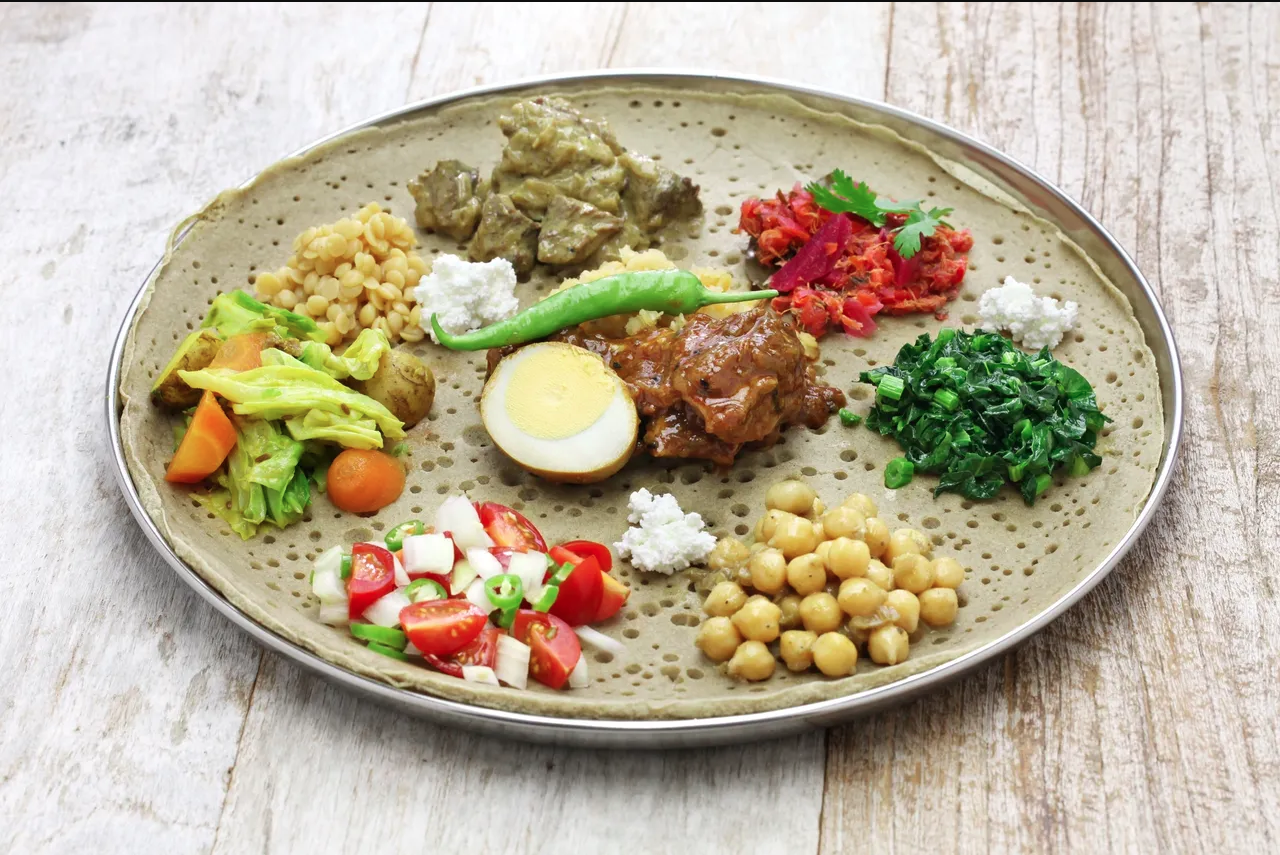
Food quality vs calories is not an either-or debate. Calories determine whether weight loss can happen, but food quality determines how hungry, energized, satisfied, and consistent you feel while trying to lose weight.
Quick Take
- Calories still matter. To lose weight, you generally need to use more energy than you consume over time.
- Food quality also matters because whole foods usually make calorie control easier.
- Ultra-processed foods can drive overeating because they are often soft, fast to eat, calorie-dense, and highly rewarding.
- Protein, fiber, water-rich foods, and minimally processed meals improve fullness.
- The best fat-loss diet is not the lowest-calorie diet. It is the one you can repeat without constant hunger.
- For most people, the winning strategy is simple: control portions while upgrading food quality.
You do not need to live inside a calorie-tracking app.
A better approach is to make your normal meals naturally harder to overeat: more protein, more fiber, more whole foods, and fewer foods designed to keep you reaching back into the bag.
Why Calories Still Matter
A calorie is a unit of energy.
Your body uses energy to keep you alive, move, digest food, regulate temperature, and train. If you consistently eat more energy than your body uses, weight tends to go up. If you consistently eat less, weight tends to go down.
That basic principle is called energy balance.
A review of weight-loss strategies notes that an energy deficit is the most important factor for weight loss, while also recognizing that metabolic adaptation can make long-term weight loss harder: weight-loss strategy review.
So yes, calories matter.
However, that does not mean weight loss is simple.
People are not calculators. Hunger, stress, sleep, food environment, hormones, medications, training, and food choices all affect how easy or hard it is to stay in a calorie deficit.
That is where food quality matters.
Why Food Quality Changes Hunger
Two meals can have the same calories but feel completely different.
A 500-calorie meal of chicken, potatoes, vegetables, and olive oil is not the same experience as 500 calories of chips and soda.
The calories may match.
However, the effect on hunger, fullness, blood sugar, digestion, and cravings may be very different.
Higher-quality foods tend to provide more:
- Protein
- Fiber
- Water
- Micronutrients
- Chewing time
- Meal volume
- Slower digestion
Those factors help you feel full.
Harvard’s Nutrition Source summarizes the issue well: calories matter, but food quality is also important for preventing weight gain and supporting weight loss: Harvard Nutrition Source on diet quality.
In practice, this means you do not have to choose between calories and quality.
You need both.
Ultra-Processed Foods Make Calories Harder to Control
Ultra-processed foods are not just “junk food.”
They are often engineered to be easy to eat quickly, easy to overeat, and hard to stop.
Examples include:
- Chips
- Packaged sweets
- Sugary cereals
- Fast-food meals
- Soda
- Snack cakes
- Frozen convenience meals
- Processed meats
- Sweetened drinks
In a controlled NIH study, adults ate about 500 more calories per day on an ultra-processed diet compared with an unprocessed diet, even though the meals were matched for presented calories, sugar, fat, sodium, fiber, and macronutrients: ultra-processed diet trial.
That is a big deal.
It shows why “just eat less” is not always helpful advice.
Food texture, speed of eating, energy density, and palatability can all push people to eat more without noticing.
For weight loss, reducing ultra-processed foods is often one of the easiest ways to reduce calories without feeling like you are dieting harder.
Food Quality vs Calories: The Smart Middle
The mistake is picking one side too aggressively.
Some people focus only on calories.
They eat low-calorie snacks, diet foods, and tiny portions but still feel hungry, tired, and unsatisfied.
Other people focus only on food quality.
They eat nuts, olive oil, smoothies, whole grains, and avocado, but portions get too large for their energy needs.
Both approaches can fail.
The smarter strategy is:
- Choose mostly high-quality foods.
- Keep portions realistic.
- Eat enough protein.
- Build meals around fiber.
- Limit ultra-processed foods.
- Track only when needed.
- Adjust based on results.
Food quality makes weight loss easier.
Calories make weight loss measurable.
You need the combination.
What High-Quality Calories Look Like
High-quality calories usually come from foods that are close to their natural form.
Good examples include:
Protein
- Eggs
- Greek yogurt
- Cottage cheese
- Chicken
- Turkey
- Fish
- Lean beef
- Tofu
- Tempeh
- Lentils
- Beans
High-fiber carbohydrates
- Oats
- Potatoes
- Brown rice
- Quinoa
- Beans
- Lentils
- Fruit
- Whole grains
Healthy fats
- Extra virgin olive oil
- Avocado
- Nuts
- Seeds
- Fatty fish
Volume foods
- Leafy greens
- Broccoli
- Peppers
- Zucchini
- Mushrooms
- Berries
- Tomatoes
- Cabbage
- Carrots
These foods do not guarantee weight loss.
However, they make it easier to eat satisfying meals within a reasonable calorie range.
The Plate Method for Weight Loss
You do not need to count calories forever.
Start with a simple plate structure.
Half the plate
Vegetables or fruit.
One quarter of the plate
Protein.
One quarter of the plate
High-fiber carbs.
Add a small amount of fat
Olive oil, avocado, nuts, seeds, or fatty fish.
This structure gives you protein, fiber, volume, and nutrients without turning every meal into math.
For example:
- Salmon, potatoes, broccoli, and olive oil
- Eggs, oats, berries, and Greek yogurt
- Chicken, rice, vegetables, and avocado
- Tofu, lentils, greens, and tahini
- Turkey chili with beans and vegetables
If weight is not changing after a few weeks, adjust portions.
That usually works better than cutting entire food groups.
When Calorie Tracking Helps
Calorie tracking is not required for everyone.
However, it can be useful when you feel stuck.
Tracking helps you see:
- Portion sizes
- Liquid calories
- Snack calories
- Weekend patterns
- Hidden oils and sauces
- Whether “healthy” foods are adding up
Use tracking as a tool, not a punishment.
A good approach is to track for 7–14 days, learn from it, then simplify.
You may discover that your meals are fine, but snacks and drinks are pushing calories too high.
Or you may discover that you are eating too little protein and too many low-satiety foods.
That information is useful.
Common Mistakes
Mistake 1: Thinking healthy food has no calories
Nuts, olive oil, avocado, granola, smoothies, and nut butter are nutritious, but portions still matter.
Mistake 2: Eating low-calorie foods that do not satisfy you
If your diet is mostly rice cakes, salads without protein, and diet snacks, hunger may eventually win.
Mistake 3: Ignoring protein
Protein helps with fullness and muscle maintenance. Every fat-loss plan should include enough of it.
Mistake 4: Drinking calories without noticing
Soda, juice, sweet coffee drinks, alcohol, and smoothies can add calories quickly.
Mistake 5: Using exercise to erase overeating
Exercise is excellent for health, fitness, mood, and muscle. However, it is easy to eat back the calories from exercise without realizing it.
Mistake 6: Going too extreme
Very low-calorie diets can increase hunger, fatigue, and rebound eating. A moderate approach usually lasts longer.
Practical Tips to Balance Food Quality and Calories
Start with protein
Build each main meal around a clear protein source.
Add fiber
Use vegetables, fruit, beans, lentils, oats, or whole grains.
Keep fats measured
Healthy fats are good, but they are calorie-dense. Use them intentionally.
Reduce liquid calories
Swap soda, juice, or sweet coffee drinks for water, unsweetened tea, or lower-calorie options.
Make ultra-processed foods occasional
You do not need to ban them, but they should not be the foundation of your diet.
Use the 80/20 approach
Eat mostly whole, minimally processed foods. Leave some room for foods you enjoy.
Watch portions for two weeks
If progress stalls, measure portions briefly to find the issue.
Protect sleep
Poor sleep increases hunger and makes food decisions harder.
Walk more
Walking helps increase energy expenditure without crushing recovery.
Food Quality vs Calories FAQ
Are all calories equal?
From an energy standpoint, yes. A calorie is a unit of energy. However, different foods affect hunger, fullness, digestion, blood sugar, cravings, and health differently.
Can I lose weight without counting calories?
Yes. Many people lose weight by eating more protein, fiber, vegetables, fruit, and whole foods while reducing ultra-processed foods. If progress stalls, temporary tracking can help.
Can I gain weight eating healthy foods?
Yes. Healthy foods still contain calories. Large portions of nuts, oils, smoothies, granola, and avocado can add up.
Is food quality more important than calories?
For weight change, calories matter. For hunger, health, consistency, and long-term success, food quality matters too.
Are ultra-processed foods always bad?
Not always. Some processed foods are convenient and can fit into a balanced diet. The problem is when ultra-processed foods become the majority of the diet.
What is the best diet for weight loss?
The best diet is one that creates a sustainable calorie deficit while keeping you full, nourished, and consistent. For many people, that means high protein, high fiber, mostly whole foods, and realistic portions.
Should I use intermittent fasting?
Intermittent fasting can help some people reduce calories, but it is not magic. Food quality and total intake still matter.
How do I know if my calories are too low?
Warning signs include constant hunger, poor sleep, low energy, irritability, declining workouts, and obsessive food thoughts. If that happens, your deficit may be too aggressive.
Final Thoughts on Food Quality vs Calories
Food quality vs calories is not a battle.
Both matter.
Calories determine the direction of weight change.
Food quality determines how easy that direction is to maintain.
The winning formula is simple:
- Eat enough protein.
- Build meals around whole foods.
- Add fiber at most meals.
- Keep portions realistic.
- Reduce ultra-processed foods.
- Walk more.
- Sleep better.
- Track only when needed.
- Stay consistent.
Do not chase the lowest-calorie diet.
Do not assume healthy foods are unlimited.
Instead, build meals that make the right calorie range feel easier.
That is how weight loss becomes sustainable.
For a personalized meal and training plan based on your goals, schedule, food preferences, and activity level, try the BeeFit AI Calculator.
Related BeeFit Guides
This article is for educational purposes only and is not medical advice. Nutrition needs vary based on health status, medications, body size, activity level, medical conditions, and personal goals. Talk with a qualified healthcare professional or registered dietitian before making major diet changes, especially if you have diabetes, kidney disease, heart disease, a history of disordered eating, or take medication.
Discover more from BeeFit: Fitness & Wellness
Subscribe to get the latest posts sent to your email.
Share :