BeeFit: Fitness & Wellness

8 Psychiatrist-Approved Supplements for Mood & Anxiety

Quick Take

  • Omega-3 fatty acids, particularly EPA, are directly linked to reduced symptoms of depression in clinical research.
  • Vitamin D acts as a neurosteroid in the brain, influencing mood regulation, and deficiency is common.
  • The probiotic-gut-brain axis is a key area of study, with specific strains shown to reduce anxiety and depression.
  • Adaptogens like Ashwagandha and Rhodiola help the body physiologically adapt to and resist stress.

Mental well-being is a complex balance of brain chemistry, lifestyle, and nutrition. While supplements are not a replacement for therapy or medication, they can provide foundational support. Targeted nutrients can help address deficiencies, modulate stress responses, and support the biological pathways that govern mood and focus.

Psychiatrists are increasingly looking at these adjunctive tools. This list details eight of the most recommended supplements, explaining not just what they do, but why and how they can be integrated into a holistic mental health strategy.

1. How Do Omega-3s Actually Improve Your Mood?

They reduce neuroinflammation and are critical building blocks for brain cell membranes, directly supporting neurotransmitter function.

The two key omega-3s are EPA and DHA. EPA is heavily researched for its anti-inflammatory effects in the brain, which are tied to mood disorders. DHA is a structural fat essential for brain development and signaling. A deficiency can disrupt cognitive function and emotional regulation.

Dr. Anna Johnson, a psychiatrist, explains, “Omega-3 fatty acids are foundational for brain health. A deficiency in these essential fats can lead to cognitive decline and worsen depressive symptoms.”

This is fundamental because you cannot create these fats in your body; they must come from your diet or supplements. They are literal food for your brain.

Your Application

Look for a fish oil or algal oil supplement with a high EPA-to-DHA ratio (e.g., 2:1 or 3:1) for mood support. Aim for 1,000-2,000 mg of combined EPA/DHA daily.

2. Why Is Vitamin D Called the “Sunshine Vitamin” for Your Brain?

Because it functions like a hormone that regulates gene expression in the brain, influencing the production of mood-regulating neurotransmitters like serotonin.

Vitamin D receptors are found throughout the brain. Low levels are strongly correlated with a higher risk of depression and Seasonal Affective Disorder (SAD). It supports nerve growth and reduces inflammation, creating a healthier environment for brain cells to communicate.

This is critical because widespread deficiency makes this a common, correctable factor in low mood, especially in winter or for those with limited sun exposure.

Your Application

Have your vitamin D (25-hydroxyvitamin D) level tested. A common maintenance dose is 1,000-2,000 IU daily, but deficiency may require a higher, doctor-supervised dose initially.

3. Can a Mineral Like Magnesium Really Calm Anxiety?

Yes. Magnesium acts as a natural gatekeeper for your NMDA receptors, calming excessive neuronal excitement that manifests as anxiety and stress.

Magnesium helps regulate the hypothalamic-pituitary-adrenal (HPA) axis, your body’s central stress response system. It also supports GABA, a calming neurotransmitter. Modern diets are often low in magnesium, and stress depletes it further, creating a vicious cycle.

This finding is powerful because it connects a simple mineral deficiency to the physiological experience of anxiety and restless sleep.

Your Application

For mental calm, choose magnesium glycinate or bisglycinate. Take 200-400 mg in the evening. This form is highly absorbable and less likely to cause digestive issues.

4. What Is the Gut-Brain Axis, and How Do Probiotics Help?

It’s the direct communication network between your gut microbiome and your brain via the vagus nerve, hormones, and immune signaling. Probiotics can positively influence this dialogue.

Certain probiotic strains produce neurotransmitters like GABA and serotonin. They also help reduce systemic inflammation, which is linked to depression. By improving gut barrier integrity, they prevent “leaky gut,” which can trigger an inflammatory response that affects the brain.

This is a paradigm-shifting area of psychiatry. It underscores that mental health is not just about the brain, but the entire ecosystem of the body.

Your Application

Select a broad-spectrum probiotic with studied strains like Lactobacillus helveticus and Bifidobacterium longum. Consistency is key—take daily for at least 4-8 weeks to assess effects.

5. How Does L-Theanine Create Calm Without Drowsiness?

It increases alpha brain wave activity, which is associated with a state of relaxed alertness, and modulates key neurotransmitters like GABA, serotonin, and dopamine.

Unlike sedatives, L-Theanine doesn’t induce sleepiness. It takes the edge off anxiety while maintaining mental clarity. It’s famously synergistic with caffeine, smoothing out the jitters while enhancing focus.

This is valuable for those who need to manage anxiety during the day without impairment. It’s a tool for calm functionality.

Your Application

Take 100-200 mg of L-Theanine as needed for acute stress, or 30-60 minutes before a known anxiety-provoking situation. It can also be taken daily.

6. What Is an Adaptogen, and How Does Ashwagandha Work?

Adaptogens are herbs that help the body resist physical, chemical, and biological stressors. Ashwagandha works primarily by lowering cortisol, the body’s primary stress hormone.

Chronic elevated cortisol is damaging and linked to anxiety, depression, and brain fog. Ashwagandha helps normalize the HPA axis, reducing the physiological impact of stress. This can lead to improved mood, energy, and resilience over time.

This is key for those experiencing burnout or constant “wired and tired” feelings. It helps your body downshift from a prolonged state of high alert.

Your Application

Look for a standardized extract like KSM-66® or Sensoril®. Take 300-600 mg daily. Effects are cumulative and best noticed after several weeks of consistent use.

7. Why Is a B-Vitamin Complex Important for Mental Energy?

B vitamins (especially B6, B9/folate, and B12) are essential cofactors in the biochemical pathways that produce neurotransmitters like serotonin, dopamine, and GABA.

Think of them as the spark plugs in your brain’s engine. A deficiency in any single B vitamin can slow down the production of these critical chemicals, leading to fatigue, low mood, and brain fog. They are also crucial for homocysteine metabolism; high homocysteine is a risk factor for cognitive decline.

This is fundamental support. They enable the basic chemistry of mood and energy to happen efficiently.

Your Application

A high-quality B-complex supplement is often more effective than taking individual B vitamins, as they work synergistically. Take it with food in the morning for optimal energy metabolism.

8. When Is Rhodiola Rosea the Right Choice?

Rhodiola is particularly effective for fatigue associated with stress, enhancing mental stamina and focus during periods of high demand.

Rhodiola works by influencing neurotransmitters and supporting the efficient use of cellular energy (ATP). It is known to reduce feelings of exhaustion and improve cognitive performance under stress, making it ideal for work-related burnout or prolonged mental effort.

This adaptogen is distinguished by its energizing, yet non-jittery, properties. It’s for when you need to perform while stressed, not just wind down.

Your Application

Use Rhodiola in cycles (e.g., 6-8 weeks on, 2-4 weeks off). Take 200-400 mg of a standardized extract (typically 3% rosavins) in the morning or early afternoon to avoid interfering with sleep.

FAQ: Your Mental Health Supplement Questions, Answered

Q: Can I take these supplements with my prescription medication?
A: You must consult your prescribing doctor or pharmacist. Some supplements (like St. John’s Wort, not listed here) have severe interactions. Even these can interact; for example, high-dose Omega-3s may thin blood. Always disclose all supplements to your healthcare team.

Q: How long before I notice a difference in my mood?
A: It varies. Magnesium or L-Theanine may offer relatively quick calming effects. Building foundational nutrients (Omega-3s, Vitamin D, probiotics, adaptogens) often takes 4-12 weeks of consistent use to see measurable changes in baseline mood and resilience.

Q: Should I get blood work done first?
A: It is highly advisable, especially for Vitamin D, B12, and ferritin (iron). Testing removes the guesswork, allowing you and your doctor to target specific deficiencies effectively and efficiently.

Q: What’s the most important lifestyle factor to pair with these supplements?
A: Consistent, quality sleep is non-negotiable. Sleep deprivation undermines emotional regulation, increases stress hormones, and negates the benefits of any supplement. Prioritize 7-9 hours per night alongside supplementation.

Q: Are there any side effects?
A: Possible, but often mild. These can include fishy burps (fish oil), digestive changes (probiotics, magnesium), or mild stimulation (Rhodiola). Starting with a low dose and taking supplements with food can minimize issues.

Conclusion

Supporting mental health with supplements is a strategic endeavor. It involves providing the raw materials your brain needs to balance neurotransmitters, manage stress physiology, and reduce inflammation. These eight options offer a strong, evidence-based starting point.

Remember, they are part of a matrix that includes nutrition, movement, sleep, and professional care. By addressing potential nutritional gaps, you build a more resilient foundation, giving other therapeutic strategies a better environment in which to work.

For a foundational approach to reducing anxiety through daily habits, explore our guide to building a stress-resilient routine at BeeFit.ai.

This article is for informational purposes only and is based on scientific research and expert opinion. It is not a substitute for professional psychiatric or medical advice, diagnosis, or treatment. Always seek the advice of your physician, psychiatrist, or other qualified health provider with any questions you may have regarding a medical condition or before starting any new supplement, especially if you are on medication. Do not disregard professional medical advice because of something you have read here.

Stop Blaming Your Diet. Stress Is Making You Soft.

Quick Take

  • Chronic stress elevates cortisol, which directly increases cravings for high‑calorie foods and promotes fat storage, especially around your abdomen.
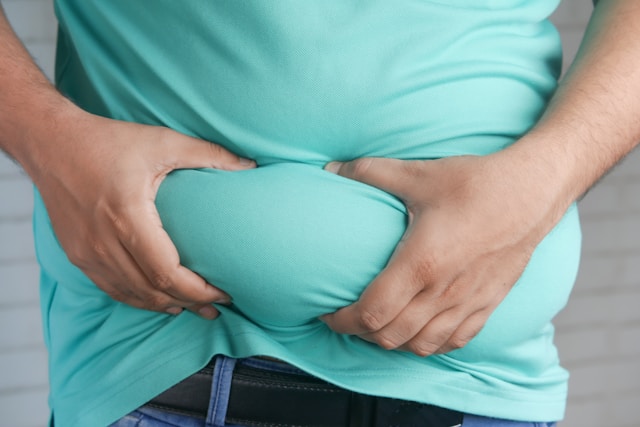
  • This “stress belly” is visceral fat – metabolically active fat linked to higher risks of heart disease and type 2 diabetes.
  • High cortisol can slow your metabolism, making it harder to burn calories even if your diet hasn’t changed.
  • Effective management targets the source (sleep, mindfulness) and offsets effects through balanced exercise and nutrition.

You’ve cut calories. You’ve tracked macros. You’ve done the morning cardio.

And still, your belly won’t budge.

Here’s what no diet plan tells you: your stress might be the real driver of your weight gain.

I’ve watched clients obsess over every bite while ignoring the silent hormonal storm wrecking their progress. They blame willpower. They blame genetics. They never look at cortisol.

Chronic stress doesn’t just make you feel tired and irritable. It actively changes how your body stores fat, craves food, and burns energy. You can eat perfectly and still gain weight if your stress is out of control.

This isn’t about adding another “relaxation technique” to your to‑do list. It’s about understanding the biology of stress and using targeted strategies to break the cycle.

The Hormone That Turns Stress Into Belly Fat

Direct Answer
Cortisol is your body’s primary stress hormone. In short bursts, it’s helpful – it mobilizes energy for “fight or flight.” But when stress becomes chronic, persistently high cortisol tells your body to store fat, especially deep visceral fat around your organs.

Here’s what most people miss: visceral fat isn’t just cosmetic. It’s metabolically active, releasing inflammatory compounds that increase your risk of heart disease and diabetes. And cortisol drives it directly.

Studies show that people with higher cortisol reactivity are more likely to reach for high‑fat, high‑sugar snacks when stressed – not because they’re weak, but because their brain is screaming for quick energy.

Your Application:

  • If you’re stuck at a weight plateau despite “perfect eating,” audit your stress levels before slashing more calories.
  • Recognize that evening cravings are often a cortisol spike, not a lack of discipline.
  • For a deeper look at hormonal drivers of weight, see BeeFit’s guide on metabolism myths.

Why Stress Cravings Are Not a Character Flaw

Direct Answer
Cortisol increases appetite, specifically for calorie‑dense, sugary, and fatty foods. This is a biological survival mechanism – your body thinks it needs immediate fuel to handle a threat. The problem is that modern stress doesn’t require a donut.

I’ve heard “I just have no willpower” hundreds of times. Then we lower stress, and suddenly the cravings vanish.

Research from Obesity Research found that people with high cortisol reactivity ate significantly more from a snack buffet after a stressful task compared to those with lower reactivity. They weren’t hungrier. Their hormones were hijacked.

Your Application

  • When a craving hits, ask: “Am I actually hungry, or is this stress?” If it’s stress, go for a 5‑minute walk or drink water first.
  • Keep healthy, easy options available (Greek yogurt, nuts, fruit) to redirect stress eating.
  • If you slip, don’t spiral. Stress + guilt is a double cortisol bomb.

The Metabolism Slowdown You Didn’t Know About

Direct Answer
Chronic cortisol elevation can reduce your resting metabolic rate, meaning you burn fewer calories at rest. It also promotes insulin resistance, making your body more likely to store calories as fat rather than use them for energy.

Here’s the cruel irony: you’re stressed, so you eat less to compensate. But your metabolism has already downshifted. You’re fighting a losing battle.

A study from Harvard Health linked chronic stress to increased belly fat independent of calorie intake. The mechanism is partly cortisol’s effect on fat cell differentiation – it actually encourages precursor cells to become fat cells, and those cells are more likely to be stored in the abdomen.

Your Application

  • Instead of aggressively cutting calories when you’re stressed, focus on stress reduction first. An extra hour of sleep may be more effective than dropping 300 calories.
  • Prioritize protein and fiber at every meal to stabilize blood sugar, which blunts cortisol spikes.
  • For a practical meal plan that supports hormone balance, check BeeFit’s stress‑friendly nutrition guide.

BeeFit Edge: The Stress‑Response Decision Tree

Use this simple flowchart to decide what to do when stress hits:

What you feelLikely causeWhat to do
Sudden craving for sugar or carbsCortisol spike + low blood sugarEat a protein‑fat snack (Greek yogurt, nuts) – NOT the cookie
Tired but wired, can’t sleepEvening cortisol too highNo screens. Try 4‑7‑8 breathing (inhale 4s, hold 7s, exhale 8s)
No appetite but gaining weightChronic high cortisol, metabolic slowdownPrioritize sleep and walking over intense workouts
Binge eating after stressEmotional eating patternRemove trigger foods temporarily. Use a 10‑minute “delay rule” before eating

How to use: Identify your pattern. Don’t treat all stress the same way. A cortisol spike needs a different response than chronic burnout.

The Exercise Paradox: Too Much Can Backfire

Direct Answer
Moderate exercise (walking, strength training, yoga) lowers baseline cortisol over time. But chronic, high‑intensity training (daily HIIT, long distance running without recovery) can keep cortisol elevated, especially if you’re already stressed.

This is the mistake I see ambitious people make. They feel stressed, so they punish themselves with brutal workouts. Their cortisol stays high. Their sleep suffers. Their belly fat doesn’t budge.

Research shows that balance is key. For stressed individuals, recovery days are as important as workout days.

Your Application

  • If you’re under chronic stress, limit HIIT to 1‑2 sessions per week. Prioritize walking, easy cycling, or strength training.
  • After a stressful day, opt for a 20‑minute walk instead of a killer workout. You’ll still get benefits without adding more cortisol.
  • Use the “Two‑Thirds Rule” from our sleep article: if you’re exhausted and stressed, reduce training intensity by 30‑50%.

The Sleep‑Stress Loop You Need to Break

Direct Answer
Poor sleep raises cortisol, and high cortisol disrupts sleep. This vicious cycle amplifies stress and weight gain. Breaking it requires prioritizing sleep consistency, not just duration.

People focus on “8 hours” but ignore timing. Going to bed at 11 PM one night and 1 AM the next wreaks havoc on your cortisol rhythm, even if total sleep is the same.

Your body’s cortisol should peak around 8‑9 AM and gradually decline through the day, reaching a low at bedtime. Erratic sleep schedules flatten that curve, leaving you tired in the morning and wired at night.

Your Application

  • Set a fixed wake‑up time, even on weekends. This anchors your cortisol rhythm.
  • Expose yourself to bright light (sunlight or a therapy lamp) within 30 minutes of waking to suppress melatonin and normalize cortisol.
  • If you wake up anxious at 3 AM (a classic high cortisol sign), try a small protein snack before bed (cottage cheese, casein shake) to stabilize blood sugar overnight.

FAQ: Stress & Weight Questions You Actually Ask

Q: Can stress cause weight gain even if I’m not eating more?
A: Yes. Cortisol can slow your metabolism and promote insulin resistance, making you store more fat from the same calories. But the most common driver is increased appetite – often without you realizing it.

Q: What’s the best exercise to lower cortisol?
A: Moderate, enjoyable movement – walking, easy cycling, strength training (not to failure), yoga. Avoid chronic high‑intensity training when you’re already stressed. Balance is everything.

Q: Are there foods that directly lower cortisol?
A: No single food “lowers cortisol,” but a diet that stabilizes blood sugar helps. Prioritize protein, fiber, and healthy fats. Avoid refined sugars and processed carbs that cause blood sugar crashes, which then spike cortisol.

Q: How does lack of sleep make stress worse?
A: Sleep deprivation directly raises cortisol while increasing ghrelin (hunger) and decreasing leptin (fullness). You’re hungrier, less satisfied, and your body is primed to store fat – a triple threat.

Q: Will managing stress help me lose belly fat specifically?
A: It’s a crucial component. Lowering cortisol reduces the drive to store visceral fat. But you still need a calorie deficit for overall fat loss. Stress management makes that deficit easier to sustain.

The Bottom Line: Stop Fighting Your Biology

You can’t out‑willpower a hormonal problem.

If you’ve been grinding on diets and workouts without results, look at your stress. Look at your sleep. Look at your recovery.

The fix isn’t another “cleanse” or a stricter meal plan. It’s managing cortisol so your body stops working against you.

Start with one change tonight: a fixed bedtime. Or a 10‑minute walk instead of scrolling. Or saying no to one unnecessary commitment.

Your belly didn’t appear overnight. It won’t disappear overnight. But when you stop blaming your diet and start addressing your stress, everything changes.

For a personalized plan that balances training, nutrition, and stress management, start a chat with BeeFit’s AI Fitness Planner at BeeFit.ai.

This article is for informational purposes only and is not a substitute for professional medical advice, diagnosis, or treatment. If you suspect a medical condition (e.g., Cushing’s syndrome, adrenal disorder), consult a physician. Always seek guidance before making significant changes to your diet, exercise, or stress management routine.

Photo: Towfiqu barbhuiya / Unsplash

Sleep Is Your Best Workout Tool. Stop Wasting It.

Quick Take

  • Deep sleep releases growth hormone, which repairs muscle tissue broken down during exercise – without it, your training is half as effective.
  • Sleep deprivation raises ghrelin (hunger) and lowers leptin (fullness), driving cravings for high‑calorie foods by up to 45%.
  • A single bad night can reduce muscle glycogen stores by 30%, leaving you weak and under‑fueled for your next workout.
  • For active individuals, the optimal sleep range is 8‑10 hours – more than the generic 7‑9, because your recovery demands are higher.

You track your protein. You follow your program. You never skip leg day. But you’re still tired, still hungry, and your progress has stalled.

Here’s what you’re missing: you can’t out‑train or out‑diet bad sleep.

Sleep is your body’s repair shift. It’s when growth hormone pulses, muscle fibers rebuild, and fat‑burning hormones reset. Neglect it, and you’re trying to build a house while the cement never dries.

Most fitness advice ignores sleep or treats it as an afterthought. “Get 7‑9 hours” is tossed in at the end, like a polite suggestion. But the science is brutal: without quality sleep, your workouts become maintenance, your cravings become uncontrollable, and your recovery never happens.

Let’s fix that.

The Muscle‑Building Magic That Happens When You’re Lying Still

Direct Answer
During deep (slow‑wave) sleep, your pituitary gland releases growth hormone, which directly stimulates protein synthesis and repairs the microscopic muscle tears from training.

Here’s what most people don’t realize: building muscle is a two‑step process.

Step one is the workout – you tear muscle fibers. Step two is sleep – you rebuild them stronger. Skip step two, and step one becomes pointless. You’re just damaging tissue without repairing it.

Growth hormone pulses are highest during deep sleep, typically in the first half of the night. If you cut sleep short, you cut those pulses short. Your body literally runs out of time to fix itself.

Your Application

  • Protect your first 4‑5 hours of sleep (where deep sleep concentrates) by keeping your room pitch black and cool (65‑68°F).
  • Avoid alcohol before bed. It fragments sleep architecture and blocks growth hormone release, even if you’re unconscious for 8 hours.
  • If you train hard, prioritize 8‑10 hours in bed – the extra hour makes a measurable difference in recovery.

The Hormonal Nightmare That Makes You Fatter and Hungrier

Direct Answer
Sleep deprivation raises cortisol (stress hormone that stores belly fat), spikes ghrelin (hunger hormone), and crashes leptin (fullness hormone). The result: you crave junk food and can’t feel satisfied.

I’ve watched clients blame their diet, their metabolism, or their “lack of willpower” for weight plateaus. Then we fix their sleep, and suddenly the cravings vanish.

It’s not magic. It’s biology.

A study found that short sleep increases cravings for high‑calorie, carb‑heavy foods by up to 45%. Your sleep‑deprived brain lights up like a Christmas tree when shown images of pizza and donuts. Meanwhile, your gut is screaming “feed me” while your satiety signals are muted.

This isn’t a character flaw. It’s neurochemistry.

Your Application

  • If you’re stuck in a weight loss plateau, fix your sleep before cutting more calories. An extra hour of sleep is often more effective than dropping 300 daily calories.
  • Recognize that late‑night cravings are often a sign of sleep debt, not a lack of discipline. Go to bed instead of raiding the fridge.
  • For a deeper dive into hunger hormones, see BeeFit’s guide on appetite control without suffering.

Why You Feel Weak After a Bad Night (And It’s Not in Your Head)

Direct Answer
Poor sleep depletes muscle glycogen (your stored energy) and impairs central nervous system recovery, reducing your strength and power output by as much as 10‑15%.

You know that feeling: you’re not sore, but the weights feel heavy. Your legs are lead. You give up after two sets.

That’s your CNS telling you it’s not ready.

Your muscles run on glycogen, which is restored during sleep. One bad night can drop glycogen stores by up to 30%. Meanwhile, your nervous system – which coordinates every contraction – needs deep sleep to reset. Without it, your brain literally cannot fire your muscles at full force.

Your Application

  • If you sleep poorly, don’t force a heavy deadlift or sprint workout. Swap it for light mobility, walking, or skill practice.
  • For evening workouts, finish at least 2‑3 hours before bed so your core temperature drops in time for deep sleep.
  • Use the “Two‑Thirds Rule”: if you got less than 2/3 of your normal sleep (e.g., 5 hours instead of 8), skip intense training. You’re not being lazy – you’re being smart.

BeeFit Edge: The Sleep‑Quality Checklist (Test Yourself Tonight)

Use this simple table to audit your sleep environment and habits. Each “yes” moves you closer to optimal recovery.

FactorIdealYour Check
Room temperature65‑68°F (18‑20°C)
LightPitch black (blackout curtains, no LEDs)
NoiseQuiet or consistent white noise
Bedtime consistencyWithin 30 min same time (including weekends)
Pre‑sleep screen timeZero screens 60 min before bed
Last mealFinished 2‑3 hours before bed
AlcoholNone within 4 hours of bedtime
CaffeineNone after 2 PM
Evening exerciseFinished 3 hours before bed (or very light only)

How to use: If you check fewer than 7 boxes, start with the easiest missing item. Don’t overhaul everything at once. One change this week – one next week.

The One Sleep Habit That Beats Every Supplement and Gadget

Direct Answer
A fixed wake‑up time (even on weekends) is more powerful than any sleep aid, tracker, or mattress. It trains your circadian rhythm to release cortisol and melatonin at the right times.

People obsess over devices and supplements. They buy blue‑blocking glasses, weighted blankets, and fancy apps. Then they sleep at midnight one night and 2 AM the next, wondering why they still feel tired.

Your internal clock needs consistency. When you wake at the same time daily, your body learns to anticipate sleep. It releases melatonin earlier, deepens your slow‑wave sleep, and optimizes growth hormone pulses.

Your Application

  • Set a wake‑up alarm – and a bedtime alarm. The bedtime alarm is the more important one.
  • On weekends, don’t sleep in more than 1 hour later than your weekday time. Social jetlag is still jetlag.
  • Anchor your morning with bright light (sunlight or a therapy lamp) within 30 minutes of waking. This reinforces your rhythm.

FAQ: Sleep & Fitness Questions You Actually Ask

Q: I can only get 6 hours. What should I do?
A: Protect those 6 hours fiercely. Make your room pitch black, cool, and quiet. Go to bed 15 minutes earlier to sneak extra time. Use a 20‑minute afternoon nap if possible. But honestly, 6 hours is a ceiling, not a goal. Prioritize sleep as much as you prioritize training.

Q: Are sleep trackers (Oura, Whoop) worth it?
A: They’re useful for spotting trends – like how alcohol or late workouts affect your HRV. But don’t obsess over nightly scores. Use them as a feedback tool, not a judge. Your subjective energy matters more than a device’s “readiness” number.

Q: What’s the best pre‑bed snack for recovery?
A: A small mix of protein and complex carbs, 30‑60 minutes before bed. Cottage cheese with berries, Greek yogurt, or a small whey shake. Avoid large, fatty, or spicy meals that disrupt digestion.

Q: Can training late ruin my sleep?
A: Yes, if it’s intense. Vigorous exercise within 2‑3 hours of bedtime raises core temperature and keeps your nervous system fired up. If you must train late, keep it light, cool down thoroughly, take a cool shower, and give yourself an extra hour to wind down.

Q: If I miss sleep, should I still train the next day?
A: Use the Two‑Thirds Rule. If you got less than 2/3 of your normal sleep (e.g., 5 instead of 8), skip intense training. Do active recovery (walking, stretching) instead. Forcing a heavy workout with a fatigued CNS increases injury risk with almost zero benefit.

The Bottom Line: Stop Treating Sleep as Lost Time

Sleep isn’t the opposite of productivity. It’s the engine of your progress.

Every rep, every calorie, every drop of sweat – it all gets processed while you’re unconscious. If you starve yourself of sleep, you’re stealing from your future self.

Start with one change tonight. Set a bedtime alarm. Put your phone in another room. Or simply go to bed 30 minutes earlier.

Your muscles will repair faster. Your cravings will quiet down. And your next workout will feel lighter.

For a personalized plan that balances training, nutrition, and recovery, start a chat with BeeFit’s AI Fitness Planner at BeeFit.ai.

This article is for informational purposes only and is not a substitute for professional medical advice, diagnosis, or treatment. If you suspect a sleep disorder (insomnia, apnea, restless legs), consult a physician or sleep specialist. Always seek guidance before making significant changes to your sleep or exercise routine.