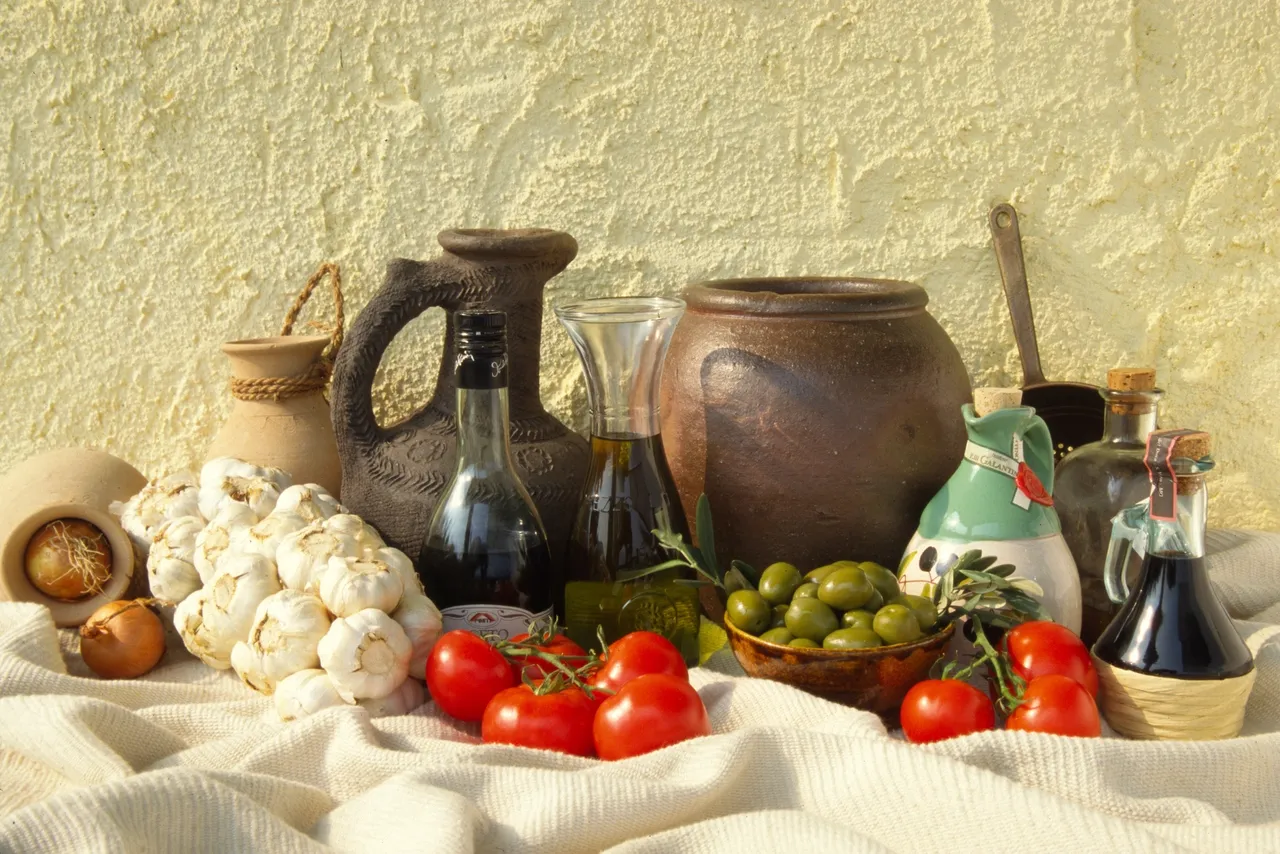
The best foods for gut health are not exotic powders or a single “superfood.” They are mostly familiar foods: fermented dairy, beans, oats, berries, vegetables, nuts, seeds, garlic, and onions. What matters most is eating them consistently, increasing fiber gradually, and choosing enough variety to feed many gut microbes.
Quick Take
- Choose both probiotic foods, such as yogurt, kefir, kimchi, and sauerkraut, and prebiotic foods, such as beans, oats, onions, garlic, leeks, and asparagus.
- Fiber is the daily foundation. Increase it slowly and drink enough fluid to reduce bloating or discomfort.
- Fermented foods may support microbial diversity, but not every fermented product contains live cultures.
- People with IBS, immune compromise, histamine intolerance, or major digestive symptoms should individualize changes with a clinician or registered dietitian.
Why the Best Foods for Gut Health Usually Come Back to Fiber
Your gut microbiome is a living ecosystem of bacteria, fungi, viruses, and other microorganisms. It interacts with digestion, immune function, metabolism, and the gut lining. The science is still developing, so it is better to avoid overclaiming. Still, one practical point is well supported: your microbes respond to what you repeatedly eat.
Dietary fibers and resistant starches escape digestion in the small intestine and reach the colon. There, gut bacteria can ferment them into short-chain fatty acids, including butyrate, acetate, and propionate. These compounds play roles in colon-cell fuel, gut-barrier function, and immune signaling. A review on short-chain fatty acids and human health explains why these fermentation products are central to the diet-microbiome relationship.
That is why a gut-friendly diet should not focus only on probiotics. Fermented foods can help, but the long-term base is a varied pattern rich in vegetables, fruit, legumes, whole grains, nuts, and seeds. For readers who want a broader gut-focused framework beyond food lists, BeeFit’s science-based gut health protocol covers digestion, stress, sleep, and daily habits in more detail.
Probiotic Foods: Fermented Options That May Help
Probiotics are live microorganisms that provide a health benefit when consumed in adequate amounts. Some fermented foods contain them, and manufacturers also add them to certain foods and supplements. The NIH notes that probiotic effects are strain-specific, meaning one product should not be assumed to do the same thing as another. Its probiotics fact sheet is a useful starting point if you are considering supplements or using probiotics around a medical issue.
For food, start with plain yogurt or kefir that lists “live and active cultures.” Greek yogurt also brings protein, calcium, and vitamin B12. That makes it easy to use at breakfast or as a snack. Kefir is thinner, tangier, and drinkable, so it works well in smoothies with berries, oats, or ground flaxseed.
Fermented vegetables such as kimchi, sauerkraut, and naturally fermented pickles can add flavor and live microbes if they are unpasteurized and refrigerated. Shelf-stable vinegar pickles are tasty, but they usually are not probiotic foods. Use a forkful with eggs, rice bowls, sandwiches, tacos, or roasted potatoes rather than treating them like a required supplement.
A Stanford clinical trial found that a diet rich in fermented foods increased microbiome diversity and reduced several inflammatory markers in healthy adults. That does not mean fermented foods cure inflammation or work the same for everyone. However, it supports making them a regular part of a varied diet. Stanford Medicine’s summary of the fermented-food diet study also highlights that dietary changes can measurably shift the microbiome.
Prebiotic Foods: What Your Beneficial Bacteria Eat
Prebiotics are substrates, often specific fibers or carbohydrates, that beneficial microbes can use. In everyday eating, that means foods such as beans, lentils, oats, barley, garlic, onions, leeks, asparagus, slightly green bananas, Jerusalem artichokes, nuts, seeds, and many vegetables.
Legumes are some of the best foods for gut health because they combine fiber, resistant starch, plant protein, potassium, magnesium, and affordability. If beans make you uncomfortable, start with small portions and rinse canned beans well. You can also try lentils or split peas, which many people tolerate more easily. Add them to soups, grain bowls, salads, chili, or blended dips.
Whole grains deserve a bigger role than they often get. Oats and barley provide beta-glucan, a soluble fiber associated with cholesterol and blood sugar benefits. Brown rice, quinoa, farro, and whole-grain bread can also help replace lower-fiber refined grains. BeeFit’s Mediterranean diet on a budget guide is useful if you want low-cost ways to build meals around beans, oats, lentils, vegetables, and olive oil.
Alliums such as garlic, onions, leeks, shallots, and scallions are small additions with a big payoff for flavor and prebiotic intake. Raw forms tend to preserve more fermentable compounds, but cooked alliums still contribute. If you follow a low-FODMAP diet or have IBS, these foods may trigger symptoms. Work with your tolerance rather than forcing them.
Plant Variety Among the Best Foods for Gut Health
The best foods for gut health work better as a pattern than as a checklist. A bowl with oats, kefir, blueberries, chia seeds, and walnuts gives your gut more to work with than a single isolated probiotic product. Dinner can do the same with lentils, roasted vegetables, greens, olive oil, herbs, and a spoonful of sauerkraut.
Berries, cherries, apples, citrus, cocoa, green tea, herbs, and spices provide polyphenols. These plant compounds interact with gut microbes and may support antioxidant and anti-inflammatory pathways. Effects vary by person and food, but the practical advice is simple: use color and flavor as cues. A wider range of plants usually means a wider range of fibers and phytochemicals.
Leafy greens and cruciferous vegetables also belong on the list. Spinach, kale, arugula, cabbage, broccoli, cauliflower, and Brussels sprouts provide fiber, folate, vitamin C, vitamin K, minerals, and glucosinolates. Rather than leaning on vague “detox” claims, think of these vegetables as nutrient-dense foods. They support normal liver and digestive function as part of an overall healthy diet.
Nuts and seeds make gut-friendly eating easier because they require almost no prep. Chia, flax, pumpkin seeds, almonds, pistachios, and walnuts add fiber and unsaturated fats to yogurt, oatmeal, salads, and snacks. If you are also trying to keep protein high while improving fiber, BeeFit’s guide to protein for muscle growth includes meal templates that pair well with whole grains, fruit, and vegetables.
A Practical Gut-Health Food Checklist
If you want a realistic way to apply this, stop trying to overhaul everything at once. Pick two or three changes and repeat them until they feel normal.
- Breakfast: oats with berries, chia or flax, and yogurt or kefir.
- Lunch: a bean, lentil, tuna, tofu, or chicken bowl with greens, whole grains, olive oil, and fermented vegetables.
- Dinner: roasted vegetables, a protein source, barley, quinoa, potatoes, or brown rice, plus garlic, onions, herbs, or spices.
- Snacks: fruit with nuts, Greek yogurt, hummus with vegetables, or whole-grain toast with nut butter.
- Weekly target: rotate your plants instead of eating the same three vegetables every day.
Increase fiber slowly, especially if your current diet is low in beans, whole grains, and vegetables. Jumping from very little fiber to large servings of legumes and raw vegetables can cause gas, bloating, or loose stools. Smaller portions, cooked vegetables, soaked or rinsed beans, and steady hydration usually make the transition easier.
Common Questions About the Best Foods for Gut Health
How quickly can food change gut health?
The gut microbiome can respond to dietary changes within days, but lasting benefits usually come from repeated habits over weeks and months. If you add fermented foods, beans, oats, and vegetables consistently, you are building a pattern rather than chasing a quick reset.
Are probiotic supplements necessary?
Not for everyone. Supplements may help in specific situations, but the strain, dose, and reason for use matter. For general wellness, many people do better with fiber-rich plants, fermented foods with live cultures, and minimally processed meals.
Should I eat fermented foods after antibiotics?
Some people use probiotic foods or supplements during or after antibiotics. Still, it is worth asking your healthcare provider, especially if you are immunocompromised, seriously ill, pregnant, or managing a digestive condition. If you do use probiotics with antibiotics, clinicians often recommend spacing them apart.
The Bottom Line
The best foods for gut health are practical, repeatable, and varied: yogurt or kefir, fermented vegetables, beans, lentils, oats, barley, berries, greens, cruciferous vegetables, nuts, seeds, garlic, onions, herbs, and spices. Start with one fermented food and one extra fiber-rich plant each day, then build from there. Your gut does not need perfection; it needs a consistent food environment that gives beneficial microbes something useful to ferment.
This article is for educational purposes only and is not intended to replace professional medical advice. Consult a healthcare professional or registered dietitian before making significant dietary changes, especially if you have digestive disorders, immune compromise, underlying health conditions, or take medications.
Discover more from BeeFit: Fitness & Wellness
Subscribe to get the latest posts sent to your email.
Share :