Natural ways to improve cholesterol can make a meaningful difference, especially when they target habits that affect LDL cholesterol, triglycerides, blood pressure, insulin sensitivity, and inflammation together. The goal is not to chase one number in isolation. It is to understand your risk, improve the parts you can influence, and know when medical guidance is needed.
Quick Take
- Soluble fiber from oats, beans, lentils, psyllium, and similar foods can modestly lower LDL cholesterol when used consistently.
- A standard lipid panel is useful, but apoB and lipoprotein(a) may add important context for some people.
- Exercise improves heart health beyond cholesterol by supporting blood pressure, insulin sensitivity, vascular function, and fitness.
- Replacing some saturated fat with unsaturated fats is more useful than simply “cutting fat.”
- Very high LDL, strong family history, or elevated Lp(a) should be discussed with a clinician rather than managed with lifestyle alone.
Why Cholesterol Numbers Need Context
Most cholesterol discussions focus on LDL cholesterol, HDL cholesterol, total cholesterol, and triglycerides. Those numbers matter. LDL cholesterol remains a major treatment target because lower LDL strongly links with lower risk of atherosclerotic cardiovascular disease.
Still, LDL cholesterol does not tell the whole story for everyone. LDL-C measures how much cholesterol LDL particles carry. ApoB helps estimate the number of atherogenic particles, including LDL and other particles that can contribute to plaque buildup. The American Heart Association notes that apoB can give clinicians a clearer picture of risk in certain situations: apolipoprotein B testing.
This is most relevant when triglycerides are high, diabetes or insulin resistance is present, or cardiovascular risk is already elevated. ApoB is not a replacement for medical judgment, but it can help refine decisions.
Lipoprotein(a), often written as Lp(a), is another marker worth knowing. It is largely genetic and usually does not change much with diet or exercise. The European Atherosclerosis Society recommends measuring Lp(a) at least once in adults to help identify inherited cardiovascular risk: Lp(a) consensus statement.
Your application: if you have a family history of early heart attack or stroke, very high LDL cholesterol, high triglycerides, diabetes, or unexplained risk, ask your clinician whether apoB and Lp(a) testing are appropriate.
Natural Ways to Improve Cholesterol With Food
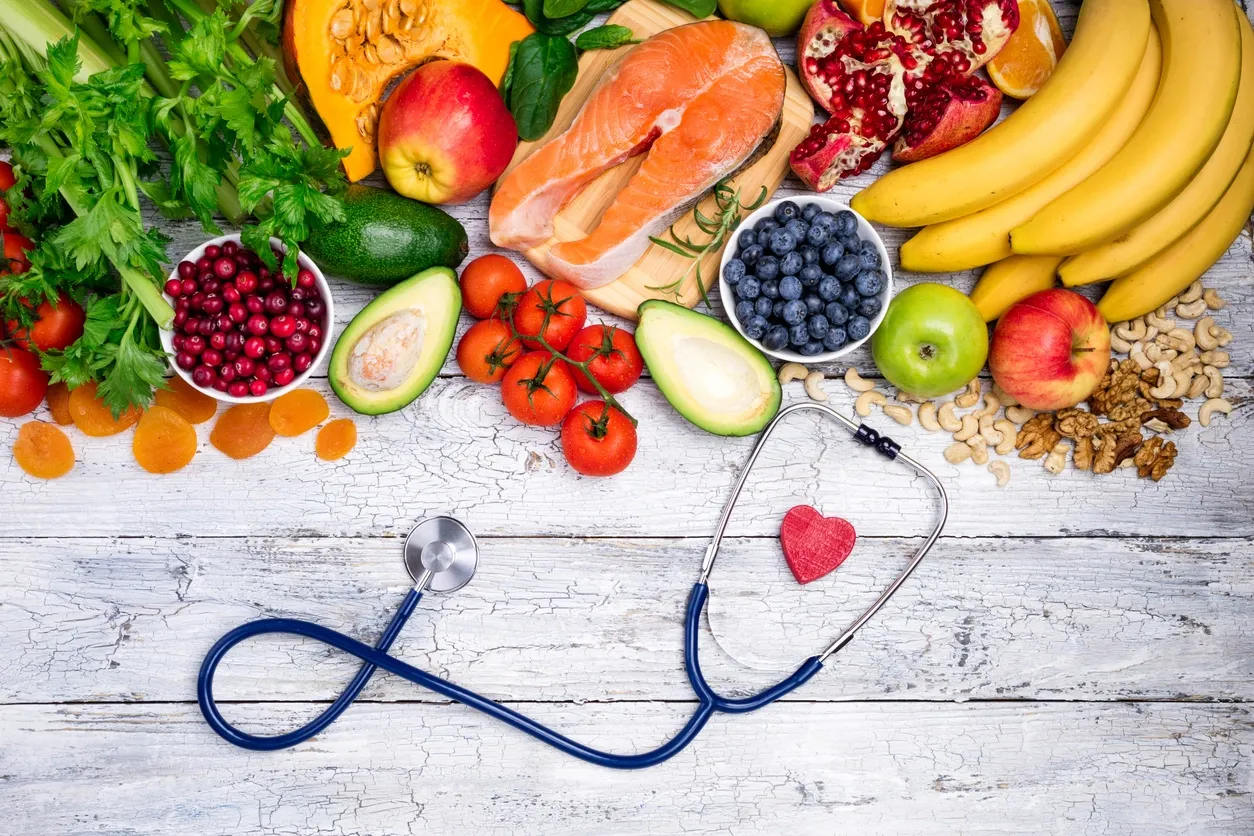
Food changes work best when they are specific. “Eat healthier” is too vague. For cholesterol, the most reliable nutrition levers are soluble fiber, replacing some saturated fat with unsaturated fat, and building meals around minimally processed plant foods.
Soluble fiber binds bile acids in the digestive tract, which can increase cholesterol clearance. A systematic review and dose-response meta-analysis of randomized controlled trials found that soluble fiber supplementation reduced LDL cholesterol and total cholesterol on average: soluble fiber and blood lipids.
Practical targets are simple. Aim for 5–10 grams of soluble fiber daily from oats, barley, beans, lentils, apples, chia seeds, ground flax, and psyllium. Psyllium can be useful because it is concentrated, but start low and increase gradually. Take it with plenty of water. If you use medications, ask a pharmacist or clinician about timing because fiber supplements can affect absorption.
Fat quality also matters. Replacing butter, high-fat processed meats, and frequent cheese-heavy meals with olive oil, nuts, seeds, avocado, and fish can lower LDL for many people. This does not mean every gram of saturated fat must disappear. Instead, your usual pattern should lean toward unsaturated fats and whole foods.
The Mediterranean eating pattern is a useful model. It combines vegetables, legumes, whole grains, nuts, olive oil, fish, and moderate portions rather than relying on one “cholesterol-lowering” food. In the PREDIMED trial, Mediterranean diets supplemented with extra-virgin olive oil or nuts reduced major cardiovascular events in high-risk adults: Mediterranean diet cardiovascular trial. For a broader look at sustainable eating patterns, BeeFit’s guide to science-backed diets explains why Mediterranean-style and DASH-style approaches are easier to maintain than extreme plans.
How Exercise Supports Cholesterol and Heart Health
Exercise can improve cholesterol, but its bigger value is cardiovascular protection. Regular activity can lower triglycerides, modestly raise HDL cholesterol, improve insulin sensitivity, support blood pressure, reduce visceral fat, and improve cardiorespiratory fitness.
The baseline target is not complicated. The CDC recommends at least 150 minutes per week of moderate-intensity aerobic activity plus two days of muscle-strengthening work for adults: adult physical activity guidelines. Brisk walking, cycling, swimming, hiking, rowing, or an elliptical session can all count if the intensity is appropriate.
For cholesterol specifically, consistency matters more than a perfect workout style. Moderate cardio helps many people stick with training because it is recoverable. Strength training preserves muscle and improves glucose handling, which can indirectly support triglycerides and metabolic health.
If you are rebuilding fitness, start with three 20–30 minute walks each week and two short strength sessions. Progress only when that feels repeatable. BeeFit’s Zone 2 cardio guide can help you structure easier aerobic work, while heart health after 40 explains how consistent training supports cardiovascular function beyond calorie burn.
If you have chest pain, unexplained shortness of breath, dizziness, known heart disease, uncontrolled high blood pressure, or several cardiovascular risk factors, get medical clearance before vigorous training.
When Genetics Limit Cholesterol Results
Natural ways to improve cholesterol are valuable, but they have limits. Some people can make strong lifestyle changes and still have high LDL because of inherited risk, thyroid disease, kidney disease, menopause-related changes, medications, or other medical factors.
Familial hypercholesterolemia is one example. People with this condition experience high LDL cholesterol from early life, often with LDL levels around 190 mg/dL or higher. Lifestyle still matters, but it is usually not enough by itself. A qualified clinician should guide medication decisions, especially when LDL is very high or premature cardiovascular disease runs in the family.
Lp(a) is another reason not to blame yourself if cholesterol-related risk does not respond as expected. Because Lp(a) is mostly inherited, diet and exercise may improve overall health without lowering that specific marker much. In that case, risk reduction often focuses on LDL cholesterol, blood pressure, smoking, blood sugar, sleep, and fitness.
A useful approach is to repeat labs after 8–12 weeks of consistent nutrition and exercise changes. Then review the pattern with your healthcare provider. Bring a family history, medication list, and notes on what you changed so the conversation is concrete.
A Practical Cholesterol Plan You Can Actually Follow
The best plan is boring in the right way: repeatable meals, enough fiber, regular movement, and smart medical follow-up. Start with the highest-impact changes rather than trying to overhaul everything at once.
- Add one soluble-fiber anchor daily: oats at breakfast, beans at lunch, lentils at dinner, or psyllium if tolerated.
- Swap one saturated-fat-heavy choice each day for an unsaturated-fat option, such as olive oil, nuts, seeds, fish, or avocado.
- Build toward 150 minutes of moderate cardio weekly before worrying about advanced intervals.
- Lift or do bodyweight strength training twice per week, using movements you can perform safely.
- Ask about apoB and Lp(a) if your family history, triglycerides, LDL level, or overall risk suggests more testing may help.
These natural ways to improve cholesterol can stack together. A small LDL reduction from fiber, another from fat replacement, improved triglycerides from activity, and better blood pressure from weight management may add up to a more meaningful cardiovascular shift than any single tactic alone.
FAQ
How quickly can lifestyle changes lower cholesterol?
Some people see measurable changes within 6–12 weeks, especially with consistent fiber intake, reduced saturated fat, weight loss if needed, and regular exercise. Genetics and medical factors can limit the size of the change.
Do cholesterol supplements replace diet and exercise?
No. Psyllium, plant sterols, and omega-3 products may help specific markers for some people. They work best as additions to a solid nutrition pattern, training plan, sleep, and medical care when needed.
Should I stop cholesterol medication if my habits improve?
Do not stop or change medication without your prescribing clinician. Lifestyle improvements may affect your treatment plan, but decisions should reflect your full risk profile and follow-up labs.
The Bottom Line
Natural ways to improve cholesterol work best when they are specific, measurable, and paired with appropriate testing. Prioritize soluble fiber, unsaturated fats, regular aerobic activity, strength training, and a clinician-guided understanding of apoB, Lp(a), LDL, and family history.
This article is for informational purposes only and is not a substitute for professional medical advice, diagnosis, or treatment. Always consult with a qualified healthcare provider before starting a new exercise or nutrition program, changing medication, or making decisions about cholesterol treatment.
Discover more from BeeFit: Fitness & Wellness
Subscribe to get the latest posts sent to your email.
Share :