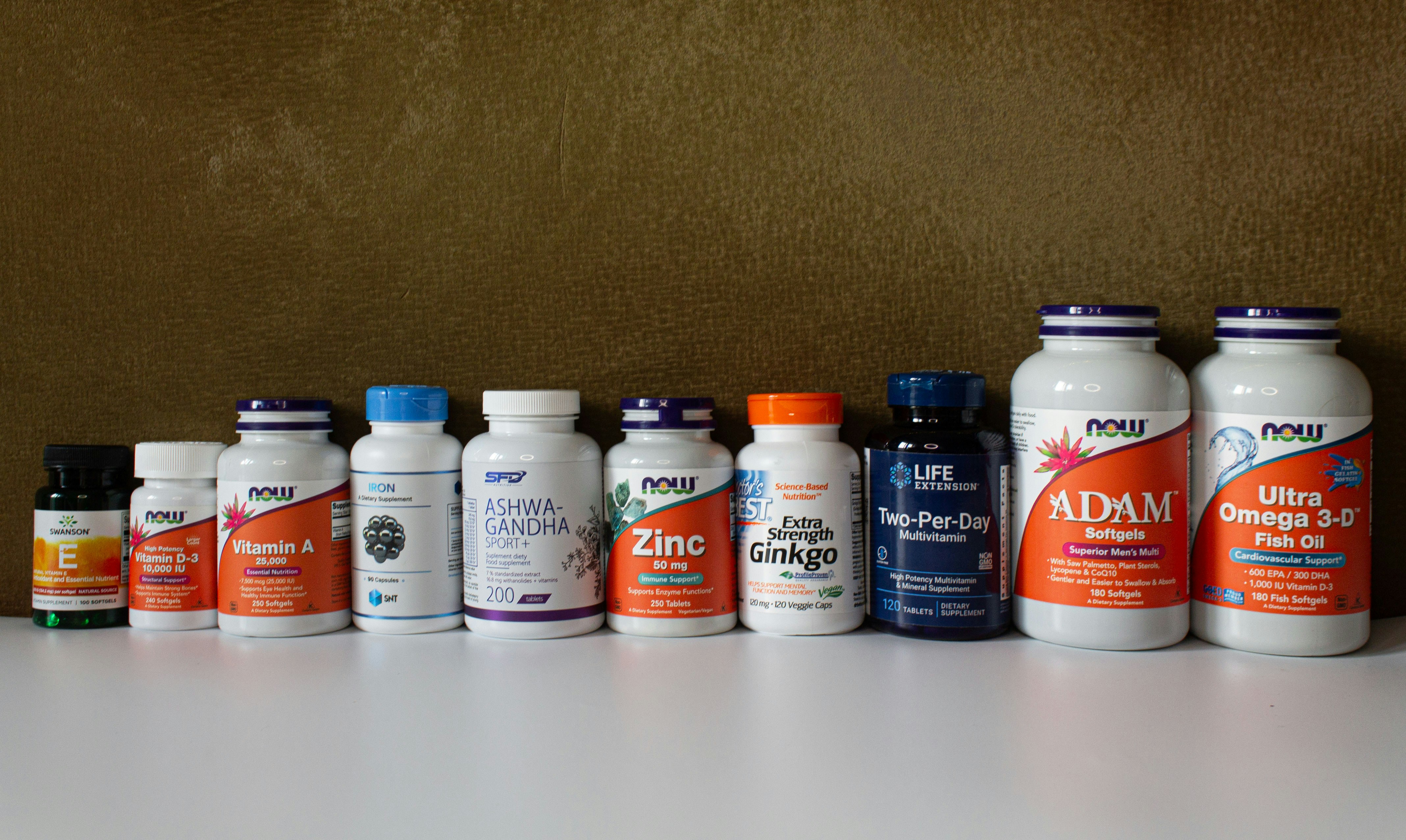
Muscle recovery supplements can help, but they cannot rescue bad sleep, poor programming, low protein, dehydration, or training too hard every week. The best recovery stack starts with the basics: enough protein, smart training, sleep, hydration, and a few evidence-backed supplements used for the right reason.
Quick Take
- The best-supported muscle recovery supplements are protein, creatine monohydrate, and — in specific cases — omega-3s, tart cherry, collagen with vitamin C, curcumin, magnesium, and HMB.
- Protein and creatine are the strongest foundation for most lifters.
- Tart cherry and curcumin may help soreness around hard training blocks, but they are not daily essentials for everyone.
- Collagen plus vitamin C is more about tendon and connective-tissue support than direct muscle growth.
- Magnesium is most useful if intake is low, sleep is poor, or cramping/recovery feels off.
- HMB may help during calorie deficits, injury layoffs, or high-stress training, but it is not necessary if protein and training are already solid.
The goal is not to take every supplement.
The goal is to choose the few that match your training, recovery problem, and health status.
What Muscle Recovery Actually Needs
Muscle recovery is not just “soreness going away.”
After hard training, your body has to repair muscle fibers, restore glycogen, calm unnecessary inflammation, rebuild connective tissue, and reset the nervous system.
That process depends on five things:
- Training load you can recover from
- Enough total calories and protein
- Carbohydrates when training volume is high
- Hydration and electrolytes
- Sleep and stress control
Supplements can support this process, but they are not the foundation.
If you are sleeping five hours, skipping meals, and training to failure every session, no recovery stack will fix the real problem.
Start with the basics first.
For a training structure that is easier to recover from, read BeeFit’s guide to Strength Training After 40.
Best Muscle Recovery Supplements: Evidence Ranking
Not all recovery supplements deserve the same level of confidence.
Use this simple ranking:
| Tier | Supplements | Best Use |
|---|---|---|
| Foundation | Protein, creatine | Most lifters and athletes |
| Useful for specific goals | Omega-3s, tart cherry, collagen + vitamin C, magnesium | Soreness, joints, sleep, tendon support, low intake |
| Conditional | Curcumin, HMB | Hard training blocks, calorie deficits, injury layoffs |
| Usually unnecessary | BCAAs, “recovery blends,” detox powders | Often redundant or underdosed |
This does not mean the lower-tier supplements are useless.
It means they should come after the basics.
Protein and Leucine
Protein is the first recovery supplement to fix.
It provides the amino acids your body needs to repair and build muscle after training. Leucine is especially important because it helps trigger muscle protein synthesis.
The International Society of Sports Nutrition position stand recommends about 0.25 g of high-quality protein per kilogram of body weight per serving, or about 20–40 g per serving, with enough leucine and essential amino acids: ISSN protein position stand.
Practical dose
- 20–40 g high-quality protein per meal or shake
- Spread across 3–5 meals per day
- Aim for a daily total that fits your body size and training
Best options
- Whey protein
- Greek yogurt
- Eggs
- Fish
- Chicken
- Lean meat
- Soy protein
- Tofu or tempeh
- Plant protein blends
Who benefits most
- Lifters who under-eat protein
- People in a calorie deficit
- Older adults
- People training hard 3–5 days per week
- Anyone skipping breakfast or post-workout meals
Protein powder is not magic. It is just a convenient way to hit your target.
Creatine Monohydrate
Creatine monohydrate is one of the best-supported sports supplements.
It helps your muscles produce energy during repeated high-intensity efforts. Over time, that can support strength, training volume, and better performance in the gym.
The International Society of Sports Nutrition position stand supports creatine monohydrate as a well-studied and effective supplement for exercise performance and training adaptations: ISSN creatine position stand.
Practical dose
- 3–5 g creatine monohydrate daily
- Loading is optional
- Timing matters less than consistency
Best form
Creatine monohydrate.
You do not need fancy creatine blends.
Who benefits most
- Strength trainees
- Athletes doing repeated hard efforts
- Older adults trying to preserve strength
- People trying to build or maintain muscle
Creatine is not a stimulant. You do not need to take it before training. Take it daily.
Omega-3 Fish Oil
Omega-3s may help some people with inflammation, soreness, and recovery, especially when dietary intake of fatty fish is low.
However, the effects are not always dramatic. Recent reviews suggest omega-3 supplementation may improve some recovery markers, but results for delayed-onset muscle soreness are mixed: omega-3 and post-exercise recovery review.
Practical dose
- Often 1–3 g combined EPA + DHA per day
- Choose third-party tested products
- Food-first option: salmon, sardines, trout, mackerel
Who benefits most
- People who rarely eat fatty fish
- People with high training volume
- People focused on general health plus recovery
Caution
Talk to a clinician first if you take blood thinners, have a bleeding disorder, or are preparing for surgery.
Tart Cherry
Tart cherry is one of the better “event-based” recovery tools.
It may help reduce soreness and strength loss after hard training, especially if taken for several days before and after a demanding event or training block.
A systematic review and meta-analysis found tart cherry supplementation may support recovery after strenuous exercise: tart cherry recovery meta-analysis.
Practical use
- Best around races, competitions, hard leg days, or high-volume weeks
- Often used for several days before and after the hard event
- Juice, concentrate, or capsules can work depending on the product
Who benefits most
- Runners
- Lifters doing high-volume blocks
- People with hard eccentric training
- Athletes with competitions or events
Watch-out
Tart cherry juice can add sugar and calories. Capsules may be easier during fat-loss phases.
Curcumin
Curcumin, the active compound in turmeric, may help reduce exercise-induced soreness and some muscle damage markers.
A 2024 meta-analysis reported improvements in creatine kinase, soreness, and other markers with curcumin supplementation: curcumin and exercise-induced muscle damage meta-analysis.
Practical use
- Best for short training blocks, soreness management, or high-volume periods
- Look for enhanced absorption forms, such as curcumin with piperine or phospholipid complexes
Who benefits most
- People with hard eccentric training
- Lifters during high-volume phases
- Athletes who struggle with soreness
Caution
Curcumin may interact with some medications and may not be appropriate before surgery or for people with certain gallbladder or bleeding-risk issues. Ask a clinician if unsure.
HMB
HMB is a metabolite of leucine.
It may help reduce muscle protein breakdown in certain situations, but it is not a must-have supplement for most healthy lifters who already eat enough protein.
HMB is most interesting when recovery is compromised.
Practical dose
- Commonly 3 g per day
- Usually divided into 2–3 doses
Who may benefit
- Beginners starting hard training
- Older adults
- People in a calorie deficit
- People coming back from injury or layoffs
- Athletes in very high-stress training blocks
Who probably does not need it
- Lifters already eating enough protein
- People progressing well
- People expecting HMB to replace training or nutrition
Use HMB as a targeted tool, not a foundation.
Collagen Peptides + Vitamin C
Collagen is not a complete protein and should not replace whey, eggs, meat, dairy, soy, or other complete proteins.
Its better use is connective-tissue support.
Collagen or gelatin paired with vitamin C before loading exercise has been studied for collagen synthesis and tendon/ligament support: vitamin C-enriched gelatin and collagen synthesis.
Practical use
- 10–15 g collagen or gelatin
- Pair with a vitamin C source
- Take 30–60 minutes before tendon-loading exercise
Best use cases
- Tendon issues
- Joint discomfort
- Return-to-training phases
- Older lifters
- Jumping, sprinting, or heavy lifting blocks
Collagen is useful, but it is not your main muscle-building protein.
For more detail, read BeeFit’s guide to Collagen for Women.
Magnesium and Electrolytes
Magnesium supports normal muscle and nerve function. It may also help recovery if your intake is low.
A 2024 systematic review reported that magnesium supplementation reduced muscle soreness and supported recovery in some exercise settings: magnesium and muscle soreness review.
Practical dose
- Often 200–400 mg elemental magnesium per day
- Magnesium glycinate or citrate are common options
- Take in the evening if it helps relaxation or sleep
Who benefits most
- People with low dietary magnesium
- Heavy sweaters
- People with poor sleep
- People training hard in hot climates
- People with cramps or recovery issues
Caution
Too much magnesium can cause diarrhea. People with kidney disease should not supplement without medical guidance.
Electrolytes also matter if you sweat heavily, train in heat, do long workouts, or follow a low-carb diet.
How to Build a Muscle Recovery Supplements Stack
Do not start with eight supplements.
Start with a simple stack and add only when needed.
Basic stack
- Protein as needed to hit your daily target
- Creatine monohydrate, 3–5 g daily
- Water and electrolytes when sweat loss is high
Optional add-ons
- Omega-3 if fatty fish intake is low
- Magnesium if intake or sleep is poor
- Collagen + vitamin C if tendon or joint support is a goal
- Tart cherry around hard events or high-volume weeks
- Curcumin during soreness-heavy training blocks
- HMB during calorie deficits, injury layoffs, or high-stress training
Quality control
Choose supplements that are third-party tested when possible.
Look for labels such as:
- NSF Certified for Sport
- Informed Sport
- USP Verified
This matters because supplement quality varies, and athletes may need to avoid banned or contaminated products.
When Muscle Recovery Supplements Are Not Enough
Supplements are not the fix if your training plan is broken.
You may need to adjust training if:
- Soreness lasts more than 72 hours every week
- Performance drops for multiple sessions
- Sleep gets worse
- Joints feel irritated
- Motivation crashes
- Resting heart rate stays elevated
- You feel run down between workouts
In that case, the answer is usually not more supplements.
The answer may be:
- Fewer sets
- More rest days
- Better sleep
- More calories
- More carbohydrates
- Better hydration
- Lower intensity for one week
Recovery is not just what you take.
It is what you stop overdoing.
Muscle Recovery Supplements FAQ
Can I take protein and creatine together?
Yes. Protein and creatine can be taken together. Creatine timing is not very important, so adding it to a shake is fine.
Do I need BCAAs if I already take whey protein?
Usually no. Whey already contains BCAAs and essential amino acids. If total protein is adequate, BCAAs are usually unnecessary.
Are muscle recovery supplements safe?
Many common supplements are safe for healthy adults when used appropriately, but “natural” does not always mean safe. Check with a healthcare professional if you are pregnant, nursing, have kidney or liver disease, take medications, or have a medical condition.
What is the best supplement for soreness?
Tart cherry, curcumin, omega-3s, and magnesium may help some people, but the biggest levers are training load, sleep, hydration, and protein.
What is the best supplement for strength recovery?
Creatine monohydrate and adequate protein are the strongest starting points.
Should I take anti-inflammatory supplements every day?
Not always. Some inflammation is part of adaptation. Use tart cherry or curcumin strategically around hard training blocks instead of assuming more is always better.
Can collagen replace protein powder?
No. Collagen is not a complete protein. Use it for connective-tissue support, not as your main muscle-building protein.
What should I take after a workout?
A simple post-workout option is 20–40 g protein, water, and a balanced meal within a few hours. Creatine can be taken any time of day.
Bottom Line on Muscle Recovery Supplements
Muscle recovery supplements can help, but only after the foundation is in place.
Start with:
- Enough protein
- Creatine monohydrate
- Smart training volume
- Sleep
- Hydration
- Carbs when training is hard
- Rest days when needed
Then add targeted tools if they match your situation.
Tart cherry works best around hard events or high-volume weeks.
Collagen with vitamin C fits best when connective-tissue support is the goal.
Magnesium may help if intake is low, sleep is poor, or training volume is high.
Omega-3s make sense if fatty fish intake is low.
Curcumin or HMB should be reserved for specific cases, such as soreness-heavy training blocks, calorie deficits, or injury layoffs.
The best recovery stack is not the biggest one.
It is the one that solves the actual recovery problem.
For a personalized training and recovery plan based on your schedule, equipment, soreness, and goals, try the BeeFit AI Calculator.
Related BeeFit Guides
- Strength Training After 40
- Collagen for Women: The Protein Plan That Actually Works After 30
- BeeFit AI Calculator
This article is for informational purposes only and is not medical advice. Supplements can interact with medications and may not be safe for everyone. Talk with a qualified healthcare professional before starting a new supplement, especially if you are pregnant, nursing, managing kidney or liver disease, taking blood thinners, preparing for surgery, or treating a medical condition.
Discover more from BeeFit: Fitness & Wellness
Subscribe to get the latest posts sent to your email.
Share :