Women’s Fitness After 40: Build Muscle, Lose Fat, Protect Your Bones, and Feel Strong Again
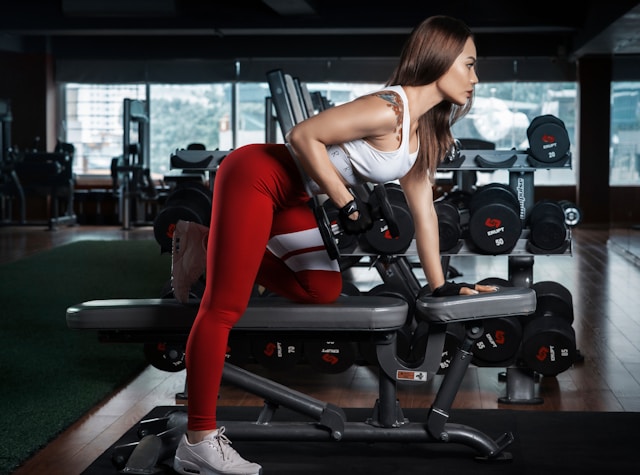
Women’s fitness after 40 is not about training harder to prove you still can. It is about training smarter because your body has different priorities now.
After 40, muscle becomes more important, not less. Protein matters more. Recovery becomes less forgiving. Bone health deserves attention. Sleep, stress, hormones, and strength training all become part of the same conversation.
This does not mean fitness has to become complicated. In fact, the opposite is true. The best plan for women after 40 is usually built around a few repeatable habits: lift weights, eat enough protein, walk often, train your heart, protect your joints, sleep well, and avoid crash diets that make the next month harder.
Women’s fitness after 40 works best when the goal is not just to look leaner. The goal is to build a body that feels capable, resilient, and strong for the next decade.
Quick Take
- Women’s fitness after 40 should prioritize strength training, protein, bone health, cardio, mobility, and recovery.
- Strength training is the foundation because it helps preserve muscle, support metabolism, and protect bones.
- Fat loss after 40 works better with a moderate calorie deficit, not aggressive dieting.
- Protein becomes more important because muscle is harder to build and easier to lose with age.
- Walking, Zone 2 cardio, and intervals support heart health without requiring punishing workouts.
- Recovery, sleep, and stress management are not optional; they shape results.
- Supplements can help fill gaps, but they do not replace training, food, and consistency.
The goal is not to train like you are 25. The goal is to become stronger, leaner, and more capable with the body you have now.
Why Women’s Fitness After 40 Feels Different
Many women notice a shift after 40. The same diet does not work as easily. Recovery takes longer. Belly fat may become harder to lose. Sleep may become lighter. Strength can decline if it is not trained. Perimenopause may start changing energy, mood, hunger, temperature regulation, and body composition.
This is not failure. It is physiology.
Estrogen changes can influence where fat is stored, how sleep feels, how joints recover, and how easily muscle is maintained. At the same time, normal aging can gradually reduce muscle and bone density unless you train against it.
That is why the best approach is not simply “eat less and do more cardio.” That strategy often backfires by increasing fatigue, hunger, and muscle loss.
A smarter plan focuses on five pillars:
| Pillar | Why it matters after 40 |
|---|---|
| Strength training | Preserves muscle, bone, balance, metabolism, and function |
| Protein | Supports muscle repair, appetite control, and body composition |
| Cardio | Supports heart health, endurance, blood pressure, and energy |
| Mobility and balance | Protects joints, movement quality, and fall prevention |
| Recovery | Supports hormones, sleep, training adaptation, and consistency |
Women’s fitness after 40 is not one workout. It is a system.
The Women’s Fitness After 40 Framework
The strongest plan is not built around one extreme method. It combines strength, food, movement, and recovery in a way you can repeat.
Use this framework:
| Goal | Weekly target |
|---|---|
| Strength training | 3 days per week |
| Walking | Most days |
| Moderate cardio | 2–3 sessions per week |
| Mobility | 5–10 minutes most days |
| Protein | At every meal |
| Sleep | 7–9 hours when possible |
| Recovery | At least 1–2 easier days weekly |
The CDC recommends adults aim for 150 minutes of moderate-intensity activity each week plus at least 2 days of muscle-strengthening activity: CDC adult activity guidelines.
For women over 40, that guidance is the floor, not the ceiling. The most important upgrade is making strength training a consistent part of the week.
Strength Training Is the Foundation
Strength training is the most important part of women’s fitness after 40.
It helps preserve the tissue that shapes your body, supports your metabolism, protects your joints, and keeps you physically independent. Muscle is not just about appearance. It is a health asset.
ACOG notes that weight-bearing exercise can help keep bones strong, while strength training strengthens muscles and bones through resistance: ACOG menopause years guide.
A good strength plan should include:
- Squat or leg press pattern
- Hip hinge pattern
- Push pattern
- Pull pattern
- Lunge or step-up pattern
- Core stability
- Carries or loaded walking
- Mobility and balance work
You do not need a bodybuilding program. You need progressive resistance.
That means your body gets a reason to adapt over time.
Best Strength Exercises for Women After 40
| Movement pattern | Examples |
|---|---|
| Squat | Goblet squat, leg press, box squat |
| Hinge | Romanian deadlift, hip thrust, kettlebell deadlift |
| Push | Push-up, dumbbell press, chest press machine |
| Pull | Row, lat pulldown, assisted pull-up |
| Single-leg | Step-up, split squat, reverse lunge |
| Core | Dead bug, plank, Pallof press |
| Carry | Farmer’s carry, suitcase carry |
Start where your body is. Machines are fine. Dumbbells are fine. Bodyweight is fine. The key is progression, not perfection.
Read more: Strength Training After 40
Weekly Women’s Fitness After 40 Plan
Here is a realistic weekly structure for women’s fitness after 40.
| Day | Focus |
|---|---|
| Monday | Full-body strength |
| Tuesday | Walk + mobility |
| Wednesday | Full-body strength |
| Thursday | Zone 2 cardio or brisk walk |
| Friday | Full-body strength |
| Saturday | Longer walk, hike, bike, or intervals |
| Sunday | Recovery, mobility, easy movement |
This plan works because it gives you enough strength training to progress, enough cardio for heart health, and enough recovery to avoid burnout.
Sample 3-Day Strength Plan for Women’s Fitness After 40
Use this as a simple weekly strength template. Do the workouts on nonconsecutive days if possible, such as Monday, Wednesday, and Friday.
| Day | Exercise | Sets | Reps |
|---|---|---|---|
| Workout A | Goblet squat | 3 | 8–10 |
| Workout A | Dumbbell Romanian deadlift | 3 | 8–10 |
| Workout A | Incline push-up or dumbbell press | 3 | 8–12 |
| Workout A | Seated row | 3 | 10–12 |
| Workout A | Step-up | 2 | 8 each side |
| Workout A | Dead bug | 2 | 8 each side |
| Workout B | Leg press | 3 | 8–12 |
| Workout B | Hip thrust | 3 | 8–12 |
| Workout B | Lat pulldown | 3 | 10–12 |
| Workout B | Dumbbell shoulder press | 2–3 | 8–10 |
| Workout B | Reverse lunge | 2 | 8 each side |
| Workout B | Farmer’s carry | 3 | 30–45 seconds |
| Workout C | Box squat | 3 | 8–10 |
| Workout C | Kettlebell deadlift | 3 | 8–10 |
| Workout C | Chest press machine | 3 | 8–12 |
| Workout C | One-arm dumbbell row | 3 | 10 each side |
| Workout C | Glute bridge | 2–3 | 10–12 |
| Workout C | Pallof press | 2 | 10 each side |
Keep 1–3 reps in reserve on most sets. You should work hard, but you do not need to destroy yourself to get stronger.
Protein for Women’s Fitness After 40
Protein is one of the most important nutrition levers for women after 40.
It supports muscle repair, helps with appetite control, and makes fat loss less likely to come at the cost of lean tissue. If you strength train but under-eat protein, you make results harder.
The International Society of Sports Nutrition position stand supports a daily protein range around 1.4–2.0 grams per kilogram of body weight for many people who exercise regularly: ISSN protein position stand.
A practical starting point:
| Body weight | Daily protein target |
|---|---|
| 130 lb | 85–120 g/day |
| 150 lb | 95–135 g/day |
| 170 lb | 110–155 g/day |
| 190 lb | 120–170 g/day |
You do not have to hit the top of the range immediately. Start by adding protein to breakfast, then build from there.
Protein Meal Examples
| Meal | Protein-focused option |
|---|---|
| Breakfast | Greek yogurt, berries, chia, protein powder |
| Lunch | Chicken salad bowl with beans and avocado |
| Dinner | Salmon, potatoes, vegetables |
| Snack | Cottage cheese or protein smoothie |
| Plant-based | Tofu bowl, lentils, edamame, tempeh |
The best plan is not the one that looks perfect on paper. It is the one you can eat consistently.
Read more: Protein for Muscle Growth
Fat Loss and Women’s Fitness After 40
Fat loss after 40 is possible, but the old approach often stops working.
The mistake is cutting calories too hard, doing too much cardio, and ignoring muscle. That may lower the scale temporarily, but it can also increase hunger, reduce training performance, and make your body feel softer because muscle is not being protected.
A better fat-loss plan uses a moderate deficit, high protein, strength training, walking, and sleep.
| Old approach | Better approach |
|---|---|
| Slash calories | Use a moderate deficit |
| More cardio only | Lift weights and walk |
| Skip meals randomly | Build protein-forward meals |
| Chase detoxes | Improve food quality |
| Weigh daily and panic | Watch weekly trends |
| Train harder when tired | Recover better and stay consistent |
A realistic target is slow fat loss while maintaining strength. If your lifts are dropping, your sleep is worse, and your hunger is out of control, the deficit is probably too aggressive.
Read more: Fat Loss After 40
Cardio Still Matters
Strength training is the foundation, but cardio still matters.
Cardio supports heart health, blood pressure, endurance, mood, recovery, and daily energy. The mistake is thinking cardio has to be punishing to count.
For women after 40, cardio should include a mix of easy and moderately challenging work.
| Cardio type | Best use |
|---|---|
| Walking | Daily movement, recovery, fat-loss support |
| Zone 2 cardio | Heart health and endurance |
| Intervals | Fitness boost if recovery is good |
| Hiking | Strength, cardio, and mental health |
| Cycling | Low-impact cardio |
| Swimming | Joint-friendly conditioning |
A simple weekly target:
- Walk most days.
- Do 2 Zone 2 sessions weekly.
- Add 1 short interval session only if recovery is good.
Zone 2 should feel like you are working but still able to speak in short sentences. It should not feel like a race.
Read more: VO2 Max After 40
Bone Health Needs Training and Nutrition
Bone health becomes more important after 40, especially as women move toward perimenopause and menopause.
Lower estrogen after menopause is connected with accelerated bone loss, which is why strength training, weight-bearing movement, protein, calcium, vitamin D, and balance training all matter.
NIH notes that calcium is needed for bone structure and many body functions, while vitamin D helps the body absorb calcium: NIH calcium fact sheet and NIH vitamin D fact sheet.
Bone-supportive habits include:
| Habit | Why it matters |
|---|---|
| Strength training | Loads muscles and bones |
| Walking or hiking | Weight-bearing movement |
| Protein | Supports muscle and bone matrix |
| Calcium-rich foods | Supports bone mineral needs |
| Vitamin D status | Supports calcium absorption |
| Balance training | Helps reduce fall risk |
| Avoid smoking | Protects bone and cardiovascular health |
| Limit heavy alcohol | Supports bone and recovery |
Food-first calcium sources include Greek yogurt, dairy milk, fortified plant milk, calcium-set tofu, sardines with bones, leafy greens, and sesame seeds.
Supplements can help when intake is low, but they should not replace training and food quality.
Perimenopause and Menopause: What Changes
Perimenopause can begin years before the final menstrual period. Symptoms vary, but many women notice changes in sleep, mood, hunger, body temperature, cycle length, recovery, and body composition.
This is why women’s fitness after 40 should be flexible.
You may need to adjust:
- Training volume
- Recovery days
- Caffeine timing
- Alcohol intake
- Meal timing
- Protein intake
- Stress management
- Sleep routine
If hot flashes, heavy bleeding, mood changes, pelvic symptoms, or sleep disruption become significant, speak with a qualified healthcare professional. Lifestyle helps, but you do not have to solve every symptom alone.
ACOG explains that menopause symptoms can be managed with several options, including lifestyle changes, nonhormonal medication, and hormone therapy when appropriate: ACOG menopause symptoms guide.
Recovery Is Part of the Plan
Recovery is not laziness. It is where adaptation happens.
After 40, you may still be able to train hard, but you may not recover well from random intensity, poor sleep, low calories, and high stress all at once.
Signs you need more recovery:
- Persistent soreness
- Poor sleep
- Irritability
- Drop in strength
- Heavy legs
- Low motivation
- Elevated resting heart rate
- More cravings
- More joint aches
- Plateau despite effort
A recovery plan should include:
| Recovery habit | Practical target |
|---|---|
| Sleep | 7–9 hours when possible |
| Deloads | Easier training week every 4–8 weeks |
| Walking | Easy movement on recovery days |
| Mobility | 5–10 minutes daily |
| Protein | Spread across meals |
| Carbs | Around harder training when needed |
| Stress breaks | Short daily reset periods |
The goal is not to do less forever. The goal is to recover enough to keep progressing.
Supplements for Women’s Fitness After 40
Supplements can help, but only after the basics are in place.
The most useful supplements are usually the ones that fill real gaps.
| Supplement | When it may help |
|---|---|
| Protein powder | When protein is hard to hit from food |
| Creatine monohydrate | Strength, power, muscle support |
| Vitamin D | If levels are low or sun exposure is limited |
| Calcium | If food intake is low |
| Omega-3 | If fatty fish intake is low |
| Magnesium | If intake is low or sleep routine needs support |
| Collagen | Tendon, joint, or skin support; not a complete protein |
| Iron | Only if testing shows low iron/ferritin |
Be careful with iron, vitamin D, and supplement stacks. Iron should usually be guided by testing, vitamin D should not be megadosed without a reason, and supplements should support food, training, and sleep rather than replace them. Read more: Supplements That Actually Matter and Women’s Daily Vitamins.
Common Mistakes Women Make After 40
Mistake 1: Doing only cardio
Cardio is useful, but strength training is what protects muscle and bone.
Mistake 2: Eating too little protein
Low protein makes fat loss harder and muscle retention weaker.
Mistake 3: Cutting calories too aggressively
Crash dieting may lower the scale but can hurt recovery, hunger, training, and consistency.
Mistake 4: Avoiding heavy weights
You do not need to max out, but your body needs progressive resistance.
Mistake 5: Ignoring sleep
Poor sleep can increase hunger, reduce recovery, and make training feel harder.
Mistake 6: Treating menopause like failure
Hormonal changes are real. The plan should adapt, not shame you.
Mistake 7: Chasing supplements first
Supplements are the support act. Training, food, sleep, and consistency are the main event.
A Beginner Plan for Women Over 40
Start with this if you are returning to fitness.
| Day | Plan |
|---|---|
| Monday | Full-body strength, 30–45 minutes |
| Tuesday | Walk 30 minutes |
| Wednesday | Full-body strength, 30–45 minutes |
| Thursday | Mobility + easy walk |
| Friday | Full-body strength, 30–45 minutes |
| Saturday | Longer walk, bike, or hike |
| Sunday | Rest or gentle movement |
Nutrition basics:
- Eat protein at every meal.
- Build meals around whole foods.
- Include fiber daily.
- Drink enough water.
- Keep alcohol modest.
- Do not crash diet.
- Use supplements only to fill gaps.
Progression basics:
- Add reps before adding weight.
- Keep form clean.
- Increase weight gradually.
- Take easier weeks when needed.
- Track strength, energy, sleep, and waist measurement.
This is simple, but simple works when repeated.
Women’s Fitness After 40 FAQ
What is the best workout for women after 40?
The best workout combines strength training, walking, cardio, mobility, and recovery. Strength training should be the foundation because it helps preserve muscle, bone, metabolism, and function.
How many days should women over 40 lift weights?
Most women do well with 3 full-body strength sessions per week. Beginners can start with 2 days and build up.
Can women build muscle after 40?
Yes. Muscle growth may require more consistency, protein, and recovery than it did earlier in life, but women can absolutely build strength and muscle after 40.
Is cardio or weights better after 40?
Weights should be the foundation, but cardio still matters for heart health and endurance. The best plan includes both.
How much protein do women over 40 need?
Many active women do well around 1.4–2.0 grams per kilogram of body weight daily, depending on goals, training, and health status.
Why is belly fat harder to lose after 40?
Hormonal changes, lower muscle mass, stress, sleep changes, and reduced activity can all contribute. The solution is usually strength training, protein, walking, sleep, and a moderate calorie deficit.
Should women over 40 take supplements?
Only when they fill a real gap. Protein powder, creatine, vitamin D, calcium, omega-3s, magnesium, and collagen may help some women, but the right choice depends on diet, labs, and goals.
What should women over 40 avoid?
Avoid crash diets, extreme cardio-only plans, very low protein intake, random supplements, ignoring sleep, and training through pain.
Bottom Line on Women’s Fitness After 40
Women’s fitness after 40 is not about doing more of everything. It is about choosing the habits that protect muscle, bone, metabolism, energy, and confidence.
Lift weights. Eat enough protein. Walk often. Train your heart. Protect your sleep. Recover with intention. Use supplements only when they solve a real problem.
The best plan is not the harshest plan. It is the one that helps you get stronger, leaner, and more capable without burning out.
For a personalized strength, nutrition, fat-loss, and recovery plan based on your goals and schedule, try the BeeFit AI Calculator.
Related BeeFit Guides
- Strength Training After 40
- Fat Loss After 40
- Protein for Muscle Growth
- Supplements That Actually Matter
- Women’s Daily Vitamins
- Collagen for Women
- VO2 Max After 40
- BeeFit AI Calculator
Disclaimer
This article is for informational purposes only and is not medical advice. Talk with a qualified healthcare professional before starting a new fitness, nutrition, or supplement plan, especially if you are pregnant, breastfeeding, managing a medical condition, recovering from injury, experiencing menopause symptoms, taking prescription medication, or have concerns about bone density, pelvic health, heart health, or hormone therapy.
Photo: Cathy Pham / Unsplash