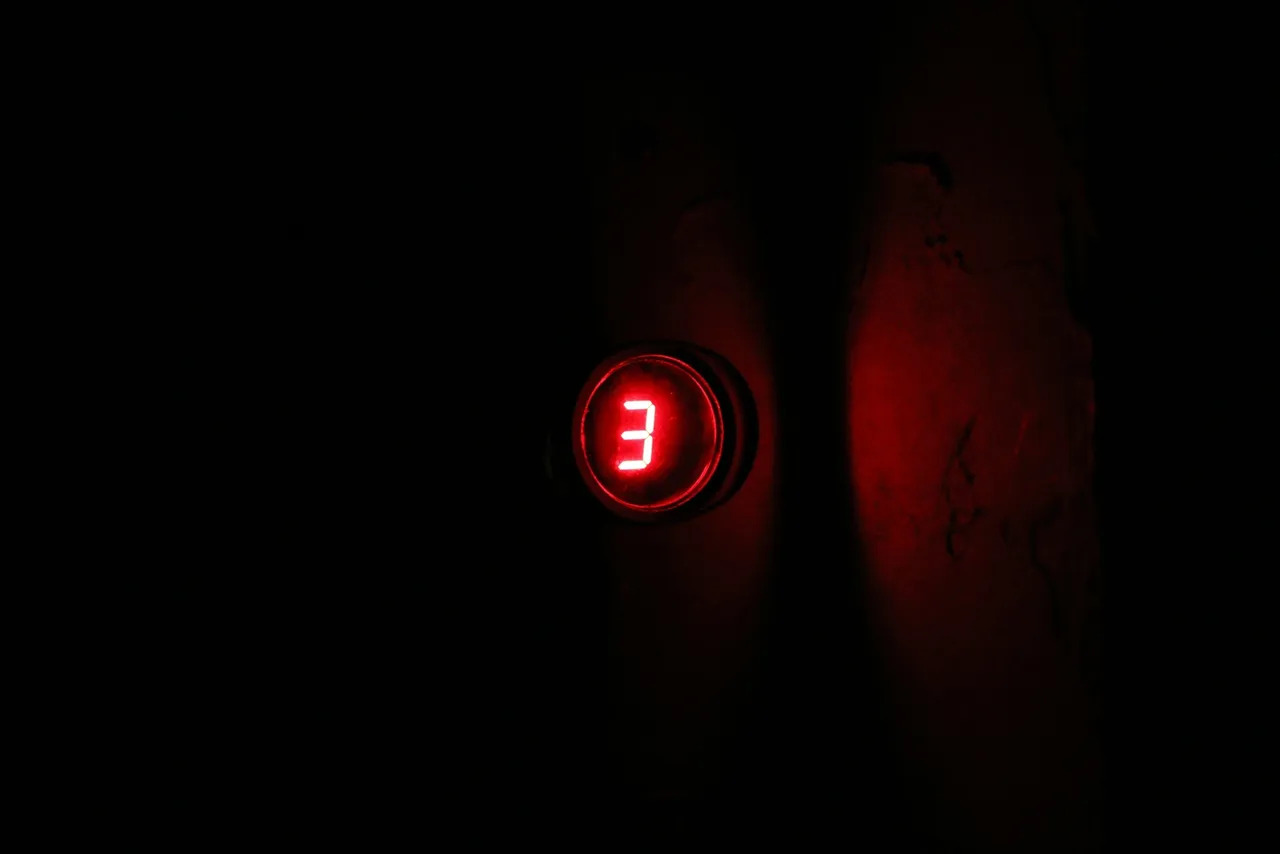
Regularly opening your eyes in the middle of the night can feel strangely precise, especially when the clock repeatedly shows 2:45 or 3 a.m. However, why you wake up at 3 a.m. usually cannot be explained by one hormone, one meal, or an empty liver.
Quick Take
- Nighttime hypoglycemia is a genuine concern for some people with diabetes, particularly those using insulin or glucose-lowering medication.
- Low blood sugar is uncommon in otherwise healthy adults and should not be diagnosed from symptoms or waking time alone.
- Stress, alcohol, caffeine, pain, reflux, temperature, menopause symptoms, urination, and sleep apnea are often more plausible explanations.
- A bedtime snack is not routinely necessary and may worsen reflux, calorie intake, or sleep comfort.
- Repeated awakenings accompanied by heavy sweating, confusion, or measured low glucose require medical attention.
- Persistent sleep disruption deserves evaluation even when blood sugar is normal.
Sleep naturally becomes lighter at several points during the night. You may briefly wake between sleep cycles and remember the awakening only when something keeps you alert, such as worry, noise, discomfort, alcohol, a hot room, or difficulty breathing.
1. Can Low Blood Sugar Explain Why You Wake Up at 3 A.M.?
It can, but the risk is concentrated among specific groups.
Nocturnal hypoglycemia is most common among people with diabetes who use insulin or medications that stimulate insulin release. Evening exercise, alcohol, missed meals, illness, medication dosage, and changing insulin needs can all contribute.
Possible symptoms include:
- Heavy sweating
- Damp sleepwear or bedding
- Nightmares or crying out
- Trembling
- A racing heartbeat
- Confusion or irritability after waking
- Unusual morning fatigue
- A measured glucose level below the recommended range
The National Institute of Diabetes and Digestive and Kidney Diseases lists nightmares, sweating during sleep, and confusion after waking among the possible signs of low nighttime glucose.
These symptoms are important, but they do not prove hypoglycemia by themselves. Anxiety, nightmares, sleep apnea, pain, medication effects, and changes in room temperature can produce similar sensations.
People who use insulin or glucose-lowering medication should follow the nighttime monitoring and treatment plan established with their healthcare team.
2. Is Low Blood Sugar Common Without Diabetes?
No. Spontaneous hypoglycemia in adults without diabetes is uncommon because the body normally maintains glucose through coordinated liver and hormonal responses.
When clinicians investigate possible non-diabetic hypoglycemia, they generally look for Whipple’s triad:
- Symptoms consistent with hypoglycemia
- A genuinely low plasma-glucose measurement during the episode
- Improvement after glucose returns to normal
Without these three elements, it is premature to describe a nighttime awakening as a blood-sugar crash.
A clinical review of non-diabetic hypoglycemia and its diagnosis explains why symptoms and consumer glucose readings need to be interpreted in the appropriate medical context.
Uncommon causes of hypoglycemia without diabetes can include:
- Severe liver or kidney disease
- Adrenal insufficiency
- Critical illness
- Certain medications
- Heavy alcohol use without adequate food
- Insulin-producing tumors
- Complications following some forms of bariatric surgery
These conditions require professional investigation rather than a homemade bedtime-snack experiment.
3. Why Doesn’t Overnight Fasting Usually Cause a Blood-Sugar Crash?
During sleep, the body maintains glucose through stored liver glycogen and the production of new glucose. Hormones including glucagon, epinephrine, cortisol, and growth hormone help keep glucose within a safe range.
That system is why most healthy adults can sleep throughout the night without eating.
The claim that an overnight fast dramatically depletes liver glycogen does not establish that the liver becomes empty or that stress hormones routinely wake healthy people around 3 a.m. Glycogen levels vary according to diet, exercise, body size, training status, and fasting duration.
The brain relies heavily on glucose, but the body has several mechanisms for protecting its supply. Feeling anxious, restless, or hungry at night does not prove that the brain is being deprived of fuel.
Likewise, metabolic dysfunction-associated fatty liver disease is generally associated with insulin resistance and abnormal glucose regulation. It should not be presented as a routine cause of overnight hypoglycemia.
For a broader explanation of fatigue and cellular energy, read BeeFit’s Mitochondrial Energy: Why More Food Isn’t Enough.
4. What Else Can Cause 3 A.M. Wake-Ups?
Several causes are more common than nocturnal hypoglycemia.
| Possible contributor | Clues to notice |
|---|---|
| Stress or insomnia | Racing thoughts, clock-watching, difficulty returning to sleep |
| Alcohol | Easier sleep onset followed by fragmented sleep later |
| Caffeine | Afternoon or evening intake, prolonged alertness |
| Sleep apnea | Loud snoring, gasping, dry mouth, morning headache |
| Nocturia | Repeated need to urinate |
| Reflux | Burning, coughing, sour taste, symptoms after late meals |
| Pain | Position-related awakening or persistent discomfort |
| Temperature or noise | Waking hot, cold, or after environmental disturbances |
| Menopause symptoms | Hot flashes, sweating, and temperature shifts |
| Medication | Stimulants, steroids, diuretics, decongestants, or other sleep-disrupting drugs |
Stress and Sleep-Maintenance Insomnia
Stress can make the brain more alert to normal nighttime awakenings. After noticing the time, worrying about the consequences of poor sleep may make it even harder to drift off again.
This pattern can develop into sleep-maintenance insomnia, particularly when awakenings become associated with clock-checking, frustration, or nighttime phone use.
BeeFit’s Tech-Free Evening Routine offers practical steps for reducing stimulation before bed.
Alcohol
Alcohol may initially make you feel sleepy, but its sedating effect does not produce normal, restorative sleep. As alcohol is metabolized, sleep may become lighter and more fragmented.
Read BeeFit’s Alcohol vs. Your Fitness Goals for a closer look at alcohol, recovery, hydration, and sleep.
Sleep Apnea
Obstructive sleep apnea causes repeated reductions or pauses in breathing when the upper airway narrows or collapses during sleep.
Possible warning signs include:
- Loud habitual snoring
- Gasping or choking during sleep
- Witnessed pauses in breathing
- Morning headaches
- Dry mouth
- Daytime sleepiness
- Difficulty concentrating
The American Thoracic Society’s guide to obstructive sleep apnea explains its symptoms, health effects, and treatment options.
5. Can Dinner Help You Sleep Through the Night?
A balanced dinner supports general health and may prevent hunger from disturbing sleep. However, no standard meal has been proven to prevent 3 a.m. awakenings in healthy adults.
A practical evening meal may include:
- A protein source
- Vegetables or fruit
- A fiber-rich carbohydrate
- An appropriate source of fat
Examples include salmon with vegetables and potatoes, tofu with rice and vegetables, or beans with whole grains and salad.
Very large, fatty, spicy, or late meals can worsen reflux and physical discomfort. At the other extreme, aggressive dieting or routinely skipping meals can leave some people hungry and restless.
The most appropriate meal size and timing depend on appetite, training, medication, reflux, and personal tolerance.
For meal ideas that combine protein, fiber-rich carbohydrates, and healthy fats, use BeeFit’s High-Protein Meal Plan for Fat Loss and Muscle Gain.
6. Do You Need a Bedtime Snack?
Most healthy adults do not need a bedtime snack to prevent hypoglycemia.
A snack may be useful when:
- You are genuinely hungry
- Dinner was unusually early or small
- A healthcare professional recommended it for diabetes management
- Medication or evening exercise creates a known low-glucose risk
- Your individualized glucose-management plan includes one
Reasonable options include plain yogurt, fruit with nut butter, or whole-grain toast with a protein source. The purpose is to address hunger or a documented medical need—not to prevent an assumed glucose crash.
Eating automatically every time you wake can reinforce the awakening as a habit. It may also increase total calorie intake or aggravate reflux.
Apple cider vinegar should not be recommended as a bedtime glucose or sleep treatment. Evidence is limited, and acidic drinks can irritate the throat, stomach, and tooth enamel.
What Should You Do When You Wake Up at 3 A.M. Repeatedly?
Understanding why you wake up at 3 a.m. requires looking for patterns rather than choosing one explanation immediately.
Track the following for one or two weeks:
- Bedtime and wake time
- Approximate time of each awakening
- Alcohol and caffeine intake
- Evening meal timing
- Exercise timing
- Stress level
- Snoring or gasping
- Reflux, pain, hot flashes, or urination
- Medication changes
- Hunger
- Measured glucose, when monitoring is medically appropriate
When you wake, avoid repeatedly checking the clock. Keep the lighting low, avoid scrolling on your phone, and use a quiet activity when you remain awake for an extended period.
Do not eat automatically unless you are hungry or have a documented glucose-management reason.
For a broader recovery framework, read BeeFit’s Sleep and Fitness: Why Rest Is as Important as Your Workout.
The Mayo Clinic’s guide to better sleep also covers scheduling, caffeine, alcohol, the sleep environment, and stress management.
Nighttime Awakening FAQ
Why Do I Keep Waking at Exactly the Same Time?
The timing may reflect sleep-cycle patterns, learned clock-checking, environmental changes, medication timing, alcohol metabolism, or a recurring symptom such as pain or needing to urinate.
A consistent time does not identify the cause by itself.
Should I Use a Glucose Monitor to Investigate?
People with diabetes should follow their established glucose-monitoring plan and discuss repeated nighttime symptoms with their care team.
Healthy adults should not diagnose hypoglycemia from symptoms or consumer-device readings alone. Continuous glucose monitors can occasionally produce misleading low readings, including compression lows when someone sleeps on the sensor.
A clinician can determine whether glucose testing is appropriate based on symptoms, medication, medical history, and documented risk.
When Is Nighttime Hypoglycemia an Emergency?
Severe confusion, seizure, loss of consciousness, or inability to safely consume glucose requires urgent assistance.
People using insulin or medications associated with hypoglycemia should have an individualized treatment plan and understand when glucagon or emergency care is required.
When Should You See a Doctor About 3 A.M. Wake-Ups?
Seek professional guidance when awakenings:
- Occur frequently for several weeks
- Cause substantial daytime impairment
- Include loud snoring, gasping, or breathing pauses
- Include heavy sweating, confusion, or documented low glucose
- Occur with unexplained weight change, tremor, weakness, or palpitations
- Begin after a medication change
- Are accompanied by persistent anxiety or depression
The Bottom Line on Why You Wake Up at 3 A.M.
Understanding why you wake up at 3 a.m. requires more than assuming that glucose fell or liver glycogen ran out.
Nocturnal hypoglycemia is important for people with diabetes and certain uncommon medical conditions. For most other adults, stress, alcohol, caffeine, sleep apnea, reflux, pain, temperature, urination, menopause symptoms, and ordinary sleep fragmentation are more plausible starting points.
Use a balanced dinner because it supports health—not because it guarantees stable glucose throughout the night. Add a bedtime snack only for hunger or a defined medical reason.
Most importantly, investigate recurring symptoms rather than covering them with food, vinegar, supplements, or unverified glucose theories.
Related BeeFit Guides
- Sleep and Fitness: Why Rest Is as Important as Your Workout
- 5 Benefits of a Tech-Free Evening Routine
- Alcohol vs. Your Fitness Goals
- Mitochondrial Energy: Why More Food Isn’t Enough
- High-Protein Meal Plan for Fat Loss and Muscle Gain
Research Sources
- NIDDK: Low Blood Glucose and Nocturnal Hypoglycemia
- Investigation and Causes of Non-Diabetic Hypoglycemia
- American Thoracic Society: Obstructive Sleep Apnea in Adults
- Mayo Clinic: Six Steps to Better Sleep
This article is for informational and educational purposes only and is not a substitute for medical advice, diagnosis, or treatment. People using insulin or glucose-lowering medication should follow an individualized hypoglycemia-prevention plan. Seek medical care for severe nighttime symptoms, repeated documented low glucose, confusion, breathing problems, or persistent sleep disruption.
Discover more from BeeFit: Fitness & Wellness
Subscribe to get the latest posts sent to your email.
Share :