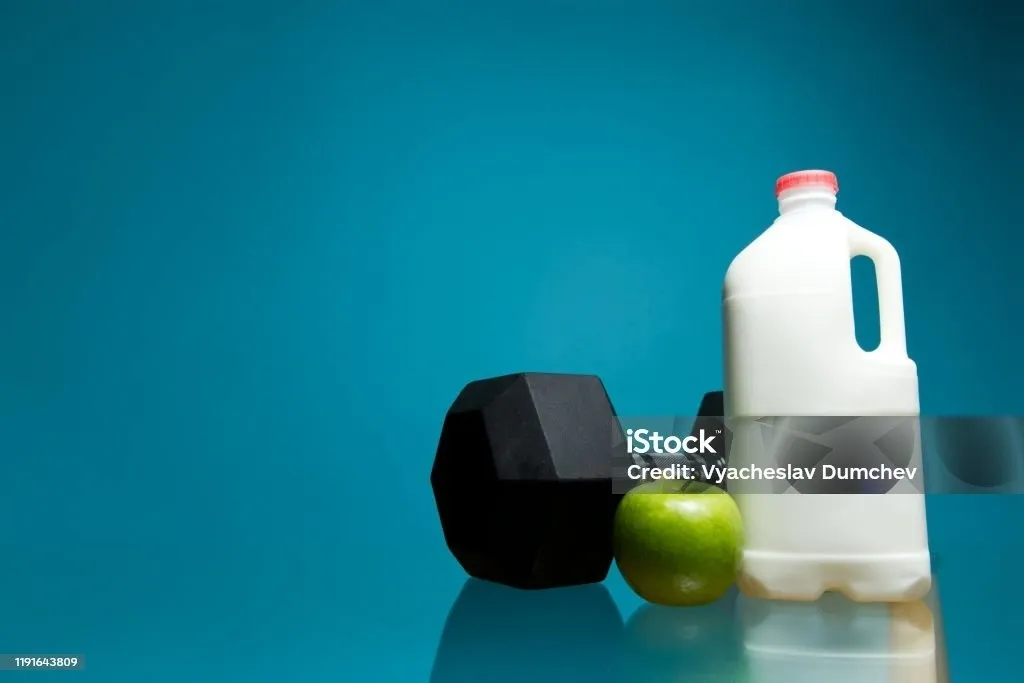
Using milk for muscle growth can be effective because milk provides complete protein, carbohydrates, fluid, and several micronutrients. However, it is not automatically better than whey powder, soy protein, or a balanced meal.
Quick Take
- Milk supplies complete protein containing both whey and casein.
- Whey protein is more concentrated and usually provides more protein per calorie.
- Older studies sometimes favored milk over soy, but broader research shows both can support muscle growth.
- Chocolate milk is most useful when carbohydrate replacement is also important.
- Total daily protein and progressive resistance training matter more than choosing one perfect recovery drink.
Does Milk for Muscle Growth Beat Whey Protein?
Not consistently.
Approximately 80% of milk protein is casein and 20% is whey. Whey is digested relatively quickly, while casein produces a slower amino-acid response. This makes milk a useful mixed protein, but not a uniquely superior one.
Whey powder is already derived from milk. It removes much of the water, carbohydrate, and fat, creating a more concentrated protein source.
| Option | Approximate protein | Best advantage |
|---|---|---|
| 8 ounces of milk | 8 grams | Food, fluid, carbohydrates, calcium |
| Typical whey serving | 20–25 grams | High protein with fewer calories |
| Soy protein serving | 20–25 grams | Complete plant-based protein |
| 8 ounces chocolate milk | 8 grams | Protein plus additional carbohydrates |
A small controlled study found that milk stimulated net muscle-protein balance after resistance exercise. That demonstrates that milk works; it does not prove that milk outperforms every protein powder.
Choose milk when you enjoy it and want a food-based recovery option. Choose whey when you need more protein with less volume or fewer calories.
BeeFit’s Protein for Muscle Growth explains how total daily intake shapes results.
Is Milk Better Than Soy for Muscle Growth?
Some older studies favored milk.
One acute trial found greater muscle-protein accretion after fat-free milk than after a soy beverage. A separate 12-week trial in novice young men reported greater lean-mass gains from post-workout milk than soy or carbohydrate.
However, these studies should not be treated as proof that soy is ineffective. A later meta-analysis found that soy and whey supplementation produced similar gains in strength and lean mass during resistance training.
Differences in leucine, protein dose, total diet, participant age, and training design can affect results.
Soy remains a complete protein and can support muscle growth when enough is consumed. Read BeeFit’s Plant vs. Animal Protein comparison for more context.
Is Chocolate Milk a Good Recovery Drink?
It can be, particularly after long endurance sessions, team sports, or multiple workouts in one day.
Chocolate milk combines protein, carbohydrates, fluid, and sodium. The added carbohydrates can help restore glycogen when rapid recovery is important.
A systematic review found that chocolate milk generally produced recovery outcomes comparable to other carbohydrate or carbohydrate-protein beverages. It was not consistently superior.
Plain milk may be more appropriate when:
- The workout was short
- Carbohydrate requirements are modest
- Calories are restricted
- You prefer less added sugar
Chocolate milk may be more useful after glycogen-depleting exercise or when another demanding session is scheduled soon.
For additional meal options, read BeeFit’s Pre- and Post-Workout Meals.
How Much Milk Should You Drink After Exercise?
Standard milk provides approximately eight grams of protein per eight-ounce cup. Therefore:
- 8 ounces provides about 8 grams
- 12 ounces provides about 12 grams
- 16 ounces provides about 16 grams
- 24 ounces provides about 24 grams
There is no universal requirement to drink 12–24 ounces.
For many adults, approximately 20–40 grams of protein at a meal is a practical target, but it is not a strict anabolic ceiling. Instead of drinking a very large volume of milk, you can combine it with Greek yogurt, eggs, a sandwich, oats, or protein powder.
Timing is also flexible. A meal within several hours of training is generally sufficient, especially when you ate protein beforehand.
BeeFit’s Protein Timing guide explains when eating sooner may matter.
Should You Choose Skim, Low-Fat, or Whole Milk?
All three provide similar amounts of protein. The main differences are calories and fat.
Choose according to:
- Overall calorie needs
- Taste
- Digestive tolerance
- The rest of the meal
- Medical guidance
- Personal preference
Whole milk does not automatically build more muscle, and skim milk does not automatically produce fat loss. Body composition depends on overall calorie balance, protein intake, and training.
Lactose-free dairy milk provides approximately the same protein as regular milk. People avoiding dairy can use soy milk or another fortified beverage, but many almond, oat, and coconut drinks contain much less protein.
Milk and Muscle Growth FAQ
Is Milk Better Than a Protein Shake?
Neither is universally better. Milk supplies additional nutrients and fluid. Protein powder provides more protein in a smaller serving.
Can You Drink Milk Before Bed?
Yes, if it fits your calorie needs and digestion. However, most pre-sleep protein trials used approximately 30–40 grams of protein—far more than one ordinary glass of milk.
Will Milk Cause Fat Gain?
Only when it contributes to a sustained calorie surplus. The milk’s fat percentage alone does not determine whether body fat increases.
The Bottom Line on Milk for Muscle Growth
Milk for muscle growth is effective, affordable, and convenient, but it is not a mandatory or uniquely superior recovery food.
Milk can support muscle-protein synthesis, whey can provide a concentrated protein dose, and soy can support comparable long-term results when protein intake is sufficient.
Choose the option you tolerate, enjoy, and can fit consistently into your daily protein target. Progressive training and adequate total nutrition will determine far more than whether your recovery drink comes from a carton or a tub.
For a complete muscle-building strategy, read BeeFit’s Body Recomposition Guide.
Related BeeFit Guides
- Protein for Muscle Growth
- Plant vs. Animal Protein
- Pre- and Post-Workout Meals
- Protein Timing
- Body Recomposition
Research Sources
- Milk and Post-Exercise Muscle Protein Balance
- Milk Versus Soy After Resistance Exercise
- Milk, Soy, and Lean-Mass Gains During Training
- Soy Versus Whey: Strength and Lean-Mass Meta-Analysis
- Chocolate Milk and Exercise Recovery
This article is for informational and educational purposes only and is not a substitute for medical or nutrition advice. Consult a qualified professional if you have a milk allergy, kidney disease, digestive condition, or another health concern affecting protein intake.
Discover more from BeeFit: Fitness & Wellness
Subscribe to get the latest posts sent to your email.
Share :