Understanding what causes sugar cravings is more useful than blaming yourself for having them. Cravings can reflect hunger, habit, stress, poor sleep, food restriction, or environmental cues—and they do not automatically mean your body has a hidden deficiency.
Quick Take
- Chocolate cravings are not a reliable test for magnesium deficiency.
- Poor sleep and chronic stress can increase the appeal of sweet, calorie-dense foods.
- Eating too little—or restricting sweets too aggressively—can make cravings stronger.
- Gut bacteria may influence appetite, but there is no strong human evidence that they “control” sugar cravings.
- Balanced meals and practical habit changes usually work better than chasing one supposed root cause.
1. Does Magnesium Deficiency Cause Chocolate Cravings?
Chocolate contains magnesium, especially darker varieties, but craving chocolate does not reliably show that your magnesium level is low.
NIH data indicate that many Americans consume less magnesium than recommended. That is not the same as saying most people have a clinical deficiency. Symptomatic magnesium deficiency is uncommon in otherwise healthy adults because the kidneys help conserve the mineral.
Magnesium-rich foods include:
- Pumpkin and chia seeds
- Almonds and cashews
- Black beans and edamame
- Spinach
- Whole grains
Eating these foods can improve dietary quality, but a chocolate craving alone is not a reason to start a high-dose supplement.
Read BeeFit’s Magnesium Guide for Athletes for food sources and supplement-safety guidance.
2. Can Poor Sleep Explain What Causes Sugar Cravings?
Sleep loss is a more credible contributor.
Controlled studies have found that short sleep can alter hunger-related hormones and increase appetite. More recent reviews also link inadequate sleep with stronger interest in sweets and other high-calorie foods.
This does not mean one bad night guarantees overeating. Sleep loss can interact with stress, mood, food availability, and fatigue, making quick-energy foods more appealing.
Before blaming your diet, ask:
- Have you been sleeping less than usual?
- Are you relying heavily on caffeine?
- Are cravings worse late at night or after poor sleep?
- Are you skipping meals because you feel too busy?
For a broader recovery strategy, read BeeFit’s Sleep and Fitness Guide.
3. Can Stress Increase Sugar Cravings?
Yes, although the response varies.
Chronic stress can change eating behavior, reduce self-regulation, and increase the appeal of foods high in sugar, fat, or calories. Emotional states and learned routines can also turn cravings into conditioned responses.
For example, if you repeatedly eat something sweet after a difficult meeting, your brain may begin associating that situation with the reward.
A short walk, brief pause, tea, or a planned snack may help interrupt the pattern. The goal is not to suppress every craving but to identify whether it comes from physical hunger or an established cue.
4. Are Gut Bacteria Controlling Your Cravings?
The gut microbiome affects digestion, metabolism, and communication with the brain. Researchers have proposed that microbes could influence appetite and food preferences.
However, current human evidence is not strong enough to say that certain bacteria become dependent on sugar and actively sabotage your choices. Much of that explanation remains hypothetical or based on indirect findings.
A fiber-rich diet can still support microbiome diversity. Useful foods include:
- Vegetables and fruit
- Beans and lentils
- Oats and whole grains
- Nuts and seeds
- Fermented foods when tolerated
Read BeeFit’s Gut Health Protocol for a more complete approach.
5. Are You Simply Hungry or Restricting Too Much?
Cravings often become stronger when meals are too small, protein or fiber is low, or long gaps develop between eating.
Highly restrictive rules can also increase attention toward the foods being avoided. Experimental research suggests that short-term selective food deprivation can intensify cravings for the restricted food.
Build meals around:
- A protein source
- A fiber-rich carbohydrate
- Fruit or vegetables
- Enough total food to match your needs
A planned sweet food may also be easier to manage than repeatedly banning it and later overeating it.
A Simple Sugar-Craving Check
| Possible trigger | Practical response |
|---|---|
| Physical hunger | Eat a balanced meal or protein-and-fiber snack |
| Poor sleep | Prioritize an earlier bedtime and regular meals |
| Stress | Take a short walk or pause before choosing food |
| Habit | Change the routine linked to the craving |
| Restriction | Allow a reasonable planned portion |
| Thirst or dry mouth | Drink water, but do not treat water as a substitute for food |
Sugar Cravings FAQ
Does Craving Chocolate Mean You Need Magnesium?
No. Chocolate provides magnesium, but cravings cannot diagnose a deficiency.
Can Probiotics Stop Sugar Cravings?
There is not enough evidence to recommend probiotics specifically for controlling sugar cravings.
Should You Eliminate Sugar Completely?
Usually not. Reducing added sugar is more realistic than eliminating fruit, dairy, or every dessert.
BeeFit’s 30-Day Eat Less Sugar Challenge provides a gradual approach.
The Bottom Line
The answer to what causes sugar cravings is rarely one nutrient or one group of gut bacteria.
Cravings can emerge from hunger, poor sleep, stress, food restriction, habit, and easy access to sweet foods. Begin by improving meal balance, sleep, and routines rather than diagnosing yourself with a mineral deficiency.
Chocolate can still fit into a healthy diet. BeeFit’s Dark Chocolate Guide explains how to choose and portion it realistically.
For a nutrition plan based on your goals and schedule, use the BeeFit AI Fitness Planner.
Related BeeFit Guides
- 30-Day Eat Less Sugar Challenge
- Ultimate Gut Health Protocol
- Sleep and Fitness Guide
- Why Magnesium Is Essential for Athletes
- Dark Chocolate Health Benefits
Research Sources
- NIH Magnesium Fact Sheet
- Psychology of Food Cravings and Restriction
- Gut Microbiome and Eating Behavior Hypothesis
- Sleep Restriction, Hunger, and Appetite
- Stress and Eating Behavior
This article is for informational purposes only and is not a substitute for medical or nutrition advice. Persistent cravings accompanied by fainting, shaking, unexplained weight change, severe fatigue, or disordered eating should be discussed with a qualified healthcare professional.
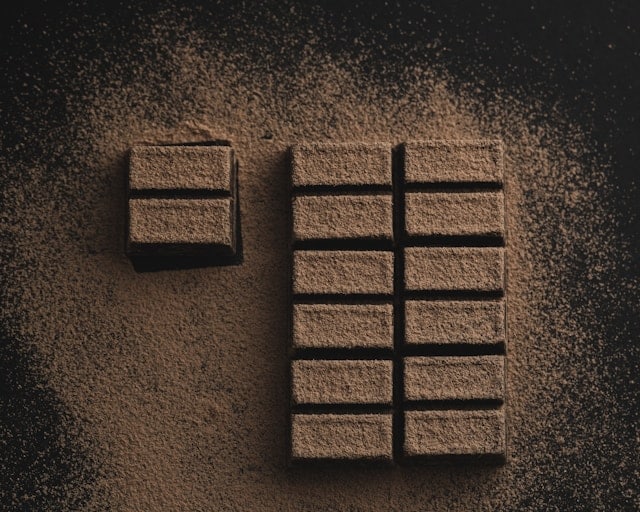
Photo: Mae Mu / Unsplash
Discover more from BeeFit: Fitness & Wellness
Subscribe to get the latest posts sent to your email.
Share :