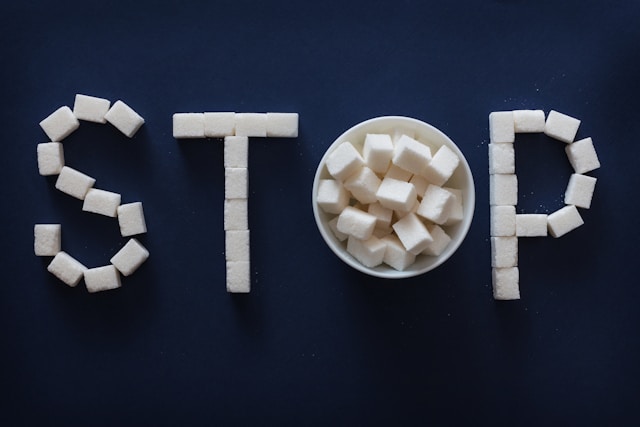
An eat less sugar challenge is not about fear, punishment, or cutting every sweet food forever. It is a 30-day reset that helps you reduce added sugar, notice where it hides, manage cravings, and build meals that keep your energy more stable.
Quick Take
- Most people do not need to eliminate all sugar. Instead, the bigger goal is to reduce added sugar from drinks, snacks, sauces, cereals, desserts, and packaged foods.
- A 30-day eat less sugar challenge works best when it is gradual, structured, and realistic.
- The first week can feel difficult because cravings, fatigue, headaches, and mood changes may show up when sugar intake drops.
- In addition, protein, fiber, water, sleep, and planned snacks make the challenge easier.
However, whole fruit is not the problem in an eat less sugar challenge. Sugary drinks, desserts, sweetened yogurts, cereals, sauces, and ultra-processed snacks usually matter more.
This eat less sugar challenge is designed to make that reset practical, not extreme.
Most people do not struggle with an eat less sugar challenge because of one cookie or one dessert. The bigger issue is repeated added sugar from breakfast cereal, sweetened coffee drinks, flavored yogurt, granola bars, sauces, juice, soda, packaged snacks, and “healthy” foods that are not as healthy as they look.
This eat less sugar challenge walks you through a realistic 30-day plan to reduce added sugar without turning your diet into a miserable all-or-nothing challenge.
What Happens When You Eat Less Sugar?
Reducing added sugar can help improve energy, appetite control, digestion, and overall food quality. It may also support better blood sugar control, lower cravings, and fewer energy crashes during the day.
That does not mean sugar is poison or that one dessert ruins your health. The real problem is when added sugar becomes a daily default in drinks, snacks, breakfast foods, sauces, and packaged meals. Over time, that pattern can crowd out protein, fiber, vegetables, and other foods that help you feel full and energized.
An eat less sugar challenge can make the biggest difference when it helps you replace high-sugar habits with better routines.
Your energy may feel steadier. When added sugar drops, many people notice fewer crashes after meals and fewer afternoon cravings.
Your appetite may become easier to manage. Protein, fiber, and balanced meals digest more slowly than sugary snacks, so hunger can feel less urgent.
Your digestion may improve. Replacing sweets and processed snacks with fruit, vegetables, oats, beans, yogurt, nuts, and seeds can increase fiber and improve overall diet quality.
Your skin may look calmer. Some people notice less puffiness or fewer breakouts when their overall sugar intake and ultra-processed food intake go down.
Your taste buds may reset. After a few weeks, foods like berries, apples, sweet potatoes, and plain yogurt with fruit may start to taste sweeter than before.
The goal is not to become afraid of sugar. Instead, the goal is to make added sugar occasional rather than automatic.
Why the First Week Feels Hard
The first week of an eat less sugar challenge can feel uncomfortable, especially if your usual routine includes sweetened coffee, soda, juice, desserts, or packaged snacks every day.
Headaches may show up. Irritability can also increase for a few days, and cravings may feel stronger than usual while your routine adjusts. However, these symptoms usually improve as meals become more balanced and your body gets used to a lower-sugar pattern.
A simple timeline looks like this:
| Timeframe | What you may notice | What helps |
|---|---|---|
| Days 1–3 | Lower energy, cravings, habit triggers | Water, protein at meals, planned snacks |
| Days 4–7 | Stronger cravings or mood changes | Sleep, walking, balanced meals |
| Week 2 | Better control and fewer crashes | Consistent meals and less snacking |
| Weeks 3–4 | Taste buds adjust | Fruit, yogurt, nuts, and whole-food desserts |
This stage is not about toughness. Instead, it is about planning. If your meals are too small, too low in protein, or too low in fiber, cravings will be harder to control.
By the end of this eat less sugar challenge, the goal is to have fewer daily sugar triggers and a more stable meal routine.
30-Day Eat Less Sugar Challenge Plan
The best eat less sugar challenge is gradual enough to follow but structured enough to create real change.
You do not need to remove every sweet food on day one. Instead, use each week to reduce the biggest sources of added sugar and build better replacements.
| Week | Main goal | What to do |
|---|---|---|
| Week 1 | Remove obvious added sugar | Cut soda, juice, candy, cookies, pastries, and sweetened coffee drinks |
| Week 2 | Find hidden sugar | Check labels on sauces, cereals, yogurt, granola bars, bread, and dressings |
| Week 3 | Control cravings | Build snacks around protein, fiber, and healthy fats |
| Week 4 | Rebuild your routine | Create lower-sugar meals you can repeat after the challenge |
Week 1: Remove the obvious sugar. Start with the easiest wins: soda, juice, candy, cookies, sweetened coffee drinks, desserts, and sugary breakfast foods. This step alone can reduce a large amount of added sugar without making the plan complicated.
Week 2: Watch for hidden sugar. Added sugar often appears in foods that do not taste like dessert. Check salad dressings, ketchup, barbecue sauce, flavored yogurt, granola, cereal, protein bars, crackers, and packaged bread. Look for words like cane sugar, corn syrup, dextrose, maltose, brown rice syrup, and evaporated cane juice.
Week 3: Build better craving control. Cravings are easier to manage when meals include protein, fiber, and healthy fats. For example, Greek yogurt with berries, eggs with vegetables, cottage cheese with fruit, or an apple with peanut butter can be more satisfying than a low-calorie snack that leaves you hungry again.
Week 4: Make it sustainable. By the final week, focus on repeatable meals. The challenge should not end with a return to old habits. Instead, build a lower-sugar routine that still allows flexibility.
What to Eat During an Eat Less Sugar Challenge
A successful eat less sugar challenge works better when you focus on what to add, not only what to remove.
Use this simple structure:
| Meal | Better options |
|---|---|
| Breakfast | Eggs with vegetables, plain Greek yogurt with berries, oats with nuts, cottage cheese with fruit |
| Lunch | Chicken or chickpea salad, tuna bowl, turkey lettuce wrap, lentil soup, grain bowl |
| Dinner | Salmon with potatoes and vegetables, turkey chili, tofu stir-fry, chicken with rice and salad |
| Snacks | Hard-boiled eggs, raw nuts, apple with peanut butter, cottage cheese, hummus with vegetables |
| Drinks | Water, sparkling water, unsweetened tea, black coffee, coffee with milk but no syrup |
Whole fruit is fine for most people. Fruit contains fiber, water, vitamins, minerals, and volume, which makes it very different from soda, juice, candy, or pastries.
In addition, do not rely too much on “sugar-free” desserts or diet snacks. They may be useful occasionally, but the main goal is to retrain your palate toward real foods that are naturally satisfying.
How to Handle Sugar Cravings
Sugar cravings are normal during a lower-sugar reset. However, they are easier to manage when you have a plan before they hit.
First, check whether you are actually hungry. Many cravings are worse when you skipped breakfast, ate too little protein, slept poorly, or went too long between meals.
Next, use a simple craving-control routine:
| Craving trigger | What to do |
|---|---|
| Afternoon crash | Eat protein + fiber, such as Greek yogurt with berries |
| Sweet drink habit | Switch to sparkling water, tea, or coffee without syrup |
| Dessert craving | Try fruit with yogurt or a small planned dessert |
| Stress eating | Take a 10-minute walk before choosing food |
| Late-night snacking | Eat a better dinner with enough protein and carbs |
If Day 31 turns into a full return to sugary drinks, desserts, and processed snacks, the bloat, brain fog, and cravings can come back quickly.
This 30-day plan is not a short diet phase. Instead, it is a reset for your taste buds and daily habits. By the end, fruit may taste sweeter, cravings may feel less intense, and packaged snacks may become easier to ignore.
Your body and health are worth protecting. Therefore, the goal is to build a routine that makes lower-sugar eating feel normal instead of forcing yourself through another temporary challenge.
Eat Less Sugar Challenge Questions
Do I really need to cut out fruit?
No. Whole fruit is not the problem for most people. Natural sugars in fruit come with fiber and water, which slow digestion and help with fullness. The bigger issue is added sugar from drinks, desserts, sauces, cereals, and packaged snacks.
What about honey, maple syrup, or agave?
They may be less processed than white sugar, but they are still added sugars. During this 30-day reset, treat them the same way so your taste buds can adjust.
What should I do when cravings hit hard?
Drink water first, then eat something with protein or fiber if you are hungry. Greek yogurt, eggs, cottage cheese, nuts, fruit, or turkey slices can help stabilize appetite better than a sugary snack.
Is diet soda allowed?
That depends on your goal. If diet soda helps you stop drinking regular soda, it may be a useful transition. However, if it keeps you craving intense sweetness all day, reduce it gradually and replace it with water, sparkling water, tea, or coffee.
What if I slip up during the challenge?
One cookie or one sweet drink does not ruin the plan. Get back on track at the next meal. Consistency matters more than perfection.
Can this challenge help with weight loss?
It can, especially if added sugar was a major source of extra calories. However, fat loss still depends on total calorie intake, protein, movement, sleep, and consistency.
Bottom Line: Make Lower-Sugar Eating Normal
An eat less sugar challenge works best when it helps you build a realistic routine, not when it makes you afraid of food.
Start by removing the biggest sources of added sugar. Then replace them with meals built around protein, fiber, fruit, vegetables, healthy fats, and satisfying whole foods. Over time, cravings can become easier to manage, energy can feel steadier, and sweet foods can become occasional instead of automatic.
The real win is not surviving 30 perfect days.
The real win is making day 31 easier than day one.
Related BeeFit Guides
- Fat Loss After 40
- Protein for Muscle Growth
- Best Diets
- Body Recomposition
- Women’s Daily Vitamins
- BeeFit AI Calculator
This article is for informational purposes only and is not a substitute for professional medical advice. Always consult with a qualified healthcare provider before starting any new exercise or nutrition program.
Photo: Elena Leya / Unsplash
Discover more from BeeFit: Fitness & Wellness
Subscribe to get the latest posts sent to your email.
Share :