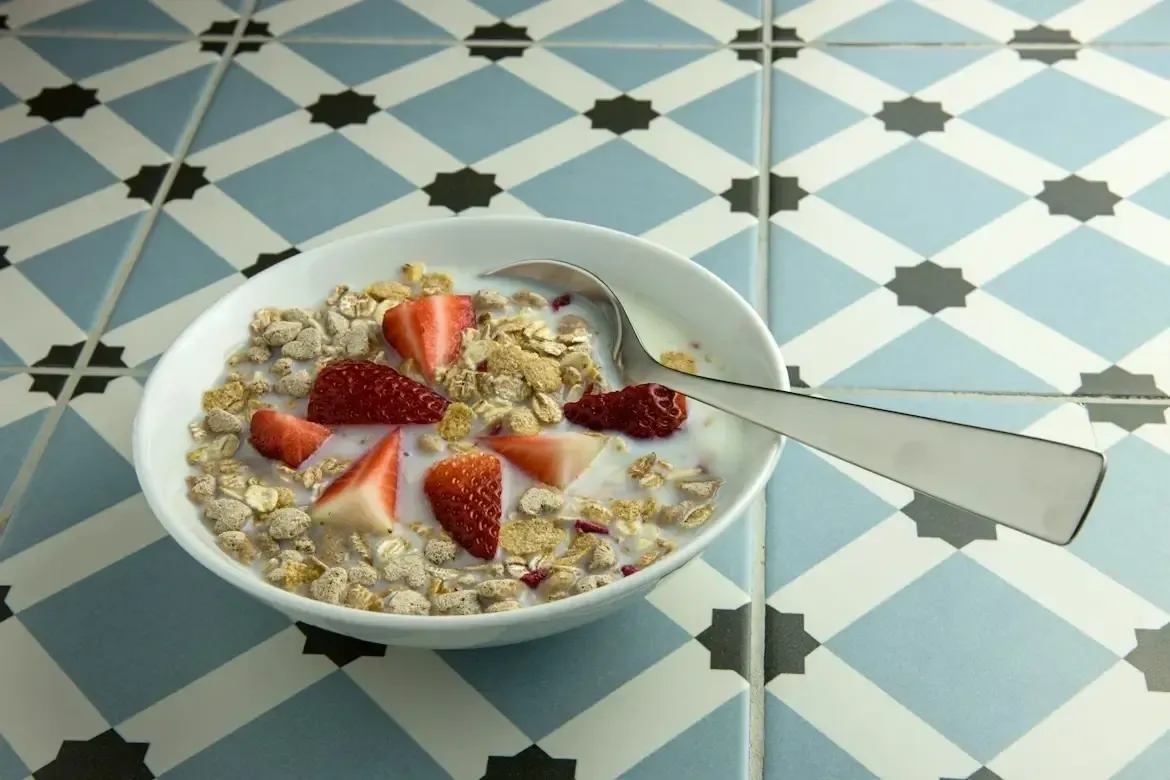
Protein cereal benefits are real when the cereal helps you replace a low-protein, high-sugar breakfast with something more filling. The catch is that the front of the box often tells a cleaner story than the Nutrition Facts label. The best choice depends on the protein source, sugar content, fiber, portion size, and what you eat with it.
Quick Take
- Protein cereal can be a useful breakfast shortcut if it delivers meaningful protein without a heavy added-sugar load.
- The main protein cereal benefits are convenience, better satiety, and an easier path to a higher-protein morning meal.
- Look for about 10–15 grams of protein, at least a few grams of fiber, and ideally 6 grams or less added sugar per serving.
- Pair it with milk, Greek yogurt, fruit, nuts, or seeds to make it a more complete meal.
What Makes Protein Cereal Different?
Regular breakfast cereal often centers on refined grains, sweeteners, flavorings, and crunch. Protein cereal usually starts with a similar format but adds concentrated protein from sources such as whey, milk protein isolate, soy, pea, or sometimes wheat and rice protein.
That extra protein can make breakfast more useful, especially if your usual morning meal is mostly carbohydrate. Many people naturally eat less protein at breakfast than at lunch or dinner. A higher-protein first meal can help distribute intake more evenly across the day. Research on protein distribution suggests that spreading protein across meals may support muscle protein synthesis better than saving most of it for dinner, although total daily intake still matters most.
Protein cereal is not automatically healthier because it has more protein. Some boxes are closer to candy cereal with a protein claim. Others are genuinely practical: moderate calories, decent protein, reasonable fiber, and a sugar level that does not dominate the bowl.
Protein Cereal Benefits for Breakfast
The biggest protein cereal benefits come from what it replaces. If you swap a very sugary cereal for a version with more protein and less added sugar, you may get a breakfast that keeps you satisfied longer. That can make mid-morning snacking easier to manage.
Protein is generally more satiating than carbohydrate or fat. Systematic reviews have found that higher-protein diets can improve fullness in some groups, though results vary by study design, calorie intake, and individual appetite. For a deeper look at building a morning meal around protein, BeeFit’s guide to high-protein breakfast benefits and recipes covers practical options beyond cereal.
Another advantage is consistency. Eggs, tofu scrambles, cottage cheese bowls, and meal-prepped breakfasts are excellent, but they require some planning. Protein cereal gives you a shelf-stable option for mornings when cooking is not happening. That convenience matters because the most effective nutrition strategy is often the one you can repeat.
For active people, protein cereal can also work after training. You do not need to panic about a narrow 30-minute recovery window. Still, a meal with protein and carbohydrate after lifting or hard conditioning can help cover recovery needs. The International Society of Sports Nutrition position stand on nutrient timing notes that timing protein and carbohydrate may help around demanding training. It may matter most when recovery time is limited or total daily intake is inconsistent.
Older adults may also benefit from easy protein at breakfast, because preserving lean mass becomes more important with age. Protein cereal is not a substitute for strength training or whole foods. It can help close a morning protein gap when appetite, chewing comfort, time, or cooking energy is limited.
How to Choose a Better Protein Cereal
The label matters more than the marketing. A cereal can look fitness-oriented and still be high in added sugar, low in fiber, or built around a tiny serving size. That serving may not match how people actually pour cereal.
Use this quick checklist before buying:
- Protein: Aim for roughly 10–15 grams per serving. More is not always better if the cereal tastes poor, causes digestive discomfort, or comes with excess sweeteners.
- Added sugar: Lower is usually better. The FDA explains added sugars on the Nutrition Facts label, and U.S. dietary guidance recommends keeping added sugars below 10% of daily calories.
- Fiber: Look for at least 3 grams per serving when possible. Fiber helps make the bowl more filling and supports overall diet quality.
- Protein source: Whey, milk protein, soy, and pea protein can all be useful. If you avoid dairy or soy, check the ingredient list carefully.
- Serving size: Compare the label serving with the amount you realistically eat. A small serving can make calories and sugar look better than they are.
Complete protein is worth understanding, but it should not become a scare tactic. Whey, milk, egg, and soy contain all essential amino acids in useful amounts. Pea protein is often strong enough for everyday use, especially in a mixed diet, though it is lower in some amino acids than dairy proteins. If most of your diet includes varied protein sources, one cereal does not need to do all the work.
Downsides of Protein Cereal to Watch For
Protein cereal benefits can disappear if you treat the cereal as unlimited health food. Crunchy, sweet foods are easy to over-pour. A “high protein” label does not cancel out calories, added sugar, or low nutrient density.
Some products rely heavily on sugar alcohols or high-intensity sweeteners. These are not automatically harmful, but they can cause bloating or stomach discomfort for some people. Larger portions make that more likely. If a cereal upsets your digestion, the issue may be the sweetener blend, fiber type, protein source, or serving size rather than protein itself.
Price is another practical downside. A premium box may cost far more per gram of protein than Greek yogurt, eggs, cottage cheese, tofu, or a basic protein powder. BeeFit’s guide on protein timing can help you decide whether you truly need another protein product or simply need to distribute your usual foods more effectively.
People with kidney disease, certain metabolic conditions, food allergies, or medical nutrition restrictions should ask a qualified clinician or dietitian before intentionally increasing protein intake. For most healthy adults, protein cereal can fit, but medical context matters.
Smarter Ways to Eat Protein Cereal
The easiest upgrade is to stop treating cereal as the whole meal. A bowl with cereal and water-thin almond milk may provide protein but still leave you short on fiber, micronutrients, and staying power. Build the bowl like a meal instead.
- Filling breakfast: Combine protein cereal with milk or soy milk, berries, and chia or ground flax.
- Higher-protein bowl: Use it as a crunchy topping over plain Greek yogurt or high-protein soy yogurt.
- Post-workout convenience: Pair cereal with milk and fruit after training when you need protein plus carbohydrate.
- Lower-sugar transition: Mix half protein cereal with half bran flakes, oats, or an unsweetened high-fiber cereal.
A balanced bowl might be one serving of protein cereal, one cup of milk or fortified soy milk, half a banana or a handful of berries, and a tablespoon of peanut butter, walnuts, chia, or flax. That gives you protein, carbohydrate, fat, fiber, and texture without turning breakfast into a complicated recipe.
If you prefer plant-based breakfasts, you can still get many of the same protein cereal benefits by choosing soy or pea-based cereals. Pair them with soy milk or a higher-protein dairy-free yogurt. BeeFit’s high-protein vegetarian breakfast guide has more options if cereal is only one part of your rotation.
Protein Cereal vs. Protein Powder
Protein powder is usually more flexible and cost-effective. You can add it to smoothies, oats, yogurt, pancakes, or baked goods, and it often provides more protein with fewer calories. Protein cereal is less versatile but more enjoyable for people who want crunch and a spoonable breakfast.
There is no need to choose one forever. Use powder when you want control over ingredients and protein dose. Use cereal when convenience, texture, and routine make the difference between eating a decent breakfast and grabbing something less useful.
FAQ
Is protein cereal healthy?
It can be. The healthiest versions provide meaningful protein, moderate calories, some fiber, and limited added sugar. A high-protein cereal with lots of sugar and little fiber is still more of a sweetened snack than a balanced breakfast.
Can protein cereal help with weight loss?
It may help if it makes breakfast more filling and reduces grazing later in the morning. Weight loss still depends on overall calorie intake, food quality, activity, sleep, and consistency.
Is protein cereal okay for kids or teens?
Some products may fit, especially for active teens, but kids do not usually need heavily fortified “fitness” foods. Choose lower-sugar options, watch caffeine or stimulant additives if present, and ask a pediatric clinician if your child has medical or growth concerns.
Bottom Line on Protein Cereal Benefits
Protein cereal benefits are most meaningful when the cereal solves a real problem: not enough protein at breakfast, too much added sugar from your usual cereal, or no time to prepare a better meal. Choose a label that holds up, keep the portion realistic, and pair it with fruit, milk, yogurt, nuts, or seeds.
Used that way, protein cereal is not a miracle food or a nutrition shortcut that works for everyone. It is simply a practical tool for making breakfast more balanced with less effort.
This article is for informational purposes only and is not a substitute for professional medical or nutritional advice. Always consult with a qualified healthcare provider before making significant changes to your diet, especially if you have a medical condition, food allergy, or prescribed nutrition plan.
Discover more from BeeFit: Fitness & Wellness
Subscribe to get the latest posts sent to your email.
Share :