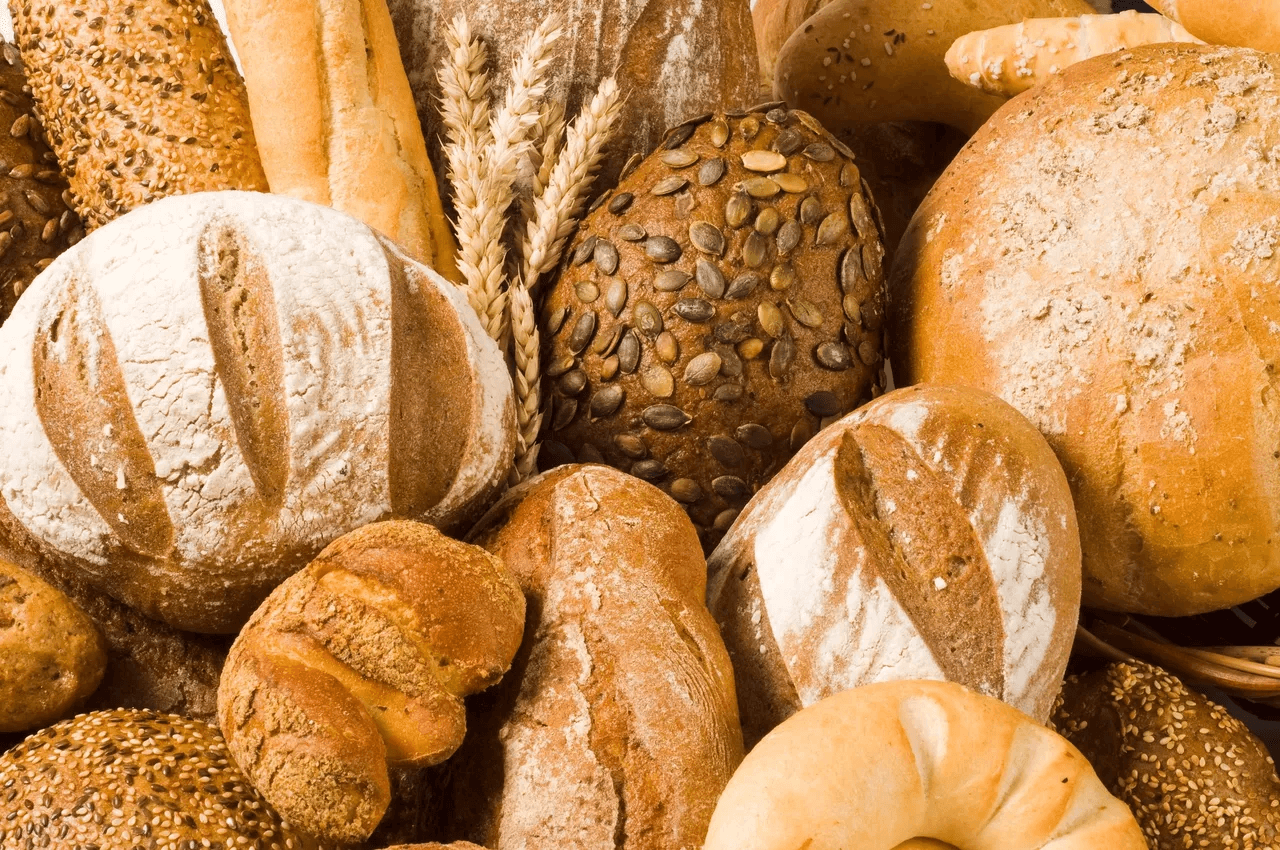
Sourdough bread benefits are real, but they depend on the loaf and the person eating it. A traditionally fermented sourdough may be easier to digest and gentler on post-meal blood sugar. It may also support mineral availability better than some fast-rise breads. It is still bread, though, so flour type, fermentation time, portion size, and your own tolerance matter.
Quick Take
- Real sourdough uses wild yeast and lactic acid bacteria, which changes the bread’s acidity, flavor, texture, and digestion profile.
- Long fermentation can reduce some FODMAPs and phytates, but results vary by starter, grain, recipe, and fermentation time.
- Sourdough may lead to a lower blood sugar response than some conventional breads, especially when made with whole grains and eaten in a balanced meal.
- Traditional wheat, rye, or spelt sourdough is not gluten-free and is not safe for celiac disease unless certified gluten-free.
- The best choice is a simple, well-fermented loaf paired with protein, fiber-rich plants, and appropriate portions.
What Makes Real Sourdough Different?
Most commercial bread is designed for speed and consistency. Flour, water, baker’s yeast, salt, sweeteners, dough conditioners, and preservatives can create a soft loaf quickly. Fast rising does not produce the same acids and fermentation byproducts as traditional sourdough.
Real sourdough starts with a living culture of wild yeasts and lactic acid bacteria. During fermentation, these microbes produce organic acids, modify starches and proteins, and create the tangy flavor and chewy structure associated with sourdough. Colorado State University Extension notes that the source of fermenting microorganisms helps distinguish naturally leavened sourdough from bread that is merely labeled sourdough.
Marketing terms can be misleading. A loaf can taste sour because it contains vinegar or sourdough flavoring, not because it went through meaningful fermentation. A true sourdough is defined less by tang and more by the process behind the loaf.
Sourdough Bread Benefits for Digestion
If regular bread leaves you bloated, sourdough may be worth testing carefully. Fermentation can reduce some fructans, a type of FODMAP in wheat that may trigger symptoms in some people with irritable bowel syndrome or sensitive digestion. A review on sourdough, FODMAPs, and digestive tolerance explains that yeasts and lactic acid bacteria can influence FODMAP levels. The effect still depends on the starter, grain, and process.
That does not make sourdough universally easy on the gut. Wheat sourdough still contains gluten and wheat proteins. People with wheat allergy, celiac disease, active IBS flares, inflammatory bowel disease flares, or other gastrointestinal conditions may still need individualized medical guidance.
A practical test is simple: try one slice of a plain, traditionally fermented loaf with a meal that includes protein and fat. Compare that same portion with your usual bread on another day. Judging tolerance after several slices, a heavy restaurant meal, or a stressful day makes it harder to identify what caused symptoms.
If gut health is your bigger goal, bread choice is only one piece. Fiber variety, hydration, sleep, stress, meal timing, and medical conditions all matter. BeeFit’s gut health protocol covers the broader habits that usually matter more than any single food swap.
Sourdough Bread Benefits for Blood Sugar and Energy
One of the most discussed sourdough bread benefits is its possible effect on blood sugar. Acids produced during fermentation may slow starch digestion and change how quickly bread leaves the stomach. A 2024 systematic review of clinical trials on sourdough bread and glycemic control found a lower post-meal glucose increment compared with industrial bread or glucose in the included studies. However, the certainty of evidence ranged from low to very low.
That nuance matters. A dense whole-grain sourdough eaten with eggs, vegetables, and avocado is metabolically different from a large white sourdough roll eaten alone. Slice size, flour refinement, added sugar, fiber content, and meal pairing all affect the final blood sugar response.
For steadier energy, build the meal around balance rather than expecting sourdough to do all the work. Pair one or two slices with a protein source, a fiber-rich plant food, and a fat source. Toast with eggs and avocado will usually be more filling than toast with jam. A chicken, tofu, tuna, or tempeh sandwich with greens and hummus is more useful than bread alone during a long afternoon.
If you manage diabetes, gestational diabetes, prediabetes, or reactive hypoglycemia, treat sourdough as a carbohydrate source that still needs portion awareness. Your response may differ from someone else’s. Use your clinician’s guidance, your meter or CGM when applicable, and consistent portions.
Sourdough Nutrition, Phytates, and Whole Grains
Whole grains contain minerals such as magnesium, zinc, and iron, but they also contain phytates. Phytates can bind minerals and reduce absorption. Sourdough fermentation lowers dough pH and can activate phytase enzymes, which helps break down some of those phytates.
A study on whole-wheat sourdough fermentation found that sourdough reduced phytate more than yeast fermentation and increased soluble magnesium. That supports one of the more credible sourdough bread benefits: improved mineral availability from grain-based bread when fermentation lasts long enough.
The best everyday choice is usually whole-grain or partially whole-grain sourdough if you tolerate it. White sourdough can still be enjoyable and may offer some fermentation-related advantages. Still, it generally provides less fiber and fewer micronutrients than a loaf made with more whole grain flour.
For active people or anyone trying to stay full between meals, protein and fiber are the bigger levers. BeeFit’s high-protein meal plan shows how to structure meals so carbohydrate foods like sourdough fit into a more complete nutrition pattern.
How to Choose a Better Sourdough Loaf
Labels can be vague. “Sourdough” on the front of a package does not guarantee a traditional starter or a long fermentation. Instead of trusting the claim, read the ingredient list and look for signs that the bread actually fermented.
- Look for: flour, water, sourdough starter or culture, and salt as the core ingredients.
- Good signs: “naturally leavened,” “long fermented,” “made with sourdough starter,” or bakery notes about fermentation time.
- Be cautious with: “sourdough flavor,” vinegar-heavy ingredient lists, many dough conditioners, or sweeteners high on the label.
- Prioritize fiber: choose whole grain, seeded, or partially whole grain options when they fit your digestion and goals.
- Check sodium: bread can contribute meaningful sodium, especially if you eat multiple slices daily.
A simple comparison helps: a true sourdough usually lists starter or culture and relies on fermentation for rise and flavor. A flavored commercial loaf may use yeast, vinegar, acids, sweeteners, or conditioners to mimic the taste and texture. When buying from a bakery, ask whether the bread is naturally leavened, whether commercial yeast is added, and roughly how long it ferments.
Simple Ways to Eat Sourdough Without Overdoing It
Sourdough works best as part of a meal, not as the whole meal. These ideas keep the bread enjoyable while adding the protein, fiber, and fats that improve satiety and blood sugar control.
Breakfast: Avocado, Egg, and Sourdough
Use one slice of whole-grain sourdough, half an avocado, and one or two eggs. Add tomato, arugula, mushrooms, peppers, or leftover vegetables for more volume. This gives you carbohydrates, fat, and protein without turning breakfast into a bread-heavy meal.
Lunch: Chicken or Tofu Sourdough Sandwich
Use two slices if your energy needs are higher, or one open-faced slice if you prefer a lighter lunch. Add grilled chicken, tofu, tuna, eggs, tempeh, or smoked salmon. Then layer in spinach, tomato, cucumber, and hummus or Greek yogurt sauce. If you train regularly, BeeFit’s guide to pre- and post-workout meals can help you time carbs and protein more effectively.
Snack or Side: Keep the Sourdough Portion Clear
One slice with almond butter, cottage cheese, hummus, or smoked salmon can be satisfying. At dinner, sourdough can replace rice, pasta, or potatoes rather than sitting beside all of them. That small decision keeps portions realistic while preserving the sourdough bread benefits you are aiming for.
Sourdough Bread Benefits FAQs
Is sourdough gluten-free?
No. Traditional wheat, rye, or spelt sourdough contains gluten. Beyond Celiac advises people with celiac disease to avoid sourdough unless it is clearly labeled gluten-free and made with gluten-free ingredients.
Can sourdough help with weight loss?
It can fit into a weight-loss plan if portions match your calorie needs and the meal includes protein and fiber. Sourdough is not a fat-loss food by itself.
Does sourdough contain probiotics?
Usually no. Baking kills most live microbes. The main benefits come from fermentation changes in the dough rather than from live probiotic bacteria in the finished bread.
Final Thoughts on Sourdough Bread Benefits
The most useful sourdough bread benefits come from traditional fermentation, simple ingredients, and smart meal pairing. Choose a well-fermented loaf when possible, keep portions honest, and pair it with protein-rich, fiber-rich foods. That approach lets you enjoy bread while supporting digestion, energy, and overall nutrition.
Nutrition review note: The BeeFit Editorial Team prepared this article using current nutrition research and conservative health wording. It is for informational purposes only and does not constitute medical advice. Consult a qualified healthcare professional before making significant nutrition changes, especially if you are pregnant, nursing, taking medication, managing diabetes, living with celiac disease, or dealing with a digestive disorder.
Discover more from BeeFit: Fitness & Wellness
Subscribe to get the latest posts sent to your email.
Share :