Ice baths, saunas, and contrast showers are popular recovery tools, but they do not repair muscle by “flushing toxins” or replacing sleep, nutrition, and sensible training. The evidence for cold and heat therapy for recovery is more modest: these methods may improve comfort or perceived soreness, but their effects depend on the workout, timing, and your goals.
Quick Take
- Cold-water immersion can reduce soreness after demanding exercise.
- Frequent cold plunges immediately after strength training may modestly reduce muscle-growth adaptations.
- Sauna use may support relaxation, but evidence for faster athletic recovery is mixed.
- Contrast therapy may improve perceived recovery, although the research quality is limited.
- Sudden cold and extreme heat can be risky for people with certain cardiovascular, neurological, or circulation conditions.
Cold and Heat Therapy for Recovery: How Do They Compare?
| Method | Most likely benefit | Main limitation |
|---|---|---|
| Cold-water immersion | Short-term soreness relief | May interfere with resistance-training adaptation |
| Sauna or heat exposure | Relaxation and warmth | Recovery evidence is inconsistent |
| Contrast therapy | Perceived soreness or comfort | Limited high-quality research |
| Sleep and nutrition | Tissue recovery and adaptation | Require consistent habits |
Does Cold Therapy Improve Workout Recovery?
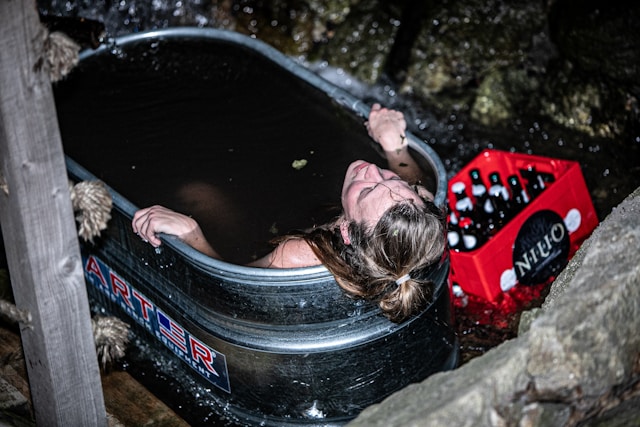
Cold-water immersion can reduce delayed-onset muscle soreness and improve how recovered someone feels after strenuous exercise. These effects may be useful after tournaments, endurance events, or closely scheduled competitions.
However, less soreness does not necessarily mean faster muscle repair.
A 2024 systematic review found that regularly using cold-water immersion after resistance training may modestly reduce muscle hypertrophy. Researchers have also observed reductions in blood flow and anabolic signaling after cooling.
That makes timing important. An ice bath may be useful when short-term readiness matters more than adaptation. It may be less appropriate after every lifting session when maximizing muscle growth is the priority.
How to Use Cold Therapy for Recovery Safely
Healthy beginners should use cool rather than near-freezing water, enter gradually, keep the head above water, and leave immediately if they develop chest pain, dizziness, confusion, numbness, or uncontrolled breathing.
Cold immersion can trigger an immediate cold-shock response involving gasping, rapid breathing, increased heart rate, and increased blood pressure. Never plunge alone in open water or use extreme cold to prove toughness.
Does Heat Therapy Improve Workout Recovery?
Saunas increase body temperature, sweating, and skin blood flow. Many people find the experience relaxing, and small studies suggest that infrared sauna sessions may improve certain measures of soreness or neuromuscular recovery.
The broader evidence remains uncertain. A 2025 systematic review found substantial differences among sauna types, temperatures, session lengths, exercises, and outcomes, making it difficult to recommend one proven recovery protocol.
Sauna should therefore be viewed as an optional comfort or relaxation tool rather than a requirement for muscle repair.
How to Use Heat Therapy for Recovery Safely
Begin with a short session at a tolerable temperature. Leave if you feel dizzy, faint, nauseated, unusually weak, or develop a headache.
Avoid alcohol before or during sauna use. Replace fluids according to thirst and sweat loss rather than forcing excessive water or electrolyte drinks.
People who are pregnant, have unstable cardiovascular disease, very low blood pressure, impaired heat tolerance, or take medications that affect hydration or blood pressure should seek medical guidance first.
Does Contrast Therapy Improve Workout Recovery?
Contrast therapy alternates warm and cold water. It is often promoted as a vascular “pump” that removes waste products, but this mechanism has not been established as the reason for recovery benefits.
Research suggests contrast-water therapy may reduce soreness and improve perceived recovery compared with passive rest. However, an influential review found that the included studies had a high risk of bias.
There is not enough evidence to claim that contrast therapy heals injuries, treats arthritis better than standard care, or works as well as steroid injections.
Use it only as an optional comfort strategy—not as a replacement for evaluation, rehabilitation, or medical treatment.
Who Should Avoid Extreme Cold or Heat?
Seek professional guidance before using these methods if you have:
- Heart disease or an arrhythmia
- Uncontrolled blood pressure
- Peripheral vascular disease
- Neuropathy or reduced temperature sensation
- A history of fainting
- Pregnancy
- A condition or medication affecting temperature regulation
- An acute illness or fever
Sudden cold can place substantial stress on the heart, particularly in people with underlying cardiovascular disease.
Cold and Heat Therapy FAQ
Should You Use an Ice Bath After Lifting?
Occasional use may reduce soreness, but routine immediate cold immersion may be counterproductive when muscle growth is the main goal.
Is a Sauna Better Than an Ice Bath?
Neither is universally better. Cold has stronger evidence for short-term soreness relief. Heat may feel more relaxing, but its recovery effects are less certain.
Can Cold Therapy Improve Recovery and Mood?
Some people report temporary alertness or positive feelings. Current controlled evidence is too limited to claim lasting mood or mental-health benefits.
The Bottom Line
Cold and heat therapy for recovery can make some people feel less sore or more relaxed, but neither method is essential.
Use cold selectively when rapid short-term recovery matters. Use sauna for comfort if you tolerate heat safely. Treat contrast therapy as optional rather than medically proven.
Sleep, adequate food, hydration, progressive training, and appropriate rest remain the foundation of recovery.
Related BeeFit Guides
- Sleep and Fitness Recovery Guide
- Why You Wake Up at 3 A.M.
- Fat Loss After 40
- Mitochondrial Energy
- BeeFit AI Fitness Planner
Research Sources
- Prolonged Short Sleep and Body-Weight Outcomes
- Columbia University Study Summary
- American Heart Association Sleep Guidance
- NHLBI Healthy Sleep Habits
This article is for educational purposes only and is not a substitute for medical advice, injury evaluation, or individualized recovery guidance.
Photo: Lucas Kubica / Unsplash
Discover more from BeeFit: Fitness & Wellness
Subscribe to get the latest posts sent to your email.
Share :