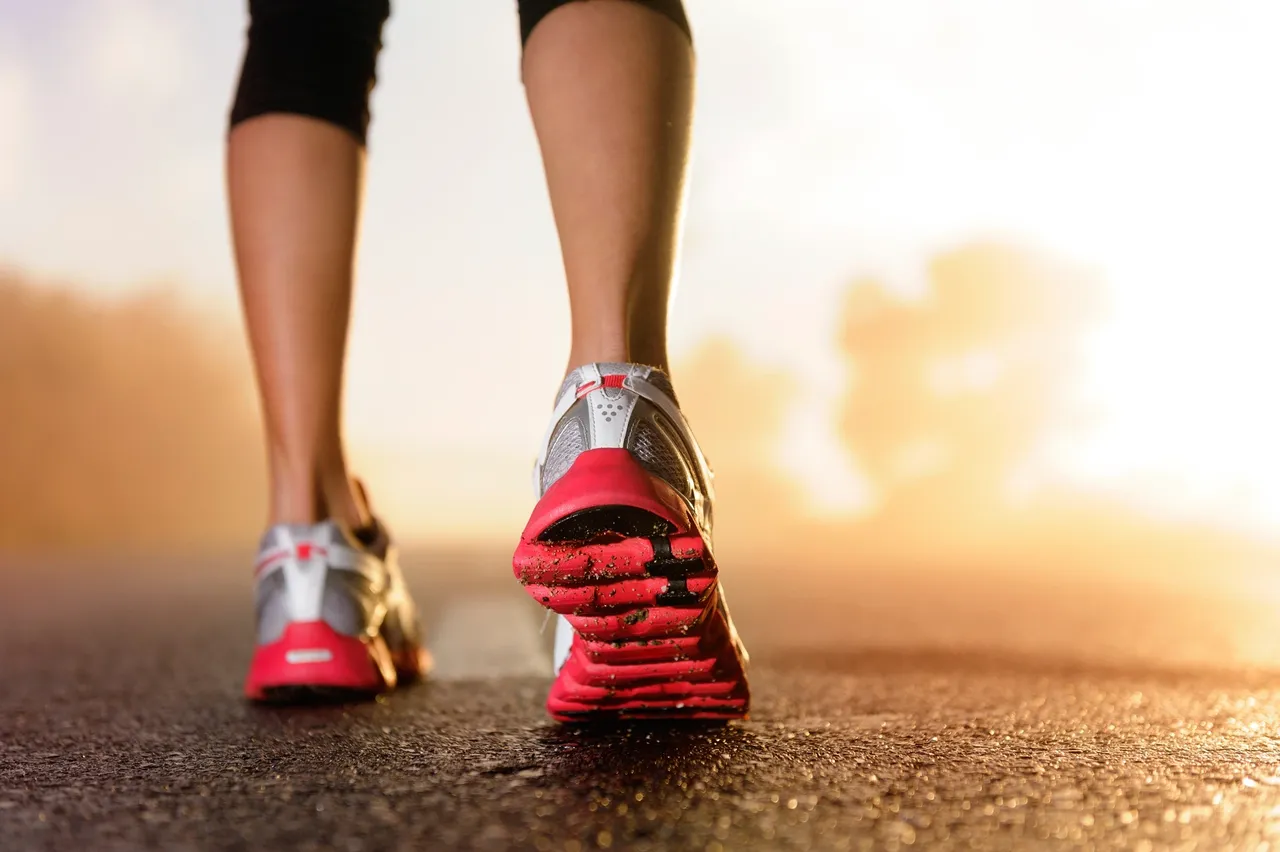
A 10-minute walk after meals is one of the simplest ways to support steadier blood sugar without turning your day into a workout schedule. It will not cancel out an unbalanced diet or replace medical care, but for many people, a short walk soon after eating can make the post-meal period easier on the body.
Quick Take
- A short walk soon after eating can help working muscles use some of the glucose entering your bloodstream.
- The biggest benefit usually comes from timing: movement is most useful when glucose is rising after a meal.
- Dinner is a practical place to start because many people eat more, sit longer, and move less in the evening.
- Keep the pace comfortable. You do not need intense exercise immediately after eating.
- If you have diabetes, take glucose-lowering medication, or have exercise restrictions, ask your clinician how to apply this safely.
Why a 10-Minute Walk After Meals Can Help
After a meal that contains carbohydrates, your digestive system breaks them down into glucose. Glucose then enters the bloodstream, and insulin helps move it into tissues for storage or use. A rise after eating is normal. The issue is not that glucose rises at all; it is how high it rises, how long it stays elevated, and how often that pattern repeats.
Walking gives your muscles a reason to pull fuel from the bloodstream. Muscle contractions can increase glucose uptake through pathways that do not rely entirely on insulin. That is why a 10-minute walk after meals can be useful even when it feels too easy to “count” as exercise.
The evidence is strongest for improving the acute post-meal glucose response, especially in people with impaired glucose tolerance, insulin resistance, prediabetes, or type 2 diabetes. A systematic review and meta-analysis in Sports Medicine found that post-meal exercise, particularly walking performed soon after eating, had a more favorable acute effect on postprandial glucose than waiting longer or exercising before the meal.
That does not mean one short walk is a cure-all. Meal size, carbohydrate type, protein, fiber, sleep, stress, medication, and baseline metabolic health all affect glucose response. The walk is best viewed as one practical lever, not the whole system.
Best Timing for a Post-Meal Walk
The useful window is usually soon after eating, often within the first 15 to 30 minutes. You do not need to sprint away from the table. Finish your meal, tidy up, put on shoes, and start moving before the post-meal slump settles in.
A 10-minute walk after meals works because it overlaps with digestion. If you wait two hours, the walk is still healthy, but it may miss the period when your blood glucose is climbing fastest. If you cannot walk immediately, walking later is still better than staying sedentary all evening.
Intensity should stay modest. A conversational pace is enough for most people: slightly warm, breathing a little deeper, but not pushing hard. Vigorous training right after a large meal can feel uncomfortable and is unnecessary for this goal.
If 10 minutes feels too long, start with five. If you only have two minutes, take the two minutes. The habit becomes easier when the starting line is low enough that you can do it on tired days, busy days, and days when motivation is not available.
Why Dinner Is Often the Best Meal for Walking
Dinner is not magically more important than breakfast or lunch, but it is often the meal with the highest opportunity cost. Many people eat their largest meal at night, then sit for several hours. That combination can leave glucose elevated longer than it would if the same meal were followed by light movement.
A post-dinner walk also gives the evening a cleaner transition. Instead of moving straight from plate to couch, you build a short buffer between eating and sedentary time. For some people, that buffer may reduce grazing, help digestion feel more comfortable, and make the evening feel less sluggish.
Be careful with overstated claims about sleep. A walk after dinner may support a calmer evening routine, and better glucose control may matter for some people overnight, but it is not a guaranteed sleep fix. If sleep is the bigger issue, pair the walk with consistent light exposure, caffeine timing, and a wind-down routine. BeeFit’s guide to science-backed sleep habits covers that broader picture.
What Counts as a Post-Meal Walk?
The body mainly needs rhythmic muscle contraction. Outdoor walking is ideal because it is simple and low friction, but it is not the only option. Indoor pacing, walking the hallway at work, using a treadmill, marching in place, or doing gentle step-ups can all help if they are comfortable and safe.
Use this practical scale:
- Minimum dose: 2 to 5 minutes when time, weather, or energy is limited.
- Reliable target: 10 minutes, especially after higher-carbohydrate or larger meals.
- Extended option: 15 to 20 minutes when you feel good and the walk fits naturally.
Do not turn this into punishment for eating. That mindset rarely lasts. The goal is not to “burn off” the meal. Instead, help your body handle the meal with less sedentary time and more muscular glucose use.
For long-term metabolic health, walking works best alongside resistance training, adequate protein, and daily movement. Muscle is one of the body’s major glucose-handling tissues, so building and preserving it matters. BeeFit’s article on muscle health and longevity explains why strength and metabolism are closely connected.
How to Make the Walking Habit Stick
The easiest version is specific: “After I put my plate in the dishwasher, I walk for 10 minutes.” That is stronger than a vague plan to “move more.” It attaches the new behavior to a cue that already happens every day.
Remove friction before the meal starts. Keep shoes near the door. Leave a light jacket visible. If you walk indoors, choose the route in advance. At work, decide which hallway, stairwell, or block you will use.
The habit also becomes easier when it has a reward that is not food. Save a podcast for after lunch. Call a friend after dinner. Walk without your phone if quiet is the reward. The best version is the one you will repeat without negotiating every time.
If you are rebuilding habits more broadly, do not overhaul everything at once. Start with the meal that causes the biggest crash or the meal followed by the longest sitting period. BeeFit’s 7-day wellness reset can help you layer small changes without making your routine feel crowded.
Safety Notes for Walking After Eating
For most healthy adults, gentle walking after eating is low risk. Still, some people should be more cautious. If you use insulin or medications that can cause hypoglycemia, post-meal activity may change how quickly glucose falls. Ask your healthcare provider how to time movement, meals, and monitoring.
People with cardiovascular symptoms, dizziness, neuropathy, foot ulcers, balance problems, pregnancy-related glucose issues, or recent surgery should get individualized advice before changing activity patterns. The CDC physical activity guidelines support regular aerobic and muscle-strengthening activity for adults, but personal medical context matters.
Also watch the meal itself. If a certain breakfast sends you into a crash every day, a walk may help, but it should not distract from improving the meal. Protein, fiber, slower-digesting carbohydrates, and portion size often matter as much as the walk.
FAQ
Is a 10-minute walk after meals enough?
It can be enough to create a meaningful habit and may help blunt the post-meal glucose rise. Longer walks can add benefits, but consistency matters more than chasing the perfect duration.
Should I walk after every meal?
You can, but you do not have to start there. Begin with the meal that tends to make you sleepy, bloated, or sedentary afterward. For many people, that is dinner.
Can I do strength exercises instead?
Light resistance movements may also help because they use working muscles. Keep them gentle after eating: easy squats to a chair, calf raises, or relaxed stair climbing are better than hard intervals right after a meal.
The Practical Bottom Line
A 10-minute walk after meals is not a miracle, but it is a high-return habit: cheap, accessible, and easy to repeat. Use it most often after larger or higher-carbohydrate meals, especially when you would otherwise sit for hours.
Start tonight with dinner. Set a timer for 10 minutes, walk comfortably, and notice how your digestion, energy, and evening cravings respond. If it helps, keep it. If 10 minutes is too much, scale down and protect the habit first.
This article is for informational purposes only and is not a substitute for professional medical advice, diagnosis, or treatment. Consult a qualified healthcare provider before changing your exercise routine, especially if you have diabetes, cardiovascular disease, pregnancy-related glucose concerns, balance issues, or other medical conditions.
Discover more from BeeFit: Fitness & Wellness
Subscribe to get the latest posts sent to your email.
Share :