Comparing chickpeas vs meat protein is not as simple as asking which food has more protein per bite. Meat usually wins on protein density and amino acid concentration. Chickpeas bring less protein per serving, but they also bring fiber, slow-digesting carbohydrates, folate, potassium, magnesium, and very little saturated fat.
Quick Take
- One cup of cooked chickpeas provides roughly 14–15 grams of protein and 12 grams of fiber, depending on the database and preparation.
- Meat is more protein-dense, but chickpeas offer a stronger protein-fiber package for heart health, digestion, and satiety.
- Chickpeas are not automatically “better” than meat for everyone; athletes, older adults, and people with medical conditions may need more targeted protein planning.
- Whole chickpeas usually beat fried proteins and many ultra-processed snacks on fiber, calorie quality, and ingredient simplicity.
- Use chickpeas as a practical swap in some meals, not as a forced replacement for every animal protein.
Chickpeas vs Meat Protein: What Actually Changes?
A 3-ounce serving of cooked lean beef or chicken generally provides more protein than a cup of cooked chickpeas, with fewer carbohydrates. That matters if your main goal is maximizing protein while keeping calories or carbs tightly controlled.
Chickpeas compete in a different way. According to USDA FoodData Central, cooked chickpeas provide plant protein along with substantial dietary fiber, folate, iron, magnesium, and potassium. Meat provides complete protein, iron, zinc, and B vitamins, but it contains no fiber.
This is the real trade-off in chickpeas vs meat protein: meat is more concentrated protein, while chickpeas are a broader nutrition package. If your current diet is low in fiber, high in processed meat, or heavy on fried foods, adding chickpeas can improve the quality of the whole plate.
Protein quality still deserves nuance. Chickpeas contain essential amino acids, but they are lower in certain amino acids than many animal proteins. You do not need to pair foods perfectly at every meal. Instead, eat a variety of legumes, grains, nuts, seeds, dairy, eggs, fish, poultry, soy, or other protein sources to make the overall diet more complete. For muscle-specific guidance, BeeFit’s guide to plant vs animal protein for muscle covers that comparison in more depth.
Chickpeas vs Meat Protein and Fiber Trade-Offs
The strongest nutrition argument for chickpeas is not that they mimic steak. It is that they add fiber to a meal that might otherwise contain none. Fiber slows digestion, supports bowel regularity, helps feed gut microbes, and can improve the blood sugar response to mixed meals.
The American Heart Association notes that dietary fiber supports digestive health, blood sugar control, and cholesterol management. Legumes are one of the easiest ways to raise fiber intake without relying on powders or fortified snack foods.
Chickpeas contain both soluble and insoluble fiber. Soluble fiber can modestly support LDL cholesterol reduction as part of an overall heart-healthy diet. That does not mean chickpeas function like medication, and it does not mean lean meat is inherently harmful. Replacing some low-fiber, high-saturated-fat meals with legumes is a practical move for many people.
If you are improving cholesterol, blood pressure, or glucose control, the whole pattern matters more than one food. A Mediterranean-style pattern, for example, often emphasizes beans, lentils, chickpeas, vegetables, whole grains, olive oil, nuts, fish, and moderate portions of lean animal proteins. BeeFit’s overview of the best diets for long-term health explains why this approach is easier to sustain than extreme restriction.
Chickpeas vs Meat Protein Compared with Processed Plant Proteins
“Plant-based” does not automatically mean nutrient-dense. Some plant-based burgers, nuggets, bars, and protein snacks are useful convenience foods. They can also be high in sodium, refined starches, added oils, and isolated proteins.
Research on plant-based meat alternatives shows mixed nutrition profiles. A review in PubMed notes that these products can differ in protein, saturated fat, and processing level compared with animal foods. Sodium, vitamin B12, and protein quality can vary by product, so label reading matters more than the front-of-package claim.
Whole chickpeas are simpler. The ingredient list is usually chickpeas, water, and possibly salt. Canned chickpeas are convenient, but sodium varies widely. Choose low-sodium cans when possible, or rinse regular canned chickpeas well before using them.
For chickpeas vs meat protein, the comparison is not just animal versus plant. It is whole food versus highly engineered convenience food. A chickpea salad, soup, curry, or hummus bowl usually brings more fiber and fewer additives than a heavily processed protein snack.
Are Chickpeas Better Than Fried Proteins?
Most people do not need to avoid fried food forever. But if fried chicken, fried fish, or breaded frozen proteins are frequent staples, chickpeas can be a cleaner, more filling swap.
Deep-frying adds calorie-dense oil and often refined flour or breadcrumbs. High-heat cooking can also increase compounds such as advanced glycation end products. The health impact depends on the overall diet, cooking method, and frequency. The safer takeaway is practical: roasted, simmered, or lightly sautéed chickpeas are usually a better everyday choice than heavily fried protein foods.
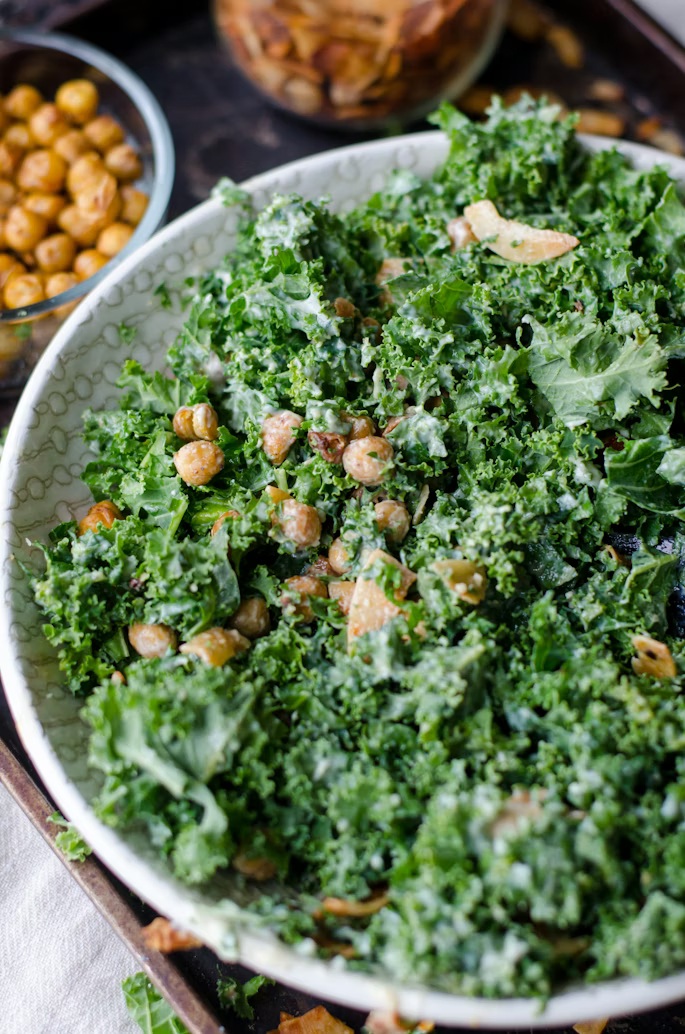
For a crunchy option, rinse and dry canned chickpeas, then toss them with one to two teaspoons of olive oil, smoked paprika, garlic powder, cumin, or chili powder. Roast at 400°F for about 25–35 minutes. Let them cool on the tray so they crisp further. They work as a snack, salad topping, or replacement for croutons.
If your goal is fat loss, do not treat roasted chickpeas as calorie-free. They are nutritious, but portions still matter. A half cup can be enough as a snack; a full cup may fit better as part of a meal.
How to Use Chickpeas for Protein Without Overthinking It
The easiest way to use chickpeas is to replace part of the protein or starch in meals you already eat. Add them to salads, grain bowls, soups, stews, pasta dishes, wraps, or curries. Mash them with Greek yogurt, lemon, mustard, herbs, and pepper for a sandwich filling.
For better amino acid coverage, combine chickpeas with foods such as whole grains, seeds, dairy, eggs, fish, poultry, tofu, or other legumes across the day. A bowl with chickpeas, quinoa, vegetables, olive oil, and feta is more nutritionally complete than plain chickpeas eaten alone.
Cost is another advantage. Dried chickpeas are usually one of the cheapest protein sources per serving, especially if you cook a large batch and freeze portions. Canned chickpeas cost more than dried, but they save time and still compare well with many meats, cheeses, and packaged protein snacks. BeeFit’s guide to the Mediterranean diet on a budget includes more low-cost staples that pair well with beans and legumes.
If chickpeas cause bloating, start smaller. Try 1/4 to 1/2 cup at a time, rinse canned chickpeas thoroughly, and increase gradually. People with irritable bowel syndrome, certain gut conditions, or medically prescribed low-FODMAP plans may need individualized advice.
FAQ
Are chickpeas enough protein for building muscle?
They can contribute, but most lifters should not rely on chickpeas alone. Chickpeas provide protein and training fuel, but you may need additional protein-dense foods to reach daily targets. Athletes often benefit from spreading protein across meals and using a variety of sources.
Are canned chickpeas as healthy as dried chickpeas?
Yes, canned chickpeas can be a healthy choice. The main difference is sodium. Choose low-sodium cans when possible, drain them, and rinse well. Dried chickpeas are cheaper and let you control salt, but they require soaking and cooking time.
Do chickpeas have antinutrients?
Yes, chickpeas contain compounds such as phytates, but soaking, cooking, and canning reduce them. For most people eating a varied diet, this is not a reason to avoid chickpeas. If you have a diagnosed mineral deficiency or digestive disorder, ask a clinician or registered dietitian for personalized guidance.
Bottom Line
The smartest answer to chickpeas vs meat protein is not that one food always wins. Meat is more protein-dense. Chickpeas offer protein plus fiber, minerals, affordability, and versatility. For many people, the best move is replacing some fried, processed, or high-saturated-fat meals with chickpea-based meals while keeping enough total protein in the diet.
This article is for informational purposes only and is not a substitute for professional medical advice, diagnosis, or treatment. Speak with a physician or registered dietitian before making significant dietary changes, especially if you have kidney disease, diabetes, digestive disorders, food allergies, or other medical conditions.
Discover more from BeeFit: Fitness & Wellness
Subscribe to get the latest posts sent to your email.
Share :