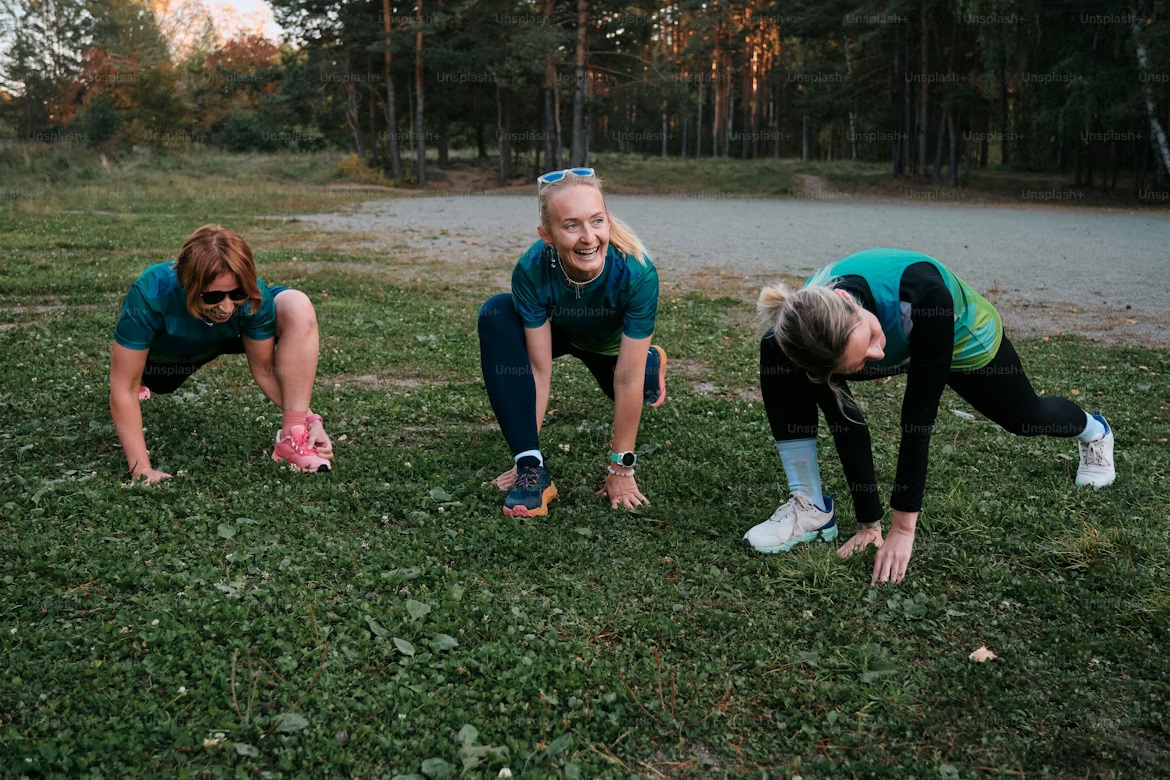
The best exercises for women over 50 are not complicated, but they do need to be well chosen. A strong routine should help you keep muscle, support bone health, protect your joints, maintain balance, and make everyday tasks feel easier.
Quick Take
- Build your routine around strength, weight-bearing cardio, balance, mobility, and low-impact conditioning.
- Two or three weekly strength sessions can help preserve muscle and function when progressed gradually.
- Walking, stair climbing, and dancing are useful because they combine heart health benefits with weight-bearing stress for bones.
- Balance work is not optional after midlife; it helps reduce fall risk and keeps movement confidence high.
- Joint pain, osteoporosis, heart conditions, or recent injury should be discussed with a qualified clinician before changing your exercise plan.
Why Exercise Selection Matters After 50
After 50, fitness is less about chasing exhaustion and more about protecting capacity. Muscle mass, bone density, tendon tolerance, balance, and aerobic fitness can all become harder to maintain. That does not mean decline is inevitable. It means your training needs to be intentional.
The Physical Activity Guidelines for Americans recommend a mix of aerobic activity and muscle-strengthening work. They also include balance training for older adults who may be at risk of falls. In practice, the most useful exercises for women over 50 train real-life movement patterns repeatedly and safely.
If you are returning after a long break, start below your ego. A routine that feels almost too easy in week one is often the routine you can still build on in month three.
8 Essential Exercises for Women Over 50
1. Strength Exercise: Chair Squat
The chair squat trains one of the most important daily skills: sitting down and standing up without using your hands. It strengthens the quads, glutes, hips, and trunk while giving you a clear target for depth and control.
Stand in front of a sturdy chair, feet about hip-width apart. Reach your hips back, lightly touch the chair, then stand tall. Keep your knees tracking in the same direction as your toes. Start with 2 sets of 8 to 10 reps. If that feels easy, hold a light dumbbell at your chest.
For a deeper look at squat mechanics, BeeFit’s guide to mobility moves that support stronger squats can help you improve comfort and range of motion.
2. Strength Exercise: Hip Hinge or Romanian Deadlift
The hip hinge teaches you to bend from the hips instead of rounding through the low back. That matters when you pick up groceries, lift a suitcase, garden, or reach for something on the floor.
Begin with a dowel, broomstick, or very light dumbbells. Soften your knees, push your hips back, keep your spine long, then stand by squeezing your glutes. You should feel the back of your thighs working, not a sharp pull in your lower back. Try 2 to 3 sets of 8 reps.
3. Strength and Balance Exercise: Step-Up
Step-ups build single-leg strength, stair confidence, hip stability, and coordination. They are especially useful because each side has to work independently. Over time, that can reveal and gradually reduce strength imbalances.
Use a low step at first. Place your whole foot on the step, press through the foot, and stand up without bouncing off the back leg. Step down with control. Hold a railing if needed. Start with 6 to 8 reps per side and increase height or load only when the movement feels stable.
4. Upper-Body Strength Exercise: Incline Push-Up
Incline push-ups strengthen the chest, shoulders, triceps, and core without requiring you to get on the floor. They also train the upper-body strength needed to push open heavy doors, get up from the ground, or catch yourself during a stumble.
Place your hands on a counter, bench, or sturdy table. Keep your body in a long line, lower your chest toward the surface, then press away. The higher the surface, the easier the exercise. Aim for 2 sets of 6 to 12 smooth reps.
5. Upper-Back Strength Exercise: Band Row
Rows train the upper back, rear shoulders, and arms. They are a smart counterbalance to the forward posture many people develop from sitting, driving, or looking down at a phone.
Anchor a resistance band around a sturdy point, hold one end in each hand, and pull your elbows back while keeping your ribs down. Pause briefly, then return with control. If you are new to resistance work, BeeFit’s beginner bodyweight workout plan offers a simple way to build the basic movement patterns before adding more load.
6. Cardio Exercise: Brisk Walking
Walking is one of the most practical exercises for women over 50 because it is accessible, weight-bearing, and easy to scale. A brisk pace should feel purposeful: you can speak in short sentences, but singing would be difficult.
Start with 15 to 20 minutes, three or four days per week, then add time gradually. Hills, slightly faster intervals, or a weighted vest may be useful later. They are not required at the beginning. For variety, BeeFit’s Zone 2 cardio guide explains how to use easier aerobic work without turning every session into a hard workout.
For bone health, weight-bearing activity matters. The National Institute on Aging lists walking, hiking, stair climbing, tennis, dancing, and strength training among helpful options for people concerned with osteoporosis risk. If you already have osteoporosis or a history of fractures, review exercise choices with your healthcare provider first.
7. Balance Exercise: Single-Leg Balance
Balance is trainable, but it needs regular practice. The CDC encourages strength and balance exercises as part of older adult fall prevention, especially because falls can lead to injuries that threaten independence.
Stand near a counter or wall. Lift one foot slightly and hold for 10 to 20 seconds. Switch sides. Make it easier by keeping one fingertip on the counter. Make it harder by turning your head slowly, standing on a softer surface, or moving into a heel-to-toe walk. Never practice balance where a slip would be dangerous.
8. Functional Strength Exercise: Loaded Carry
A loaded carry is exactly what it sounds like: you carry weight with good posture. It trains grip, shoulders, core, hips, and walking stability at the same time. Few gym exercises transfer as directly to daily life.
Hold a dumbbell, kettlebell, or grocery bag in each hand. Stand tall, keep your shoulders relaxed, and walk for 20 to 40 seconds. Start lighter than you think. If one side feels weaker, use equal weights and keep the distance short until your posture stays even.
Weekly Plan for Exercises for Women Over 50
A balanced week does not require daily hard training. Most women can start with two full-body strength sessions, two or three walks, and brief balance practice on most days. The goal is enough repetition to improve, not so much fatigue that joints flare or motivation disappears.
A simple week could look like this:
- Monday: Chair squat, hip hinge, incline push-up, band row, loaded carry
- Tuesday: Brisk walk plus 5 minutes of balance work
- Wednesday: Rest, mobility, gentle yoga, or water exercise
- Thursday: Repeat strength session and add step-ups
- Friday: Brisk walk or easy cycling
- Weekend: One longer walk, hike, dance class, swim, or active hobby
Progress slowly. Add a few reps, one extra set, slightly more resistance, or a longer walk every week or two. If your joints ache for more than 24 to 48 hours after training, reduce the dose before assuming the exercise is wrong.
Safety Notes for Joint Pain, Osteoporosis, and Beginners
Discomfort and effort are not the same as pain. Muscle fatigue, mild next-day soreness, and heavier breathing are normal. Sharp pain, chest pressure, dizziness, unusual shortness of breath, or joint pain that changes your walking pattern should stop the session.
If you have arthritis, water exercise, cycling, shorter walking bouts, and supported strength exercises may be better starting points. If you have osteoporosis, avoid aggressive loaded spinal flexion or twisting unless a qualified clinician has cleared it. The safest exercises for women over 50 are the ones matched to your medical history, current strength, and recovery capacity.
Resistance training has strong support for older adults, including those dealing with sarcopenia. A systematic review and meta-analysis on exercise programs for sarcopenia found that exercise interventions can improve muscle strength and physical performance. Results still vary by program design and participant health.
FAQ
Is it too late to start exercising after 50?
No. Many people improve strength, balance, walking capacity, and confidence after 50. Start with lower volume, learn good technique, and build gradually.
Do I need a gym for these exercises?
No. A chair, resistance band, walking shoes, and one or two light weights are enough to begin. A gym can help later if you want machines, heavier dumbbells, or coaching.
How often should women over 50 strength train?
Two weekly full-body sessions are a strong starting point. Three can work well if recovery, sleep, and joint comfort are good.
The Practical Bottom Line
The most useful exercises for women over 50 are not trendy. Squat, hinge, step, push, pull, walk, balance, and carry. Done consistently, these patterns support the strength and confidence needed for daily life.
Start with the version you can do well today. Then make it a little stronger, steadier, or longer over time.
This article is for informational purposes only and is not a substitute for professional medical advice, diagnosis, or treatment. Always seek the advice of your physician or another qualified health provider before beginning a new exercise program, especially if you have pre-existing health conditions, osteoporosis, balance problems, heart disease, recent surgery, or ongoing pain.
Discover more from BeeFit: Fitness & Wellness
Subscribe to get the latest posts sent to your email.
Share :