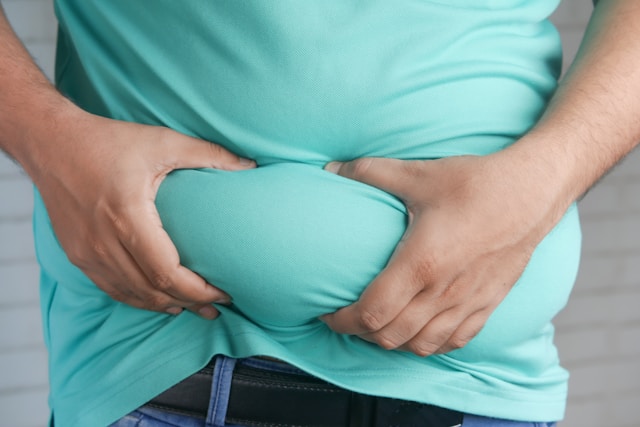
If your nutrition is consistent but your waistline is not changing, stress and cortisol belly fat may be part of the picture. Not because cortisol magically overrides calories, but because chronic stress can make the behaviors that drive fat loss—sleep, appetite control, training recovery, and daily movement—much harder to maintain.
Quick Take
- Cortisol is useful in short bursts, but chronic stress can increase cravings, disrupt sleep, and make consistent fat loss harder.
- Belly fat is not caused by stress alone, but higher stress may contribute to abdominal fat gain through appetite, recovery, and metabolic health pathways.
- Visceral fat around the abdomen is more closely linked with cardiometabolic risk than fat stored under the skin.
- The practical fix is not “lower cortisol at all costs.” It is better sleep rhythm, smarter training, protein-rich meals, and stress responses you can repeat.
What Cortisol Actually Does
Cortisol is your body’s main glucocorticoid hormone. It helps mobilize energy, regulate inflammation, support blood pressure, and respond to physical or psychological stress. A morning cortisol rise is normal and useful. A hard workout can raise cortisol temporarily and still be healthy.
The problem is not cortisol itself. The problem is a stress pattern that stays switched on while recovery stays low. In that state, many people sleep worse, crave more calorie-dense foods, move less outside workouts, and recover poorly from training.
That is where stress and cortisol belly fat becomes a practical concern. It is less about one hormone “creating” fat and more about a hormonal environment that can push your eating, sleep, and activity in the wrong direction.
Visceral fat also deserves a clear distinction. Subcutaneous fat sits under the skin. Visceral fat sits deeper around the organs and is associated with insulin resistance, type 2 diabetes, and coronary heart disease risk in medical literature on visceral obesity and metabolic health.
How Stress and Cortisol Belly Fat Patterns Develop
Stress can influence body composition through several overlapping routes. None of them affect everyone equally, and none replace the need for an overall calorie deficit to lose fat. But they can explain why a plan that looks good on paper becomes difficult to follow in real life.
First, stress can increase appetite and preference for highly palatable foods. If a tense afternoon regularly turns into grazing, snacking, alcohol, or larger portions at night, the weekly calorie average climbs even if your planned meals are reasonable.
Second, poor sleep changes hunger regulation. Controlled research has shown that sleep restriction can reduce leptin, increase ghrelin, and increase hunger and appetite for calorie-dense carbohydrate foods. That does not mean one bad night ruins progress, but repeated short sleep can make adherence harder than it needs to be. The sleep restriction findings are summarized in this study on leptin, ghrelin, hunger, and appetite.
Third, chronic stress often lowers non-exercise activity. You may still complete your workouts, but sit more, walk less, postpone chores, and choose convenience more often. Those small reductions in daily movement can matter as much as the workout itself.
If you have been blaming a “broken metabolism,” it may help to revisit the fundamentals in BeeFit’s guide to how to boost your metabolism naturally. The goal is not to chase metabolic hacks; it is to protect the habits that keep energy expenditure and appetite more predictable.
Why Stress and Cortisol Cravings Affect Belly Fat
Stress eating is often treated like a discipline problem. Sometimes it is simply poor planning. More often, it is a predictable response to fatigue, emotional load, and easy access to high-reward foods.
When a craving hits, do not start with guilt. Start with a quick check: when did you last eat protein, how much sleep did you get, and what just happened emotionally? Those three answers usually explain more than willpower does.
Use a short delay rather than a dramatic restriction rule. Drink water, take a five- to ten-minute walk, or eat a planned snack with protein and fiber. Greek yogurt with berries, eggs and fruit, cottage cheese, edamame, or a turkey wrap can reduce the urgency without turning food into a moral test.
Protein is especially useful because it supports fullness and helps preserve lean mass during fat loss. If your meals are currently light on protein, BeeFit’s high-protein meal plan for fat loss and muscle gain gives a practical structure without making stress management another complicated project.
Training: When More Intensity Is Not the Answer
Exercise is one of the best stress-management tools available, but the dose matters. A hard session can be productive when you are sleeping, eating, and recovering well. The same session can be another stressor when you are under-slept, under-fueled, and already running on fumes.
For most adults, the baseline target is still consistent movement: aerobic work, strength training, and less sitting. The Physical Activity Guidelines for Americans support regular activity for broad health benefits, including adults with chronic health conditions when adapted to ability.
If stress is high, keep training effective but less punishing. Strength train two to four days per week, keep most cardio easy to moderate, and limit HIIT to one or two sessions if it affects sleep, soreness, or appetite. Walking after meals is underrated because it supports blood glucose control, digestion, and decompression without demanding much recovery.
A useful rule: after a terrible night of sleep or a highly stressful day, reduce the workout before you skip it. Do fewer sets, use lighter loads, or walk for 25 minutes. Consistency beats a workout that leaves you wired at night and ravenous the next day.
A Simple Stress-Response Decision Table
Use this table to match the response to the pattern. It is not a diagnostic tool, and symptoms like unexplained weight gain, severe fatigue, menstrual changes, or easy bruising should be discussed with a clinician.
| What you notice | Common pattern | Better first response |
|---|---|---|
| Sudden craving for sweets at night | Stress, fatigue, or under-eating earlier | Eat a protein-rich planned snack, then reassess in 10 minutes |
| Tired but alert at bedtime | Late stimulation, irregular schedule, or unfinished stress | Dim lights, stop work, use slow breathing, and keep the same wake time |
| Training hard but feeling worse | Recovery is not matching intensity | Replace one intense session with walking or lower-volume strength work |
| Weekend overeating after a strict week | Too much restriction plus accumulated stress | Add more protein, fiber, and satisfying meals during the week |
The goal is to interrupt the loop early. Stress and cortisol belly fat concerns are easier to manage when you respond to the first signs of strain instead of waiting until cravings, poor sleep, and skipped workouts pile up.
Sleep Is the Highest-Return Lever
Sleep is where stress management becomes measurable. Short sleep can increase hunger, alter appetite hormones, and make high-calorie foods more appealing. It also reduces patience, which matters when you are trying to make deliberate food choices after a long day.
Start with rhythm before perfection. Keep a consistent wake time, get outdoor light early in the day, reduce bright screens and work messages late at night, and avoid using intense exercise as your main evening decompression tool if it delays sleep.
If you wake often at night or feel unrefreshed despite enough time in bed, do not assume cortisol is the cause. Alcohol, sleep apnea, medications, anxiety, pain, and inconsistent schedules can all play a role. BeeFit’s guide on sleep and fitness recovery covers the training side of this loop in more detail.
FAQs About Stress, Cortisol, and Belly Fat
Can stress cause belly fat even if calories do not change?
Stress alone does not bypass energy balance. However, chronic stress can change appetite, sleep, food choices, alcohol intake, and daily movement enough that calories often change without you noticing. It may also worsen insulin resistance in some people.
Should I test my cortisol?
Not for routine fat loss. Cortisol testing is usually reserved for specific medical concerns and should be interpreted by a qualified clinician. If you have rapid unexplained weight gain, muscle weakness, high blood pressure, or other concerning symptoms, seek medical advice.
What is the best first step for stress and cortisol belly fat?
Choose the lever that is most broken: sleep timing, protein at meals, walking, or training recovery. For many people, a fixed wake time and a 10-minute walk after dinner are easier and more effective than another restrictive diet rule.
The Bottom Line
Stress and cortisol belly fat is not a reason to ignore nutrition, and it is not proof that your hormones are broken. It is a reminder that fat loss depends on the environment your habits live in.
If stress is high, do not respond by making the plan harsher. Make it more sustainable: protein-rich meals, consistent sleep timing, enough walking, and training that you can recover from. Those basics lower the friction around fat loss without turning cortisol into the villain.
For a personalized plan that balances training, nutrition, and recovery, start with BeeFit’s AI Fitness Planner.
This article is for informational purposes only and is not a substitute for professional medical advice, diagnosis, or treatment. If you suspect a medical condition, including Cushing’s syndrome, an adrenal disorder, sleep apnea, or another endocrine issue, consult a physician. Always seek guidance before making significant changes to your diet, exercise, or stress management routine.
Photo: Towfiqu barbhuiya / Unsplash
Discover more from BeeFit: Fitness & Wellness
Subscribe to get the latest posts sent to your email.
Share :