Quick Take
- Calorie restriction lowers testosterone in healthy lean men despite improving testosterone levels in men with obesity or metabolic syndrome according to systematic reviews.
- Women possess significantly more total testosterone than estradiol (primary estrogen) in their bodies, challenging the oversimplified label of testosterone as exclusively male hormone.
- Starting testosterone replacement therapy increases sleep apnea risk especially during first 1-2 months by potentially triggering hyper-sympathetic state destabilizing airways during sleep.
- Anti-inflammatory compounds like curcumin in turmeric and piperine in black pepper can inhibit enzymes producing DHT, a potent driver of motivation and libido.
Does Eating Less Lower Testosterone in Healthy Men?
Yes. Caloric restriction lowers testosterone in young, healthy, lean men despite improving testosterone levels in individuals with obesity or metabolic syndrome.
Systematic reviews highlight critical nuance: hormonal impact of calorie restriction depends entirely on starting metabolic state. For already healthy individuals, aggressive calorie cuts may undermine vitality they seek.
Health strategies are not universal. An individual with obesity benefits from calorie restriction through improved insulin sensitivity and reduced inflammation, which supports testosterone production. A lean, healthy person restricting calories signals scarcity to the body, downregulating hormones tied to reproduction and vitality.
Chronic undereating in lean individuals creates energy deficit that prioritizes survival over reproduction, suppressing testosterone and other anabolic hormones.
Your Application
- If lean and healthy, prioritize nutrient density and energy balance over severe calorie restriction for performance
- Use modest deficits (300-500 calories below maintenance) when cutting rather than aggressive restrictions exceeding 1,000 calories
- Incorporate diet breaks or refeed days every 6-8 weeks to temporarily restore energy intake and normalize hormone levels
Can Healthy Foods Reduce Your Motivation?
Possibly. Certain plant compounds like curcumin in turmeric and piperine in black pepper can inhibit enzymes producing dihydrotestosterone (DHT), a potent driver of motivation, libido, and assertiveness.
DHT is key androgen contributing to the feeling that “effort feels good.” Highly bioavailable extracts of common anti-inflammatory polyphenols may inadvertently blunt this pathway.
“For individuals with already low DHT or less sensitive androgen receptors, supplementing with these might actually be detrimental to that feeling of motivation and well-being.” (Dr. Kyle Gillett, Huberman Lab Essentials podcast on hormone optimization)
Getting these compounds from whole foods within balanced diet is less likely to cause issues than high-potency supplements isolating specific polyphenols at mega-doses.
Your Application
- Avoid mega-dosing isolated anti-inflammatory supplements (concentrated curcumin, piperine extracts) if struggling with low drive or motivation
- Consume turmeric, black pepper, and other polyphenol sources as whole foods within meals rather than concentrated extracts
- Assess current supplement regimen for high-dose polyphenol products if experiencing unexplained low motivation despite adequate sleep and stress management
Do Women Have More Testosterone Than Estrogen?
Yes. Almost all women have significantly more total testosterone in their bodies than estradiol (primary estrogen), challenging the reductive label of testosterone as male hormone.
This fact is often missed because hormones are measured on different scales (nanograms versus picograms), and most testosterone is bound to SHBG protein, making it inactive.
Testosterone plays major role in female health affecting energy levels, muscle tone, bone density, libido, and cognitive function. Focusing exclusively on estrogen and progesterone provides incomplete picture of female hormonal health.
Women experiencing low energy, diminished muscle tone, or low libido should request comprehensive hormone panels including total and free testosterone, not just estrogen and progesterone.
Your Application
- Request full hormone panel including total testosterone, free testosterone, SHBG when investigating low energy or libido symptoms
- Recognize testosterone as critical hormone for female vitality, not optional or concerning unless extremely elevated
- Consider testosterone levels alongside estrogen and progesterone when evaluating hormonal health and addressing symptoms
Why Does Testosterone Therapy Worsen Sleep?
Initiating testosterone replacement therapy can increase sleep apnea risk, especially during first 1-2 months, by potentially triggering hyper-sympathetic state that destabilizes airways.
While low testosterone can cause poor sleep, correcting it through therapy isn’t always straightforward. The therapy itself can introduce new complications, particularly at higher doses or in men who started with normal baseline levels.
More hormone is not always better. Testosterone therapy at excessive doses or in men with borderline-normal levels may create more problems than it solves through sleep disruption.
Key signs include new loud snoring, witnessed episodes of stopped breathing at night, choking or gasping sensations, and unrefreshing sleep despite adequate time in bed.
Your Application
- Prioritize sleep monitoring if starting testosterone replacement therapy, especially during first 1-2 months when apnea risk peaks
- Use lowest effective dose working with knowledgeable clinician who monitors for sleep apnea side effects
- Report new snoring, gasping at night, or daytime fatigue immediately to prescribing physician for sleep evaluation
Does Your Relationship Impact Your Hormones?
Absolutely. Romantic relationships involve constant pheromonal and hormonal cross talk, with purposeful time apart helping regulate dopamine and maintain attraction.
Major shared life events like pregnancy cause synchronized hormonal shifts in both partners affecting prolactin, dopamine, and other neurochemicals.
“A lot of guys know that when they go on a trip, they come back and see their partner and it’s almost like a new relationship. Purposely building that into every relationship can help significantly.” (Dr. Kyle Gillett on relationship dynamics and hormones)
Perpetual togetherness can dampen excitement and novelty-driven dopamine responses, while planned separation can renew attraction through absence and reunion cycles.
Your Application
- Strategically build independent time and novel experiences into long-term relationships through regular solo activities or brief separations
- Plan for natural hormonal alterations during major life events (having children) affecting both partners’ prolactin and dopamine levels
- Focus on maintaining individual identities and pursuits rather than complete merging of schedules and activities
Is Spiritual Health Important for Hormones?
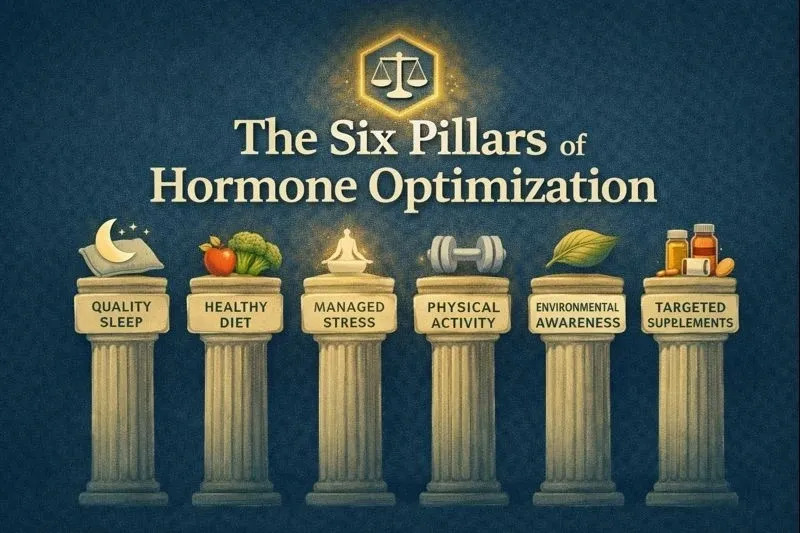
Yes. Dr. Gillett positions spiritual health (sense of purpose, belief, and connection) as sixth foundational pillar, arguing that mind, body, and soul form interconnected system.
Even with perfect diet, exercise, and sleep, lack of spiritual well-being can profoundly impact physical health and hormonal balance.
“If you have all the other five pillars dialed in completely but you don’t have your spiritual health, then that’s going to profoundly impact your body and your mind as well.” (Dr. Kyle Gillett on spiritual health as hormone optimization pillar)
This moves purpose from philosophical concept to clinical consideration. Optimization plans incomplete without inner work cultivating sense of meaning and connection.
Your Application
- Dedicate 10-15 minutes daily to activity fostering meaning and connection (journaling, nature walks, meditation, volunteering, creative pursuits)
- Audit spiritual health by asking: What gives me sense of meaning? When do I feel most connected?
- Prioritize consistency in small doses rather than expecting immediate dramatic shifts from spiritual practices
FAQ: Your Hormone Health Questions, Answered
Q: I’m a healthy man trying to get lean. How can I cut calories without crashing my testosterone?
A: Avoid aggressive, prolonged deficits. Use modest deficit (300-500 calories below maintenance), prioritize high protein intake (0.8-1.0g per pound body weight) to support muscle and satiety, and incorporate diet breaks or refeed days every 6-8 weeks to temporarily restore energy intake and normalize hormone levels.
Q: Should women worried about high testosterone avoid strength training?
A: No. This is common misconception. Regular strength training is crucial for female bone health, metabolic rate, and functional strength. It does not cause abnormally high testosterone levels. Benefits far outweigh any unfounded concerns.
Q: Are there signs that my TRT might be causing sleep apnea?
A: Key signs include new loud snoring, witnessed episodes where you stop breathing at night, choking or gasping sensations, and unrefreshing sleep despite adequate time in bed. If you notice these, consult prescribing physician immediately for sleep evaluation.
Q: How do I practically work on the spiritual pillar?
A: Start with reflection: What gives me sense of meaning? When do I feel most connected? Dedicate 10-15 minutes daily to activity fostering this (journaling, walking without technology, volunteering, mindfulness practice). Consistency in small doses is key.
Q: Can turmeric supplements lower my testosterone or motivation?
A: High-dose curcumin extracts can inhibit DHT production, potentially reducing motivation and libido in some individuals. Consuming turmeric as whole food spice in cooking is unlikely to cause issues. If using concentrated supplements and experiencing low motivation, consider reducing dosage.
Optimize Hormones Through Context, Not Rules
Hormone optimization requires understanding complex interplay between metabolism, lifestyle, relationships, and purpose rather than following one-size-fits-all protocols.
Calorie restriction lowers testosterone in healthy lean men while improving it in those with obesity. Women possess more total testosterone than estrogen. Testosterone therapy can worsen sleep through increased apnea risk.
For evidence-based guidance on structuring complete hormone optimization programs including nutrition, training, and lifestyle factors, explore our endocrine health and performance nutrition resources at BeeFit.ai. You can also check out our breakdown of testosterone naturally and strength training protocols supporting hormonal health.
This article is for informational purposes only and is not a substitute for professional medical advice, diagnosis, or treatment. Always consult with a qualified healthcare provider before starting any new exercise or nutrition program.
Discover more from BeeFit: Fitness & Wellness
Subscribe to get the latest posts sent to your email.
Share :