Quick Take
- The functional beverage market is shifting away from caffeine overload toward targeted hormonal support for men.
- High caffeine intake can spike cortisol, disrupt sleep, and lower testosterone, undermining long-term health and performance.
- Men’s hormonal health solutions—testosterone support, cortisol management, nighttime recovery blends—remain a low-competition, high-opportunity niche.
- Strategic ingredients like ashwagandha, magnesium glycinate, zinc, and D-aspartic acid offer evidence-based alternatives to the caffeine crash cycle.
For years, the fitness industry has sold you the same formula: more caffeine equals more energy, better workouts, and faster fat loss. Pre-workout powders with 300mg of caffeine. Energy drinks that spike your heart rate. Coffee before every gym session. But a quiet revolution is underway. Brands are moving away from the over‑reliance on caffeine, and the next big frontier isn’t another stimulant—it’s hormonal health.
While women’s health has exploded with innovations in cycle syncing and menopause support, men’s hormonal health remains surprisingly underserved. Testosterone optimization, cortisol management, and nighttime recovery blends are wide‑open opportunities. The science is clear: chronic caffeine abuse can backfire, raising stress hormones and sabotaging the very gains you’re chasing. This article explores why ditching the caffeine crutch and focusing on hormonal balance is the smartest move you can make for sustainable energy, muscle growth, and long‑term vitality.
Is Caffeine Secretly Destroying Your Testosterone?
Direct Answer
Yes, when consumed in excess or late in the day, caffeine can elevate cortisol, which has an inverse relationship with testosterone. Chronically high cortisol suppresses testosterone production, undermining muscle growth, libido, and recovery.
Explanation & Evidence
Caffeine is a stimulant that triggers the release of adrenaline and cortisol. In small, well‑timed doses, this can enhance performance. But when you rely on multiple cups of coffee or high‑stim pre‑workouts daily, your cortisol levels remain elevated. A 2015 study in the Journal of Clinical Endocrinology & Metabolism found that men with high stress (and thus high cortisol) had significantly lower testosterone. Another trial showed that consuming caffeine late in the day reduced sleep quality, and poor sleep is a known testosterone killer.
“Sleep restriction decreases testosterone levels in healthy young men,” concluded a study in the Journal of the American Medical Association. Caffeine‑induced sleep disruption is a hidden driver of low T.
Analysis & Application
Your morning coffee isn’t the enemy. But relying on caffeine to power through every workout and afternoon crash creates a vicious cycle.
Your Application
Limit caffeine to the morning hours only, and never after 2 PM. Replace afternoon energy drinks with a caffeine‑free hormonal support blend containing adaptogens like ashwagandha.
Why Is Men’s Hormonal Health a Low‑Competition Goldmine?
Direct Answer
The functional beverage market has been saturated with caffeine‑heavy products targeting general energy. Men’s specific hormonal health—testosterone, cortisol, nighttime recovery—remains largely untapped, creating a massive opportunity for brands and individuals to lead the space.
Explanation & Evidence
Women’s hormonal health has seen explosive growth: period tracking apps, menopause supplements, and cycle‑synced workouts. Men, however, have been left with generic “testosterone boosters” that are often underdosed or gimmicky. Meanwhile, consumer demand for natural, science‑backed solutions is rising. A 2023 report by Grand View Research noted that the global adaptogen market is expected to grow at 7% CAGR, driven partly by men seeking stress and hormone support.
Analysis & Application
This isn’t just about supplements—it’s about rethinking your entire approach to energy and recovery.
Your Application
Look for products (or make your own) that target three key areas: daytime cortisol control (ashwagandha, rhodiola), nighttime recovery (magnesium glycinate, zinc, L‑theanine), and direct testosterone support (D‑aspartic acid, fenugreek, vitamin D). These ingredients are well‑researched and far from the caffeine arms race.
Can Adaptogens Replace Caffeine for Pre‑Workout Energy?
Direct Answer
Yes, adaptogens like ashwagandha and rhodiola rosea can enhance energy, focus, and endurance without the jitters or cortisol spike, making them superior for long‑term hormonal health.
Explanation & Evidence
Adaptogens work by modulating the body’s stress response, helping you maintain energy under pressure rather than artificially stimulating it. A 2019 study in the Journal of the International Society of Sports Nutrition found that ashwagandha supplementation significantly improved VO2 max and recovery in elite athletes. Rhodiola rosea has been shown to reduce mental fatigue and improve time‑to‑exhaustion during exercise.
Analysis & Application
Caffeine gives you a borrowed energy that must be repaid with interest (crashes, adrenal fatigue). Adaptogens build resilience.
Your Application
For a clean pre‑workout boost, try 300‑500mg of ashwagandha or 200mg of rhodiola 30‑60 minutes before training. Pair with a small amount of caffeine (e.g., green tea) if needed, but you’ll likely find the adaptogens sufficient on their own. For more on natural pre‑workout stacks, check out our guide to caffeine‑free performance enhancers.
What Does a Men’s Nighttime Recovery Blend Look Like?
Direct Answer
An effective nighttime recovery blend for men focuses on lowering cortisol, improving sleep quality, and supporting overnight testosterone production. Key ingredients include magnesium glycinate, zinc, L‑theanine, and low‑dose GABA.
Explanation & Evidence
Testosterone is primarily produced during deep sleep. Poor sleep or elevated nighttime cortisol directly impairs this process. Magnesium glycinate has been shown to improve sleep quality and reduce cortisol. Zinc is essential for testosterone synthesis and is often depleted by intense training. L‑theanine promotes relaxation without sedation.
A 2011 study in Biological Trace Element Research found that zinc supplementation increased testosterone levels in athletes after just four weeks.
Analysis & Application
Stop using caffeine‑laden “nighttime” products that are marketing gimmicks.
Your Application
Create your own nighttime recovery drink: mix 200mg magnesium glycinate, 15‑30mg zinc, 100‑200mg L‑theanine, and a pinch of sea salt in warm water or herbal tea. Take 30‑60 minutes before bed. This simple blend supports hormone production, muscle repair, and deep sleep.
How Do You Transition Off Caffeine Without Crashing?
Direct Answer
Gradually taper your caffeine intake over 1‑2 weeks while simultaneously introducing adaptogens and morning sunlight to reset your natural energy rhythms.
Explanation & Evidence
Abrupt caffeine withdrawal causes headaches, fatigue, and irritability. A gradual reduction of 25% every few days minimizes these effects. Meanwhile, morning sunlight exposure (10‑15 minutes) helps regulate cortisol’s natural peak‑and‑trough cycle, providing clean, sustainable energy. Adaptogens like ashwagandha support the adrenal glands during the transition.
Analysis & Application
The goal isn’t zero caffeine forever—it’s to stop relying on it as a crutch.
Your Application
Week 1: Replace one daily caffeinated drink with herbal tea or adaptogen blend.
Week 2: Reduce portion sizes of remaining caffeine. Use a sunlight lamp or go outside within 30 minutes of waking. Within a month, you’ll have stable energy without the midday crash.
FAQ: Your Hormonal Health Questions, Answered
Q: I drink coffee before every workout. Will quitting hurt my performance?
A: Initially, yes, you may feel a temporary dip. But after 2‑3 weeks of adaptogen use and proper sleep, your natural energy will return, and you’ll avoid the cortisol spike that can blunt long‑term gains. Many athletes report better endurance and less post‑workout fatigue once they break the caffeine cycle.
Q: Are testosterone boosters safe?
A: Many over‑the‑counter “test boosters” are underdosed or contain untested ingredients. Stick with clinically researched compounds: zinc, magnesium, vitamin D, D‑aspartic acid (for short cycles), and ashwagandha. Always consult a doctor before starting any new supplement, especially if you have underlying conditions.
Q: Can I still have coffee occasionally?
A: Absolutely. The goal is to remove dependency, not eliminate enjoyment. One cup in the morning, especially if you’re not an anxious person, is fine. Just avoid late‑day caffeine and don’t use it as a pre‑workout crutch for every session.
Q: How long until I notice better hormonal balance?
A: Sleep improvements often appear within a week. Stable energy and mood may take 2‑4 weeks. For significant changes in testosterone levels, consistent sleep, stress management, and nutrition for 8‑12 weeks are typically required.
Q: Is there any research linking caffeine to lower testosterone directly?
A: Most research shows acute caffeine intake doesn’t directly lower testosterone, but its downstream effects—poor sleep, elevated cortisol—do. A 2018 study in Andrology found that men with chronic high caffeine intake had higher cortisol and lower free testosterone compared to moderate users.
The Final Shift: From Stimulation to Restoration
The fitness industry has conditioned you to chase the buzz. But real, sustainable energy doesn’t come from a can. It comes from balanced hormones, deep sleep, and a resilient stress response. By moving away from caffeine dependency and toward targeted hormonal support—testosterone, cortisol management, nighttime recovery—you’re not just improving your workouts. You’re investing in decades of vitality.
Start small. Replace one afternoon energy drink with an adaptogen blend. Add a nighttime recovery drink. Prioritize sleep over another coffee. Your hormones will thank you, and your body will finally stop running on borrowed time.
Ready to build a personalized hormonal health plan? Explore the science‑backed tools and resources at BeeFit.ai.
This article is for informational purposes only and is not a substitute for professional medical advice. Always consult with a healthcare provider before making changes to your caffeine intake or starting new supplements, especially if you have hormonal conditions or take medications.
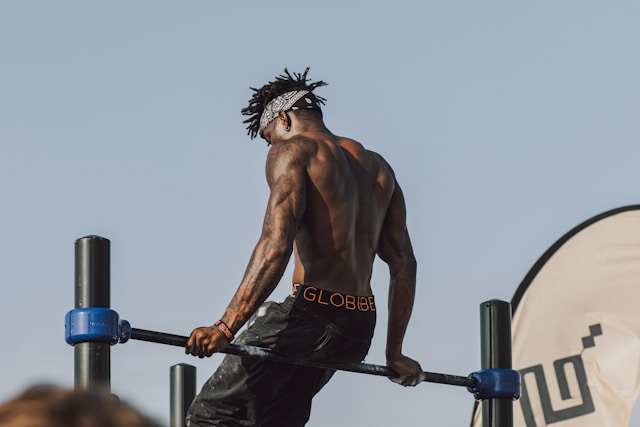
Photo: Kate Trysh / Unsplash
Discover more from BeeFit: Fitness & Wellness
Subscribe to get the latest posts sent to your email.
Share :