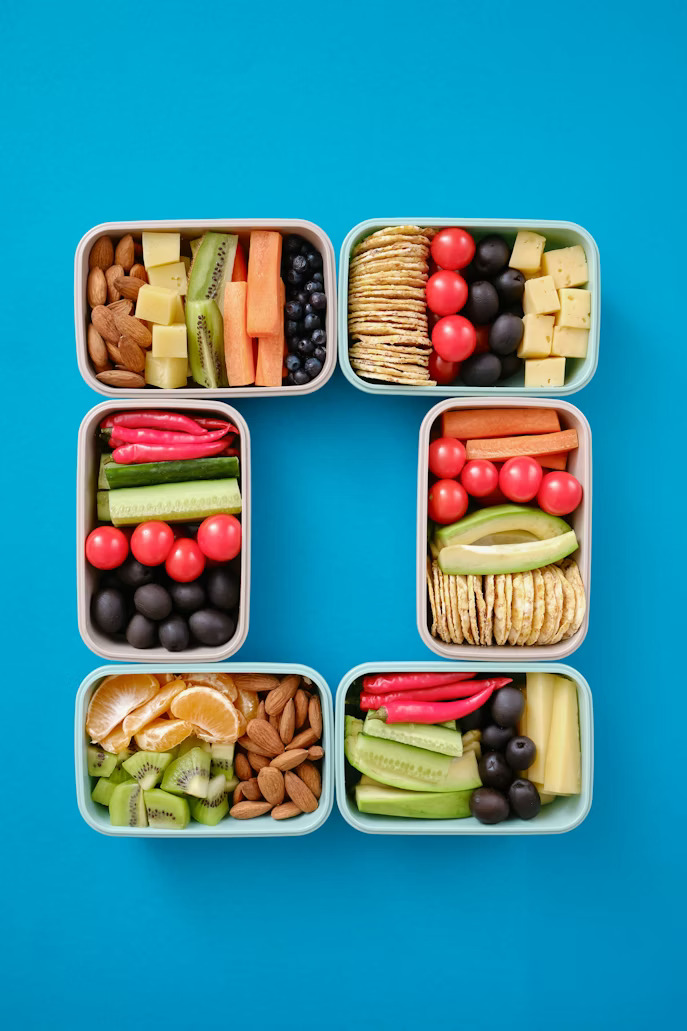
The best healthy snacks between meals are not the lowest-calorie foods or the trendiest packaged bars. They are simple combinations that keep you satisfied, help you meet your protein and fiber needs, and fit your day without quietly turning into an extra meal.
Quick Take
- Choose snacks with protein first, then add fiber-rich carbs or healthy fats for staying power.
- Snacking is not automatically good or bad for weight management; total daily intake and food quality matter more.
- A useful snack usually sits around 150–300 calories, depending on your body size, goals, and activity level.
- Pre-workout snacks should be easier to digest; slower, higher-fat snacks work better away from training.
What Makes Healthy Snacks Between Meals Actually Satisfying?
A satisfying snack usually has at least two of the following: protein, fiber, healthy fat, and water-rich volume. Protein helps with fullness and supports muscle repair. Fiber adds bulk and slows digestion. Healthy fats improve taste and can make a small snack feel more complete.
This is why a handful of crackers often disappoints, while Greek yogurt with berries can carry you to dinner. The calories may not differ dramatically, but the second option gives your body more to work with. Research on dietary protein and appetite generally supports protein’s role in increasing fullness, though the effect varies by person, food form, and total diet pattern: systematic review and meta-analysis on protein and appetite.
For most people, healthy snacks between meals work best when meals are spaced more than four hours apart, training falls between meals, or protein is consistently low at breakfast or lunch. If you are not hungry and your meals already cover your needs, you do not need to snack just because a plan says so.
7 Healthy Snacks Between Meals That Work in Real Life
1. Plain Greek Yogurt With Berries for Protein
Plain Greek yogurt is one of the easiest healthy snacks between meals because it delivers a meaningful protein dose with very little prep. Add berries for fiber, volume, and natural sweetness. If you need more calories, add a tablespoon of chopped nuts or granola instead of buying a heavily sweetened yogurt cup.
Use it when you want something cold, quick, and filling. It also works well after training if your next full meal is still a couple of hours away. For more on spreading protein across the day, BeeFit’s guide to protein timing explains why total daily intake matters more than a frantic 30-minute window.
2. Hard-Boiled Eggs With Fruit or Vegetables
Two hard-boiled eggs give you complete protein, fat, choline, and a portable structure that requires no utensils. Pair them with an apple, carrots, cucumbers, or bell peppers. That adds fiber and volume without turning the snack into a heavy meal.
This is a good option for busy workdays because it is predictable and hard to overcomplicate. Batch-cook several eggs at once, keep them refrigerated, and season them right before eating with salt, pepper, hot sauce, or everything-bagel seasoning.
3. Cottage Cheese With Pineapple, Tomatoes, or Cucumbers
Cottage cheese is high in protein, mild, and flexible. Sweet versions work with pineapple, berries, or cinnamon. Savory versions work with cherry tomatoes, cucumber, cracked pepper, or a drizzle of olive oil.
Because cottage cheese is rich and filling, start with a modest serving and adjust based on your appetite. It is especially useful in the evening when you want something more substantial than fruit but do not want a full second dinner.
4. Vegetables With Hummus or Greek Yogurt Dip
Raw vegetables alone are nutritious, but they often do not satisfy for long. Adding hummus or a Greek yogurt-based dip gives the snack more protein, fat, flavor, and staying power. Carrots, bell peppers, snap peas, cucumbers, and celery all hold up well for meal prep.
This snack is a strong choice if you tend to graze while cooking dinner. A planned plate of vegetables and dip is more controlled than eating straight from a bag of chips while deciding what to make.
5. Nuts With a Protein Anchor
Nuts are nutrient-dense and satisfying, but they are easy to overeat from a large container. Pre-portion almonds, walnuts, pistachios, or mixed nuts into small servings. Then pair them with a protein anchor such as Greek yogurt, cottage cheese, a boiled egg, or a small protein shake.
This pairing works better than nuts alone for many people because the protein adds fullness while the nuts provide crunch and flavor. If fat loss is your goal, portioning matters. A “healthy” food can still push daily calories higher than intended.
6. Apple or Banana With Peanut Butter
Fruit with peanut butter is simple, satisfying, and easy to find almost anywhere. The fruit provides carbohydrates, water, and fiber; peanut butter adds fat and a little protein. Measure the peanut butter at least occasionally, because the difference between one tablespoon and three can be larger than it looks.
This can also work before a moderate workout if you tolerate it well. Keep the portion smaller if you are eating within an hour of training. For more workout-specific ideas, BeeFit’s guide to pre and post-workout meals covers timing, carbs, and recovery in more detail.
7. Protein Smoothie With Fruit
A protein smoothie can be one of the most practical snack options when appetite is low or you are moving between work, errands, and training. Keep it simple: protein powder or Greek yogurt, fruit, liquid, and optional spinach or oats depending on your needs.
The mistake is building a smoothie that quietly becomes a 700-calorie dessert. Nut butter, juice, granola, honey, and full-fat dairy can all fit, but they add up quickly. If the goal is a snack, not a meal, keep the recipe focused.
Do Snacks Help or Hurt Weight Management?
Snacking itself does not determine weight outcomes. A snack can help if it prevents extreme hunger, supports training, or helps you hit protein targets. It can hurt if it becomes automatic eating that adds calories without improving fullness or nutrition.
Research on meal and snack frequency is mixed, partly because studies define snacks differently and people choose very different foods. Reviews of eating frequency and body composition generally do not support a simple rule that more eating occasions automatically improve weight control: systematic review and network meta-analysis on meal frequency.
A practical test is simple: after adding a snack, do you feel steadier, eat more intentionally at the next meal, and stay within your nutrition targets? If yes, keep it. If the snack triggers grazing or makes your daily intake harder to manage, change the food, the timing, or the habit.
How to Time Snacks Around Workouts
Before training, choose foods that digest comfortably. A banana with a small amount of peanut butter, Greek yogurt with fruit, or a small smoothie can work well 30–90 minutes before exercise. Large, high-fat, or very high-fiber snacks may sit heavily during lifting, running, or high-intensity intervals.
After training, the priority is protein plus enough total food across the day. The International Society of Sports Nutrition notes that many exercising individuals do well around 1.4–2.0 grams of protein per kilogram of body weight per day, depending on goals and context: ISSN position stand on protein and exercise.
If your next meal is soon, you may not need a separate recovery snack. If dinner is three hours away, a protein-rich snack can bridge the gap. BeeFit’s protein per meal guide can help you think through protein distribution without turning every snack into a math problem.
How to Choose the Right Snack for Your Goal
For fat loss, choose snacks that are high in protein or fiber relative to calories: Greek yogurt with berries, eggs with vegetables, cottage cheese, or vegetables with a measured dip. Avoid eating directly from large containers, even when the food is nutritious.
For muscle gain or hard training days, snacks can be more energy-dense. Add oats to smoothies, use full-fat yogurt if tolerated, include nuts, or pair fruit with a larger protein serving. The goal is not to snack constantly; it is to make enough daily food easier to consume.
For general health, rotate foods instead of relying on one “perfect” snack. Dairy, eggs, legumes, nuts, fruit, vegetables, and whole grains bring different nutrients. Variety also keeps between-meal snacks from becoming boring, which matters more than most plans admit.
FAQ: Healthy Snacks Between Meals
How many snacks should I eat each day?
There is no universal number. Some people do best with three meals and no snacks. Others do better with one or two planned snacks. Choose the pattern that controls hunger, supports training, and keeps your total intake appropriate.
Are protein bars a healthy snack?
They can be useful, but they are not automatically better than whole foods. Look for a meaningful protein amount, modest added sugar, and ingredients that agree with your digestion. Greek yogurt, eggs, cottage cheese, and nuts are often better daily staples.
Should I snack at night?
Night snacks are fine if they fit your daily needs and do not trigger overeating. If late snacking usually means chips, cookies, or distracted grazing, set a more deliberate option such as cottage cheese, Greek yogurt, or herbal tea with a planned snack.
Use Snacks as a Tool, Not a Rule
The most useful healthy snacks between meals are planned, satisfying, and boring enough to repeat. Start with protein, add fiber or healthy fat, and adjust the portion to your goal. If a snack improves your hunger, training, or consistency, it belongs. If it only adds automatic calories, it needs a better job.
For a more personalized approach to meals, snacks, calories, and training, try the BeeFit AI fitness and nutrition planner.
This article is for informational purposes only and is not a substitute for professional medical advice, diagnosis, or treatment. Always consult with a qualified healthcare provider before starting any new exercise or nutrition program, especially if you have a medical condition, take medication, are pregnant, or have a history of disordered eating.
Discover more from BeeFit: Fitness & Wellness
Subscribe to get the latest posts sent to your email.
Share :