Micronutrients for metabolism do not “melt fat” or override calories, protein, sleep, and training. Their real job is more practical: they help your cells turn food into usable energy, support oxygen delivery, and keep key systems such as thyroid, muscle, and blood sugar regulation working normally.
Quick Take
- Magnesium, B vitamins, iron, vitamin D, and zinc all play useful roles in energy metabolism, especially when intake is low.
- Correcting a deficiency can improve fatigue, training capacity, or recovery, but extra supplementation rarely helps if you already have enough.
- Iron and vitamin D should be guided by testing when possible; high-dose use can create real risks.
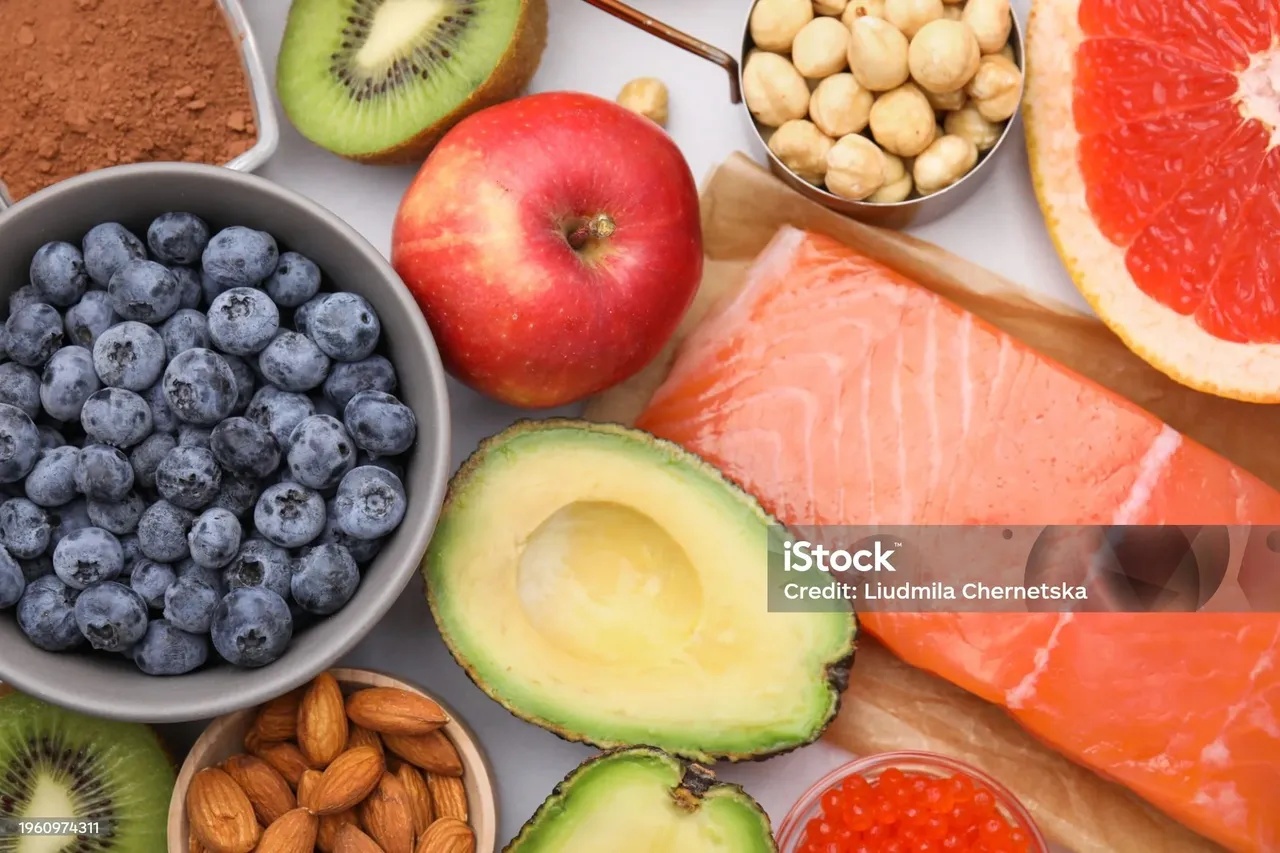
- A food-first approach works best: colorful meals, adequate protein, legumes, nuts, seeds, seafood, eggs, dairy or fortified alternatives, and leafy greens.
Why Micronutrients for Metabolism Matter
Your metabolism is not one switch. It is a network of chemical reactions that break down carbohydrates, fats, and proteins, then convert that energy into ATP, the molecule your body uses to power movement, organ function, repair, and daily activity.
Micronutrients for metabolism act as cofactors and coenzymes in those reactions. When intake is consistently low, the effect may not look dramatic at first. You may simply feel more tired, recover poorly, train with less intensity, or notice that appetite and energy feel harder to manage.
That does not mean everyone needs a cabinet full of supplements. It means deficiencies are worth taking seriously, especially if you restrict food groups, eat very little, train hard, have heavy menstrual bleeding, follow a vegan diet, get little sun exposure, or have a medical condition that affects absorption.
1. Magnesium: The Energy-Production Mineral
Magnesium is involved in hundreds of enzyme reactions, including pathways related to energy production, glucose metabolism, muscle contraction, and nervous system function. The NIH Office of Dietary Supplements notes that magnesium contributes to energy production and glycolysis, which makes it important for normal energy metabolism.
Low intake does not automatically cause a stalled metabolism, but it can contribute to symptoms that make healthy routines harder: muscle cramps, poor sleep quality, fatigue, and reduced training tolerance. Those indirect effects matter because your activity level and recovery strongly influence long-term body composition.
Food-first move: Add pumpkin seeds, almonds, black beans, spinach, edamame, dark chocolate, or whole grains to meals during the week. If you use a supplement, avoid megadoses unless a clinician recommends them; magnesium can interact with some medications and may cause digestive side effects.
2. Vitamin D: More Than a Bone Nutrient
Vitamin D functions more like a hormone than a typical vitamin. It supports bone health, immune function, muscle function, and calcium regulation. Research also connects low vitamin D status with obesity and metabolic risk markers, but the relationship is complex: low levels may be a contributor, a consequence, or both.
That nuance matters. Vitamin D is not a fat-loss supplement. However, if your level is low, correcting it may support better muscle function, general health, and training consistency. The NIH explains that vitamin D status is typically assessed with serum 25-hydroxyvitamin D, not by symptoms alone.
Food-first move: Include fatty fish, eggs, fortified milk or plant milk, and fortified yogurt when they fit your diet. Sun exposure can help, but skin tone, latitude, season, sunscreen, clothing, and time outdoors all change how much vitamin D you make. If you suspect low levels, testing is better than guessing.
For broader supplement safety context, BeeFit’s guide to beginner supplement decisions is a useful reminder that supplements should fill real gaps, not replace food, sleep, and training.
3. Iron: Oxygen Delivery for Workouts and Daily Energy
Iron helps form hemoglobin, the protein in red blood cells that carries oxygen. When iron stores are low, workouts may feel unusually difficult because your muscles have less oxygen available for sustained effort. That can reduce training quality long before you think about calories or metabolism.
People at higher risk include menstruating women, endurance athletes, pregnant people, frequent blood donors, and those eating little or no animal protein. Plant-based iron can still work, but it is less readily absorbed than heme iron from meat and seafood.
Food-first move: Pair lentils, tofu, beans, spinach, pumpkin seeds, or fortified cereals with vitamin C-rich foods such as citrus, strawberries, bell peppers, or tomatoes. The NIH notes that vitamin C improves nonheme iron absorption, which is especially helpful for mostly plant-based meals.
Do not start high-dose iron “just in case.” Too much iron can be harmful, and fatigue has many causes. If you have persistent tiredness, shortness of breath during normal exercise, dizziness, or unusually poor workout tolerance, ask a clinician whether ferritin, hemoglobin, and related labs are appropriate.
If you train on a plant-forward diet, BeeFit’s plant-based nutrition guide for strength and endurance offers practical ways to cover iron, B12, protein, and recovery needs without relying on guesswork.
4. B Vitamins: The Coenzymes That Help Unlock Food Energy
B vitamins help enzymes do their work. Thiamin, riboflavin, niacin, pantothenic acid, B6, biotin, folate, and B12 all contribute in different ways to energy metabolism, red blood cell production, nervous system health, or amino acid processing.
The key point is not that more B vitamins equal more energy. If you already meet your needs, taking extra usually will not make your metabolism faster. But if you are deficient, especially in B12, folate, or B6, fatigue and poor performance can show up quickly.
Food-first move: Build meals around eggs, fish, poultry, lean meat, dairy, legumes, leafy greens, whole grains, and fortified foods. Strict vegan diets require reliable B12 from supplements or fortified foods because B12 is not naturally present in dependable amounts in plant foods. The NHLBI notes that B12 deficiency anemia can develop when people do not get enough B12-containing foods, including those following a strict vegetarian or vegan diet.
For readers comparing food patterns, BeeFit’s article on high-protein meal planning can help you organize meals that support muscle, satiety, and nutrient density at the same time.
5. Zinc: Thyroid Support, Appetite Signals, and Recovery
Zinc supports immune function, protein synthesis, wound healing, reproductive health, and normal thyroid hormone metabolism. Because thyroid hormones influence resting energy expenditure, zinc belongs in a serious metabolism discussion, but the claim should stay measured: zinc helps normal physiology; it is not a shortcut to a faster metabolism.
Zinc may also interact with appetite-related hormones and blood sugar regulation, although this area is more nuanced than supplement advertising suggests. The most practical takeaway is simple: low zinc intake can undermine health and recovery, while excessive supplemental zinc can interfere with copper status and create new problems.
Food-first move: Include oysters or seafood if you eat them, lean beef, poultry, dairy, pumpkin seeds, hemp seeds, chickpeas, lentils, and fortified grains. People eating mostly plant-based diets may need extra attention because phytates in grains and legumes can reduce zinc absorption, though soaking, sprouting, fermenting, and varying protein sources can help.
How to Know If You Need More Micronutrients for Metabolism
The smartest approach is to look for patterns rather than chase symptoms. Low energy can come from under-eating, poor sleep, stress, low protein, dehydration, medication effects, thyroid issues, anemia, low B12, low vitamin D, or overtraining. These nutrients are one part of that bigger picture.
Consider clinician-guided testing if fatigue is persistent, your workouts suddenly decline, you have heavy periods, you follow a vegan diet, you have digestive disease or bariatric surgery history, or you are using medications that affect absorption. Useful labs may include ferritin and CBC for iron status, 25-hydroxyvitamin D, B12 with methylmalonic acid when appropriate, and thyroid markers when symptoms fit.
A multivitamin can be reasonable insurance for some people, but it should not become a way to ignore diet quality. Whole foods bring fiber, protein, healthy fats, carbohydrates, minerals, and phytochemicals together in a form that supports more than one pathway at a time.
The Bottom Line on Micronutrients for Metabolism
Micronutrients for metabolism work best when you treat them as support systems, not hacks. Magnesium helps energy reactions run smoothly. Vitamin D supports muscle and overall health. Iron carries oxygen. B vitamins help convert food into usable energy. Zinc supports normal thyroid and recovery processes.
Start with a varied, protein-aware diet built from whole foods, then use testing and professional guidance when symptoms or risk factors suggest a real deficiency. That approach is slower than chasing a “metabolism booster,” but it is safer, more accurate, and more likely to improve how you feel and train.
This article is for informational purposes only and is not a substitute for professional medical advice, diagnosis, or treatment. Talk with a physician or registered dietitian before making significant dietary changes or starting supplements, especially iron, high-dose vitamin D, or multiple mineral products.
Discover more from BeeFit: Fitness & Wellness
Subscribe to get the latest posts sent to your email.
Share :