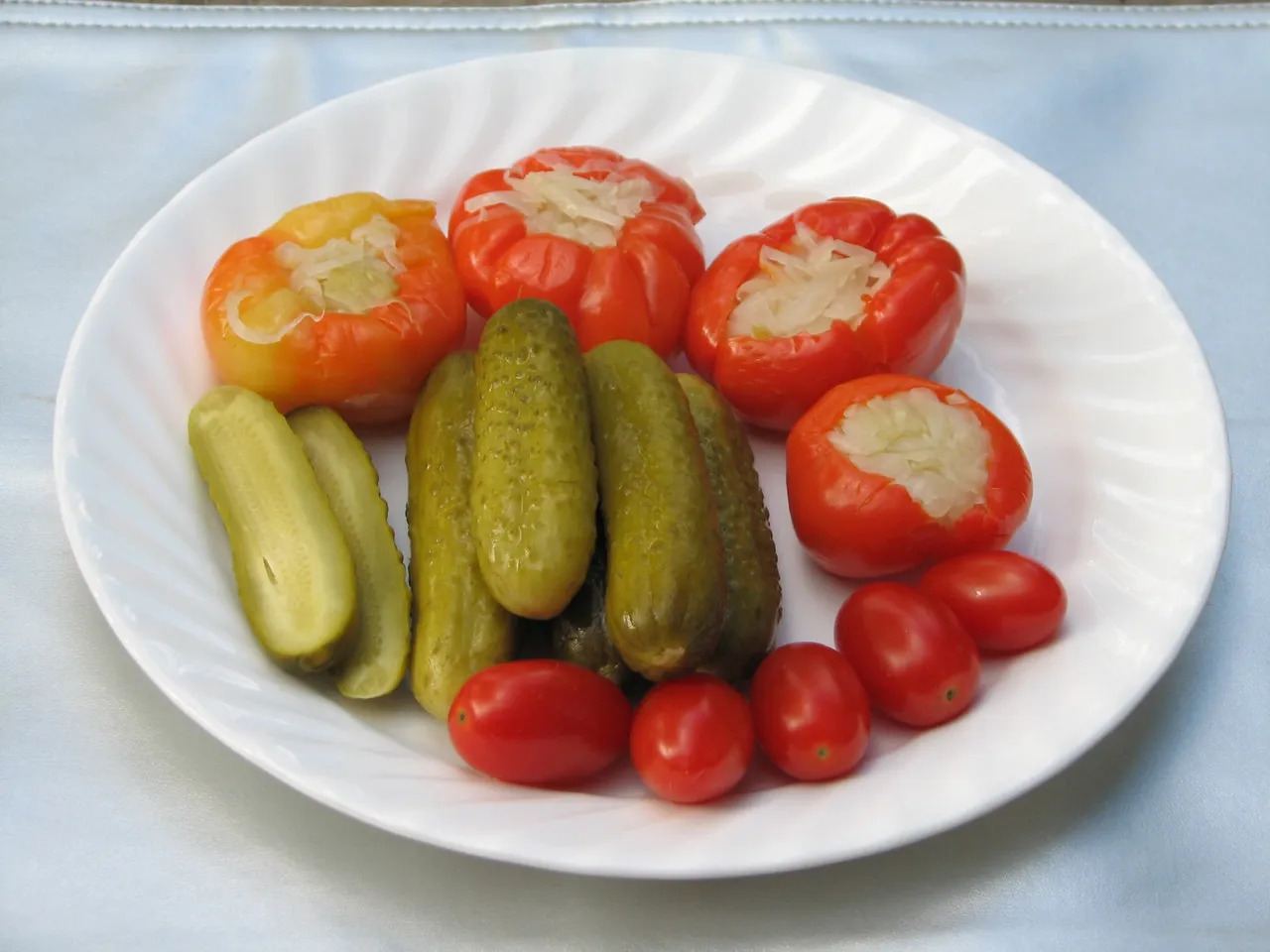
A 7-day gut health reset is not a detox, cleanse, or promise to fix your microbiome in one week. Instead, it is a simple way to build better gut-supporting habits with fermented foods, fiber-rich plants, anti-inflammatory fats, and meals you can repeat.
Quick Take
- A Stanford study found a diet high in fermented foods increased gut microbiome diversity and reduced key inflammatory markers in just 10 weeks.
- Your healthy microbiome is unique to you; its stability is more important than specific bacteria.
- Pro-inflammatory diets are strongly linked to a higher future risk of depression and anxiety.
- This plan combines fermented foods, prebiotic fibers, and anti-inflammatory fats to support a healthier gut routine.
A 7-day gut health reset is not a detox, cleanse, or promise to “fix” your microbiome in one week. Instead, it is a simple way to build better gut-supporting habits with fermented foods, fiber-rich plants, anti-inflammatory fats, and meals you can repeat. Research from Stanford Medicine found that a diet higher in fermented foods increased microbiome diversity and reduced several inflammatory markers over 10 weeks, while fiber still remains essential for long-term gut health.
In addition, the National Institutes of Health explains that the gut microbiome plays a role in digestion, immune function, and metabolism, which is why food quality matters beyond bloating or regularity.
Gut health is not only about digestion. Your gut microbiome also interacts with the immune system, metabolism, and the gut-brain axis. That does not mean food replaces medical care for anxiety, depression, IBS, or inflammatory disease. It means your daily meals can support a healthier internal environment over time.
This BeeFit plan uses three simple levers: fermented foods for microbial exposure, fiber for short-chain fatty acid production, and anti-inflammatory meals for steady energy and recovery.
Why Fermented Foods Belong in a 7-Day Gut Health Reset
Both fermented foods and fiber matter. In one Stanford study, a high-fermented-food diet increased microbiome diversity and lowered several inflammatory markers over 10 weeks, while the high-fiber group did not show the same short-term diversity change.
What the Stanford Fermented-Food Study Found
For years, fiber was the undisputed champion of gut health. However, a controlled clinical trial at Stanford School of Medicine revealed a nuanced truth. Researchers assigned participants to either a high-fiber or high-fermented-food diet for 10 weeks. The group eating yogurt, kefir, kimchi, and kombucha daily saw a direct increase in microbial diversity and a decrease in 19 inflammatory markers, including interleukin-6.
“This is a stunning finding,” said Justin Sonnenburg, PhD, an associate professor at Stanford. “It provides one of the first examples of how a simple change in diet can reproducibly remodel the microbiota across a cohort of healthy adults”.
This suggests fermented foods may add something useful alongside fiber, especially in the short term. The researchers suggest industrialized gut microbiomes may be so depleted that they need time—or direct microbial help—to recover. Fermented foods can introduce live microbes and food compounds that may support microbiome diversity.
Your Application
Make one or two fermented foods a daily non-negotiable during this reset.
Is There One “Perfect” Healthy Microbiome?
No. Cutting-edge research confirms that a healthy microbiome is as personal as a fingerprint. The key marker of health is the stability of your unique ecosystem, not a specific bacterial profile.
Stanford researchers tracking individuals for years found that the bacteria persisting best in a person’s microbiome were those most particular to the individual. During health, the microbiome remained stable; during illness or the onset of conditions like type 2 diabetes, it fluctuated wildly.
“We’re moving toward this idea that we have a personal microbiome that is incredibly important for our own metabolic and immune health… The microbiome varies enormously between people,” said Professor Michael Snyder, director of the Stanford Center for Genomics and Personalized Medicine.
This closes the door on seeking a universal “ideal” gut flora and emphasizes personalized nutrition.
Your Application
Use this 7-day plan as a personal experiment. Note which fermented foods and fibers make you feel more energetic and resilient.
How Food May Support Mood Through the Gut-Brain Axis
Diet may play a supporting role in mental health. Large observational studies have linked more pro-inflammatory eating patterns with higher future risk of depression and anxiety, but diet should not be treated as a replacement for therapy, medication, or medical care.
Chronic, low-grade inflammation is a hidden driver of mental health challenges. A 2024 study following nearly 190,000 people for over 14 years found a clear gradient: those with diets scoring higher on the pro-inflammatory Dietary Inflammatory Index had a markedly increased risk of developing depression and anxiety disorders.
Diets with pro-inflammatory traits “were strongly linked to an increased risk of developing depression and anxiety in the future. An anti-inflammatory diet… may offer a promising protective approach”.
This makes diet one lifestyle factor that may support mental health alongside sleep, movement, stress management, social support, and professional care when needed.
Your Application
This reset is deliberately anti-inflammatory, rich in omega-3s from fatty fish, polyphenols from berries, and healthy fats from olive oil and nuts.
Why Fiber Still Matters in a 7-Day Gut Health Reset
When gut bacteria ferment fiber, they produce short-chain fatty acids (SCFAs) like butyrate, crucial metabolic signals that reduce inflammation, support gut barrier health, and may positively influence brain function.
SCFAs are potent signaling molecules, not just waste. They activate receptors on cells in your gut lining and immune system. Butyrate, for instance, is the primary fuel for gut lining cells and helps suppress inflammation.
“SCFAs have a profound effect on physiological processes… independent of delivering calories to the host”. For brain health, SCFAs “have anti-inflammatory properties and may influence brain function and behavior”.
This is why the quality and variety of fiber matter. You’re feeding the microbial workers that produce essential health compounds.
Your Application
This plan includes diverse prebiotic fibers from lentils, oats, asparagus, and garlic to nourish different bacteria and maximize SCFA production.
The 7-Day Gut Health Reset Plan
This daily framework applies the research, prioritizing fermented foods, diverse prebiotics, and anti-inflammatory nutrients.
How to Use This 7-Day Gut Health Reset
Day 1 – Introduce Ferments & Fiber
Breakfast: Greek yogurt with chia seeds, blueberries, and flax.
Lunch: Lentil soup with spinach and carrots.
Dinner: Baked cod with steamed broccoli and quinoa.
Key Rationale: Inoculate and feed. Live cultures from yogurt meet prebiotic fiber from lentils and berries to immediately support microbial diversity.
Day 2 – Build Blood Sugar Stability
Breakfast: Oatmeal with banana, pumpkin seeds, and cinnamon.
Lunch: Chickpea salad with arugula, olive oil, and lemon.
Dinner: Grilled chicken with roasted sweet potato and sautéed kale.
Key Rationale: Prevent inflammation spikes. Soluble fiber from oats and legumes promotes stable glucose, reducing a key inflammatory trigger.
Day 3 – Anti-Inflammatory Boost
Breakfast: Smoothie with spinach, berries, kefir, and flax oil.
Lunch: Quinoa bowl with roasted vegetables and avocado.
Dinner: Salmon with asparagus and brown rice.
Key Rationale: Direct inflammation modulation. Omega-3s from salmon and polyphenols from greens directly interfere with pro-inflammatory pathways.
Day 4 – Feed Diverse Bacteria
Breakfast: Sourdough toast with avocado and sauerkraut.
Lunch: Lentil curry with basmati rice.
Dinner: Turkey meatballs with zucchini noodles and tomato sauce.
Key Rationale: Increase microbial richness. A wide variety of plant fibers encourages a more complex, resilient gut community.
Day 5 – Hydration & Serotonin Support
Breakfast: Overnight oats with kiwi, pumpkin seeds, and almond milk.
Lunch: Grilled veggie wrap with hummus and leafy greens.
Dinner: Baked trout with roasted cauliflower and quinoa.
Key Rationale: Support gut-brain signaling. Kiwi aids serotonin precursor availability; zinc from seeds is crucial for neurotransmitter synthesis.
Day 6 – Gut Lining Support
Breakfast: Greek yogurt with blueberries and flax seeds.
Lunch: Miso soup with tofu and seaweed, with a side of edamame.
Dinner: Grass-fed beef stir-fry with bell peppers and bok choy.
Key Rationale: Provide repair nutrients. Compounds in bone broth and cooked vegetables support the repair and maintenance of the gut lining.
Day 7 – Reset & Reflect
Breakfast: Smoothie with kefir, spinach, banana, and flax oil.
Lunch: Chickpea stew with carrots and kale.
Dinner: Baked salmon with sweet potato mash and steamed broccoli.
Key Rationale: Consolidate gains. Reflect on changes in energy, mood, and digestion. Plan which 2-3 new habits to continue.
7-Day Gut Health Reset FAQ
Q: I already eat a high-fiber diet. Why aren’t I seeing gut health benefits?
A: The Stanford study suggests modern microbiomes may need time or direct microbial help to process increased fiber. Try combining your high-fiber intake with daily fermented foods like kefir or kimchi to provide the necessary microbes.
Q: What’s the most overlooked factor in gut health?
A: Stability over time. Health is less about specific “good bugs” and more about maintaining a stable, resilient personal microbiome. Consistent, diverse eating is better than drastic, frequent dietary swings.
Q: How quickly can diet change my gut microbiome?
A: Dietary changes can alter microbial communities within 24-48 hours. However, building a stable, diverse ecosystem that reduces inflammation takes consistent effort over weeks and months, as shown in the 10-week Stanford trial.
Q: Can improving gut health help with anxiety?
A: Emerging research strongly suggests a link. Since a pro-inflammatory diet is a risk factor for anxiety, an anti-inflammatory, microbiome-supporting diet is a promising strategy for supporting mental well-being via the gut-brain axis.
The science is clear: your gut is an active health command center. This 7-day reset is your practical blueprint to apply these insights. The goal is a thoughtful experiment to see how fermented foods, fiber, and more consistent meals affect your digestion, energy, and daily routine.
Meaningful health changes often begin with repeatable habits, and food is one of the best places to start. For more science-backed strategies to optimize your wellness, explore our other articles on BeeFit.ai.
This article is for informational purposes only and is not a substitute for professional medical advice, diagnosis, or treatment. Always seek the advice of your physician or other qualified health provider with any questions you may have regarding a medical condition. The dietary plan provided is a general guide and may not be suitable for all individuals, particularly those with specific food allergies, intolerances, or medical conditions such as IBD or SIBO.
Discover more from BeeFit: Fitness & Wellness
Subscribe to get the latest posts sent to your email.
Share :