Protein after 40 matters because muscle becomes harder to maintain when training, sleep, calorie intake, and recovery are inconsistent. That does not mean you need to chase protein all day or turn every meal into chicken breast and shakes.
The goal is simpler: eat enough protein, spread it across the day, and combine it with resistance training.
Protein gives your body the building blocks. Strength training gives your body the reason to use them.
Quick Take
- Protein after 40 supports muscle repair, strength, satiety, recovery, and healthy aging.
- The standard adult RDA is 0.8 g/kg/day, but that target is designed for basic adequacy, not active adults trying to build or maintain muscle.
- Most exercising adults do well around 1.4–2.0 g/kg/day, according to the International Society of Sports Nutrition.
- Older adults may benefit from at least 1.0–1.2 g/kg/day to support lean mass and function.
- A practical meal target is often 25–40 grams of protein, depending on body size and daily needs.
- Protein powder is optional. Whole foods should still be the foundation.
- Protein works best when paired with 2–4 weekly strength sessions.
Why Protein After 40 Matters
After 40, the margin for error gets smaller.
You may recover more slowly. Sleep may be less consistent. Stress may be higher. Body fat may be easier to gain. Muscle may be harder to keep during aggressive dieting.
Protein helps because it provides amino acids, which your body uses to repair and maintain muscle tissue. However, protein alone does not build a stronger body. You still need resistance training.
The CDC recommends adults do muscle-strengthening activities at least two days per week: CDC adult activity guidelines.
For a complete training framework, read Strength Training After 40.
The Problem With the Standard Protein Recommendation
The common protein recommendation is 0.8 grams per kilogram of body weight per day. That means a 180-pound person, or about 82 kilograms, would need about 66 grams daily.
That number is not useless. It helps prevent inadequate intake for many healthy adults.
However, it is not the same as an optimal target for someone who lifts weights, diets, wants better body composition, or wants to protect muscle with age. The National Academies reference values use 0.8 g/kg/day for adult protein needs: National Academies protein reference values.
A better question is not, “What is the minimum?”
The better question is, “What amount supports my goal, training, appetite, and recovery?”
How Much Protein Do You Need After 40?
For many active adults over 40, these ranges are more useful:
| Goal | Daily protein target |
|---|---|
| General health, low activity | 0.8–1.0 g/kg/day |
| Healthy aging and muscle maintenance | 1.0–1.2 g/kg/day |
| Strength training and muscle growth | 1.4–2.0 g/kg/day |
| Fat loss while lifting | 1.6–2.2 g/kg/day |
The International Society of Sports Nutrition recommends about 1.4–2.0 g/kg/day for most exercising individuals: ISSN protein position stand.
For older adults, the PROT-AGE Study Group recommends at least 1.0–1.2 g/kg/day to help maintain lean mass and function: PROT-AGE protein recommendations.
That does not mean every 42-year-old needs the highest range. Your target depends on body size, training, calorie intake, health status, and goals.
Protein Targets by Body Weight
Here is a practical chart using about 1.6 g/kg/day.
| Body weight | Approx. daily protein |
|---|---|
| 120 lb / 54 kg | 85–90g |
| 140 lb / 64 kg | 100–105g |
| 160 lb / 73 kg | 115–120g |
| 180 lb / 82 kg | 130–135g |
| 200 lb / 91 kg | 145–150g |
| 220 lb / 100 kg | 160g |
Use this as a starting point, not a medical prescription.
If you are not lifting and only want general health, you may need less. If you are dieting, lifting hard, or trying to preserve muscle, the higher end may be useful.
How Much Protein Per Meal After 40?
Total daily protein matters most. Still, distribution matters too.
Many people under-eat protein at breakfast and lunch, then try to catch up at dinner. That is not ideal for muscle repair or appetite control.
A practical target for many adults is:
25–40 grams of protein per meal.
A review by Schoenfeld and Aragon suggests about 0.4 g/kg/meal across at least four meals as a useful target for maximizing anabolism: protein per meal review.
A simple day might look like this:
| Meal | Protein target |
|---|---|
| Breakfast | 25–35g |
| Lunch | 30–40g |
| Snack or shake | 20–30g |
| Dinner | 35–45g |
This is why BeeFit does not recommend saving most protein for one giant dinner.
For more detail, read How Much Protein Per Meal.
Best Protein Sources After 40
The best protein source is the one you can eat consistently, digest well, and fit into a balanced diet.
Strong animal-based options include:
| Food | Approx. protein |
|---|---|
| Chicken breast, 4 oz cooked | 30–35g |
| Salmon, 4 oz cooked | 25–30g |
| Lean beef, 4 oz cooked | 25–30g |
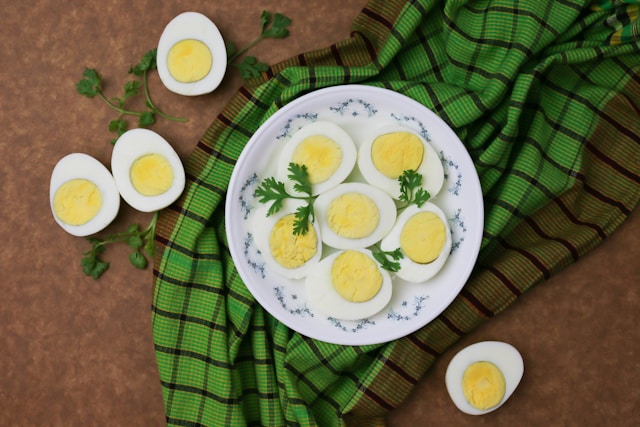
| Eggs, 2 large | 12g |
| Greek yogurt, 1 cup | 18–25g |
| Cottage cheese, 1 cup | 25g |
| Tuna packet or can | 20–30g |
Strong plant-based options include:
| Food | Approx. protein |
|---|---|
| Extra-firm tofu, 1 cup | 20g |
| Tempeh, 4 oz | 20–25g |
| Lentils, 1 cup cooked | 18g |
| Chickpeas, 1 cup cooked | 14–15g |
| Edamame, 1 cup | 17g |
| Soy milk, 1 cup | 7–10g |
| Seitan, 3 oz | 20g+ |
Plant-based diets can support muscle. However, they often require more planning. Soy foods, legumes, whole grains, nuts, seeds, and plant protein powders can help close gaps.
Do You Need Protein Powder After 40?
No. You do not need protein powder.
But it can help.
Protein powder is useful when it solves a practical problem:
- You skip breakfast.
- You struggle to hit your target.
- You need a quick post-workout option.
- You are dieting and want a lower-calorie protein source.
- You have low appetite.
- You need something easy during travel or work.
Whey, casein, soy, and pea blends can all work. The best choice depends on digestion, taste, budget, and dietary preference.
Still, powder is not better than food. It is just easier sometimes.
For a supplement overview, read Supplements That Actually Matter.
Protein for Fat Loss After 40
Protein helps fat loss in three ways.
First, it supports fullness. Second, it helps protect muscle during a calorie deficit. Third, it works with strength training so weight loss is more likely to come from fat instead of lean mass.
This matters after 40 because crash dieting can backfire. A very aggressive deficit may lower the scale quickly, but it can also reduce training performance, increase hunger, and make muscle retention harder.
A better plan:
- Use a moderate calorie deficit.
- Lift 2–4 times per week.
- Eat enough protein daily.
- Spread protein across meals.
- Walk often.
- Sleep as well as possible.
For more, read Fat Loss After 40 and Lose Fat Without Losing Muscle.
Protein and Strength Training After 40
Protein without training is incomplete.
If you want stronger legs, better posture, more muscle, and healthier aging, you need resistance training. That can mean dumbbells, barbells, machines, cables, bands, bodyweight exercises, or weighted carries.
You do not need a perfect six-day gym plan. Most adults can make progress with 2–4 well-structured strength sessions per week.
The key is progression. Over time, your workouts should become more challenging through load, reps, sets, range of motion, tempo, or better control.
Protein supports that adaptation. It does not replace the workout.
For a practical plan, read Strength Training After 40 Rules.
Common Protein Mistakes After 40
Mistake 1: Eating Too Little at Breakfast
A coffee and toast breakfast usually will not support your protein target. Add Greek yogurt, eggs, cottage cheese, tofu scramble, protein oats, or a smoothie.
Mistake 2: Thinking Protein Alone Builds Muscle
Protein supports muscle. Training creates the demand for muscle.
Mistake 3: Saving Protein for Dinner
One giant dinner is usually less useful than balanced distribution across the day.
Mistake 4: Overpaying for Protein Marketing
High-protein cereal, chips, and bars can be useful. Many are also expensive for what they provide.
Mistake 5: Ignoring Fiber
A high-protein diet should not become a low-fiber diet. Beans, lentils, vegetables, fruit, oats, nuts, and seeds still matter.
Protein After 40 FAQ
Is 100 Grams of Protein Enough After 40?
It depends on body weight and goals. For a smaller active adult, 100 grams may be enough. For a larger person lifting regularly, it may be low.
Is 30 Grams of Protein Per Meal Enough?
For many adults, yes. A practical range is often 25–40 grams per meal.
Do Women Need Less Protein Than Men After 40?
Not automatically. Protein needs are better based on body weight, lean mass, training, calorie intake, and goals.
Do You Need More Protein During Menopause?
Many women benefit from prioritizing protein during and after menopause, especially with resistance training. Read Women’s Fitness After 40.
Is Plant Protein Enough After 40?
Yes, but it takes planning. Prioritize soy foods, lentils, beans, peas, seitan, nuts, seeds, whole grains, and plant protein powders if needed.
Bottom Line: Protein After 40 Is About Enough, Not Excess
Protein after 40 is not about chasing the highest number possible.
It is about giving your body enough amino acids to support muscle, recovery, satiety, and healthy aging.
For many active adults, that means around 1.4–2.0 g/kg/day. For older adults focused on function, at least 1.0–1.2 g/kg/day may be a better target than the basic RDA. During fat loss or hard training, the higher end may help.
Start with your daily target. Spread protein across 3–5 meals. Build most of your intake from whole foods. Use protein powder only when it makes consistency easier. Most importantly, pair protein with resistance training.
That is how protein becomes useful after 40.
Not as hype. As a tool.
For more support, read BeeFit’s guides on Protein for Muscle Growth, How Much Protein Per Meal, Protein Timing, Nutrition After 40, Strength Training After 40, and the BeeFit AI Calculator.
This article is for informational purposes only and is not medical or nutrition advice. Talk with a qualified healthcare professional or registered dietitian if you have kidney disease, diabetes, eating-disorder history, digestive disease, pregnancy, cancer, unexplained weight loss, or any medical condition that affects your diet.
Photo: Tamanna Rumee / Unsplash
Discover more from BeeFit: Fitness & Wellness
Subscribe to get the latest posts sent to your email.
Share :