Nutrition After 40: Eat for Muscle, Fat Loss, Energy, and Longevity
Nutrition after 40 is not about eating less forever, cutting every carbohydrate, or chasing another short-term diet. It is about building a food routine that protects muscle, supports fat loss, keeps energy stable, improves recovery, and lowers long-term health risk without making your life miserable.
Quick Take
- Nutrition after 40 should prioritize protein, fiber, whole foods, smart carbohydrates, healthy fats, hydration, and consistency.
- The goal is not to eat perfectly. Instead, the goal is to build meals that support muscle, metabolism, heart health, gut health, bone health, and energy.
- For that reason, protein becomes more important after 40 because muscle is easier to lose and harder to rebuild when training, recovery, and nutrition are inconsistent.
- Fiber-rich foods like vegetables, fruit, beans, lentils, oats, nuts, seeds, and whole grains help with fullness, digestion, cholesterol, blood sugar control, and long-term health.
However, carbohydrates are not the enemy. The bigger issue is choosing mostly refined carbs, sugary drinks, desserts, and ultra-processed snacks instead of high-fiber carbs that support training and recovery.
The strongest approach is simple: build most meals around protein, plants, smart carbs, and healthy fats, then adjust portions based on your goal.
Why Nutrition After 40 Needs a Different Strategy
After 40, the body does not become broken, but it does become less forgiving.
Muscle loss can accelerate when strength training, protein, and recovery are not in place. Sleep may become less consistent. Stress can affect appetite, cravings, and food choices. For women, perimenopause and menopause can change hunger, fat distribution, sleep, and training recovery. For men, lower activity, less muscle, poor sleep, and inconsistent nutrition can also make body composition harder to manage.
That is why nutrition after 40 should not be built around crash dieting. It should be built around preservation and performance.
You are trying to preserve:
| What you want to protect | Why it matters after 40 |
|---|---|
| Muscle | Supports metabolism, strength, blood sugar control, and aging |
| Bone | Helps reduce fracture risk and supports long-term independence |
| Energy | Makes training, work, and daily life easier |
| Gut health | Supports digestion, appetite, and overall health |
| Heart health | Becomes more important with age |
| Recovery | Helps you adapt to training instead of feeling constantly drained |
| Food freedom | Makes healthy eating sustainable |
A younger person may get away with random meals, low protein, poor sleep, and inconsistent training for a while. After 40, those gaps show up faster.
The Nutrition After 40 Plate Method
The easiest way to build a strong diet is to stop thinking in terms of “diet foods” and start thinking in terms of meal structure.
Most meals should include:
| Meal part | What to choose | Why it matters |
|---|---|---|
| Protein | Eggs, Greek yogurt, fish, chicken, turkey, tofu, beans, lentils, lean meat, cottage cheese | Muscle, fullness, recovery |
| Fiber-rich plants | Vegetables, fruit, beans, lentils, greens, berries | Gut health, fullness, blood sugar control |
| Smart carbs | Oats, potatoes, rice, quinoa, whole grains, fruit, beans | Energy, training performance, recovery |
| Healthy fats | Olive oil, avocado, nuts, seeds, fatty fish | Hormones, heart health, satisfaction |
| Fluids | Water, tea, coffee, sparkling water | Digestion, performance, appetite regulation |
A simple plate looks like this:
| Goal | Protein | Plants | Carbs | Fats |
|---|---|---|---|---|
| Fat loss | 1–2 palms | ½ plate | ¼ plate | 1 thumb |
| Muscle gain | 1–2 palms | ⅓–½ plate | ¼–⅓ plate | 1–2 thumbs |
| Maintenance | 1 palm | ½ plate | ¼ plate | 1 thumb |
| High activity | 1–2 palms | ⅓ plate | ⅓ plate | 1 thumb |
This structure works better than trying to memorize a long list of rules.
Protein After 40: The Muscle-Preservation Priority
Protein is the foundation of nutrition after 40 because muscle is one of the most important tissues to protect.
Muscle is not just about looking fit. It supports strength, balance, blood sugar control, recovery, metabolism, and independence as you age. However, muscle does not stay by accident. It needs two signals: resistance training and enough protein.
The International Society of Sports Nutrition notes that many exercising people do well with about 1.4–2.0 grams of protein per kilogram of body weight per day for building and maintaining muscle: ISSN protein position stand.
For most active adults, a practical target is:
| Body weight | Daily protein target |
|---|---|
| 130 lb | 90–130 g |
| 150 lb | 105–150 g |
| 170 lb | 120–170 g |
| 190 lb | 130–190 g |
| 210 lb | 145–210 g |
You do not need to hit the high end every day. However, many adults under-eat protein at breakfast and lunch, then try to catch up at dinner.
How to Spread Protein Across the Day
A better approach is to spread protein across the day:
| Meal | Target |
|---|---|
| Breakfast | 25–40 g |
| Lunch | 30–45 g |
| Dinner | 30–50 g |
| Optional snack | 15–30 g |
Good protein options include:
- Eggs
- Greek yogurt
- Cottage cheese
- Chicken
- Turkey
- Fish
- Shrimp
- Lean beef
- Tofu
- Tempeh
- Lentils
- Beans
- Edamame
- Protein powder when convenient
For a deeper guide, read Protein for Muscle Growth and Protein Timing.
Fiber: The Most Underrated Nutrition Tool After 40
If protein protects muscle, fiber protects the system around it.
Fiber supports fullness, digestion, cholesterol, blood sugar control, gut bacteria, and long-term health. It also makes fat loss easier because high-fiber meals are usually more filling and harder to overeat than ultra-processed foods.
The Dietary Guidelines for Americans emphasize nutrient-dense patterns built around vegetables, fruits, legumes, whole grains, nuts, seeds, lean protein foods, and limited added sugars, saturated fat, and sodium: Dietary Guidelines for Americans.
High-fiber foods include:
| Food | Why it helps |
|---|---|
| Beans and lentils | Protein + fiber + slow carbs |
| Oats | Soluble fiber for fullness and cholesterol support |
| Berries | Fiber, antioxidants, lower calorie density |
| Vegetables | Volume, micronutrients, gut support |
| Apples and pears | Portable fiber-rich snacks |
| Chia and flax | Fiber plus healthy fats |
| Whole grains | Better fullness than refined grains |
| Nuts and seeds | Fiber, fats, minerals, satisfaction |
A simple fiber goal is to include at least one fiber-rich food at every meal.
For example:
| Meal | Fiber upgrade |
|---|---|
| Breakfast | Add berries, oats, chia, or ground flax |
| Lunch | Add beans, lentils, greens, or vegetables |
| Dinner | Add roasted vegetables, salad, or legumes |
| Snack | Choose fruit, nuts, yogurt with berries, or hummus |
If your current fiber intake is low, increase gradually. Jumping from very low fiber to very high fiber overnight can cause bloating and discomfort.
Carbohydrates After 40: Keep the Right Ones
Carbs are often blamed for midlife weight gain, but the real issue is usually the type, portion, and context.
A bowl of oats, potatoes after training, fruit, lentils, or rice with a balanced meal is very different from soda, pastries, candy, chips, and constant snacking.
Carbohydrates support:
- Training performance
- Recovery
- Thyroid function
- Mood
- Sleep
- Fiber intake
- Gut health
- Energy for daily movement
The goal is not “low carb forever.” The goal is better carb quality.
Choose more often:
| Better carbs | Limit more often |
|---|---|
| Oats | Sugary cereal |
| Potatoes | Fries as a default side |
| Beans and lentils | Refined snack foods |
| Fruit | Juice and soda |
| Rice and quinoa | Pastries |
| Whole grains | White bread with low protein meals |
| Vegetables | Candy and desserts as daily habits |
If your goal is fat loss, reduce portions before eliminating carbs completely. For many people, keeping smart carbs around workouts improves training quality and makes the diet easier to follow.
Added Sugar: Reduce the Daily Default
Added sugar is not the same as fruit.
The bigger issue is repeated added sugar from sweetened drinks, coffee syrups, desserts, cereals, flavored yogurts, sauces, granola bars, and packaged snacks. These foods can add calories quickly without creating much fullness.
The FDA explains that added sugars are listed on the Nutrition Facts label and notes that the Dietary Guidelines recommend limiting added sugars to less than 10% of daily calories: FDA added sugars guide.
A practical approach:
| Instead of… | Try… |
|---|---|
| Sweetened coffee drinks | Coffee with milk, cinnamon, or less syrup |
| Soda or juice | Sparkling water, tea, or water with lemon |
| Sweetened yogurt | Plain Greek yogurt with berries |
| Candy bowl snacks | Fruit, nuts, cottage cheese, or boiled eggs |
| Dessert every night | Planned dessert 1–3 times weekly |
| Sugary cereal | Oats, eggs, yogurt, or protein smoothie |
You do not need to remove every sweet food. Instead, the goal is to make added sugar intentional rather than automatic.
Read more: Eat Less Sugar Challenge.
Healthy Fats: Choose Quality and Watch Portions
Healthy fats matter after 40 because they support heart health, hormones, brain health, and meal satisfaction.
The best choices include:
- Extra virgin olive oil
- Avocado
- Nuts
- Seeds
- Fatty fish
- Eggs
- Olives
- Tahini
- Nut butters
However, healthy fats are calorie-dense. Olive oil, nuts, and avocado are nutritious, but they can still slow fat loss if portions keep creeping up.
A good rule:
| Fat source | Practical portion |
|---|---|
| Olive oil | 1 tablespoon |
| Nuts | 1 small handful |
| Avocado | ¼–½ avocado |
| Nut butter | 1 tablespoon |
| Seeds | 1–2 tablespoons |
This is why the Mediterranean-style approach works well: it includes healthy fats, but inside a pattern built around vegetables, beans, fish, whole grains, fruit, and simple meals.
Read more: Best Diets.
Nutrition After 40 for Fat Loss
Fat loss after 40 is not impossible. It just requires a smarter plan than “eat less and suffer.”
The best fat-loss diet protects muscle while creating a moderate calorie deficit. That means enough protein, enough fiber, enough food volume, and enough energy to keep training.
A strong fat-loss plate:
| Meal part | Target |
|---|---|
| Protein | 30–45 g per meal |
| Vegetables | 1–2 fists |
| Smart carbs | 1 cupped hand, adjusted by activity |
| Healthy fats | 1 thumb-sized portion |
| Fluids | Water or unsweetened drinks |
Common mistakes include:
| Mistake | Why it backfires |
|---|---|
| Cutting calories too low | Increases hunger, fatigue, and muscle loss risk |
| Skipping protein | Makes cravings and muscle loss more likely |
| Avoiding all carbs | Can reduce training quality and consistency |
| Snacking randomly | Adds calories without structure |
| Drinking calories | Makes a deficit harder |
| Ignoring sleep | Increases hunger and lowers recovery |
For a complete strategy, read Fat Loss After 40.
Nutrition After 40 for Muscle and Strength
Muscle gain after 40 is possible, but it needs a clear signal.
That signal comes from progressive strength training, enough protein, enough calories, and recovery. Without those pieces, the body has little reason to add or preserve muscle.
If you want to build or rebuild muscle, focus on:
- Strength training 2–4 times per week
- Protein at every meal
- Carbs around training
- Enough total calories
- Sleep consistency
- Creatine if appropriate
- Progressive overload
The CDC recommends adults do muscle-strengthening activity at least 2 days per week, along with regular aerobic activity: CDC adult activity guidelines.
A strength-supportive day could look like:
| Time | Meal |
|---|---|
| Breakfast | Greek yogurt, berries, oats, chia |
| Lunch | Chicken bowl with rice, vegetables, olive oil |
| Pre-workout | Banana or toast with protein if needed |
| Dinner | Salmon, potatoes, greens |
| Snack | Cottage cheese or protein smoothie |
Read more: Strength Training After 40.
Women’s Nutrition After 40
Women’s nutrition after 40 deserves its own attention because perimenopause and menopause can affect sleep, hunger, mood, body composition, and recovery.
The answer is not extreme dieting. In fact, many women make midlife body composition harder by under-eating protein, overdoing cardio, cutting carbs too aggressively, and ignoring strength training.
Key priorities for women after 40:
| Priority | Why it matters |
|---|---|
| Protein | Helps protect muscle and manage appetite |
| Strength training support | Supports bone, muscle, and metabolism |
| Calcium and vitamin D | Important for bone health |
| Fiber | Supports gut health and cholesterol |
| Carbs around training | Supports energy and recovery |
| Iron testing when needed | Especially if periods are heavy |
| Sleep and stress support | Affects hunger, cravings, and recovery |
ACOG notes that calcium is important for maintaining healthy bones and vitamin D helps the body absorb calcium: ACOG osteoporosis guide.
Food-first calcium sources include:
- Greek yogurt
- Milk
- Fortified soy milk
- Sardines with bones
- Tofu set with calcium
- Leafy greens
- Cheese in reasonable portions
For women-specific training and nutrition, read Women’s Fitness After 40 and Women’s Daily Vitamins.
Gut Health and Nutrition After 40
Gut health is not about chasing every probiotic trend. It starts with consistent food habits.
The gut usually responds well to:
- More fiber
- More plant variety
- Fermented foods if tolerated
- Less ultra-processed food
- Less alcohol
- Enough water
- Regular movement
- Better sleep
A practical target is to eat 20–30 different plant foods per week. This can include vegetables, fruit, beans, lentils, herbs, spices, nuts, seeds, and whole grains.
Examples:
| Category | Options |
|---|---|
| Vegetables | Spinach, peppers, onions, broccoli, carrots |
| Fruit | Berries, apples, oranges, pears |
| Legumes | Lentils, chickpeas, black beans |
| Whole grains | Oats, quinoa, brown rice |
| Nuts/seeds | Almonds, walnuts, chia, flax |
| Herbs/spices | Basil, parsley, cinnamon, turmeric |
If you get bloated easily, increase fiber slowly and pay attention to foods that trigger symptoms.
Supplements: Helpful, But Not the Foundation
Supplements can help, but they should not replace food, training, sleep, or medical care.
The most useful supplements for many adults after 40 are usually the basic ones:
| Supplement | When it may help |
|---|---|
| Protein powder | When food protein is hard to hit |
| Creatine monohydrate | Strength, power, and lean mass support |
| Vitamin D | If levels are low or intake/sun exposure is limited |
| Omega-3 | If fatty fish intake is low |
| Magnesium | If intake is low or sleep/muscle cramps are issues |
| Fiber supplement | If food fiber is consistently low |
Be careful with iron, high-dose vitamin D, “hormone balance” supplements, detox products, fat burners, and supplement stacks. Testing and professional guidance matter, especially if you take medication or have medical conditions.
Read more: Supplements That Actually Matter.
The Best Diet Pattern After 40
The best diet after 40 is not the one with the best marketing. It is the one that helps you eat enough protein, enough fiber, mostly whole foods, and the right amount of calories for your goal.
For many people, a Mediterranean-style pattern is one of the easiest frameworks to follow.
It includes:
- Vegetables daily
- Fruit regularly
- Beans and lentils often
- Whole grains
- Fish and seafood
- Olive oil
- Nuts and seeds
- Yogurt and fermented foods
- Herbs and spices
- Less ultra-processed food
- Less added sugar
The Cleveland Clinic describes the Mediterranean diet as emphasizing plant-based foods and healthy fats, with vegetables, fruit, whole grains, and extra virgin olive oil as common staples: Cleveland Clinic Mediterranean Diet.
This pattern works because it is flexible. You can adapt it to fat loss, muscle gain, women’s health, heart health, or longevity.
Sample Day of Eating After 40
Here is a simple day that supports protein, fiber, energy, and recovery.
| Meal | Example |
|---|---|
| Breakfast | Greek yogurt with berries, oats, chia, and walnuts |
| Lunch | Chicken or tofu bowl with rice, vegetables, beans, and olive oil |
| Snack | Apple with peanut butter or cottage cheese with fruit |
| Dinner | Salmon, potatoes, roasted vegetables, and salad |
| Optional | Herbal tea, decaf coffee, or protein snack if needed |
A higher-protein version:
| Meal | Protein source |
|---|---|
| Breakfast | Eggs + Greek yogurt |
| Lunch | Chicken, turkey, tofu, or lentils |
| Snack | Cottage cheese or protein smoothie |
| Dinner | Fish, lean meat, tempeh, or beans |
A fat-loss version:
| Meal | Adjustment |
|---|---|
| Breakfast | Keep protein high, reduce added sugar |
| Lunch | Add more vegetables, moderate starch |
| Snack | Choose planned protein/fiber snack |
| Dinner | Use smaller fat portions, keep protein high |
A muscle-building version:
| Meal | Adjustment |
|---|---|
| Breakfast | Add oats or whole-grain toast |
| Lunch | Add rice, potatoes, or quinoa |
| Pre-workout | Add fruit or easy carbs |
| Dinner | Include carbs and protein |
| Snack | Add protein before bed if needed |
7-Day Nutrition After 40 Starter Plan
Use this as a starting point, not a prison.
| Day | Breakfast | Lunch | Dinner |
|---|---|---|---|
| Monday | Greek yogurt, berries, oats | Chicken salad bowl | Salmon, potatoes, greens |
| Tuesday | Eggs, spinach, toast | Turkey or tofu wrap | Lentil soup and salad |
| Wednesday | Protein smoothie | Tuna or chickpea bowl | Chicken, rice, vegetables |
| Thursday | Cottage cheese, fruit, nuts | Greek-style grain bowl | Turkey chili |
| Friday | Oats with protein and berries | Salmon salad | Steak or tofu, sweet potato, broccoli |
| Saturday | Eggs and avocado | Lentil bowl | Shrimp or beans with rice and vegetables |
| Sunday | Yogurt parfait | Chicken or tofu leftovers | Mediterranean plate with fish, salad, hummus |
Common Nutrition Mistakes After 40
Eating too little protein
This makes it harder to preserve muscle, recover from training, and stay full.
Cutting carbs too aggressively
This can hurt workouts, sleep, mood, and long-term consistency.
Depending on supplements before fixing meals
Supplements help most when the foundation is already strong.
Drinking too many calories
Sweetened coffee, juice, soda, alcohol, and smoothies can quietly raise calorie intake.
Eating “healthy” foods without watching portions
Nuts, olive oil, avocado, granola, and nut butter are nutritious, but portions still matter.
Skipping strength training support
Nutrition works better when the body has a reason to keep muscle.
Chasing a new diet every month
Consistency beats novelty.
Nutrition After 40 FAQ
What is the best diet after 40?
The best diet after 40 is one you can repeat. For most people, that means a high-protein, high-fiber, mostly whole-food pattern with enough carbohydrates to support training and enough calories to match the goal.
How much protein do I need after 40?
Many active adults do well with about 1.4–2.0 grams per kilogram of body weight daily. Some people need less, while people dieting, strength training, or trying to preserve muscle may benefit from the higher end.
Should I cut carbs after 40?
Not automatically. Carbohydrate quality matters more than fear of carbs. Fruit, oats, potatoes, rice, beans, lentils, and whole grains can fit well, especially if you train.
Why is belly fat harder to lose after 40?
Belly fat can become harder to lose because of lower muscle mass, reduced activity, poorer sleep, stress, hormonal changes, alcohol, and calorie creep. The solution is usually not extreme dieting; it is a consistent plan built around protein, fiber, strength training, and a moderate calorie deficit.
Are supplements necessary after 40?
Not always. Protein powder, creatine, vitamin D, omega-3, magnesium, or fiber may help some people, but food, strength training, sleep, and medical testing matter more.
Is fasting good after 40?
Fasting can help some people control calories, but it can also backfire if it leads to low protein, overeating later, poor training, or sleep problems. Meal timing should support the goal, not become the goal.
What should I eat for energy after 40?
Build meals with protein, fiber-rich carbohydrates, healthy fats, and enough total calories. If energy is low, check sleep, hydration, iron status, vitamin D, stress, and whether you are under-eating.
How do I start if my diet is messy right now?
Start with breakfast. Add 25–40 grams of protein and one fiber-rich food. Then fix lunch. After that, reduce sugary drinks and build repeatable dinners. You do not need to overhaul everything in one day.
Bottom Line: Build the Diet That Protects Your Future Body
Nutrition after 40 is not about punishment. It is about protection.
You are protecting muscle, bone, energy, heart health, gut health, training performance, and the ability to feel good in your body for decades.
Start with the basics: eat protein at every meal, add fiber-rich plants daily, and choose smart carbs instead of fearing all carbs. Use healthy fats without turning them into unlimited calories. Keep added sugar occasional instead of automatic. Drink enough water. Strength train. Sleep as well as you can.
The strongest nutrition plan after 40 is not the strictest one.
It is the one you can repeat.
Related BeeFit Guides
- Fat Loss After 40
- Protein for Muscle Growth
- Strength Training After 40
- Women’s Fitness After 40
- Supplements That Actually Matter
- Best Diets
- Protein Timing
- Eat Less Sugar Challenge
- HIIT vs LISS Fat Loss
- BeeFit AI Calculator
This article is for informational purposes only and is not medical advice. Talk with a qualified healthcare professional before making major nutrition, supplement, weight-loss, or exercise changes, especially if you have diabetes, kidney disease, heart disease, gastrointestinal conditions, osteoporosis, a history of eating disorders, pregnancy, menopause-related symptoms, or take prescription medication.
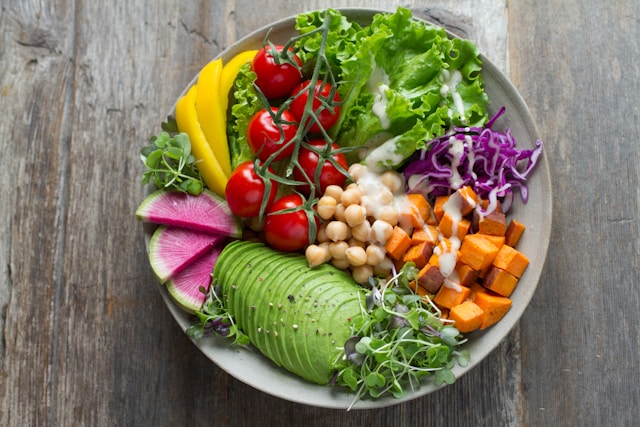
Photo: Anna Pelzer / Unsplash