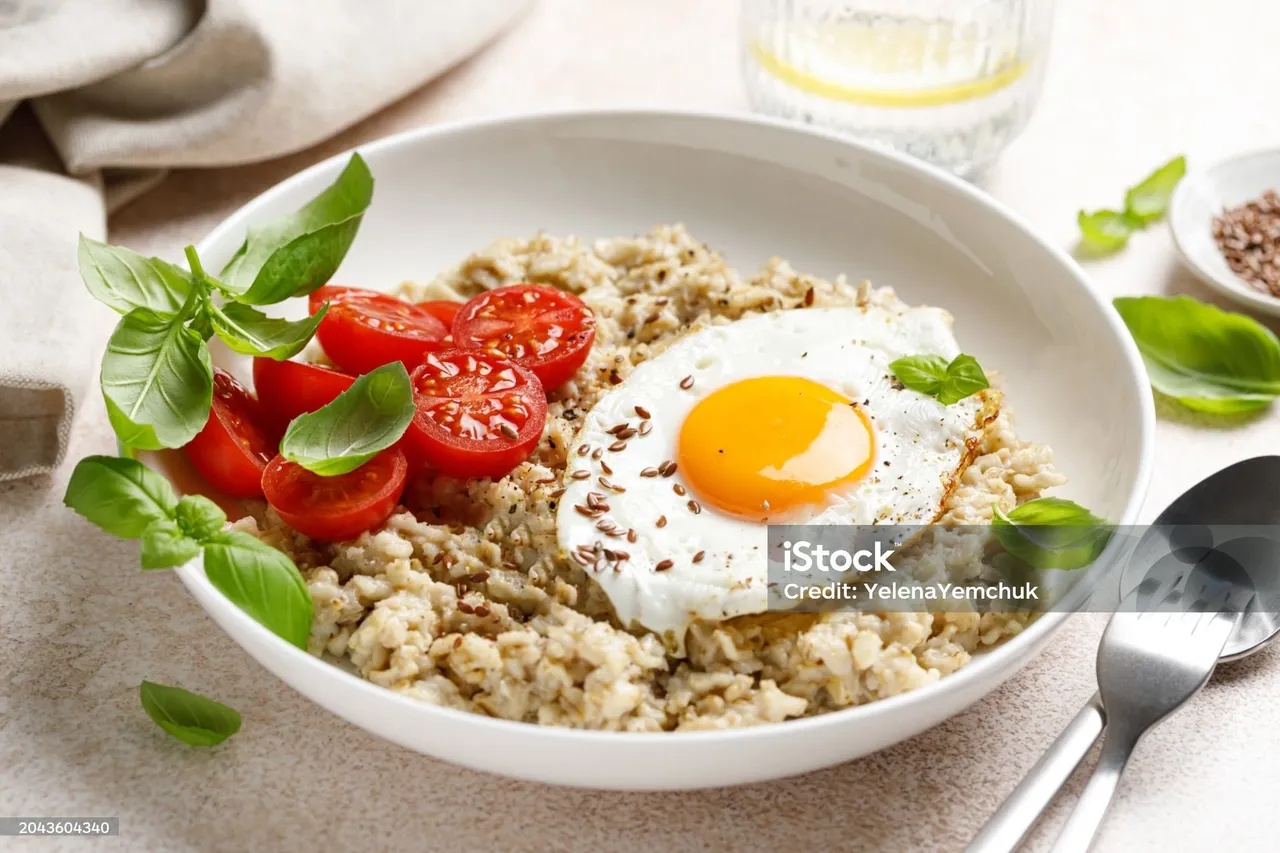
Oatmeal vs eggs is not a battle between a healthy food and an unhealthy one. Both can be strong breakfast choices. Eggs are better for protein and fullness; oatmeal is better for fiber, LDL cholesterol support, and steady carbohydrate energy.
Quick Take
- Choose eggs if your priority is protein, muscle support, or staying full with fewer carbohydrates.
- Choose oatmeal if your priority is fiber, heart-health support, gut-friendly carbohydrates, or workout fuel.
- For weight loss, eggs may help appetite control, but oatmeal can work well when paired with protein.
- For the most balanced breakfast, combine both: eggs for protein and oats for fiber-rich carbs.
The better breakfast depends on your goal, appetite, training schedule, blood sugar response, and what the rest of your day looks like. A sedentary desk morning, a long run, and a strength workout do not all need the same meal.
Oatmeal vs Eggs: Quick Comparison
| Goal | Better Choice | Why |
|---|---|---|
| Higher protein | Eggs | Complete protein with essential amino acids |
| More fiber | Oatmeal | Oats contain beta-glucan soluble fiber |
| Weight loss | Eggs, or both | Protein supports satiety |
| Cholesterol support | Oatmeal | Oat beta-glucan can help lower LDL cholesterol |
| Workout fuel | Oatmeal, or both | Carbohydrates support training energy |
| Muscle support | Eggs, or both | Eggs provide high-quality protein |
| Balanced breakfast | Both | Protein, fiber, carbs, fats, and micronutrients |
That is why the best answer is often not oatmeal or eggs. It is oatmeal plus eggs, adjusted to fit your calorie needs, appetite, and health goals.
Which Breakfast Is Better for Weight Loss?
Eggs may have a slight edge for weight loss because they are higher in protein and usually more filling per calorie. Protein slows digestion, supports satiety, and can make it easier to avoid grazing between meals.
In one randomized crossover study, eating two eggs per day compared with an oatmeal breakfast increased satiety markers. It did not worsen the LDL/HDL ratio in healthy young adults. That does not prove eggs are always superior, but it supports a practical point: higher-protein breakfasts often feel more satisfying. See the eggs compared with oatmeal breakfast study.
Oatmeal can still be useful for fat loss. The problem is usually not oats themselves; it is a bowl of oats with sugar, syrup, sweetened creamer, and little protein. That meal may taste good but leave some people hungry again too soon.
For a better fat-loss breakfast, try one of these:
- Two eggs with vegetables and fruit
- Oatmeal with Greek yogurt, berries, and chia seeds
- Savory oats topped with a soft-boiled egg
- Egg-white scramble with a small bowl of oats
If fat loss is your main goal, the winner in the oatmeal vs eggs comparison is the meal that keeps you full while still fitting your daily calorie needs. For a broader strategy, BeeFit’s guide to fat loss after 40 explains how to lose fat without sacrificing muscle.
Which Is Better for Heart Health?
Oatmeal has the stronger heart-health case because oats contain beta-glucan. This soluble fiber can help support healthier LDL cholesterol levels as part of an appropriate eating pattern.
The FDA allows a heart-health claim for soluble fiber from certain foods, including oats. The food must meet specific criteria and be eaten as part of a diet low in saturated fat and cholesterol. A systematic review and meta-analysis also found that oat beta-glucan can reduce LDL cholesterol, although the effect depends on dose, food form, and baseline cholesterol.
Eggs are more nuanced. They contain dietary cholesterol, but they also provide protein, choline, fat-soluble vitamins, and other nutrients. For many healthy adults, eggs can fit into a heart-healthy diet, especially when paired with vegetables, fruit, and whole grains.
If you have high LDL cholesterol, diabetes, heart disease, kidney disease, or specific medical guidance about cholesterol intake, personalize egg intake with a clinician or registered dietitian. The food pattern around the eggs matters as much as the eggs themselves.
- Choose oatmeal if lowering LDL cholesterol is the main goal.
- Choose eggs in moderation if they fit your overall diet and medical guidance.
- Limit processed breakfast meats most of the time, regardless of whether you choose eggs or oats.
Which Gives Longer-Lasting Energy?
Oatmeal is usually better for steady carbohydrate energy. Oats provide complex carbohydrates and fiber, which helps before a long workday, a morning workout, or a more active day.
Still, oatmeal works best when it is balanced. Plain oats with added sugar may not keep you full for long. Oats with protein and fat usually perform better.
Useful oatmeal upgrades include Greek yogurt, milk, soy milk, protein powder, chia seeds, flaxseed, nuts, berries, cinnamon, or a side of eggs. These additions improve the meal’s protein, texture, micronutrients, and staying power.
Eggs provide protein and fat but very little carbohydrate. That can be ideal if you feel better on a lower-carb breakfast. However, it may not be enough if you train hard in the morning. For a strength session, long walk, run, ride, or physically active job, oatmeal plus eggs is often more useful than either alone.
Which Is Better for Building Muscle?
Eggs are better for direct muscle support because they provide high-quality complete protein. Whole eggs contain essential amino acids, including leucine. That amino acid helps stimulate muscle protein synthesis when you combine it with resistance training and enough total daily protein.
Oatmeal contains some protein, but it is not as protein-dense as eggs. Its main muscle-building value is fuel: carbohydrates help support training performance and replenish glycogen after exercise. The International Society of Sports Nutrition notes that protein intake and resistance exercise work together to support muscle protein synthesis.
For muscle, the oatmeal vs eggs decision should not stop at breakfast. The bigger goal is enough protein across the whole day, a progressive strength plan, and adequate recovery. If you are rebuilding strength or training consistently, BeeFit’s guide to strength training after 40 can help you structure the training side.
Better muscle-focused breakfast ideas include:
- Two or three eggs with oats and berries
- Greek yogurt oatmeal with one or two eggs on the side
- Egg-white scramble with vegetables and a small bowl of oats
- Savory oatmeal with eggs, spinach, and avocado
Common Mistakes With Oatmeal and Eggs
Turning oatmeal into dessert. Oats are a solid base, but brown sugar, syrup, chocolate chips, and sweetened creamers can quickly change the meal. Use fruit, cinnamon, nuts, seeds, or Greek yogurt more often.
Pairing eggs with processed meats every day. Eggs with spinach and fruit are very different from eggs with bacon, sausage, and buttered toast. The side dishes can shift the whole meal’s saturated fat, sodium, and calorie load.
Eating too little protein. A plain bowl of oats may not provide enough protein for active adults. Add Greek yogurt, milk, soy milk, protein powder, or eggs.
Ignoring your blood sugar response. Some people feel great after oatmeal. Others feel hungry or tired quickly. If that happens, reduce the portion, add protein and fat, or choose eggs with a smaller serving of oats.
Looking for one universal winner. The better breakfast depends on your body, goals, preferences, and medical context. The most useful answer is flexible, not absolute.
Oatmeal vs Eggs FAQ
Is oatmeal or eggs better for weight loss?
Eggs may be better for appetite control because they are higher in protein. Oatmeal can also work well if you add protein, keep added sugar modest, and choose a portion that fits your calorie needs.
Can I eat oatmeal and eggs together?
Yes. This is often the best option because it combines fiber-rich carbohydrates with complete protein. A small bowl of oats plus two eggs is simple, filling, and easy to adjust.
Are egg whites healthier than whole eggs?
Egg whites are lower in calories and provide protein, while yolks contain choline, fat-soluble vitamins, and other nutrients. Whole eggs are more nutrient-dense, but egg whites can be useful when you need more protein with fewer calories.
Bottom Line
Oatmeal vs eggs is about choosing the right breakfast for the job. Eggs are stronger for protein, fullness, and muscle support. Oatmeal is stronger for fiber, LDL cholesterol support, and carbohydrate energy.
For many people, the most balanced choice is both: two eggs, a modest bowl of oatmeal, berries, cinnamon, and a few nuts or seeds. That gives you protein, fiber, carbs, fats, and micronutrients without making breakfast complicated.
If you want a personalized meal and training plan based on your goals, schedule, food preferences, and limitations, try the BeeFit AI Fitness Planner.
This article is for informational purposes only and is not medical advice. Nutrition needs vary by health status, medications, activity level, allergies, cholesterol levels, blood sugar response, and personal goals. Speak with a qualified healthcare professional or registered dietitian before making major dietary changes, especially if you have diabetes, heart disease, high cholesterol, kidney disease, or another medical condition.
Discover more from BeeFit: Fitness & Wellness
Subscribe to get the latest posts sent to your email.
Share :