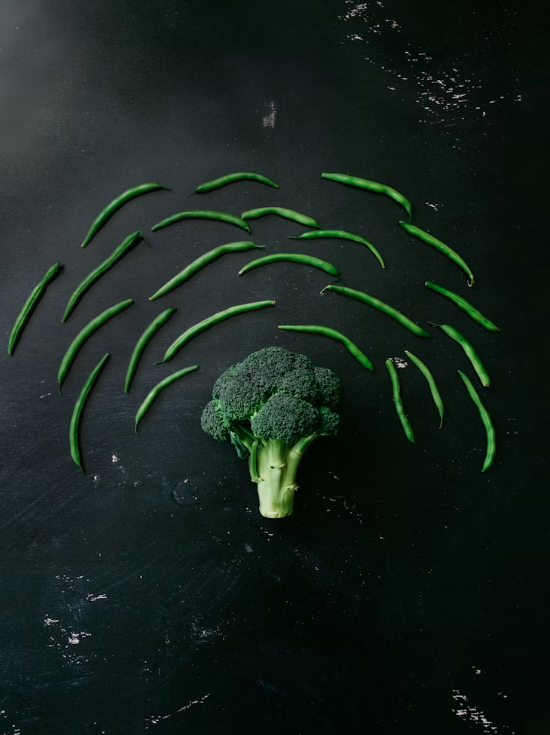
A few healthy kitchen habits can help preserve nutrients, make high-fiber foods easier to eat, and reduce avoidable cookware damage. These techniques will not transform one meal into medicine, but they can improve how you prepare nutritious foods consistently.
Quick Take
- Chopping broccoli before cooking allows its natural myrosinase enzyme to begin producing sulforaphane.
- Properly used nonstick cookware is not considered a major health hazard, but it should not be overheated.
- Black pepper can increase curcumin absorption, although the famous 2,000% figure came from concentrated supplemental doses.
- Legumes provide fiber, resistant starch, protein, and minerals, but they are not the only valuable source of dietary fiber.
Advice about healthy kitchen habits often turns useful food science into rigid rules. Broccoli becomes an anti-cancer treatment, every nonstick pan becomes toxic, turmeric supposedly becomes useless without pepper, and one type of fiber is declared superior to every other source.
The evidence supports a more practical approach. Food preparation can influence nutrient availability, cookware should be used according to its limitations, and dietary variety matters more than any single kitchen trick.
1. Healthy Kitchen Habits for Preparing Broccoli
Chopping broccoli damages its plant cells, bringing an enzyme called myrosinase into contact with glucoraphanin. This reaction helps form sulforaphane, a bioactive compound studied for its possible effects on cellular defense and inflammation.
High heat can reduce myrosinase activity. Allowing chopped broccoli to rest before cooking may give the reaction time to begin, although the frequently repeated 30–40-minute rule should be treated as a practical estimate rather than a precisely established requirement.
Cooking method also matters. Research suggests that brief steaming can preserve more glucosinolates and sulforaphane potential than prolonged boiling or intense heating. The National Cancer Institute notes that cruciferous vegetables contain compounds with promising biological effects, but studies of cancer risk in humans have produced mixed results.
Make This a Healthy Kitchen Habit
Chop broccoli near the beginning of meal preparation and let it sit while you prepare the remaining ingredients. Then steam it briefly or cook it until tender-crisp rather than boiling it for a long period.
There is no need to set a timer or avoid broccoli when this method is inconvenient. Regularly eating vegetables matters more than perfectly optimizing one compound in one serving.
2. Healthy Kitchen Habits for Using Cookware
Traditional nonstick cookware commonly uses a PTFE-based coating. PTFE belongs to the broad PFAS family, but that does not mean normal use of a coated pan creates the same exposure as contaminated drinking water or industrial PFAS pollution.
The German Federal Institute for Risk Assessment reports that commercially available PTFE cookware is not expected to transfer fluorinated substances to food at levels that harm health when used properly. Health Canada similarly advises keeping nonstick cookware below approximately 500°F, or 260°C.
The main avoidable risk is overheating an empty pan. Extremely high temperatures can degrade the coating and release fumes. Damaged cookware may also perform poorly and become harder to clean.
Use Nonstick Cookware More Carefully
Use low or medium heat, avoid leaving an empty pan on a hot burner, and follow the manufacturer’s temperature limits. Wooden, silicone, or other nonabrasive utensils can help preserve the surface.
Replace a pan when its coating is extensively peeling, blistering, or deteriorated. Stainless steel, cast iron, and carbon steel are durable alternatives for high-heat cooking, but replacing a properly functioning nonstick pan is a preference—not a medical requirement.
3. Healthy Kitchen Habits for Using Turmeric
Curcumin is one of the most studied compounds in turmeric, but it is poorly absorbed and rapidly metabolized. A small human study found that combining two grams of curcumin with 20 milligrams of isolated piperine increased measured bioavailability by 2,000%.
That finding is real, but it is frequently taken out of context. The study used concentrated quantities that are not equivalent to seasoning food with turmeric and a pinch of pepper. It also measured absorption rather than proving that the combination produces proportionally greater health benefits.
Black pepper may still improve curcumin absorption, and including both spices in meals is reasonable when their flavors fit. However, turmeric is not “useless” without pepper. It remains a culinary ingredient containing multiple plant compounds.
Treat Turmeric as Food, Not a Cure
Use turmeric and black pepper together in curries, soups, rice, roasted vegetables, or lentil dishes when you enjoy the combination. Including some dietary fat may also help with the absorption of fat-soluble compounds.
Concentrated curcumin or piperine supplements are different from culinary use. Piperine can affect the metabolism of certain medications, while highly bioavailable curcumin products may cause digestive side effects. Discuss supplementation with a healthcare professional, especially when taking medication.
For a broader dietary approach, read BeeFit’s guide to the best anti-inflammatory foods for long-term health.
4. Are Legumes the Best Source of Fiber?
Lentils, chickpeas, beans, and peas are excellent foods because they combine fiber, resistant starch, plant protein, potassium, iron, and other nutrients. Their fermentable carbohydrates can also support the production of short-chain fatty acids such as butyrate in the colon.
Research associates higher legume intake with a lower risk of colorectal cancer. One dose-response meta-analysis reported that an additional 100 grams of legumes per day was associated with a 21% lower risk. However, this was an observational association, not proof that legumes prevent cancer for an individual.
The claim that 10 grams of legume fiber reduces colon-cancer risk by 32%, compared with only 10% for other fiber, is not supported by the strongest available reviews. In fact, several analyses report particularly consistent evidence for whole grains and cereal fiber.
Diversify Your Fiber Sources
Rather than choosing one “superior” fiber, regularly include:
- Beans, lentils, chickpeas, and peas
- Oats and other whole grains
- Vegetables and fruit
- Nuts and seeds
Each category supplies different fibers and plant compounds. A varied pattern is more useful than trying to obtain every benefit from legumes alone.
Add lentils to soups or sauces, place chickpeas in salads and grain bowls, or use beans in tacos and stews. BeeFit’s gut health protocol explains why gradually increasing diverse plant foods is more practical than relying on one ingredient.
Healthy Kitchen Habits FAQ
Do All Cruciferous Vegetables Benefit From Chopping?
Chopping, crushing, or chewing cruciferous vegetables helps bring glucosinolates into contact with myrosinase. However, the amount of each compound and the effect of cooking differ among broccoli, cabbage, kale, cauliflower, Brussels sprouts, and bok choy.
Eat them in the forms you enjoy rather than treating preparation as an exact laboratory procedure.
What Is a Good Alternative to Nonstick Cookware?
Stainless steel is versatile and durable, while cast iron and carbon steel work well for browning and high-heat cooking. Enameled cast iron is useful for acidic sauces and slow cooking.
Ceramic-coated cookware is another nonstick option, but the coating can wear over time. “Ceramic,” “natural,” and “non-toxic” are not guarantees of quality, so follow the manufacturer’s directions and replace damaged cookware.
Does a Curcumin Supplement Need Piperine?
Not necessarily. Manufacturers use several methods to improve curcumin absorption, including piperine, lipid-based formulations, and other delivery systems.
Higher absorption is not automatically better for every person. Review the dosage and formulation with a healthcare professional rather than assuming that piperine is required.
How Can I Eat Legumes With Less Bloating?
Begin with a small portion and increase it gradually. Rinsing canned beans removes some fermentable carbohydrates and excess sodium, while soaking and thoroughly cooking dried beans can improve tolerance.
Individual responses differ. People with irritable bowel syndrome or other digestive conditions may need more personalized guidance.
Build Better Habits, Not Perfect Meals
These healthy kitchen habits can improve food preparation, but none is a shortcut to longevity. Chopping broccoli before cooking, using cookware appropriately, combining flavorful spices, and eating more legumes are small practices within a much larger dietary pattern.
The foundation remains straightforward: eat a variety of vegetables, fruit, legumes, whole grains, nuts, seeds, and appropriate protein sources. Use kitchen techniques to make that pattern easier and more enjoyable—not to turn individual foods into treatments.
For affordable ways to apply these habits, explore BeeFit’s Mediterranean Diet on a Budget and comparison of chickpeas with common protein sources.
Related BeeFit Guides
- The Best Anti-Inflammatory Foods for Long-Term Health
- The Ultimate Science-Based Gut Health Protocol
- Mediterranean Diet on a Budget
- Chickpeas vs. Common Protein Sources
This article is for informational and educational purposes only and is not a substitute for medical or nutritional advice. Consult a qualified healthcare professional before beginning a concentrated turmeric or piperine supplement, particularly if you take medication or have a medical condition.
Discover more from BeeFit: Fitness & Wellness
Subscribe to get the latest posts sent to your email.
Share :