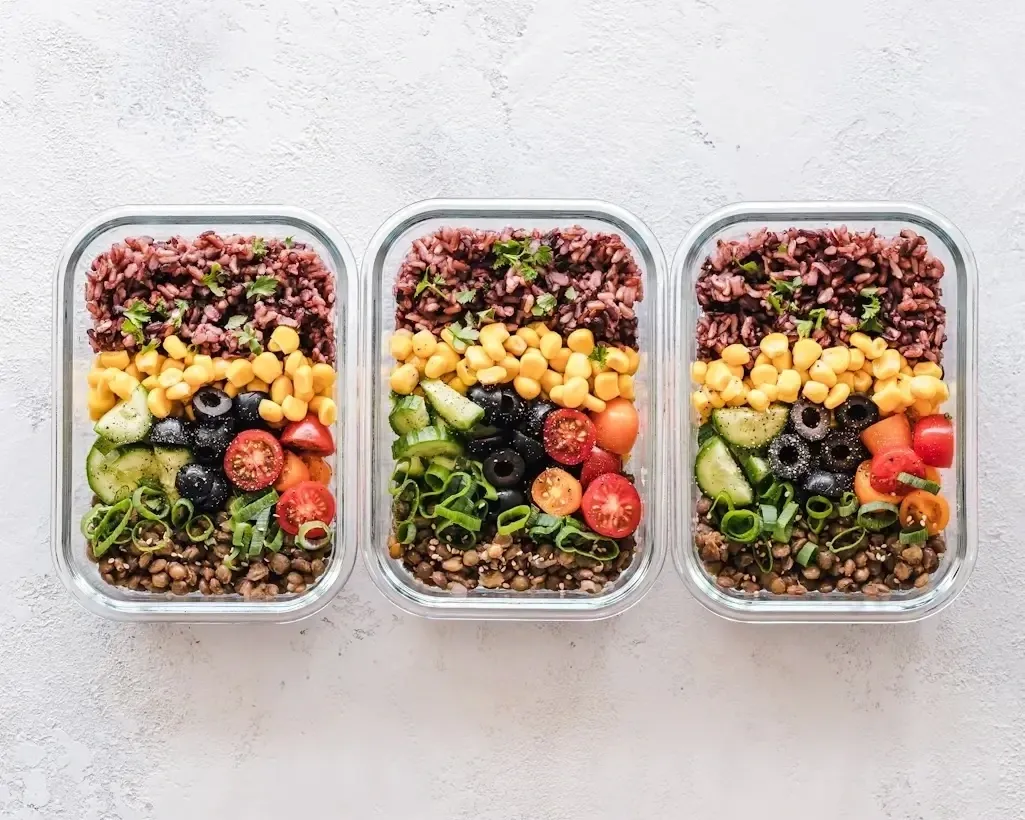
Eating 30 foods a week sounds like a nutrition challenge, but it is really a simple way to break out of food autopilot. Instead of relying on the same few “healthy” meals, you build more variety into the foods that already work for your schedule, budget, appetite, and goals.
Quick Take
- Aiming for a 30-food target can help increase plant variety, fiber types, and overall nutrient coverage.
- The best evidence is strongest for plant diversity and gut microbiome diversity, not for any guaranteed health outcome.
- Count vegetables, fruits, whole grains, legumes, nuts, seeds, herbs, spices, and fermented plant foods.
- You do not need perfection. If 30 feels unrealistic, start with 20 and add a few new foods each week.
Why Food Variety Matters
Consistency makes healthy eating easier. A few dependable meals can prevent decision fatigue, improve grocery planning, and help you avoid relying on takeout when life gets busy. Problems start when consistency turns into a narrow food rotation for months at a time.
A diet built around chicken, rice, broccoli, oats, eggs, and the same protein shake may be better than a highly processed diet. It can still leave out many fibers, minerals, fatty acids, polyphenols, and plant compounds found in other foods. No single “clean” meal pattern covers everything well.
The goal of 30 foods a week is not to make eating complicated. It is to widen the nutritional inputs your body receives across the week, especially from plant foods. Think of it as upgrading from a small playlist to a fuller library.
The Gut Health Case for 30 Foods a Week
Your gut microbiome responds to many factors, including genetics, sleep, stress, medication use, health conditions, and diet. Food variety is one lever you can adjust without needing a complicated protocol.
One frequently cited finding comes from the American Gut Project, a large citizen-science microbiome study. Researchers found that people who reported eating more than 30 different plant types per week had more diverse gut microbiomes than those eating fewer than 10. Because the study was observational, it does not prove that 30 is a magic number or that variety alone caused better health. Still, it supports a practical idea: more plant diversity is associated with more microbial diversity.
Different plant foods provide different fibers and phytochemicals. Oats, lentils, berries, onions, pumpkin seeds, herbs, and leafy greens do not feed your gut in exactly the same way. A broader mix gives gut microbes more substrates to work with, which may support a more resilient digestive ecosystem over time.
If gut health is already a priority for you, this approach pairs well with the broader principles in BeeFit’s gut health protocol. Add variety gradually, especially if you currently eat very little fiber.
How Weekly Food Variety Can Help Close Nutrient Gaps
Diet diversity also matters because nutrients are distributed unevenly across foods. Leafy greens can provide vitamin K, magnesium, and folate. Legumes bring fiber, potassium, iron, and plant protein. Nuts and seeds add minerals and unsaturated fats. Citrus fruits, berries, whole grains, seafood, eggs, yogurt, and fermented foods each contribute something different.
This does not mean every person needs every food category. Allergies, medical diets, digestive conditions, ethics, culture, religious practice, and food access all matter. Still, most people benefit from widening variety within the foods they can tolerate and afford.
Government nutrition guidance also emphasizes dietary patterns built around a variety of vegetables, fruits, grains, dairy or fortified alternatives, protein foods, and healthy fats. The CDC’s healthy eating guidance frames variety as part of a balanced eating pattern rather than a rigid rule.
For fat loss or body composition goals, food variety should still work alongside the basics: enough protein, appropriate calories, fiber, and meals you can repeat. If you are deciding between tracking calories and improving food quality, BeeFit’s guide to food quality versus calories can help you put this in context.
What Foods Count Toward Your 30?
For this habit, count unique whole or minimally processed foods. You do not need to count tiny additives in packaged foods, and you do not need to turn tracking into a full-time job.
- Vegetables: spinach, arugula, carrots, mushrooms, peppers, onions, zucchini, cabbage.
- Fruits: blueberries, apples, oranges, kiwi, pears, bananas, pomegranate.
- Whole grains and starches: oats, barley, quinoa, brown rice, potatoes, sweet potatoes.
- Legumes: lentils, chickpeas, black beans, edamame, peas.
- Nuts and seeds: walnuts, almonds, pistachios, chia, flax, pumpkin seeds, hemp seeds.
- Herbs and spices: basil, parsley, cilantro, turmeric, ginger, cinnamon, garlic.
- Fermented foods: kimchi, sauerkraut, kefir, yogurt, tempeh, miso.
Spices and herbs count because they contribute plant compounds, but they should not become the whole strategy. A week with 25 spices and five vegetables misses the point. Use them as easy add-ons, not as a loophole.
Protein foods can count too, especially if you are using the broader weekly variety idea rather than a plant-only version. Eggs, salmon, Greek yogurt, tofu, chicken, cottage cheese, and beans all add nutritional value. For active people, the practical target is variety without letting protein intake fall too low.
How to Reach 30 Foods a Week Without Overthinking
1. Track your baseline for seven days
Open a note on your phone and list each unique food once. If you eat oats three times, count oats once. If you eat spinach and kale, count both. After one week, you will know whether you are already close or whether your food rotation is narrower than you thought.
2. Add variety where it is easiest
Do not rebuild your diet from scratch. Add two berries to your yogurt instead of one. Use a mixed salad base instead of only romaine. Rotate chickpeas, lentils, and black beans. Add pumpkin seeds to soup, parsley to eggs, or sauerkraut beside lunch.
3. Build meals around food clusters
Clusters are combinations that add several foods without extra cooking. A yogurt bowl can include Greek yogurt, blueberries, banana, chia, walnuts, and cinnamon. A grain bowl can include quinoa, roasted peppers, spinach, chickpeas, avocado, pumpkin seeds, and salsa. One meal can move you a long way toward 30 foods a week.
4. Keep your anchor meals
If you rely on repeat meals for work, training, or family life, keep them. Then rotate the supporting ingredients. Chicken and rice can become chicken with barley and roasted carrots one week, then chicken with quinoa, mushrooms, and cabbage the next.
People who train hard should also think about meal timing, protein, and recovery. Variety is helpful, but it does not replace fueling well around workouts. For that, use BeeFit’s guide to pre- and post-workout meals.
A Sample Day for Weekly Food Variety
You do not need 30 different foods every day. A strong day might get you halfway there, then the rest of the week fills in the gaps.
- Breakfast: oats with blueberries, chia seeds, walnuts, cinnamon, and Greek yogurt.
- Lunch: spinach and arugula salad with salmon, chickpeas, carrots, cucumber, olive oil, and lemon.
- Snack: apple slices with almond butter.
- Dinner: tofu stir-fry with quinoa, broccoli, mushrooms, bell pepper, garlic, and ginger.
- Optional side: a small serving of kimchi or kefir if you tolerate fermented foods well.
That single day includes a broad mix of grains, fruits, vegetables, legumes, nuts, seeds, protein foods, herbs, and spices. Repeat the same structure with a few swaps and 30 foods a week becomes much more realistic.
Common Mistakes With a 30-Food Goal
The first mistake is increasing fiber too quickly. If your current diet is low in beans, vegetables, whole grains, and seeds, jumping straight to a high-fiber pattern may cause bloating or discomfort. Add new foods slowly, drink enough water, and give your gut time to adapt.
The second mistake is chasing variety while ignoring adequacy. A colorful plate still needs enough total food, protein, and calories for your body size, activity level, and goals. Variety should improve your foundation, not distract from it.
The third mistake is treating 30 foods a week as a pass-fail test. Some weeks will be simpler because of travel, stress, budget, appetite, or family demands. If you land at 18 or 24, you still learned something useful about your patterns.
Frequently Asked Questions
Do I need 30 different plants, or 30 total foods?
The microbiome research most often discussed focuses on plant types. For everyday nutrition, counting 30 total whole or minimally processed foods can still be useful, especially if most of them are plants.
Can this help with weight loss?
It can support weight loss indirectly if it helps you eat more fiber-rich, filling foods and fewer ultra-processed snacks. Calorie intake, protein, activity, sleep, and consistency still matter.
What if I have IBS, food intolerances, or a medical diet?
Do not force foods that trigger symptoms. Work within your tolerated list, introduce foods gradually, and consider guidance from a registered dietitian if your diet is highly restricted.
The Bottom Line on 30 Foods a Week
Eating 30 foods a week is a practical habit, not a strict diet. Start by tracking your current variety, then add a few new plants, grains, legumes, nuts, seeds, herbs, or fermented foods each week. The best version improves your nutrition without making meals harder to maintain.
This article is for educational purposes only and does not replace medical or dietary advice. If you have a medical condition, digestive disorder, eating disorder history, food allergy, or prescribed diet, consult a qualified healthcare professional before making major nutrition changes.
Discover more from BeeFit: Fitness & Wellness
Subscribe to get the latest posts sent to your email.
Share :