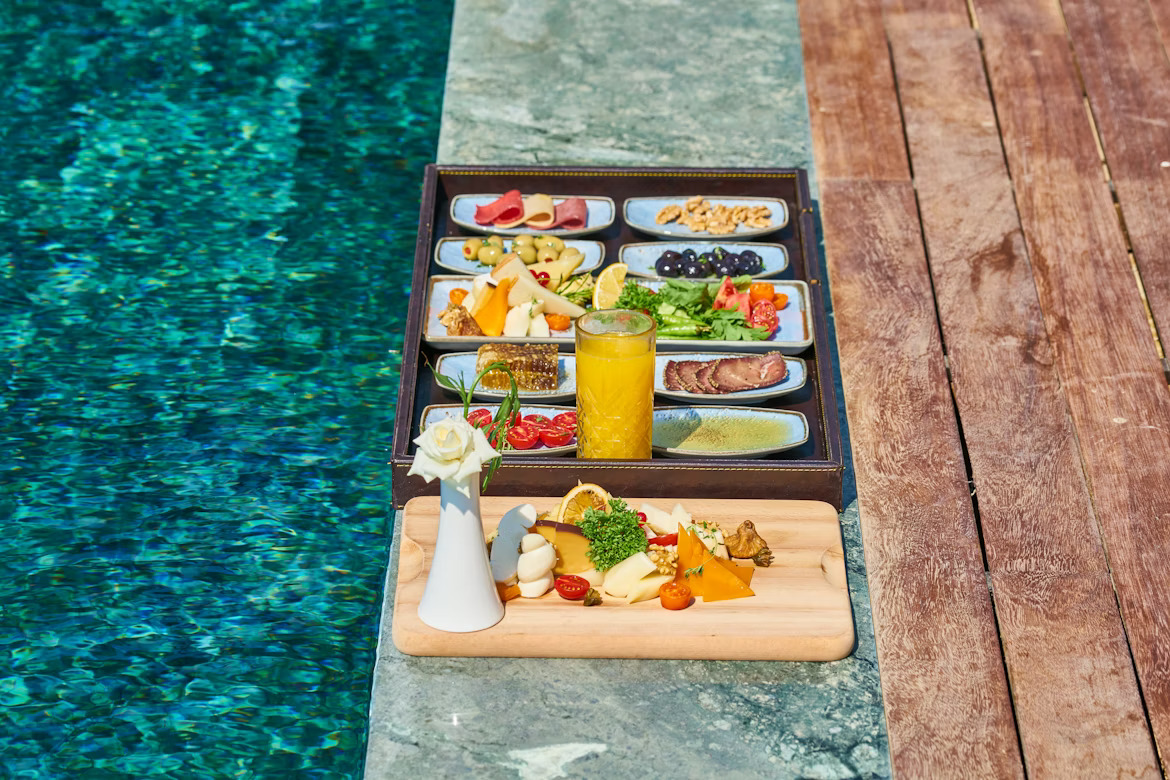
No-cook summer meals for weight loss work best when they feel like real meals, not emergency snacks assembled in front of the fridge. The goal is simple: keep the kitchen cool, use seasonal produce, and build plates with enough protein, fiber, and volume to help you stay satisfied.
Quick Take
- Build each no-cook meal around protein, produce, and a satisfying fat or high-fiber carb.
- Water-rich foods like cucumbers, melon, berries, tomatoes, and leafy greens add volume without much prep.
- Approximate calories depend on portions, toppings, and brands, so use the meal ideas as flexible templates.
- Summer weight loss is easier when meals are convenient enough to repeat, not when they feel restrictive.
Why No-Cook Summer Meals Can Support Weight Loss
Hot weather changes how many people want to eat. Heavy casseroles and long cooking sessions lose their appeal. Crisp salads, chilled bowls, yogurt, fruit, wraps, and seafood often feel more practical. That does not automatically cause fat loss, but it can make lighter meals easier to choose consistently.
A meal is more likely to keep you full when it includes protein and fiber. Research reviews suggest that higher-protein diets can improve fullness for some adults during weight management. Fiber-rich foods can also support satiety and improve overall diet quality. That is why these no-cook summer meals for weight loss avoid the common trap of eating only fruit or greens and feeling hungry an hour later. Evidence on protein and appetite and research on fiber and satiety both support this more balanced approach.
For a deeper look at protein targets, BeeFit’s high-protein meal plan for fat loss and muscle gain gives a more structured day of eating. If you mainly need fast options, these meals are built for minimal prep and summer appetite.
8 No-Cook Summer Meals for Weight Loss
The calorie ranges below are estimates for one serving. They will change based on portion size, dressings, toppings, and whether you add extra protein. Use them as a starting point, not a rule.
1. Watermelon, Feta, and Mint Salad
How to make it: Combine 2 cups cubed watermelon, 1 ounce crumbled feta, chopped mint, cucumber slices, and a squeeze of lime. Add a few cups of arugula or spinach if you want a bigger bowl.
Why it works: Watermelon and cucumber are hydrating and high-volume, while feta adds saltiness and a little protein. To make it more filling, add grilled chicken from meal prep, canned chickpeas, or a side of Greek yogurt.
2. Greek Yogurt Parfait with Berries and Seeds
How to make it: Layer 1 cup plain Greek yogurt with 1 cup berries, 1 tablespoon chia or hemp seeds, and a small sprinkle of granola if you want crunch.
Why it works: This is one of the easiest no-cook summer meals for weight loss because it delivers protein, fiber, and sweetness without much effort. Choose plain yogurt most of the time so added sugar does not quietly turn breakfast into dessert.
3. Chilled Lentil and Cucumber Bowl
How to make it: Rinse 1 cup canned lentils and toss with diced cucumber, cherry tomatoes, parsley, lemon juice, 1 teaspoon olive oil, and black pepper. Add olives or goat cheese if they fit your calorie target.
Why it works: Lentils bring plant protein and fiber in the same ingredient, making the bowl more satisfying than a plain salad. If you prefer vegetarian lunches, BeeFit’s guide to high-protein vegetarian lunches has more ideas with similar structure.
4. Avocado-Stuffed Tomatoes
How to make it: Halve two large tomatoes and scoop out a little of the center. Fill with mashed avocado, lime, cilantro, diced red onion, and a pinch of salt.
Why it works: Tomatoes add freshness and volume, while avocado provides satisfying fat. Because avocado is calorie-dense, keep the portion moderate and add a lean protein such as canned salmon, tuna, shrimp, cottage cheese, or chickpeas.
5. Cold Zucchini Noodle Salad with Pesto
How to make it: Toss spiralized zucchini with 1 tablespoon pesto, halved cherry tomatoes, white beans, and lemon juice. Let it sit for five minutes so the zucchini softens slightly.
Why it works: Zucchini noodles give you the experience of a cold pasta salad with fewer calories than a full bowl of pasta. For a more complete meal, add rotisserie chicken, shrimp, tuna, tofu, or extra beans.
6. Tuna-Stuffed Avocado
How to make it: Mix one drained can of tuna with Greek yogurt, mustard, celery, herbs, and pepper. Spoon it into half an avocado and serve with cucumber rounds or whole-grain crackers.
Why it works: Tuna gives this meal a strong protein base, while avocado makes it feel substantial. If you eat tuna often, vary your seafood choices and consider FDA guidance on mercury-sensitive groups such as pregnancy, breastfeeding, and young children. FDA fish advice can help you choose seafood more confidently.
7. Berry Spinach Smoothie Bowl
How to make it: Blend frozen berries, a handful of spinach, Greek yogurt or protein powder, and enough milk or unsweetened soy milk to keep it thick. Pour into a bowl and top with a small amount of seeds or granola.
Why it works: A bowl format encourages slower eating than drinking a large smoothie quickly. Keep toppings measured, since granola, nut butter, and coconut can add calories fast. For breakfast-specific ideas, BeeFit’s high-protein breakfast guide offers more ways to make morning meals last.
8. Hummus and Veggie Wrap
How to make it: Spread hummus on a whole-grain tortilla, then add shredded lettuce, cucumber, bell pepper, carrots, tomato, and a protein option such as turkey, tofu, edamame spread, or chickpeas.
Why it works: Wraps travel well, take less than 10 minutes, and can be adjusted for appetite. This is one of the most repeatable no-cook summer meals for weight loss because you can change the protein, spread, and vegetables without changing the basic method.
The Simple Plate Formula for No-Cook Meals
If you do not want to follow recipes, use a formula instead. Start with two handfuls of produce and add a palm-sized protein. Include a small serving of fat or high-fiber carbohydrate, then season aggressively with herbs, citrus, vinegar, salsa, mustard, or hot sauce.
This keeps summer meals flexible. A tomato-cucumber bowl with tuna, a yogurt bowl with berries, and a hummus wrap all follow the same structure. The ingredients change, but the satiety strategy stays consistent.
Fruits and vegetables can help lower the calorie density of meals because their water and fiber add volume. The CDC notes that replacing some higher-calorie ingredients with fruits and vegetables can support weight management. Simply adding them on top of your usual intake may not reduce calories. CDC guidance on fruits and vegetables for weight management explains this distinction clearly.
Hydration Tips for Summer Weight Loss
Thirst can sometimes be confused with a desire to snack, especially when you are hot, sweaty, or drinking more caffeine or alcohol than usual. Still, hydration is not a magic appetite-control tool. It is one piece of a better summer routine.
Water, sparkling water, unsweetened tea, and water-rich foods can all help. The CDC recommends water as a practical alternative to sugar-sweetened drinks. These drinks can add calories without much fullness. CDC guidance on water and healthier drinks is a useful reference if sweet tea, soda, juice, or cocktails are a regular part of your summer day.
Try pairing each meal with a drink and adding hydrating produce such as cucumbers, celery, berries, citrus, leafy greens, tomatoes, or melon. That small habit can make these meals feel more refreshing and complete.
BBQ and Picnic Weight Loss Strategy Without Diet Mentality
Summer social meals do not need to be treated like setbacks. The easiest approach is to make one or two useful choices before you worry about everything else.
- Build your plate around protein first. Chicken, fish, shrimp, lean burgers, tofu, beans, or Greek-yogurt-based sides help the meal last longer.
- Add produce early. Salad, fruit, grilled vegetables, salsa, and slaw add volume and color before the plate fills with chips or creamy sides.
- Pick the foods you actually want. If potato salad is your favorite, have a portion and skip the sides you do not care about.
- Watch liquid calories. Alcohol, lemonade, soda, and sweet tea can add up quickly, especially across a long afternoon.
- Bring a reliable option. A lentil salad, yogurt dip with vegetables, or chilled fruit bowl makes the event easier without announcing that you are dieting.
This is where no-cook summer meals for weight loss become useful beyond your own kitchen. Many of them work as picnic dishes, packed lunches, or shared sides.
Frequently Asked Questions About No-Cook Summer Meals
Are no-cook meals enough for a full lunch or dinner?
They can be, as long as they include enough protein, fiber, and total food volume. A plain salad may not hold you over. A salad with lentils, tuna, Greek yogurt dressing, avocado, or beans is much more substantial.
Can I meal prep these without cooking?
Yes. Wash and chop produce, rinse canned beans or lentils, portion yogurt, and keep proteins like tuna, cottage cheese, hummus, tofu, and rotisserie chicken ready. Add dressings and crunchy toppings just before eating.
Do I need to count calories for these meals to work?
Not always. Some people do well using portions and plate structure. Others benefit from tracking for a short time, especially to learn where calories come from in oils, nuts, avocado, dressings, drinks, and granola.
The Bottom Line on No-Cook Summer Meals
The best no-cook summer meals for weight loss are simple enough to repeat and satisfying enough that you are not hunting for snacks all afternoon. Keep protein visible, use seasonal produce generously, measure calorie-dense toppings when needed, and choose meals that fit your real summer schedule.
This article is for educational purposes only and is not a substitute for personalized medical or nutrition advice. If you have a medical condition, take medication, are pregnant, or have a history of disordered eating, consult a qualified healthcare professional before making major diet changes.
Discover more from BeeFit: Fitness & Wellness
Subscribe to get the latest posts sent to your email.
Share :