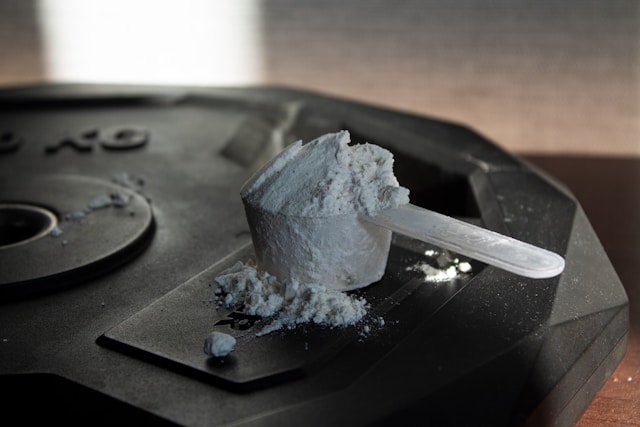
Learning how to choose protein powder starts with a simple question: what problem are you trying to solve? Muscle gain, fat loss, convenience, digestive tolerance, and dietary preference can all point you toward a different powder.
Quick Take
- Whey is a strong choice for muscle building because it is rich in essential amino acids and leucine, but total daily protein still matters most.
- Casein can be useful when fullness is the priority, especially as an evening snack during a calorie deficit.
- Plant proteins can work well when the dose is adequate and the amino acid profile is strong, often through blends such as pea, rice, soy, or seed proteins.
- Collagen is not a complete muscle-building protein, but it may have a separate role for people targeting connective tissue support.
- The best label is usually boring: enough protein per serving, little added sugar, clear ingredients, and third-party testing when possible.
Protein powder is not mandatory. Chicken, fish, eggs, Greek yogurt, tofu, tempeh, lentils, beans, and cottage cheese can all help you reach your target. Powder is useful when it makes the plan easier: after training, during a busy morning, while traveling, or when appetite is low.
A practical way to decide is to match the protein type to the job. That keeps you from buying the most hyped tub on the shelf and gives you a better chance of using it consistently.
How to choose protein powder for muscle gain
For building muscle, the priorities are total daily protein, resistance training, enough calories, and a protein source that provides all essential amino acids. Whey protein, especially whey isolate or concentrate, is well supported because it digests efficiently and provides a strong leucine signal, one of the amino acids involved in muscle protein synthesis.
The International Society of Sports Nutrition notes that protein intake and resistance exercise work together, and that many active people do well around 1.4–2.0 grams of protein per kilogram of body weight per day. Higher intakes may be useful during calorie deficits, especially for trained people trying to preserve lean mass.
Whey isolate is usually the cleaner fit if you want high protein with minimal lactose, fat, and carbs. Whey concentrate is often less expensive and still effective if you tolerate dairy. Casein is also a complete dairy protein, but it digests more slowly, which makes it better suited for fullness or overnight use than for people who want a lighter post-workout shake.
You do not need to obsess over a tiny post-workout window. Research supports protein intake before or after training, but the bigger pattern is hitting your daily target and spreading protein across meals. If a shake after training helps you do that, use it. If dinner is coming within an hour or two, that can work too.
For a broader look at daily targets, BeeFit’s guide to protein for muscle growth explains how to think about body weight, training age, and meal timing without turning every meal into math.
How to choose a protein powder for fat loss and fullness
When fat loss is the goal, the best protein powder is the one that helps you stay in a calorie deficit without losing unnecessary muscle. Whey isolate, casein, and some plant blends can all work. The choice depends on calories, appetite, digestion, and how you plan to use it.
Whey isolate is useful when you want a quick, low-calorie way to add 20–30 grams of protein. Casein tends to be thicker and slower digesting, so it can be helpful as a pudding-style snack before bed or between meals. A plant-based powder can be just as practical if the serving provides enough protein without excessive added sugar or oils.
The mistake is treating a shake as automatically weight-loss friendly. A scoop of protein mixed with water is very different from a smoothie loaded with nut butter, sweetened milk, granola, and syrup. Those ingredients can be nutritious, but they change the calorie equation quickly.
If you want structure beyond the shake, BeeFit’s high-protein meal plan for fat loss and muscle gain shows how powder can fit alongside whole-food meals instead of replacing them.
How plant-based protein powders compare
Plant-based powders are not second-rate by default. The key is protein quality, dose, and variety. Soy protein is complete. Pea protein is strong in some essential amino acids but lower in others. Rice protein has a different amino acid pattern. Blending sources can improve the overall profile.
If you are vegan or dairy-free, look for powders built from pea, rice, soy, hemp, pumpkin seed, or a blend of these. A slightly larger serving may be useful with some plant proteins because their leucine content and digestibility can differ from whey. That does not make them ineffective; it just means the label and serving size deserve attention.
For plant-forward eating, the same rule applies all day: combine protein sources across meals. A smoothie with plant protein, a tofu scramble, lentils at lunch, and tempeh at dinner can easily support active goals when total intake is adequate. BeeFit’s high-protein vegetarian breakfast ideas can help if your mornings are the hardest meal to protein-load.
Because some supplements can contain contaminants or undeclared ingredients, third-party testing is worth prioritizing. NSF explains that supplement certification can include label review, contaminant testing, and facility audits; athletes may also want sport-specific certification to reduce banned-substance risk through programs such as NSF Certified for Sport.
Where collagen fits—and where it does not
Collagen is often marketed like a standard protein powder, but it should not be treated as your main muscle-building protein. It is low in some essential amino acids and does not provide tryptophan, which means it is incomplete as a primary protein source.
That does not make collagen useless. Collagen peptides may be relevant for people interested in tendons, ligaments, joints, or skin, though outcomes vary and depend on the person, dose, training context, and study design. The important distinction is that collagen is more of a targeted add-on than a replacement for whey, casein, soy, or a complete plant blend.
If you use collagen, keep it separate in your mind from your muscle protein target. For example, collagen in coffee may be fine, but your post-training meal should still include a complete protein source. Research comparing protein types continues to show that amino acid quality matters for muscle outcomes, and broader analyses of protein supplementation during resistance training find benefits when intake supports training adaptation over time through adequate protein supplementation with resistance training.
How to choose protein powder by reading the label
If you want a simple method for how to choose protein powder, start with the nutrition panel before the front of the tub. Marketing language is flexible. The label is harder to hide from.
A solid product usually has:
- 20–30 grams of protein per serving
- Minimal added sugar, ideally 0–3 grams for most fitness goals
- A protein source listed first, such as whey isolate, whey concentrate, micellar casein, soy isolate, pea protein, or a plant blend
- Calories that match your goal, not just your taste preference
- Third-party testing when possible, especially for athletes, pregnant people, people with medical conditions, and anyone taking multiple supplements
Be cautious with proprietary blends that hide ingredient amounts. Also watch for “protein spiking,” where isolated amino acids may inflate the apparent protein number without providing the same value as a complete protein source. Thickening gums and nonnutritive sweeteners are not automatically dangerous, but they can bother digestion in some people.
If you have lactose intolerance, whey isolate or a plant-based powder may sit better than whey concentrate. If you have kidney disease, liver disease, a history of eating disorders, food allergies, pregnancy-related nutrition concerns, or are using GLP-1 medication, discuss protein targets and supplements with a qualified clinician or registered dietitian.
FAQ: Protein powder questions
Can protein powder replace a meal?
It can be part of a meal, but a scoop alone is not a complete meal. Add fruit, oats, greens, chia or flax, and an appropriate fat source if you need it to function as breakfast or lunch.
Is whey concentrate or isolate better?
Isolate has more protein per calorie and less lactose, so it is often better for sensitive stomachs or stricter macro targets. Concentrate is usually cheaper and works well if you tolerate dairy.
How much protein powder should I use per day?
Use enough to close the gap between your food intake and your protein target. For many people, that is one serving per day. More is not automatically better if it crowds out fiber-rich, nutrient-dense foods.
The practical choice
The best answer to how to choose protein powder is not “whey for everyone” or “plant-based is always cleaner.” Choose whey isolate or concentrate for a simple muscle-building option, casein for fullness, a well-built plant powder for dairy-free needs, and collagen only as a targeted add-on rather than your main protein.
Once the type fits your goal, let the label make the final decision: clear protein source, useful dose, reasonable calories, low added sugar, and credible testing. That is how to choose protein powder without overpaying for branding.
This article is for informational purposes only and is not a substitute for medical or individualized nutrition advice. Consult a physician, registered dietitian, or qualified healthcare professional before changing your diet or supplement routine, especially if you have a medical condition, are pregnant or breastfeeding, take medication, have kidney disease, or have a history of disordered eating.
Photo: Andrey Khoviakov / Unsplash
Discover more from BeeFit: Fitness & Wellness
Subscribe to get the latest posts sent to your email.
Share :