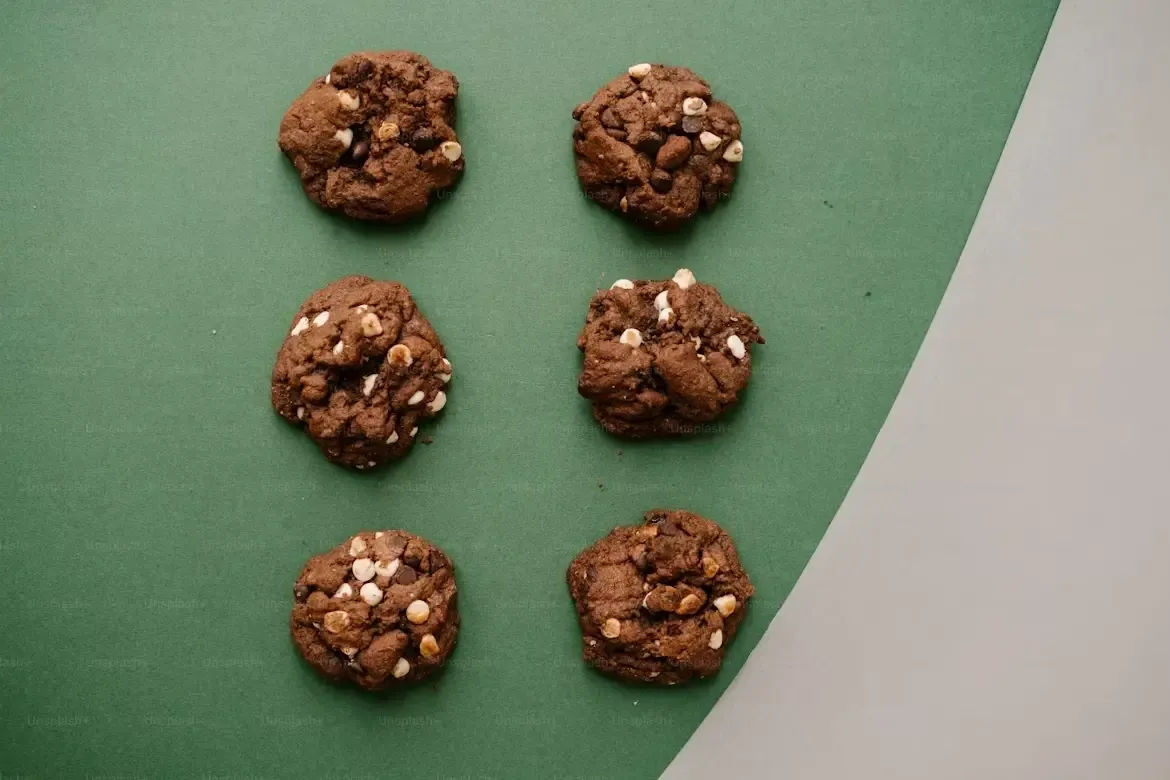
Protein cookies can be useful, but they are still cookies with a nutrition label. The right one can help you bridge a busy afternoon or recover after training; the wrong one is a high-calorie dessert wearing a fitness halo.
Quick Take
- These cookies work best as planned snacks, not as automatic “healthy” foods.
- A better option usually has meaningful protein, useful fiber, moderate calories, and low added sugar.
- After hard training, a cookie with both protein and carbs can be convenient when a meal is not practical.
- Watch for oversized servings, sugar alcohols, and labels that look better on the front than they do on the back.
- Homemade versions can be cheaper and simpler, but store-bought cookies win on convenience.
Are Protein Cookies Actually Healthy?
Sometimes. The better question is whether a specific cookie fits your day, your calorie needs, and your training goal. They are not automatically healthier than regular cookies just because they contain whey, casein, collagen, pea protein, or another protein source.
A useful cookie should solve a real problem. You may need a portable snack, want something more filling than candy, or need protein and carbohydrates after a workout. If you cannot sit down for a meal, the right cookie can help. If you already ate enough protein, fiber, and calories for the day, adding one may simply be extra energy.
For active people, total daily protein matters more than the snack format. The International Society of Sports Nutrition notes that many exercising individuals do well with roughly 1.4 to 2.0 grams of protein per kilogram of body weight per day, depending on training, body size, and goals. A cookie can contribute to that target, but it should not replace the rest of your nutrition.
If you are still building your baseline, start with whole-food protein at meals. BeeFit’s guide to a high-protein meal plan for fat loss and muscle gain can help you see how snacks fit into a full day instead of carrying the whole plan.
When a High-Protein Cookie Makes Sense
The best use case is convenience. A well-chosen cookie can be easier to keep in a gym bag, desk drawer, or car than Greek yogurt, eggs, cottage cheese, or a prepared meal. That matters because the perfect meal you never eat is less useful than a decent snack you can actually use.
After strength training, intervals, long runs, or demanding sport sessions, your body benefits from protein to support muscle repair. Carbohydrates also help restore glycogen. Sports nutrition guidance from the Academy of Nutrition and Dietetics, Dietitians of Canada, and the American College of Sports Medicine supports well-planned nutrition strategies for both performance and recovery.
That does not mean you need to sprint to your locker and eat within 30 minutes. If you ate a protein-containing meal before training, the timing is usually flexible. If you trained fasted, trained hard, or have another session soon, a snack sooner after exercise becomes more practical.
A protein cookie can also help during the afternoon slump if it keeps you from grazing on less satisfying snacks. For more detail on timing around workouts, BeeFit’s guide to pre- and post-workout meals gives a fuller framework.
How to Read the Label Without Getting Played
The front of the package is marketing. The nutrition facts panel and ingredient list are where the truth lives. Some high-protein cookies are reasonably balanced; others are large desserts with enough added protein to justify the claim.
Use these checks before buying:
- Protein: Look for roughly 10–20 grams per serving. Less can still be fine, but it may not be meaningfully different from a regular snack.
- Calories: Check the serving size. Some large cookies contain 350–500 calories, which may be closer to a small meal than a snack.
- Added sugar: Lower is usually better, but do not judge by sugar alone. A “low sugar” cookie can still be high in calories and saturated fat.
- Fiber: Around 3 grams or more can improve satiety, but very high fiber may bother some stomachs, especially before training.
- Ingredients: Prioritize recognizable protein sources, nuts, oats, cocoa, nut butters, or whole-food ingredients when possible.
Be cautious with “net carb” claims if you have diabetes, prediabetes, or a medical reason to manage blood glucose closely. Sugar alcohols and fibers can reduce the listed sugar number, but individual responses vary. If blood sugar management matters for you, test your own response and discuss snack choices with a qualified clinician or registered dietitian.
The Common Pitfalls of Protein Cookies
The first trap is portion size. A regular cookie may look like a treat, while a protein cookie can feel like permission. If the cookie is 420 calories and you eat it in addition to your normal meals, the protein does not erase the calorie surplus.
The second trap is digestive tolerance. Many lower-sugar products use sugar alcohols such as maltitol, sorbitol, erythritol, or xylitol. Food manufacturers can use these ingredients, but the FDA notes that some sugar alcohols, including sorbitol and mannitol, may require labeling about a possible laxative effect with excess consumption. Some people tolerate them well; others get gas, bloating, or urgent bathroom trips.
The third trap is treating processed snacks as nutritional insurance. A cookie with 18 grams of protein does not provide the same range of micronutrients, volume, and food quality as a meal built from lean protein, whole grains, fruit, vegetables, legumes, nuts, or dairy.
Finally, watch the “healthy fat” assumption. Nut butter, coconut oil, chocolate chips, and added oils can all make a cookie taste better, but they also raise calories quickly. That may be useful if you are trying to gain weight. It may be counterproductive if you are trying to stay in a calorie deficit.
Store-Bought vs Homemade: Which Is Better?
Store-bought versions win on convenience, consistency, and shelf life. They are useful when you travel, commute, work long shifts, or need something stable in a gym bag. The tradeoff is that texture and shelf life often require more sweeteners, fibers, oils, and stabilizers.
Homemade versions give you more control. A simple base might include oats, mashed banana, nut butter, protein powder, eggs or flaxseed, and a small amount of chocolate or dried fruit. You can adjust sweetness, calories, allergens, and protein source without relying on a long ingredient list.
Baking with protein powder takes some trial and error. Whey can become dry or rubbery if overused, while plant proteins may create a denser texture. Start with a tested recipe, make a small batch, and avoid assuming that more powder automatically makes a better cookie.
If your main goal is recovery after demanding sessions, you may not need a cookie at all. BeeFit’s article on post-workout carbs and recovery explains why a simple meal or snack with both carbohydrates and protein often does the job better.
A Practical Buying Checklist for Protein Cookies
Before you add protein cookies to your regular routine, decide what job they are supposed to do. A snack for hunger control, a post-workout option, and a dessert replacement do not need the same macros.
For a general high-protein snack, choose one with enough protein to matter, moderate calories, some fiber, and a flavor you actually enjoy. If it tastes like cardboard, you will either avoid it or chase it with something else.
For post-workout use, a little carbohydrate is not a flaw. A cookie with protein and carbs can be more appropriate than a very low-carb option after hard training, especially if your next full meal is hours away.
For weight loss, keep the decision boring and honest: does the cookie help you stay satisfied within your calorie target? If yes, it can fit. If it triggers cravings, adds calories you do not need, or replaces more filling meals, it is probably not helping.
FAQ
Can protein cookies help with weight loss?
They can, but only if they help with appetite and fit your total calorie intake. Protein and fiber may improve fullness, but a large cookie can still make weight loss harder if it adds more energy than you planned.
Are These Cookies Good for People With Diabetes?
Some may fit, but choose carefully. Look at total carbohydrates, fiber, sugar alcohols, calories, and your own blood glucose response. If you use medication or have specific glucose targets, ask your healthcare provider or dietitian.
Can a Protein Cookie Replace a Meal?
Occasionally, in a pinch, it is better than skipping food entirely. As a habit, no. Most protein cookies lack the volume, micronutrients, and food variety you get from a balanced meal.
The Bottom Line
Protein cookies are best treated as a convenience tool: useful in the right context, easy to overrate, and highly dependent on the label. Choose them the way you would choose any snack—by checking the serving size, protein, fiber, sugar, calories, ingredients, and how they affect your appetite.
If they help you stay consistent, recover after training, or avoid less useful snacks, they can earn a place in your routine. If they become a daily dessert with a health claim, the trap is working.
This article is for informational purposes only and is not a substitute for professional medical or dietary advice. Always consult a registered dietitian or healthcare provider before making significant changes to your diet, especially if you have diabetes, digestive issues, kidney disease, or another medical condition.
Discover more from BeeFit: Fitness & Wellness
Subscribe to get the latest posts sent to your email.
Share :