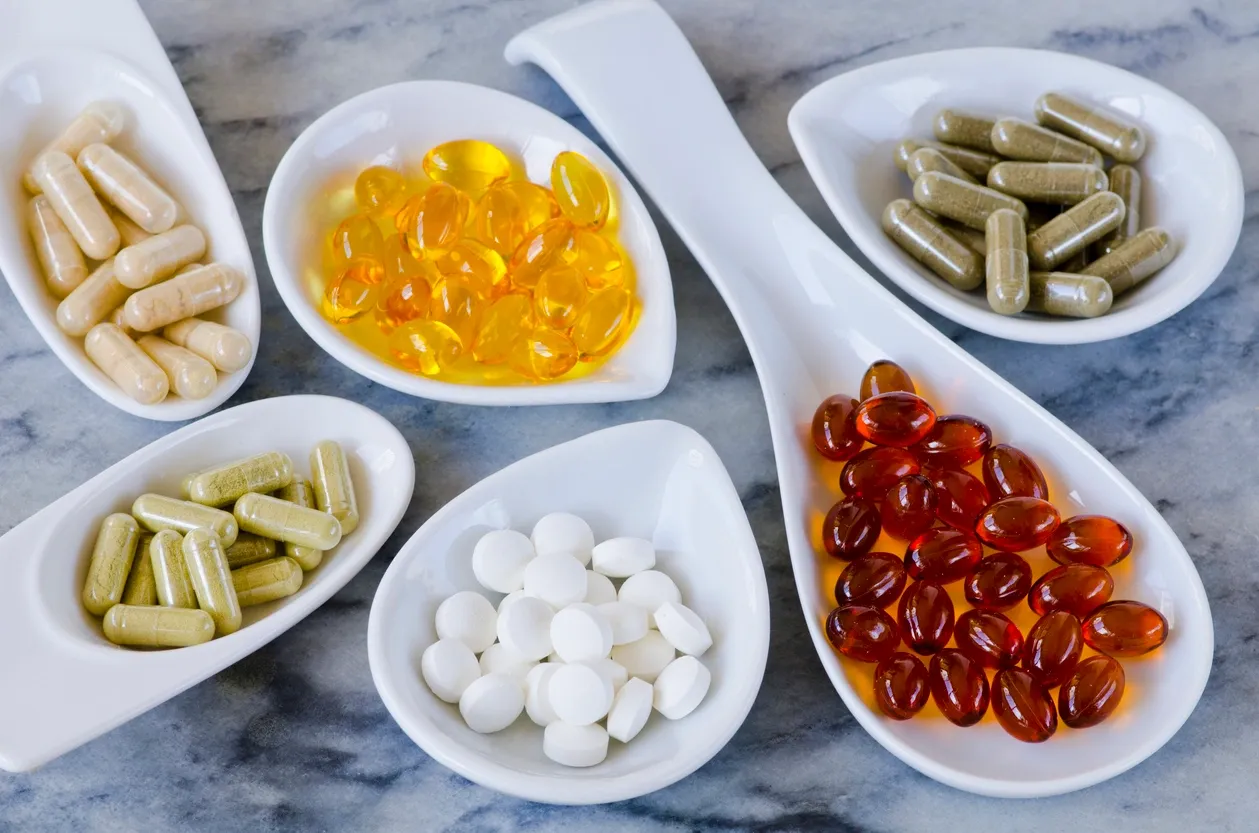
Vitamins for energy can help when a true nutrient gap is part of the problem. However, fatigue is not always a vitamin problem. The best vitamins for energy are the ones that correct a real gap, not the ones that promise a quick boost. Sleep, stress, calorie intake, hydration, training load, hormones, medications, and medical conditions can all affect how energized you feel.
Quick Take
- Vitamins do not give you energy the way caffeine does. They help your body produce and use energy.
- B12, iron, magnesium, vitamin D, folate, potassium, and CoQ10 are often discussed for fatigue.
- Supplements help most when you are low or deficient.
- Whole foods should come first because they provide protein, fiber, minerals, and other nutrients together.
- Iron, vitamin D, B12, and potassium should not be guessed blindly if symptoms are persistent.
- If fatigue lasts more than a few weeks, ask your healthcare provider about bloodwork.
The goal is not to build a giant supplement stack.
A smarter approach is to find the missing link.
Why Vitamins for Energy Depend on Nutrients
Energy is not just a feeling.
Inside your cells, mitochondria convert food into ATP, the energy molecule your body uses for movement, thinking, muscle contraction, and recovery. However, that process depends on nutrients.
For example, some nutrients help carry oxygen. Others help enzymes work. Some support nerve function, muscle contraction, red blood cells, or thyroid and immune function.
As a result, when intake is low, absorption is poor, or demand is higher than usual, fatigue can show up.
Fatigue has many causes. Nutrients are one piece of the puzzle, not the whole puzzle.
Vitamin B12: Blood, Nerves, and Fatigue
Vitamin B12 helps keep blood and nerve cells healthy. It also helps make DNA and supports red blood cell production.
Therefore, low B12 can lead to megaloblastic anemia, a condition that can make people feel tired and weak. The NIH Office of Dietary Supplements notes that B12 deficiency can cause fatigue, neurological changes, and anemia-related issues: NIH vitamin B12 fact sheet.
Best food sources
- Salmon
- Sardines
- Tuna
- Beef
- Eggs
- Milk
- Greek yogurt
- Fortified cereals
- Nutritional yeast fortified with B12
Who is more likely to be low
- Vegans
- Vegetarians with low fortified-food intake
- Adults over 50
- People with low stomach acid
- People with pernicious anemia
- People with certain digestive disorders
- People taking metformin or long-term acid-reducing medication
Smart move
For that reason, do not guess. Ask for B12 testing if fatigue comes with numbness, tingling, memory changes, weakness, balance issues, or anemia.
Iron: Oxygen Delivery and Stamina
Next, iron helps make hemoglobin, the protein in red blood cells that carries oxygen.
When iron is low, oxygen delivery can suffer as well. That can make daily tasks, workouts, and even normal mornings feel harder than they should.
The NIH explains that iron is needed for hemoglobin and that deficiency can lead to anemia and fatigue-related symptoms: NIH iron fact sheet.
Best food sources
- Beef
- Chicken
- Turkey
- Sardines
- Lentils
- Beans
- Spinach
- Pumpkin seeds
- Fortified grains
Who is more likely to be low
- Women with heavy periods
- Pregnant people
- Endurance athletes
- Vegetarians and vegans
- People with digestive disorders
- People with chronic blood loss
- People with low total food intake
Important caution
Importantly, do not take iron “just for energy” without testing.
Too much iron can be harmful. Ask about ferritin, hemoglobin, and a full iron panel if fatigue is persistent.
Better absorption tip
Pair plant-based iron foods with vitamin C.
Example: lentils with peppers, spinach with lemon, or beans with salsa.
How Magnesium Supports Muscles, Nerves, and Sleep
Magnesium is involved in more than 300 enzyme systems in the body, including reactions related to muscle and nerve function, blood glucose control, blood pressure regulation, and protein synthesis. NIH magnesium fact sheet.
Rather than working like a stimulant, it supports systems that help your body function smoothly.
Instead, it supports systems that help your body function smoothly.
Best food sources
- Pumpkin seeds
- Almonds
- Cashews
- Black beans
- Spinach
- Dark chocolate
- Whole grains
- Avocado
Signs intake may be low
- Muscle cramps
- Poor sleep
- Low intake of nuts, seeds, beans, and greens
- High training volume
- High alcohol intake
- Long-term low-calorie dieting
Supplement note
Magnesium glycinate or citrate may be easier to tolerate than magnesium oxide for some people. Too much can cause diarrhea.
People with kidney disease should not supplement magnesium without medical guidance.
Vitamin D: Muscle, Bone, and Mood Support
In addition, vitamin D supports bone health, immune function, and muscle function.
Low vitamin D is common in people with limited sun exposure, darker skin, winter climates, older age, obesity, or certain absorption issues.
Vitamin D is not a guaranteed energy fix, but deficiency can be associated with fatigue, muscle weakness, and low mood in some people.
Mayo Clinic notes that vitamin D helps the body absorb calcium and supports muscles, brain cells, and immune health: Mayo Clinic vitamin D overview.
Best sources
- Sunlight exposure
- Salmon
- Sardines
- Egg yolks
- Fortified milk
- Fortified plant milk
- Fortified cereals
Smart move
Ask for a 25-hydroxy vitamin D blood test if you suspect low levels.
Do not megadose vitamin D without guidance. More is not always better.
Folate: Red Blood Cells and Brain Support
Similarly, folate, also called vitamin B9, works with B12 in red blood cell formation and other processes related to DNA and cell growth.
Low folate can contribute to anemia-related fatigue.
Best food sources
- Spinach
- Romaine
- Asparagus
- Beans
- Lentils
- Avocado
- Fortified grains
- Oranges
Who may need attention
- People with low vegetable intake
- Pregnant people or people planning pregnancy
- People with alcohol overuse
- People with certain digestive conditions
- People taking certain medications
Important caution
High folic acid intake can mask B12 deficiency. That is one reason testing matters when fatigue is persistent.
CoQ10: Not a Vitamin, But Still Relevant
Also, CoQ10 is not a vitamin or mineral. It is a compound naturally present in the body and involved in mitochondrial energy production.
The NIH National Center for Complementary and Integrative Health notes that CoQ10 is naturally present in the human body and is sold as a dietary supplement: NCCIH CoQ10 overview.
Some research suggests CoQ10 may help fatigue in certain groups, but it is not a universal energy supplement.
Food sources
- Organ meats
- Fatty fish
- Meat
- Whole grains
- Nuts
- Seeds
Who may ask about it
- People taking statins with muscle symptoms
- Older adults
- People with specific medical conditions
- Athletes curious about performance support
Caution
CoQ10 can interact with some medications, including blood thinners. Ask a healthcare professional before using it if you take medication.
Potassium: Electrical Signals for Muscles
Finally, potassium is an electrolyte that supports nerve transmission, muscle contraction, heart function, and fluid balance.
Low potassium can contribute to fatigue, muscle weakness, and cramping. The NIH notes that mild hypokalemia can include fatigue and muscle weakness: NIH potassium fact sheet.
Best food sources
- Potatoes
- Sweet potatoes
- Beans
- Lentils
- Bananas
- Yogurt
- Spinach
- Avocado
- Tomato products
Important caution
Potassium supplements are not something to experiment with casually.
Too much potassium can be dangerous, especially for people with kidney disease or people taking certain blood pressure medications.
Get potassium mainly from food unless your clinician tells you otherwise.
Food First Before Vitamins for Energy
Before buying supplements, fix the plate.
A strong energy-supporting meal usually includes:
- Protein
- Fiber-rich carbohydrates
- Healthy fats
- Colorful plants
- Enough total calories
- Hydration
Example meals
- Eggs, oatmeal, berries, and Greek yogurt
- Salmon, potatoes, spinach, and olive oil
- Lentil bowl with rice, avocado, and peppers
- Greek yogurt with nuts, berries, and chia seeds
- Chicken, beans, vegetables, and sweet potato
- Tofu stir-fry with rice and leafy greens
Low energy can come from eating too little, not just missing one vitamin.
If you are training hard, dieting aggressively, skipping breakfast, or cutting carbs too low, fatigue may be a fuel issue.
When Vitamins for Energy Are Not Enough
Supplements make the most sense when you know what is low.
Ask your healthcare provider about testing if fatigue is:
- Persistent
- New or unusual
- Getting worse
- Paired with dizziness
- Paired with shortness of breath
- Paired with hair loss
- Paired with heavy periods
- Paired with numbness or tingling
- Paired with poor sleep despite enough time in bed
- Affecting workouts or daily life
Common labs to discuss:
- Complete blood count
- Ferritin and iron panel
- Vitamin B12
- Folate
- 25-hydroxy vitamin D
- Thyroid markers
- Metabolic panel
- A1C or fasting glucose when appropriate
Do not self-diagnose serious fatigue from a blog post.
Use the article as a starting point for better questions.
Common Mistakes
Mistake 1: Taking iron without testing
Iron can help if you are low. It can harm if you do not need it.
Mistake 2: Assuming more vitamin D is better
Vitamin D is important, but high-dose supplementation should be guided by bloodwork.
Mistake 3: Ignoring sleep
No supplement beats consistent sleep.
Mistake 4: Under-eating while training hard
If calories and carbs are too low, fatigue is expected.
Mistake 5: Treating caffeine as energy
Caffeine can increase alertness, but it does not replace nutrients, sleep, or recovery.
Mistake 6: Buying a giant “energy blend”
Most blends are underdosed, overpriced, or built around stimulants.
Vitamins for Energy FAQ
What are the best vitamins for energy?
The most relevant nutrients include B12, iron, magnesium, vitamin D, folate, potassium, and sometimes CoQ10. They help most when intake is low or a deficiency is present.
Should I take a multivitamin for energy?
A multivitamin may help fill small gaps, but it is not a cure for fatigue. Food, sleep, hydration, and medical testing matter more.
What deficiency causes the most fatigue?
Iron deficiency and B12 deficiency are common causes of fatigue, but fatigue has many possible causes. Bloodwork is the safest way to know.
Does vitamin D give you energy?
Vitamin D does not act like caffeine. It may help if you are deficient, but taking extra vitamin D when levels are normal may not change energy.
Is magnesium good for energy?
Magnesium supports muscle and nerve function and many enzyme systems. It may help if intake is low, but it is not a stimulant.
Is CoQ10 good for fatigue?
CoQ10 may help some people, especially in certain medical contexts, but it is not a universal fix. Ask a clinician if you take medications.
Can potassium help workout fatigue?
Potassium supports muscle and nerve function, but most people should focus on potassium-rich foods rather than supplements.
When should I see a doctor for fatigue?
See a healthcare professional if fatigue is persistent, severe, sudden, worsening, or paired with symptoms like dizziness, shortness of breath, chest pain, fainting, unexplained weight change, numbness, or heavy bleeding.
Bottom Line on Vitamins for Energy
Vitamins for energy are not about chasing a stimulant effect.
They are about giving your body the nutrients it needs to make energy properly.
Start with food:
- Eggs
- Fish
- Greek yogurt
- Beans
- Lentils
- Leafy greens
- Nuts and seeds
- Potatoes
- Fortified grains
- Fruits and vegetables
Then look at the bigger picture:
- Sleep
- Stress
- Hydration
- Calories
- Protein
- Training load
- Bloodwork
Supplements can help when a real gap exists.
However, if fatigue keeps coming back, do not keep guessing.
Get tested, fix the root cause, and build your energy from the ground up.
For a personalized nutrition and training plan based on your goals, schedule, equipment, and food preferences, try the BeeFit AI Calculator.
Related BeeFit Guides
- Oatmeal vs Eggs
- Food Quality vs Calories
- Muscle Recovery Supplements
- Strength Training After 40
- BeeFit AI Calculator
This article is for informational purposes only and is not medical advice. Fatigue can have many causes, including medical conditions, sleep disorders, medication effects, anemia, thyroid issues, infections, mood disorders, and nutrient deficiencies. Talk with a qualified healthcare professional before starting supplements or making major diet changes, especially if you are pregnant, nursing, taking medication, managing kidney disease, heart disease, anemia, or a chronic health condition.
Discover more from BeeFit: Fitness & Wellness
Subscribe to get the latest posts sent to your email.
Share :