Quick Take
- A daily caloric deficit of 300 to 500 calories below your Total Daily Energy Expenditure is associated with steady, sustainable fat loss of approximately 0.5 to 1 pound per week.
- Resistance training three times per week helps preserve lean muscle mass during a caloric deficit, which protects your resting metabolic rate.
- Combining zone 2 steady-state cardio with higher-intensity sessions across the week may support fat loss while limiting central nervous system fatigue.
- Sleep and hydration are underrated fat loss variables: poor sleep disrupts hunger hormones, and inadequate hydration may reduce metabolic efficiency.
You want to lose fat fast. But most “shredding” advice ignores the biology of how fat loss actually works, which means most people end up losing muscle, slowing their metabolism, and regaining the weight they lost.
The good news is that research gives us a clear framework. Fat loss comes down to a small number of variables, done consistently. Get those right, and your body does the rest.
Here is what the science says, and how to apply it starting today.
Does a Caloric Deficit Actually Work for Fat Loss?
Yes. A caloric deficit is the non-negotiable foundation of fat loss. No training program or supplement can override it.
When you consume fewer calories than your body expends, it draws on stored body fat for energy. That is how fat loss happens. The question is not whether a deficit works, but how large it should be.
A review of weight loss strategies published in PMC found that deficits of 500 to 750 calories per day are recommended by major obesity and nutrition guidelines and are associated with clinically meaningful fat loss.
“Deficits of 500 to 750 calories per day have been used for weight loss and are recommended by many obesity societies and guidelines.” (Optimal Diet Strategies for Weight Loss, PMC, 2021)
A separate PubMed study found that individuals who averaged a deficit exceeding 500 calories per day lost nearly four times as much weight as those whose deficit stayed below that threshold. A 300 to 500 calorie deficit per day is a reasonable and sustainable target for most people. Larger deficits tend to increase muscle loss and are harder to maintain.
To find your target: calculate your Basal Metabolic Rate using the Mifflin-St Jeor formula, then multiply by your activity level to get your Total Daily Energy Expenditure (TDEE). Eat 300 to 500 calories below that number daily.
Your Application
- Track your intake for at least two weeks to establish a baseline before cutting.
- Aim for a deficit of 300 to 500 calories per day, not 1,000 or more. Aggressive cuts increase muscle loss and metabolic adaptation.
- Recalculate your TDEE every four to six weeks as your body weight changes, because your caloric needs decrease as you lose weight.
Should You Prioritize Whole Foods Over Processed Foods When Cutting?
Yes. The type of calories you eat affects hunger, energy, and body composition even when total calories are matched.
A 2019 study found that participants who ate freely from a diet of ultra-processed foods consumed approximately 500 more calories per day than those eating minimally processed foods. The mechanism: processed foods are engineered to override satiety signals, making it harder to regulate intake naturally.
“People who ate as much or as little as they wanted took in 500 more calories per day on a diet containing highly processed foods than on a diet containing minimally processed foods.” (Hall et al., 2019, cited in Healthline Calorie Deficit review)
When cutting calories, whole foods do the heavy lifting for you. Vegetables, lean proteins like chicken, fish, eggs, and tofu, fruits, and healthy fats keep you full at a lower caloric cost than packaged alternatives. Healthy fats are calorie-dense, so track them. A single tablespoon of olive oil carries around 120 calories, and a handful of mixed nuts can easily hit 200. These are valuable nutrients, but portion awareness matters during a cut.
Alcohol deserves special mention. Beyond its empty calories, alcohol impairs sleep quality, disrupts recovery hormones, and is associated with increased appetite the following day. Cutting it during a dedicated fat loss phase is one of the highest-return changes you can make.
Your Application
- Build meals around lean protein first (chicken, fish, eggs, Greek yogurt, tofu), then vegetables, then complex carbohydrates.
- Measure calorie-dense foods like nuts, oils, and nut butters rather than eyeballing portions.
- Reduce alcohol during a shredding phase. Even one to two drinks per night can meaningfully undermine a caloric deficit.
Does Steady-State Cardio Actually Burn More Fat Than High-Intensity Training?
Each serves a different purpose. Both belong in a structured fat loss plan.
Zone 2 cardio, defined as roughly 60 to 70 percent of your maximum heart rate, relies primarily on fat as its fuel source and places minimal stress on the central nervous system. This makes it sustainable on a daily basis without impairing recovery. Activities like brisk walking, a moderate-paced bike ride, or easy rowing all qualify.
Higher-intensity work in zones 4 and 5, like sprint intervals or metabolic conditioning, burns more total calories per unit of time and produces a post-exercise calorie burn effect known as EPOC (excess post-exercise oxygen consumption). However, this type of work demands significantly more recovery.
A practical weekly cardio framework that distributes effort across zones looks like this: prioritize zone 2 work most days for sustainable daily caloric output, include one or two higher-intensity sessions per week to maximize total calorie burn, and use low-intensity active recovery on one day to maintain movement without adding fatigue.
“The goal is to work in all zones for heart health while prioritizing fat-burning zones living in 60 to 70 percent of your max heart rate.” (Bodybuilding.com, The Ultimate Shredding Guide)
Your Application
- Add 30 to 60 minutes of zone 2 cardio on most days. Walking, cycling, and the stair machine all count.
- Include one or two higher-intensity sessions per week, such as 20 minutes of interval work or a metabolic circuit.
- Use active recovery walks on rest days rather than complete inactivity. Movement accelerates fat loss without adding recovery debt.
Does Strength Training Help With Fat Loss, or Just Muscle Building?
Both. Resistance training during a caloric deficit is one of the most important tools for preserving lean muscle while losing fat.
When you are in a deficit, your body breaks down both fat and muscle for energy. Strength training sends a protective signal that muscle is needed, which reduces the proportion of lean mass lost during the cut. Research published in the American Journal of Clinical Nutrition found that subjects who combined strength training with a caloric deficit lost significantly less fat-free mass than those who dieted with cardio alone or without exercise.
On the metabolic side, research in the Journal of Applied Physiology found that a 16-week heavy-resistance training program increased resting metabolic rate by 7.7 percent in participants, attributed to gains in fat-free mass and elevated sympathetic nervous system activity.
“Body fat decreased and fat-free mass increased. Resting metabolic rate increased 7.7% with strength training.” (Pratley et al., Journal of Applied Physiology, 1994)
Three full-body or split sessions per week is sufficient to preserve and potentially build muscle while in a fat loss phase. Compound lifts like squats, deadlifts, rows, and presses recruit the most muscle mass per session and provide the strongest preservation signal.
Your Application:
- Lift at least three times per week during a cut. Do not drop resistance training to add more cardio.
- Prioritize compound movements: back squats, deadlifts, Romanian deadlifts, rows, and overhead press.
- Maintain or slightly increase protein intake during a cut. Research suggests 1.6 to 2.2 grams of protein per kilogram of body weight helps preserve lean mass during caloric restriction.
Does Sleep Really Matter for Fat Loss?
More than most people realize. Sleep deprivation disrupts two key hunger hormones, ghrelin and leptin, in ways that directly undermine fat loss efforts.
Ghrelin stimulates appetite. Leptin signals satiety. Research consistently shows that insufficient sleep raises ghrelin levels and suppresses leptin, creating a hormonal environment that increases hunger and reduces the feeling of fullness. For someone already in a caloric deficit, this combination makes adherence significantly harder.
Beyond hunger hormones, sleep is also when the body performs the majority of its tissue repair and growth hormone release, both of which are critical for preserving muscle during a cut. Seven to nine hours of sleep per night is not optional during an aggressive fat loss phase. It is part of the protocol.
Hydration is similarly undervalued. Adequate water intake supports metabolic function, helps regulate appetite, and reduces water retention that can mask fat loss on the scale. Starting the day with a glass of water and aiming for two to three liters throughout the day is a practical target for most people.
Your Application
- Prioritize 7 to 9 hours of sleep per night during a fat loss phase. This is not a luxury; it directly affects the hormones governing hunger and recovery.
- If sleep is disrupted, address it before adding more training volume. More training on poor sleep often increases cortisol and muscle breakdown.
- Drink 2 to 3 liters of water daily. A glass of water before meals may also reduce caloric intake by improving pre-meal satiety signals.
FAQ: Your Fat Loss Questions, Answered
Q: How fast can I realistically lose fat without losing muscle?
A: A rate of 0.5 to 1 pound per week is widely considered the evidence-based sweet spot for fat loss that minimizes lean mass loss. Faster rates of loss are associated with greater muscle breakdown, especially without adequate protein intake and resistance training.
Q: Should I do cardio before or after strength training?
A: For most people focused on muscle preservation during a cut, strength training before cardio is preferable. Doing cardio first depletes glycogen and may reduce the quality of your lifting session, which compromises the muscle-preserving signal you are trying to send. If you prefer separate sessions, that works well too.
Q: Do fat burner supplements actually work?
A: Some ingredients, such as caffeine, are well-supported by research for modestly increasing energy expenditure and improving training performance. Most fat burner supplements provide small, incremental benefits at best. They work as a complement to a solid nutrition and training plan, not as a replacement for one. Always check with a healthcare provider before adding any supplement.
Q: Is fasted cardio better for fat loss?
A: Research does not consistently support fasted cardio as superior for fat loss when total caloric intake is matched. Total daily energy balance matters more than timing. However, some people find fasted cardio easier to schedule or tolerate, which makes it a reasonable preference rather than a metabolic necessity.
Q: How important is protein during a cut?
A: Very important. Protein has the highest thermic effect of any macronutrient (20 to 30 percent of its calories are burned during digestion), it preserves lean muscle during a deficit, and it is the most satiating macronutrient. Most research on fat loss with muscle preservation supports a target of 1.6 to 2.2 grams per kilogram of body weight per day.
The Bottom Line
Fat loss does not require extreme measures. It requires a consistent moderate caloric deficit, whole food nutrition, three strength sessions per week, daily movement across varying intensities, adequate protein, enough sleep, and enough water. These are not glamorous variables. But they are the ones the research consistently supports.
Get those fundamentals locked in first. From there, supplements and fine-tuning can add small incremental gains. But there is no shortcut past the basics.
For a deeper look at how to structure your protein intake during a cut, explore our guide to evidence-based nutrition at BeeFit.ai.
This article is for informational purposes only and is not a substitute for professional medical advice, diagnosis, or treatment. Always consult with a qualified healthcare provider before starting any new exercise or nutrition program.
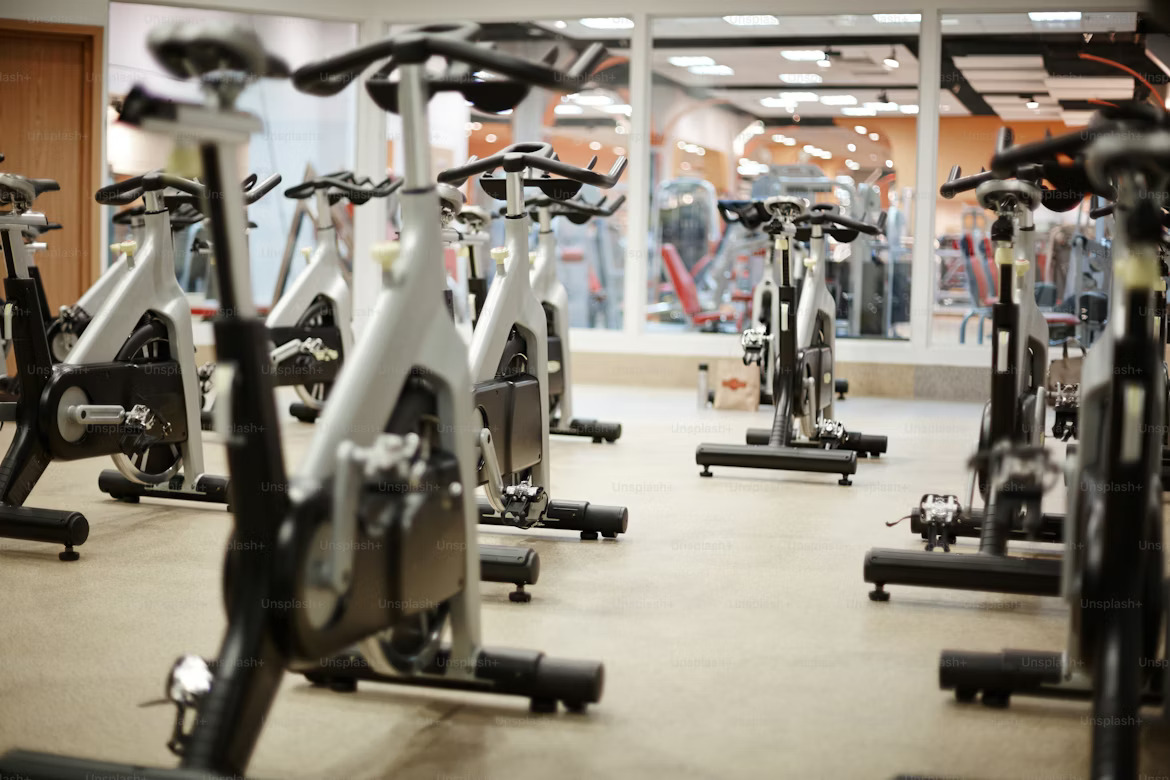
Photo: Nikola Gladovic / Unsplash