BeeFit: Fitness & Wellness

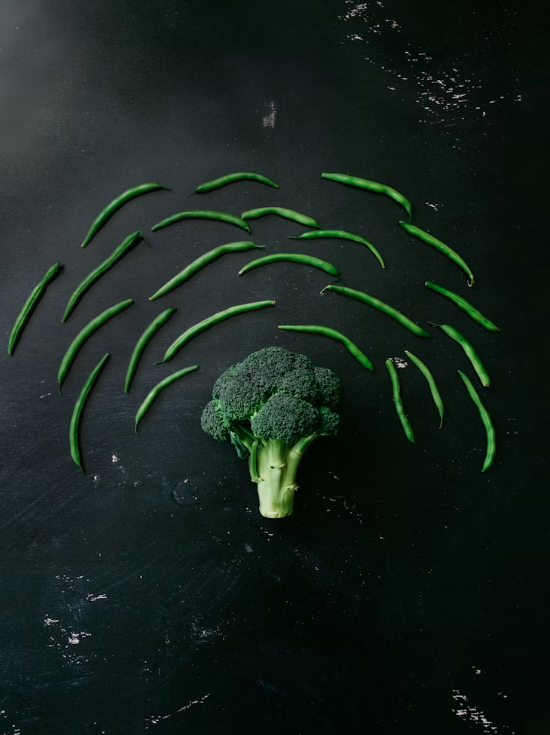
Broccoli Without Waiting Is Wasted. Fix It.

Quick Take

  • Let chopped broccoli rest 40 minutes before cooking to maximize the production of sulforaphane, a potent anti-cancer compound.
  • Switch from non-stick to stainless steel or ceramic cookware to avoid PFAS “forever chemicals” that can disrupt metabolism and hormones.
  • Always pair turmeric with black pepper; the piperine in pepper boosts curcumin absorption by up to 2000%, dramatically increasing its anti-inflammatory benefits.
  • Prioritize fiber from legumes (lentils, chickpeas); studies show legume fiber is associated with a significantly greater reduction in colon cancer risk compared to other fibers.

In the pursuit of health, we often overlook the profound power of daily habits. What if the most impactful “supplements” for longevity aren’t in a bottle, but are already in your kitchen? This isn’t about exotic superfoods or complex recipes; it’s about applying simple, science-backed principles to unlock the hidden potential in everyday meals.

By making a few deliberate adjustments to how you prepare and combine foods, you can transform your cooking routine into a strategic foundation for a longer, healthier life. Here are four powerful, evidence-based kitchen hacks that leverage food science for measurable health benefits.

Should You Really Let Chopped Broccoli Sit Before Cooking?

Direct Answer
Yes. Allowing chopped broccoli, cauliflower, or other cruciferous vegetables to rest for 30-40 minutes before cooking dramatically increases the formation of sulforaphane, a powerful, health-protective compound.

Explanation & Evidence
Chopping these vegetables activates an enzyme called myrosinase. This enzyme converts precursor compounds into sulforaphane, but heat rapidly destroys it. The resting period gives the enzyme time to work before cooking halts the process.

Research highlights sulforaphane as “one of the strongest anti-cancer compounds you can find in food,” with studies also pointing to its benefits for detoxification and metabolic health.


Analysis & Application
Make this a prep habit: chop your broccoli first when you start cooking. Let it sit on the cutting board while you prepare other ingredients. This small timing shift ensures you get the maximum bioactive benefit from your vegetables, turning a simple side dish into a functional food.

Is Your Non-Stick Pan a Hidden Source of Toxins?

Direct Answer
Very likely. Conventional non-stick cookware can release per- and polyfluoroalkyl substances (PFAS) when heated—persistent chemicals linked to long-term health risks. Switching to stainless steel, cast iron, or certified ceramic non-stick is a safer choice.

Explanation & Evidence
PFAS are “forever chemicals” that accumulate in the body and environment. Heating non-stick coatings, especially if scratched or overheated, can cause these chemicals to leach into food and air.

Studies indicate that exposure to PFAS can have a negative impact, potentially “messing with your metabolism, hormones, and fertility.” Choosing your cookware is a foundational step in creating a non-toxic kitchen.


Analysis & Application
Invest in high-quality stainless steel or enameled cast iron for most cooking. For eggs or delicate foods, use a well-seasoned cast iron pan or a reputable ceramic non-stick option. This change reduces your daily exposure to metabolic disruptors, supporting your body’s natural systems.

Why is Turmeric Useless Without Black Pepper?

Direct Answer
Curcumin, the active compound in turmeric, is poorly absorbed. Piperine, a compound in black pepper, inhibits its metabolism in the gut, boosting curcumin’s bioavailability by up to 2000%, making its anti-inflammatory effects possible.

Explanation & Evidence
Without piperine, most curcumin passes through your system unused. Piperine slows the liver’s process of breaking down curcumin, allowing it to remain in the bloodstream longer and at higher levels.

This synergy means the “antioxidant, anti-inflammatory, and metabolic benefits last longer.” It’s a prime example of food synergy, where combining ingredients creates an effect greater than the sum of its parts.


Analysis & Application
Never use turmeric alone. Always add a generous pinch of black pepper (about a 1:10 ratio of pepper to turmeric). This applies to golden milk, curries, soups, and even scrambled eggs. For a concentrated boost, look for curcumin supplements that include piperine or BioPerine®.

Are Lentils and Chickpeas Superior to Other Fibers?

Direct Answer
For specific, powerful health outcomes, yes. While all fiber is beneficial, the unique fiber and resistant starch in legumes (beans, lentils, chickpeas) are associated with a disproportionately greater reduction in the risk of serious conditions like colon cancer.

Explanation & Evidence
Legume fiber fosters a gut environment that produces protective compounds like butyrate. Research quantifying this benefit shows a striking difference.

One analysis found that consuming 10 grams of legume fiber daily was linked to a 32% reduction in colon cancer risk, compared to just a 10% reduction from the same amount of other dietary fibers. This highlights the importance of source-specific nutrition.


Analysis & Application
Aim to integrate legumes into multiple meals each week. Add lentils to bolognese, toss chickpeas into salads, blend white beans into soups, or enjoy hummus. This moves legumes from an occasional ingredient to a dietary staple, leveraging their unique protective properties.

Your Longevity Kitchen Questions, Answered

Q: Do other vegetables need to rest like broccoli?
A: This principle applies to all cruciferous vegetables, including cauliflower, Brussels sprouts, kale, cabbage, and bok choy. Chopping or crushing them activates the myrosinase enzyme needed to form beneficial compounds like sulforaphane.

Q: What’s the safest non-stick alternative for beginner cooks?
A: A high-quality ceramic non-stick pan (from a reputable brand) or a well-seasoned carbon steel wok are excellent, forgiving options. For versatility, a tri-ply stainless steel saucepan is a foundational piece that, with proper preheating, provides excellent non-stick performance for many foods.

Q: If I take a curcumin supplement, do I still need black pepper?
A: Check the label. High-quality curcumin supplements must include a bioavailability enhancer. This is often piperine (black pepper extract), listed as BioPerine®. If it’s not included, the supplement is likely to be ineffective. Taking it with a meal containing black pepper can help.

Q: I get bloated from beans. How can I eat more legumes?
A: Start small (1-2 tablespoons daily) and increase gradually to let your gut microbiome adapt. Always rinse canned beans thoroughly. Soaking dried beans and discarding the soaking water before cooking can also reduce gas-producing compounds. Using digestive spices like cumin, ginger, or fennel in your recipes can help.

Transforming your health doesn’t require a complete diet overhaul. As these four hacks demonstrate, small, strategic shifts in your kitchen routine can yield disproportionately large benefits for your long-term well-being. By focusing on food preparation, cooking tools, powerful synergies, and superior ingredient choices, you build a diet that actively works to protect and enhance your vitality for years to come.

Ready to build more science-backed habits for lasting health? Explore further insights and personalized guidance at BeeFit.ai.

This article is for informational purposes only and is not a substitute for professional medical or nutritional advice. Always consult with a healthcare provider before making significant changes to your diet.
Beyond the Biceps: 3 Ways Protein Supercharges Your Longevity

Quick Take

  • High protein intake when replacing carbohydrates is associated with 11% lower dementia risk for animal protein and 26% lower risk for plant protein.
  • Protein acutely decreases hunger hormone ghrelin by an average of 20 pg/mL while increasing satiety hormone peptide YY by approximately 30 pg/mL.
  • Adequate protein intake (0.7-1.0g per pound body weight) combined with resistance training prevents age-related muscle loss that drives metabolic decline and injury risk.
  • The satiety effect from protein works through hormonal mechanisms rather than just stomach fullness, making it more effective than simple calorie restriction alone.

Why Protein Deserves More Attention Than It Gets

Are you still thinking of protein as just a post-workout supplement for bodybuilders? This outdated view ignores decades of research demonstrating protein’s critical roles in appetite regulation, metabolic health, and cognitive function.

The nutrition industry has focused extensively on fat and carbohydrates while treating protein as a fixed requirement to meet rather than a powerful tool to optimize. This overlooks compelling evidence about protein’s unique effects on satiety hormones, muscle preservation, and long-term brain health.

What if prioritizing protein intake could simultaneously address weight management, metabolic disease risk, and cognitive decline? Let’s examine what current research reveals about protein’s surprising benefits beyond muscle building.

Does Protein Really Build Muscle Better Than Other Macronutrients?

Yes. Protein provides essential amino acids required for muscle protein synthesis, and adequate intake (0.7-1.0g per pound body weight) combined with resistance training prevents age-related muscle loss while supporting new muscle growth.

Muscle tissue isn’t just for appearance or strength. It functions as a metabolically active organ that improves glucose disposal, supports immune function, and provides structural protection against injury, particularly critical for older adults.

The concept of “muscle as medicine” recognizes that maintaining muscle mass reduces risk of metabolic syndrome, non-alcoholic fatty liver disease, type 2 diabetes, and cardiovascular disease independent of body weight.

“Improving body composition through adequate protein and resistance training is a powerful preventative tool against obesity-related conditions including metabolic syndrome and type 2 diabetes.” (2020, Journal of Applied Physiology review on protein and metabolic health) 


Without adequate protein, resistance training stimulus cannot translate into actual muscle tissue gains. The amino acids from dietary protein provide the literal building blocks your body assembles into new muscle proteins.

Your Application

  • Consume 0.7-1.0 grams of protein per pound of body weight daily, spread across 3-4 meals
  • Prioritize complete protein sources (animal proteins or complementary plant combinations) to ensure all essential amino acids
  • Combine protein intake with progressive resistance training 2-3 times weekly for muscle building

Can Protein Actually Control Hunger Through Hormones?

Yes. Protein intake acutely decreases ghrelin (hunger hormone) by approximately 20 pg/mL while increasing cholecystokinin and GLP-1 (satiety hormones), creating measurable appetite suppression within hours.

A meta-analysis of 49 acute feeding studies found protein decreased hunger ratings by 7mm on visual analogue scales, increased fullness by 10mm, and reduced prospective food consumption by 5mm compared to isocaloric carbohydrate or fat meals.

“Acute ingestion of protein suppressed appetite as evidenced by decreased sensation of hunger, desire to eat, and prospective food consumption, while simultaneously decreasing ghrelin and increasing cholecystokinin and GLP-1 concentrations.” (2020, Meta-analysis in Physiology & Behavior) 


The mechanism involves protein triggering release of peptide YY (PYY) and GLP-1 from intestinal L-cells. These hormones signal the brain’s satiety centers while also slowing gastric emptying, creating prolonged fullness.

Your Application

  • Include 25-35 grams of protein at each meal to maximize hormonal satiety effects
  • Use protein-rich snacks (Greek yogurt, hard-boiled eggs, nuts) instead of high-carb options when hungry between meals
  • Front-load protein at breakfast to reduce total daily calorie intake through enhanced satiety

Does High Protein Intake Really Reduce Dementia Risk?

Yes. Large-scale prospective studies show that replacing carbohydrate calories with protein is associated with significantly lower dementia risk, with plant protein showing particularly strong protective effects.

A Harvard study published in The American Journal of Clinical Nutrition followed over 77,000 adults for more than 20 years. The findings were striking and dose-dependent based on protein source.

“For every 5% of calories from animal protein replacing carbohydrates, there was an 11% lower risk of developing dementia. For every 5% of calories from plant protein replacing carbohydrates, there was a 26% lower risk.” (2022, The American Journal of Clinical Nutrition) 


Beans and legumes showed particularly strong protective associations, with peas and lima beans linked to 28% lower cognitive decline risk for every additional three servings weekly.

Your Application

  • Gradually shift 5-10% of daily calories from refined carbohydrates to protein sources over weeks
  • Prioritize plant proteins (beans, lentils, peas, nuts) for cognitive protection while maintaining some fish and poultry
  • Include legumes in meals 3-4 times weekly, emphasizing variety across different types

Which Protein Sources Are Best for Brain Health?

Both animal and plant proteins show cognitive benefits when replacing carbohydrates, but plant protein demonstrates stronger protective effects in long-term studies, possibly due to synergistic nutrients.

Fish protein specifically showed independent association with lower cognitive decline risk in a 9-year study of Chinese adults. One or more servings of fish weekly was associated with reduced cognitive decline rates.

The superior performance of plant protein likely stems from the nutrient package it delivers. Plant proteins come bundled with fiber, antioxidants, polyphenols, and phytonutrients that independently support brain health through anti-inflammatory and vascular protective mechanisms.

Poultry protein also showed protective effects in prospective studies, while red meat, dairy, and eggs showed no independent association with cognitive decline when other factors were controlled.

Your Application

  • Build meals around fish (salmon, sardines, mackerel) 2-3 times weekly for omega-3s and quality protein
  • Include variety of legumes (black beans, chickpeas, lentils, peas) daily for plant protein with protective nutrients
  • Use poultry as secondary animal protein source rather than relying primarily on red meat

Do Protein Powders Work as Well as Whole Foods?

Protein powders and whole foods both provide amino acids that your body uses identically for muscle protein synthesis. However, whole foods deliver additional nutrients that powders cannot replicate.

The main differences involve bioavailability, amino acid profiles, and nutrient context. Whey protein has excellent bioavailability and complete amino acid profile. Plant protein powders often need blending (pea plus rice) to achieve complete amino acid profiles.

Whole food protein sources provide vitamins, minerals, fiber (in plant sources), and often healthy fats that create satiety beyond just the protein content. A chicken breast delivers protein plus B vitamins, selenium, and other micronutrients.

From a practical standpoint, protein powder excels as a convenient tool for meeting protein targets when whole food options are unavailable or when total calorie budget is constrained.

Your Application

  • Prioritize whole food protein sources for 75-80% of daily protein intake for nutrient completeness
  • Use quality protein powder (whey, casein, or pea/rice blend) strategically when convenient or needed to hit targets
  • Choose powders with minimal ingredients and third-party testing (NSF Certified for Sport, Informed Choice)

How Much Protein Do You Actually Need Daily?

Protein requirements depend on training status, age, and goals. General health maintenance requires 0.36g per pound, while muscle building or preservation during fat loss requires 0.7-1.0g per pound body weight.

The often-cited RDA of 0.36g/lb (0.8g/kg) represents the minimum to prevent deficiency, not the optimal amount for health, performance, or body composition. Research consistently shows higher intakes benefit active individuals and older adults.

Older adults particularly need higher protein (0.54-0.68g/lb or 1.2-1.5g/kg) to overcome anabolic resistance, where muscles become less responsive to protein’s muscle-building signals.

During calorie deficits for fat loss, protein requirements increase to 0.7-1.0g/lb to preserve muscle mass against the body’s tendency to break down muscle for energy when calories are restricted.

Your Application

  • Set minimum daily protein target at 0.7g per pound of body weight if training regularly
  • Increase to 0.8-1.0g per pound during active fat loss phases to preserve muscle
  • Distribute protein across meals with 25-40g per meal rather than concentrating in one sitting

FAQ: Your Protein Questions, Answered

Q: Will eating more protein make me bulky like a bodybuilder?
A: No. Building significant muscle mass requires years of dedicated heavy resistance training with progressive overload, calorie surpluses, and often genetic advantages. Adequate protein with normal training builds functional, healthy muscle mass that improves metabolism without creating a bodybuilder physique.

Q: Is plant protein inferior to animal protein for muscle building?
A: Plant protein can build muscle equally well when total protein intake is adequate and you combine complementary sources (rice plus beans, peanut butter plus bread) to ensure complete amino acid profiles. However, plant proteins often require slightly higher total intake due to lower leucine content.

Q: Can I eat too much protein and harm my kidneys?
A: No evidence shows high protein intake harms healthy kidneys. Studies on high-protein diets (2.0g/lb+) in healthy individuals show no negative kidney effects. However, people with pre-existing kidney disease should consult physicians before increasing protein intake significantly.

Q: What’s the best time to eat protein for muscle building?
A: Total daily protein intake matters far more than precise timing. However, consuming 25-40g protein within 2-3 hours post-workout optimizes muscle protein synthesis. Distributing protein across 3-4 meals throughout the day is more important than obsessing over workout timing.

Q: How quickly can I see results from increasing protein intake?
A: Satiety improvements appear within days to weeks. Muscle building requires 8-12 weeks of consistent training plus adequate protein to see measurable changes. Cognitive and metabolic benefits accumulate over months to years, making protein a long-term health investment.

Make Protein a Priority, Not an Afterthought

Protein’s benefits extend far beyond muscle building to encompass appetite regulation, metabolic health, and cognitive protection. Treating protein as a strategic tool rather than a fixed requirement unlocks these additional benefits.

Start by calculating your optimal daily protein target based on body weight and goals, then systematically build meals around quality protein sources. Track intake for 2-3 weeks to establish new eating patterns.

For evidence-based guidance on combining protein intake with resistance training for muscle building, explore our complete strength training guide at BeeFit.ai. You can also check out our breakdown of meal timing strategies and whether eating frequency actually matters for results.

This article is for informational purposes only and is not a substitute for professional medical advice, diagnosis, or treatment. Always consult with a qualified healthcare provider before starting any new exercise or nutrition program.

Natural Ways to Improve Cholesterol and Protect Your Heart

Quick Take

  • Soluble fiber supplementation reduces LDL cholesterol by 8.28 mg/dL and total cholesterol by 10.82 mg/dL in meta-analysis of 181 randomized controlled trials.
  • Each 5 grams daily increase in soluble fiber supplementation produces significant reductions in total cholesterol (6.11 mg/dL) and LDL cholesterol (5.57 mg/dL).
  • Apolipoprotein B (apoB) measures the actual number of atherogenic lipoprotein particles and predicts cardiovascular risk more accurately than LDL cholesterol concentration alone.
  • Standard lipid panels measuring only total cholesterol, LDL, HDL, and triglycerides miss critical markers like lipoprotein(a) and apoB that determine true cardiovascular risk.

Why Standard Cholesterol Tests Miss Half the Picture

Are you focusing only on LDL cholesterol numbers while ignoring more predictive markers of cardiovascular disease? Standard lipid panels measure cholesterol concentration but fail to count the actual number of atherogenic particles driving plaque formation.

“It’s not just how much cholesterol you carry, but how many particles are circulating in your blood. ApoB testing gives us the clearest view of that risk. Two people with the same LDL number can have very different heart risks depending on their apoB levels.” (Dr. Allan Sniderman, cardiologist and lipid researcher)


Research consistently demonstrates that apolipoprotein B (apoB), which represents the number of atherogenic particles, predicts cardiovascular events more accurately than LDL cholesterol, which only measures cholesterol concentration within those particles.

Your Application

  • Request apoB testing alongside standard lipid panel at annual physical or when starting cholesterol management
  • Understand that LDL under 100 mg/dL doesn’t guarantee low risk if apoB is elevated (optimal apoB is under 80-90 mg/dL)
  • Discuss lipoprotein(a) testing if family history includes early heart disease (before age 55 in men, 65 in women)

Does Soluble Fiber Actually Lower LDL Cholesterol?

Yes, significantly. Meta-analysis of 181 randomized controlled trials with 14,505 participants found soluble fiber supplementation reduced LDL cholesterol by 8.28 mg/dL and total cholesterol by 10.82 mg/dL.

“There was a significant reduction in LDL cholesterol (MD: -8.28 mg/dL, 95% CI: -11.38, -5.18), total cholesterol (TC) (MD: -10.82 mg/dL, 95% CI: -12.98, -8.67), TGs (MD: -5.55 mg/dL), and apolipoprotein B (Apo-B) (MD: -44.99 mg/L) after soluble fiber supplementation.” (2023, Systematic review and dose-response meta-analysis in Advances in Nutrition)


The dose-response relationship shows each 5 grams daily increase in soluble fiber produces 5.57 mg/dL reduction in LDL cholesterol and 6.11 mg/dL reduction in total cholesterol.

Practical fiber amounts: 3 grams soluble fiber from oats (three servings of oatmeal, 28g each) decreases total and LDL cholesterol by approximately 5 mg/dL. Psyllium husk supplements providing 10+ grams daily show greater reductions of 10-15 mg/dL.

Your Application

  • Target 5-10 grams daily soluble fiber from oats (1-2 cups cooked oatmeal), beans (1-2 cups cooked), psyllium husk (1-2 tablespoons), or combination
  • Expect modest but meaningful LDL reductions (5-15 mg/dL) within 3-6 months of consistent intake
  • Combine soluble fiber with other strategies (reduced saturated fat, exercise) for additive cholesterol-lowering effects

Can Exercise Really Improve Cholesterol Levels?

Yes. Regular aerobic exercise increases HDL cholesterol by 3-9% and reduces LDL cholesterol modestly while improving lipoprotein particle profiles and reducing cardiovascular disease risk by 20-40%.

Research shows 150+ minutes weekly of moderate-intensity aerobic exercise (brisk walking, cycling, swimming) produces favorable changes in HDL cholesterol, triglycerides, and lipoprotein particle size distribution.

Resistance training 2-3 times weekly complements aerobic exercise by improving insulin sensitivity, reducing visceral fat, and supporting favorable metabolic changes that indirectly benefit lipid profiles.

The cardiovascular mortality reduction from regular exercise (20-40%) exceeds what would be predicted from cholesterol changes alone, suggesting exercise provides benefits beyond lipid improvements through reduced inflammation, improved endothelial function, and better blood pressure control.

Your Application

  • Target minimum 150 minutes weekly moderate-intensity aerobic activity (30 minutes, 5 days weekly) for baseline cardiovascular protection
  • Add resistance training 2-3 times weekly focusing on major muscle groups (legs, back, chest, shoulders)
  • Increase to 200-300 minutes weekly aerobic activity for maximum cardiovascular benefits if time permits

Should You Replace Saturated Fat With Unsaturated Fat?

Yes. Replacing saturated fat with polyunsaturated fat reduces LDL cholesterol by 5-10% and cardiovascular disease risk by approximately 10-30% depending on amount replaced.

Major dietary sources of saturated fat include butter, cheese, fatty meat, processed meats, and tropical oils (coconut, palm). Replacing these with unsaturated fats from olive oil, avocados, nuts, seeds, and fatty fish improves lipid profiles.

Research shows replacing 5% of calories from saturated fat with equivalent calories from polyunsaturated fat reduces cardiovascular disease risk by approximately 10%. The Mediterranean diet pattern, rich in olive oil and fish, reduces cardiovascular events by 30% in randomized trials.

However, the effect size of fat replacement on cholesterol is modest (5-10% LDL reduction). Total dietary pattern matters more than obsessing over individual fat types while ignoring fiber, whole grains, and plant foods.

Your Application

  • Use olive oil or avocado oil for cooking and dressings instead of butter or coconut oil
  • Choose fatty fish (salmon, mackerel, sardines) 2-3 times weekly instead of red meat at some meals
  • Include handful (1-2 oz) of nuts daily as snacks or meal additions for unsaturated fat and fiber

What Role Does Genetics Play in Cholesterol Levels?

Genetics significantly influences baseline cholesterol levels, with familial hypercholesterolemia affecting 1 in 250 people and elevated lipoprotein(a) present in approximately 20% of the population.

Familial hypercholesterolemia causes LDL cholesterol levels of 190-400+ mg/dL from birth due to defective LDL receptors. These individuals require aggressive medical treatment as lifestyle changes alone produce insufficient reductions.

Lipoprotein(a) is 70-90% genetically determined and doesn’t respond meaningfully to diet or most medications. Elevated Lp(a) above 50 mg/dL increases cardiovascular disease risk 2-4 fold independent of LDL cholesterol levels.

Family history of premature cardiovascular disease (heart attack or stroke before age 55 in men, 65 in women) warrants earlier and more frequent cholesterol screening including advanced markers like apoB and lipoprotein(a).

Your Application

  • Request lipoprotein(a) testing once in lifetime if family history includes early heart disease
  • Discuss more frequent monitoring (every 3-6 months versus annually) if genetic risk factors identified
  • Understand that genetic hypercholesterolemia requires medical treatment; lifestyle changes alone are insufficient

FAQ: Your Cholesterol Questions, Answered

Q: How quickly can lifestyle changes lower LDL cholesterol?
A: Most people see measurable improvements within 6-12 weeks of consistent dietary changes and exercise. Soluble fiber produces effects within 3-6 months. However, genetic factors limit how much LDL can be lowered through lifestyle alone (typically 10-20% reduction maximum).

Q: Do I need to eliminate all saturated fat?
A: No. Moderate intake (under 10% of total calories) while emphasizing unsaturated fats is sufficient. Focus on overall dietary pattern (Mediterranean, DASH) rather than eliminating individual foods or nutrients completely.

Q: Can supplements replace dietary changes for cholesterol?
A: No. While psyllium fiber, plant sterols, and fish oil supplements provide modest benefits, they work best combined with dietary improvements. Food-first strategies deliver broader nutritional benefits beyond cholesterol lowering alone.

Q: Why did my cholesterol increase despite eating healthy?
A: Genetics, stress, thyroid dysfunction, menopause, and certain medications all influence cholesterol independent of diet. This highlights importance of advanced testing (apoB, lipoprotein(a)) and medical evaluation beyond just dietary changes.

Q: Are cholesterol goals different for women versus men?
A: Treatment targets are generally similar, though women’s cholesterol often increases after menopause. Individual risk assessment considering age, family history, blood pressure, diabetes, and smoking status determines appropriate targets more than sex alone.

Focus on Comprehensive Cardiovascular Protection

Cholesterol management requires understanding that standard LDL measurements miss critical information about atherogenic particle number (apoB) and genetic factors (lipoprotein(a)) that determine true cardiovascular risk.

Implement evidence-based strategies including 5-10 grams daily soluble fiber, replacement of saturated with unsaturated fats, 150+ minutes weekly aerobic exercise, and stress management. Request advanced testing beyond standard lipid panels for complete risk assessment.

For evidence-based guidance on nutrition patterns that support cardiovascular health, explore our complete heart-healthy eating guide at BeeFit.ai. You can also check out our breakdown of exercise programming for cardiovascular disease prevention and how to structure training for maximum health benefits.

This article is for informational purposes only and is not a substitute for professional medical advice, diagnosis, or treatment. Always consult with a qualified healthcare provider before starting any new exercise or nutrition program.

Japanese Walking: The Interval Stroll Outperforming 10,000 Steps

Quick Take

“Japanese walking” is a simple yet powerful fitness break: five rounds of 3-minute brisk walking alternated with 3-minute slow strolls. Backed by decade-old research and now viral online, it delivers stronger benefits than steady walks—improving strength, heart health, blood pressure, and even mood, all in just 30 minutes.

What Is Japanese Walking (Interval Walking Training)?

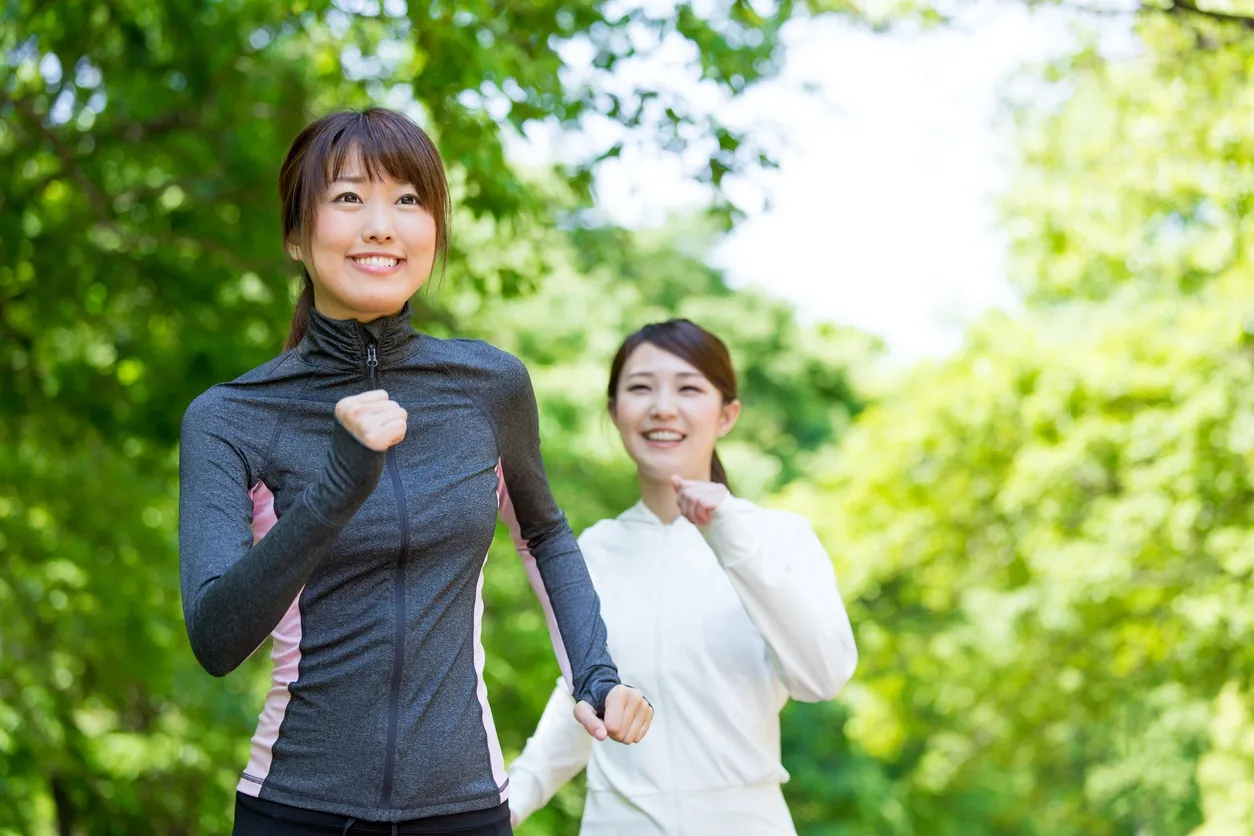
Also known as “interval walking training” or “3-3 walking,” this method alternates walking at two paces:

  • Fast pace: brisk enough that talking in full sentences is tough (around 70% VO₂ max) 
  • Slow pace: leisurely recovery where chatting is easy 

Repeat this six-minute cycle five times for a 30-minute workout, ideally done four times per week. This isn’t new—Shinshu University researchers developed it in 2007 for middle-aged and older adults. (Forbes)

What Science Tells Us

A. Better Than Regular Walking

Studies show marked improvements in aerobic capacity (VO₂ max), leg strength, and blood pressure—outperforming continuous moderate walking, even with equal calorie burn. 

B. Metabolic and Cardiovascular Benefits

  • Reduces blood pressure 
  • Enhances glucose control 
  • Triggers fat loss 
  • Boosts muscle strength 
  • Improves aerobic fitness 

These results may mimic traditional HIIT gains—without the high impact. (ScienceAlert, GoodHousekeeping)

Why Is It Trending Now?

In 2025, fitness coach Eugene Teo repackaged it for TikTok with short, high-impact videos—and millions watched. He framed it as a low-barrier way to still get HIIT-style results without gym gear or guilt over missing 10,000 steps. It went viral fast. (NYT Well via UCSF)

Real-World Health Gains; Improved Fitness in Older Adults

A Japanese study tracking 139 adults (average age: 63) over five months found 15–20% fitness gains, noticeable leg strength improvements, and reductions in body fat and blood pressure. (The Guardian)

Reduced Dropout Rates

Unlike moderate walking routines, interval walking is easier to stick with—nearly 60% adhered to the full protocol vs. only 17% for continuous walking. (GoodHousekeeping)

Who Benefits Most?

  • Those wanting more impact than a stroll but less intensity than HIIT 
  • People looking for low-impact routines (e.g., middle-aged, older adults, knee-sensitive) 
  • Anyone intimidated by gym workouts or step goals 
  • Busy individuals who want maximum efficiency in minimal time 

Real Talk: Pros and Caution Points

Pros

  • Time-efficient — just 30 minutes 
  • Low-impact and easy to start 
  • Scalable to fitness level 
  • No gym, no equipment required 

Things to Watch For

  • Beginners might find the fast intervals challenging initially
  • Cold weather or rough surfaces may make pacing awkward 
  • Best to wash your hands after walking—no extra gear required 

Easy 30-Minute Japanese Walking Plan

  1. Warm Up: 3 minutes of easy walking 
  2. Cycle (repeat 5 times):
    • 3 min brisk walking (talking is tough) 
    • 3 min slow recovery walk 
  1. Cool Down: 3 minutes of comfortable strolling 
  2. Aim for 4 sessions per week 

For beginners: start with shorter fast intervals (e.g., 1 min fast, 3 min recovery) and build up.

Q&A Corner

Q: How is Japanese walking different from 10,000 steps?
A: It packs higher intensity and fitness stimulus into half an hour vs. slow, low-impact walking.

Q: Can busy people do this?
A: Yes—many use parking-lot walks, treadmill sessions, or nearby routes for mini “rounds.”

Q: Is this safe for older adults?
A: Yes—studies show strong benefits with low injury risk, but always consult your doctor if you have heart or mobility issues. (Vogue)

Final Thoughts

Japanese walking—also known as interval or 3-3 walking—isn’t just another TikTok fad. It’s a science-backed method that delivers ampler health benefits than regular walking in less time. Whether you’re fitting it into a busy life or easing into a fitness routine, it’s accessible, effective, and built to last.

After all, walking is instinctual—but when you add thoughtful intervals, it becomes transformational.

This article is for informational purposes only. Consult your doctor before starting any new fitness routine.

Low‑Impact Training: Effective Workouts for All Fitness Levels

Quick Take

  • Meeting minimum physical activity guidelines (150-300 minutes weekly moderate exercise) is associated with 22% reduction in all-cause mortality and 30% reduction in cardiovascular disease mortality.
  • Adults performing 2-4 times the recommended amount of moderate physical activity (300-600 minutes weekly) show 26-31% lower all-cause mortality risk based on 30-year studies.
  • Even low volumes of moderate exercise (92 minutes weekly or 61% of recommended amount) significantly reduce cardiovascular and all-cause mortality compared to sedentary individuals.
  • No harmful cardiovascular effects were found in adults engaging in more than 4 times the recommended minimum activity levels in long-term research studies.

Why High-Impact Training Isn’t Necessary for Results

Are you avoiding exercise because high-intensity workouts feel intimidating or cause joint pain? Research consistently demonstrates that moderate-intensity, low-impact activities like walking and cycling produce substantial mortality reductions without requiring jumping, running, or intense exertion.

“Meeting guideline-recommended levels of physical activity was associated with a 22% reduction in mortality. Adherence to WHO PA guidelines is associated with approximately 30% reduction in cardiovascular disease mortality and 29% in all-cause mortality.” (2025, Review in Circulation Research analyzing 2+ million individuals)


The misconception that only intense exercise produces meaningful health benefits ignores decades of evidence showing moderate-intensity activities deliver comparable or superior cardiovascular protection with lower injury risk and better long-term adherence.

Your Application

  • Start with any consistent movement (walking, cycling, swimming) rather than waiting for perfect program or gym access
  • Aim for minimum 150 minutes weekly of moderate-intensity activity where you can talk but not sing comfortably
  • Recognize that even 50-100 minutes weekly provides significant health benefits compared to being completely sedentary

Can Low-Impact Exercise Really Reduce Mortality Risk?

Yes, dramatically. Adults performing moderate-intensity exercise 92 minutes weekly (61% of recommended guidelines) experienced 19% reduction in cardiovascular mortality and 14% reduction in all-cause mortality compared to inactive individuals.

A 30-year study of over 100,000 adults found those meeting minimum guidelines (150-300 minutes weekly) reduced mortality risk by 21-23%, while those doing 2-4 times the recommended amount (300-600 minutes) reduced risk by 26-31%.

“Adults who performed two to four times above the recommended amount of moderate physical activity (300-600 min/week) had observed 28-38% lower risk of cardiovascular disease mortality and 25-27% non-cardiovascular disease mortality.” (2022, Circulation study with 30-year follow-up)


The dose-response relationship shows benefits continue increasing up to 3-5 times the minimum recommendation before plateauing, meaning more is generally better within reasonable limits.

Your Application

  • Target 150 minutes weekly as initial goal (30 minutes, 5 days weekly) to achieve meaningful mortality reduction
  • Progress toward 300-600 minutes weekly (40-80 minutes daily) for maximum cardiovascular benefits if time allows
  • Break activity into shorter bouts (3x 10-minute walks daily) if continuous 30-minute sessions feel challenging

What Qualifies as Low-Impact Moderate-Intensity Exercise?

Walking, cycling, swimming, elliptical training, and water aerobics qualify as low-impact moderate-intensity exercise when performed at pace where you can speak in sentences but not sing comfortably.

Moderate intensity corresponds to 40-60% of maximum heart rate or 3-6 METs (metabolic equivalents). For reference, brisk walking at 3-4 mph represents approximately 3-4 METs while easy cycling is 4-6 METs.

Research shows even standing more (versus sitting) produces health benefits. Standing 2+ hours daily associates with 10% mortality reduction, with benefits increasing to 24% for those standing 8+ hours daily.

These activities protect joints through smooth, controlled movements without impact forces from jumping or running that stress cartilage and tendons over time.

Your Application

  • Choose activities you genuinely enjoy (walking outdoors, pool exercise, cycling scenic routes) for better long-term adherence
  • Use “talk test” to gauge intensity rather than obsessing over heart rate monitors or precise calculations
  • Accumulate activity throughout the day (parking farther away, taking stairs, walking during phone calls) if structured exercise is difficult

Does Low-Impact Training Build Strength and Improve Body Composition?

Yes, particularly resistance-based low-impact activities like Pilates, bodyweight circuits, water resistance training, and resistance band work. These build functional strength without joint stress from impact or heavy loading.

Research on exercise-based interventions shows various forms of aerobic exercise at range of intensities (50-95% VO2max) significantly reduce cardiovascular mortality and improve quality of life over 1-47 month interventions.

While moderate-intensity exercise alone produces modest weight loss (averaging 1.5-3.5 kg in controlled trials), combining with calorie restriction and resistance training optimizes body composition changes.

Low-impact doesn’t mean low-effectiveness. Controlled bodyweight exercises, aquatic resistance, and Pilates create sufficient stimulus for muscle maintenance and functional strength improvements throughout lifespan.

Your Application

  • Include 2-3 weekly sessions of resistance-based low-impact work (Pilates, resistance bands, bodyweight circuits) alongside aerobic activity
  • Focus on controlled tempo (2-3 seconds lowering, 1-2 seconds lifting) to maximize time under tension without impact
  • Progress difficulty through increased repetitions, slower tempo, or added resistance rather than impact or explosive movements

Can You Exercise Low-Impact Every Day Without Overtraining?

Yes. Low-impact moderate-intensity exercise allows daily participation without the extensive recovery requirements of high-intensity or high-impact training.

Research supports “move more, sit less” approach irrespective of activity type, with even light-intensity walking and taking stairs conferring significant health benefits through reduced sedentary time.

The beauty of low-impact training is sustainability. Unlike HIIT or running requiring 48-72 hour recovery between sessions, walking, cycling, or swimming can be performed daily with minimal accumulated fatigue.

Studies show breaking up sitting time with light activity improves cardiovascular markers independent of structured exercise, suggesting frequent movement matters as much as intense sessions.

Your Application

  • Aim for some form of movement 6-7 days weekly, varying intensity from very light (leisurely walks) to moderate (brisk walking, cycling)
  • Include 1-2 complete rest days monthly when feeling fatigued or for mental recovery from routine
  • Listen to joints and muscles; persistent soreness or pain signals need for easier day or additional rest

What’s the Minimum Effective Dose for Health Benefits?

Even minimal activity provides measurable benefits. Running just 51 minutes weekly (68% of recommended volume) reduced cardiovascular mortality by 55% and all-cause mortality by 30% compared to non-runners.

“Americans running 51 min/week or 68% of the recommended volume experienced lower cardiovascular disease mortality (HR: 0.45) and all-cause mortality (HR: 0.70) compared with nonrunners.” (2016, Research in Journal of the American College of Cardiology)


The greatest incremental health gains occur when moving from completely sedentary to any consistent activity. For example, increasing from 2,000 to 4,000 daily steps associates with nearly 50% mortality reduction.

This means starting with even 15-20 minutes daily (105-140 minutes weekly) provides substantial benefits, though progressing toward 150+ minutes optimizes outcomes.

Your Application

  • Start where you are (even 10-15 minutes daily) rather than attempting immediate adherence to 150-minute guidelines
  • Add 5-10 minutes weekly until reaching minimum 150 minutes, allowing gradual adaptation without injury
  • Celebrate small wins (parking farther, taking stairs, evening walks) that accumulate toward activity targets

FAQ: Your Low-Impact Exercise Questions, Answered

Q: Can low-impact exercise help me lose weight?
A: Low-impact exercise supports weight management but produces modest weight loss alone (averaging 1.5-3.5 kg in studies). Combine with calorie restriction for optimal fat loss. The primary benefits are cardiovascular health, mortality reduction, and body composition maintenance.

Q: Is low-impact exercise effective for older adults or those with injuries?
A: Yes, it’s ideal. Low-impact activities provide cardiovascular and strength benefits while protecting joints from excessive stress. Research shows older adults and those with arthritis, past injuries, or limited mobility benefit significantly from walking, water exercise, cycling, and resistance band work.

Q: Do I need to reach certain heart rate zones for benefits?
A: No. While moderate intensity (40-60% max heart rate) optimizes benefits, even light activity provides measurable health improvements over being sedentary. Use “talk test” as simple guide: able to speak in sentences but not sing continuously.

Q: Can I build significant muscle with only low-impact exercise?
A: You can build functional strength and maintain muscle mass through resistance-based low-impact activities (Pilates, bodyweight circuits, resistance bands). However, building substantial muscle mass requires progressive overload with heavier resistance that low-impact methods may not provide indefinitely.

Q: How does low-impact compare to HIIT for cardiovascular health?
A: Both improve cardiovascular health, but low-impact moderate-intensity exercise shows similar or superior mortality reductions with lower injury risk and better long-term adherence. HIIT is more time-efficient but requires adequate recovery and isn’t necessary for health benefits.

Start Moving Today at Your Own Pace

Low-impact exercise produces dramatic reductions in cardiovascular and all-cause mortality without requiring intense training, jumping, or joint-stressing activities. Even minimal weekly activity (50-100 minutes) provides measurable benefits compared to being sedentary.

Begin with activities you enjoy and can sustain long-term rather than forcing yourself into uncomfortable or painful exercise. Progress gradually toward 150-300 minutes weekly of moderate-intensity movement for optimal cardiovascular protection and mortality reduction.

For evidence-based guidance on structuring complete fitness programs combining low-impact cardio with strength training, explore our workout programming fundamentals at BeeFit.ai. You can also check out our breakdown of progressive overload principles and how to systematically increase training difficulty over time.

This article is for informational purposes only and is not a substitute for professional medical advice, diagnosis, or treatment. Always consult with a qualified healthcare provider before starting any new exercise or nutrition program.

8 Essential Exercises for Women Over 50 to Stay Strong & Independ

Quick Take

  • Strength training 2-3 times weekly can reverse up to 50% of sarcopenia (age-related muscle loss) in women over 50, crucial for maintaining metabolism and independence.
  • Weight-bearing exercises like walking and dancing directly stimulate osteoblasts, the cells that build bone, helping to prevent osteoporosis.
  • Low-impact cardio such as swimming or cycling preserves joint health while improving cardiovascular function, reducing the risk of heart disease by up to 35%.
  • Mind-body practices like Tai Chi can reduce the risk of falls by nearly 50% by dramatically improving balance and proprioception.

For women over 50, exercise transforms from a tool for aesthetics to a fundamental prescription for vitality, independence, and longevity. The right movement isn’t about punishing your body. It is about strategically investing in your physical capital to ensure you can live life on your own terms for decades to come. “The goal shifts completely,” explains Sarah Mitchell, a certified personal trainer specializing in women’s health. “It’s no longer about how you look in a mirror. It’s about preserving the strength to lift your grandchildren, the balance to hike your favorite trail, and the energy to enjoy your days fully.”

This list distills the overwhelming world of fitness into eight evidence-based, sustainable exercises. Each one targets the key physiological changes that occur post-50, offering a clear roadmap to a stronger, more resilient you.

Is Strength Training Safe After 50?

Direct Answer
Not only is it safe, it is essential. Progressive strength training is the most effective intervention to combat sarcopenia, the age-related loss of muscle mass and function that begins as early as your 30s.

Explanation & Evidence
Muscle is your metabolic engine and your physical insurance policy. After 50, hormonal changes can accelerate muscle loss at a rate of 1-2% per year. This loss directly impacts strength, metabolic rate, and bone density. Lifting weights or using resistance bands provides the critical mechanical tension needed to signal your body to preserve and even rebuild muscle tissue.

A landmark study in Medicine & Science in Sports & Exercise found that “postmenopausal women who engaged in progressive resistance training twice weekly for one year gained over 2 pounds of muscle mass and increased their bone density, effectively reversing a decade of age-related decline.”


The fear of getting “bulky” is unfounded. The focus is on building resilient, functional strength.

Your Application
Start with two full-body strength sessions per week. Use dumbbells, resistance bands, or your bodyweight. Master foundational movements: Squats (for sitting/standing), Hip Hinges (for picking things up), Rows (for posture), and Overhead Presses (for reaching). Prioritize proper form over heavy weight.

What Is the Single Best Exercise for Bone Density?

Direct Answer
While strength training is crucial, weight-bearing cardiovascular exercise like brisk walking, hiking, or stair climbing provides the direct, rhythmic impact that most effectively stimulates bone-forming cells (osteoblasts).

Explanation & Evidence
Bones adapt to the stress placed upon them. The gentle, repeated impact of your body weight hitting the ground during walking sends micro-signals through your skeleton, prompting it to deposit more mineral and become denser. This is a non-negotiable defense against osteoporosis, a condition where bones become brittle and fragile.

Research from the Journal of Bone and Mineral Research confirms that “regular weight-bearing exercise, such as 30 minutes of brisk walking most days, can increase bone density in the spine and hips by 1-3% in postmenopausal women, significantly reducing fracture risk.”


Swimming and cycling, while excellent for joints and heart health, are non-weight-bearing and do not provide this specific bone-building stimulus.

Your Application
Aim for 150 minutes per week of weight-bearing cardio. A daily 30-minute brisk walk, where you can talk but not sing, is a perfect foundation. Add hills or intervals of faster walking to increase the bone-stimulating effect.

How Can You Protect Your Joints While Getting Stronger?

Direct Answer
By incorporating low-impact, non-weight-bearing exercises like swimming, water aerobics, or cycling, you can build cardiovascular fitness and muscular strength without subjecting vulnerable joints to repetitive pounding.

Explanation & Evidence
Joint cartilage has limited blood supply and repair capacity. High-impact activities can accelerate wear in individuals with pre-existing joint concerns. Water-based exercise leverages buoyancy to support up to 90% of your body weight, dramatically reducing stress on hips, knees, and spine, while the water’s resistance builds strength in all directions.

The Arthritis Foundation strongly endorses aquatic therapy, noting that “water exercise decreases pain and improves function in adults with osteoarthritis, while providing a safe environment to improve cardiovascular health.”


Think of it as giving your joints a vacation while your muscles get to work.

Your Application
Substitute one of your weekly walks with a 30-45 minute swim or water aerobics session. Focus on full range-of-motion movements. For cycling, ensure your bike is properly fitted to avoid knee strain.

Why Is Balance Training a Non-Negotiable?

Direct Answer
After 50, the systems that govern balance (vision, inner ear, proprioception) naturally decline. Dedicated balance training, like Tai Chi or specific yoga poses, is proven to cut fall risk nearly in half by retraining neural pathways and strengthening stabilizer muscles.

Explanation & Evidence
Falls are a leading cause of injury and loss of independence. Balance is a skill you must practice to maintain. Exercises that challenge your stability in a controlled way, like standing on one leg or moving slowly through Tai Chi forms, force your brain and body to communicate more effectively to keep you upright.

A meta-analysis in the British Medical Journal reported that “Tai Chi practice reduced the risk of falls by 43% in older adults and was more effective than other balance-training programs or strength training alone.”


This isn’t just physical. It is neuromuscular training that keeps your movement system sharp.

Your Application
Practice a single-leg stand while brushing your teeth (hold onto the counter if needed). Take a beginner Tai Chi or gentle yoga class. Incorporate moves like heel-to-toe walks or standing from a chair without using your hands.

Can Exercise Truly Improve Brain Health?

Direct Answer
Yes, consistently. Cardiovascular exercise, in particular, improves cerebral blood flow, stimulates the release of brain-derived neurotrophic factor (BDNF a “fertilizer” for brain cells), and can enhance memory and executive function.

Explanation & Evidence
The brain is highly vascular and energy-demanding. Exercise acts as a powerful stimulant for neuroplasticity, the brain’s ability to form new connections. Studies show that regular aerobic activity can increase the size of the hippocampus, the brain region central to memory and learning, effectively countering age-related shrinkage.

Neuroscience research published in Neurology found that “older adults with higher cardiovascular fitness had slower rates of cognitive decline and larger brain volumes in key memory areas than their less-fit peers.”


Every time you get your heart rate up, you are quite literally investing in your cognitive reserve.

Your Application
Pair your physical exercise with mental engagement. Listen to an audiobook or podcast during your walk. Take a dance class to learn new choreography. Choose cycling routes that require navigation. This dual-tasking further challenges and protects your brain.

FAQ: Your Fitness Over 50 Questions, Answered

Q: I’ve never exercised. Is it too late to start?
A: It is absolutely not too late. Your body retains a remarkable ability to adapt and improve at any age. The most important step is the first one. Begin gently, focus on consistency over intensity, and celebrate the non-scale victories like more energy, better sleep, and easier daily movement.

Q: How often should I work out each week?
A: Aim for a balanced mix: Cardio (brisk walking, swimming) most days of the week (150+ minutes total). Strength Training 2-3 non-consecutive days. Balance & Flexibility (yoga, Tai Chi) 2-3 days. Remember, daily movement like gardening or housework counts too.

Q: What should I do if I have arthritis or joint pain?
A: Focus on low-impact and non-weight-bearing options like swimming, recumbent cycling, or chair yoga. Strength training with light weights is still crucial to support the joints, but avoid exercises that cause sharp pain. A physical therapist can provide a personalized, pain-free plan.

Q: Do I need to join a gym?
A: No. An effective routine can be built at home. You need a pair of walking shoes, some resistance bands, a yoga mat, and perhaps a set of light dumbbells. Many excellent follow-along programs are available online for free.

Q: How do I stay motivated?
A: Connect your “why.” Are you exercising to play with your grandkids, travel comfortably, or simply feel stronger in your own body? Find a workout buddy for accountability, track your progress (not just weight, but how you feel), and choose activities you genuinely enjoy. Consistency is born from enjoyment, not punishment.

The narrative around fitness after 50 needs a rewrite. It is not about decline, but about intelligent maintenance. It is not about fighting your body, but about partnering with it strategically. These eight exercises are not a rigid checklist, but a menu of powerful options. Your task is not to do them all at once, but to start where you are, use what you have, and build the movement practice that makes you feel capable, confident, and truly alive in the decades to come.

Ready for a personalized plan? Our experts at BeeFit.ai can help you build a sustainable routine. 

This article is for informational purposes only and is not a substitute for professional medical advice, diagnosis, or treatment. Always seek the advice of your physician or other qualified health provider before beginning any new exercise program, especially if you have pre-existing health conditions.