
BeeFit: Fitness & Wellness

Squat vs. Leg Press: The Ultimate Leg Day Verdict

Quick Take

  • The squat is a full-body, functional movement that builds real-world strength and athleticism by demanding core and stabilizer muscle engagement.
  • The leg press isolates the lower body, allowing for greater loading with less systemic fatigue and reduced spinal compression.
  • For pure quadriceps hypertrophy, research shows the leg press can produce greater EMG activation due to its fixed, stable movement path.
  • The optimal strategy for leg development incorporates both exercises: squats for foundational strength and the leg press for targeted overload.

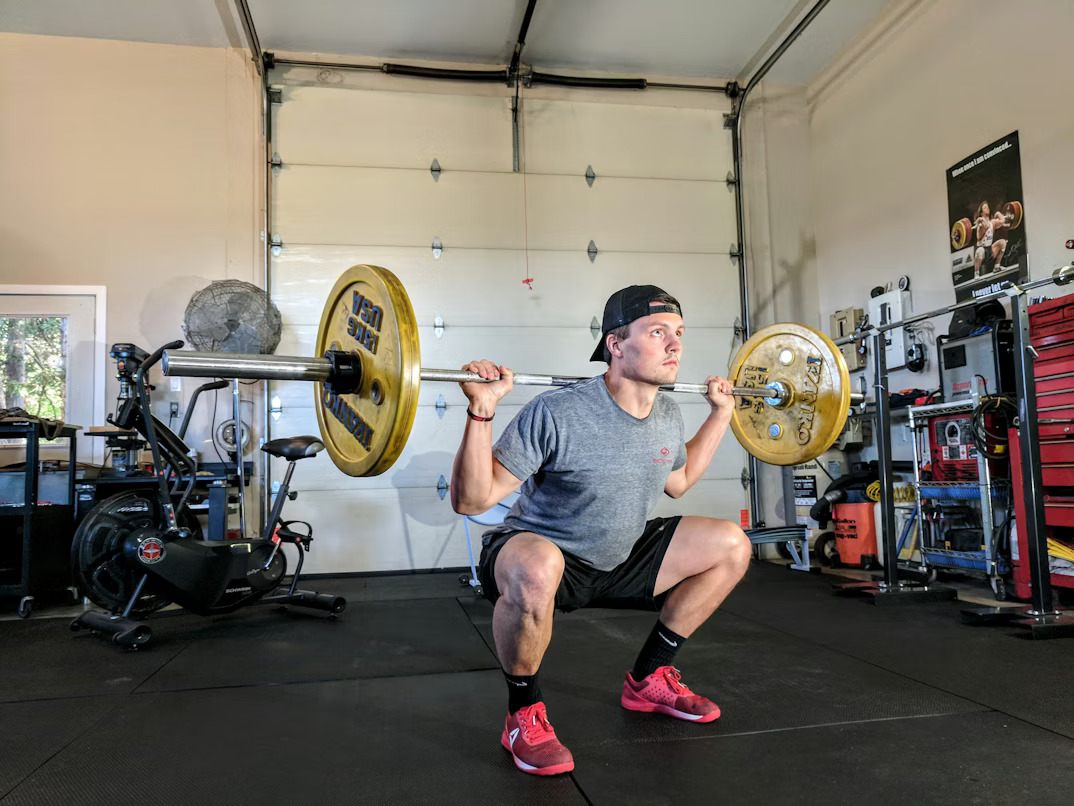
The quest for powerful legs often leads to a pivotal choice between two gym titans: the free-weight barbell squat and the machine-based leg press. This isn’t a trivial debate; it’s about understanding two distinct tools for building lower-body strength. One is a foundational test of total-body athleticism, while the other is a precision instrument for muscle isolation. Choosing the right one—or the right blend—depends entirely on your physiology and your goals.

Let’s break down the biomechanics, the science, and the practical application to settle the score.

Which Exercise Builds More Functional Strength?

Direct Answer
The barbell squat is unequivocally superior for building functional, transferable strength that applies to sports, daily life, and overall athleticism.

Explanation & Evidence
Functional strength is the ability to produce and control force in unpredictable, real-world environments. The squat is a “closed-chain” exercise where your feet are fixed, mimicking natural movements like standing up, jumping, or lifting. It requires the coordinated effort of your quads, hamstrings, glutes, core, and back stabilizers to control the weight in three-dimensional space. This teaches your nervous system to manage load with balance and proprioception.

A study in the Journal of Strength and Conditioning Research concluded that “free-weight exercises like the squat produce greater neuromuscular activation and co-contraction of stabilizer muscles compared to machine-based exercises.”


The leg press, while excellent for building muscle, is an “open-chain” exercise where you move a load away from your body on a fixed track. This removes the balance and core stabilization demands, limiting its direct transfer to athletic performance.

Your Application
If your goal is to improve athletic performance, build resilience for daily tasks, or develop a strong core, the barbell squat must be a cornerstone of your training.

Which Exercise Is Safer for Your Lower Back?

Direct Answer
The leg press is generally safer for individuals with pre-existing lower back issues, as it minimizes spinal loading and shear forces when performed correctly.

Explanation & Evidence:
During a back squat, the barbell loads the spine axially (down the length of the vertebrae), creating significant compressive force. For a healthy spine with proper bracing, this is a potent adaptive stimulus. However, for those with disc issues, stenosis, or poor form, this compression can be problematic. The leg press supports the torso, offloading the spine and allowing the legs to be trained with minimal lower back involvement.

Biomechanical analyses note that “the seated, supported position of the leg press reduces lumbar spine compression and shear forces by over 50% compared to the loaded back squat, making it a viable option for back-sensitive populations.”


This does not mean squats are “dangerous,” but rather that the leg press provides a valuable alternative when spinal loading is contraindicated.

Your Application
If you have a history of lower back pain or injury, use the leg press to build leg strength safely. You can later progress to goblet or belt squats, which also minimize spinal load, before considering barbell squats.

Which Exercise Is Better for Isolating and Growing the Quads?

Direct Answer
For isolating the quadriceps and achieving maximal muscular overload with minimal technical demand, the leg press has a distinct advantage.

Explanation & Evidence
Because the leg press stabilizes your torso, you can focus solely on extending your knees. This allows you to use heavier loads or achieve deeper muscular fatigue without being limited by core or back strength. Electromyography (EMG) studies often show high levels of quadriceps activation in the leg press, and the ability to safely perform techniques like drop sets or partial reps makes it a hypertrophy powerhouse.

Research comparing muscle activation has found that “while squatting activates more total muscle mass, the leg press can produce equal or greater EMG activity in the vastus lateralis (outer quad) due to the elimination of stabilizer limitations.”


The squat is a better overall developer, but the leg press is a more efficient tool for overloading the quads specifically.

Your Application
For targeting quadriceps hypertrophy, place the leg press later in your workout after squats. Use a full range of motion and techniques like rest-pause sets to push the quads to failure safely.

Can the Leg Press Compensate for Poor Squat Mobility?

Direct Answer
Yes. The leg press can be a crucial tool for building leg strength while you work to improve the ankle, hip, and thoracic mobility required for a deep, safe squat.

Explanation & Evidence
Many individuals lack the ankle dorsiflexion or hip flexion to squat deeply without compromising form (e.g., butt wink). Forcing a heavy squat with poor mobility is a recipe for injury. The leg press allows you to strengthen the quads, glutes, and hamstrings through a full range of motion that you control, independent of your current mobility constraints.

Physical therapists often use leg press variations as a “bridge exercise” to “maintain lower-body strength during periods where mobility work is the primary focus for improving squat mechanics.”


It’s not about replacing the squat forever, but about maintaining leg strength while you correct the movement pattern.

Your Application
If you struggle with squat depth, use the leg press as your primary strength builder. Simultaneously, dedicate separate sessions to mobility work for your ankles, hips, and thoracic spine, and practice squat patterning with light weights or bodyweight.

What Is the Optimal Strategy for Maximum Leg Development?

Direct Answer
The most effective long-term strategy is to use both exercises in a periodized manner: squat for primary strength and neurological development, and leg press for supplemental hypertrophy and volume.

Explanation & Evidence
This is not an either/or proposition. They are complementary. The squat builds the foundational strength, core stability, and hormonal response. The leg press then allows you to add additional volume (total sets and reps) to the quads without accumulating excessive systemic or nervous system fatigue from more squatting, which can lead to overtraining.

A periodized programming approach, as endorsed by strength coaches, “uses compound free-weight lifts like the squat for strength phases, and incorporates machine-based assistance work like the leg press during hypertrophy phases to maximize muscle growth while managing fatigue.”


This integrated approach yields better results than relying on either exercise alone.

Your Application
Structure your leg day with squats first (3-5 sets of 5-8 reps) when you are freshest. Afterward, move to the leg press (3-4 sets of 10-15 reps) to add high-rep, quad-focused volume. Finish with isolation work like leg extensions and hamstring curls.

FAQ: Your Squat vs. Leg Press Questions, Answered

Q: Will leg press make me better at squatting?
A: Indirectly, yes. A stronger leg press can increase the potential strength of your prime movers (quads, glutes). However, it won’t improve the core stability, balance, or technique required to express that strength in a squat. You must practice squats to improve at squats.

Q: Why can I leg press so much more than I can squat?
A: This is normal. The leg press removes stabilizing demands, allows you to use a shorter range of motion if desired, and leverages mechanical advantages. There is no direct correlation; your leg press weight will always be significantly higher than your squat.

Q: Are hack squats a good middle ground?
A: The hack squat machine is an excellent compromise. It provides more spinal support than a free-weight squat but requires more core and stabilizer engagement than a leg press. It’s a fantastic tool for overloading the quads with a fixed path, often considered a hybrid of the two.

Q: Which is better for glute development?
A: The barbell squat, particularly low-bar and wide-stance variations, generally places greater emphasis on the glutes and hamstrings. To target glutes on the leg press, use a high foot placement and focus on driving through your heels, ensuring a deep stretch at the bottom.

Q: Should beginners start with leg press or squats?
A: Beginners should start by learning bodyweight squats and goblet squats to master the movement pattern with minimal risk. The leg press can be introduced early to build basic leg strength, but it should not replace learning the fundamental movement skill of the squat.

The debate isn’t about crowning a winner; it’s about allocating resources. The squat is your foundation—an investment in total-body strength and resilience. The leg press is your specialization—a targeted tool for hypertrophy and strength preservation when the squat isn’t an option.

By strategically employing both, you’re not hedging your bets; you’re building a comprehensive leg development plan that is smarter, safer, and more effective than relying on dogma alone.

Ready to build a balanced lower body program? Explore our science-backed leg day workout templates at BeeFit.ai.

This article is for informational purposes only and is not a substitute for professional medical advice, diagnosis, or treatment. Always seek the advice of your physician or other qualified health provider before beginning any new exercise program, especially if you have pre-existing conditions.
8 Essential Exercises for Women Over 50 to Stay Strong & Independ

Quick Take

  • Strength training 2-3 times weekly can reverse up to 50% of sarcopenia (age-related muscle loss) in women over 50, crucial for maintaining metabolism and independence.
  • Weight-bearing exercises like walking and dancing directly stimulate osteoblasts, the cells that build bone, helping to prevent osteoporosis.
  • Low-impact cardio such as swimming or cycling preserves joint health while improving cardiovascular function, reducing the risk of heart disease by up to 35%.
  • Mind-body practices like Tai Chi can reduce the risk of falls by nearly 50% by dramatically improving balance and proprioception.

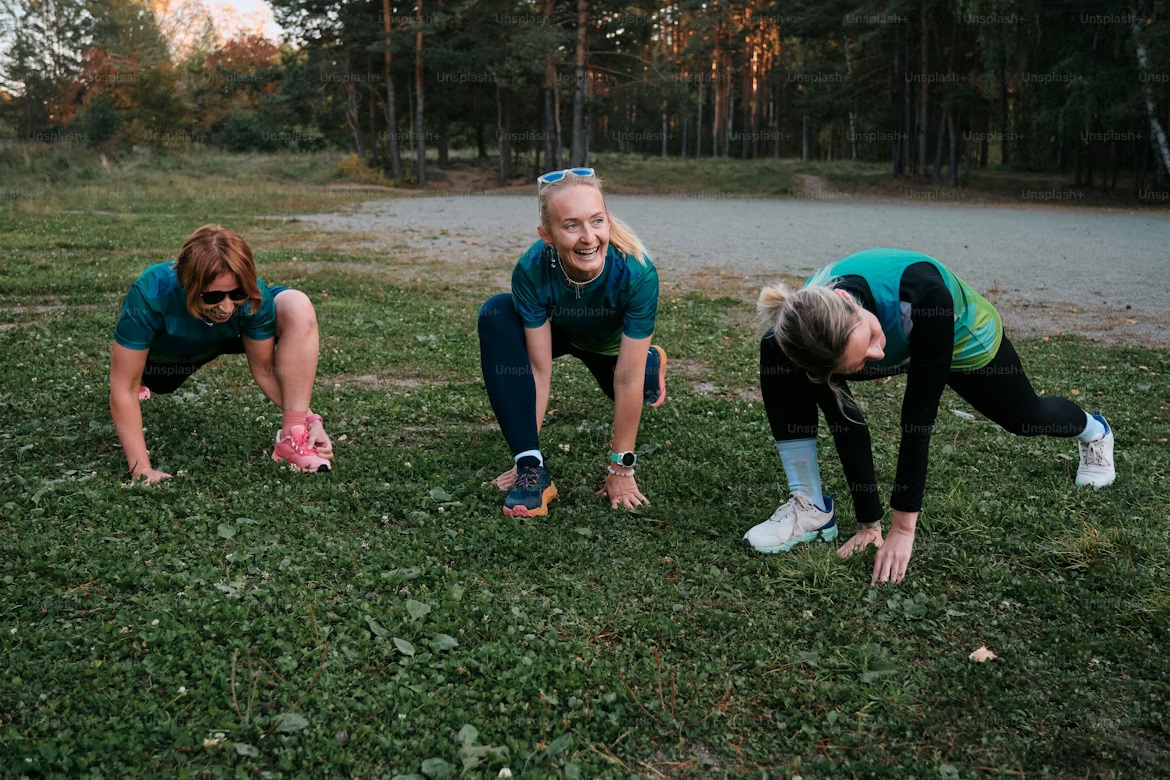
For women over 50, exercise transforms from a tool for aesthetics to a fundamental prescription for vitality, independence, and longevity. The right movement isn’t about punishing your body. It is about strategically investing in your physical capital to ensure you can live life on your own terms for decades to come. “The goal shifts completely,” explains Sarah Mitchell, a certified personal trainer specializing in women’s health. “It’s no longer about how you look in a mirror. It’s about preserving the strength to lift your grandchildren, the balance to hike your favorite trail, and the energy to enjoy your days fully.”

This list distills the overwhelming world of fitness into eight evidence-based, sustainable exercises. Each one targets the key physiological changes that occur post-50, offering a clear roadmap to a stronger, more resilient you.

Is Strength Training Safe After 50?

Direct Answer
Not only is it safe, it is essential. Progressive strength training is the most effective intervention to combat sarcopenia, the age-related loss of muscle mass and function that begins as early as your 30s.

Explanation & Evidence
Muscle is your metabolic engine and your physical insurance policy. After 50, hormonal changes can accelerate muscle loss at a rate of 1-2% per year. This loss directly impacts strength, metabolic rate, and bone density. Lifting weights or using resistance bands provides the critical mechanical tension needed to signal your body to preserve and even rebuild muscle tissue.

A landmark study in Medicine & Science in Sports & Exercise found that “postmenopausal women who engaged in progressive resistance training twice weekly for one year gained over 2 pounds of muscle mass and increased their bone density, effectively reversing a decade of age-related decline.”


The fear of getting “bulky” is unfounded. The focus is on building resilient, functional strength.

Your Application
Start with two full-body strength sessions per week. Use dumbbells, resistance bands, or your bodyweight. Master foundational movements: Squats (for sitting/standing), Hip Hinges (for picking things up), Rows (for posture), and Overhead Presses (for reaching). Prioritize proper form over heavy weight.

What Is the Single Best Exercise for Bone Density?

Direct Answer
While strength training is crucial, weight-bearing cardiovascular exercise like brisk walking, hiking, or stair climbing provides the direct, rhythmic impact that most effectively stimulates bone-forming cells (osteoblasts).

Explanation & Evidence
Bones adapt to the stress placed upon them. The gentle, repeated impact of your body weight hitting the ground during walking sends micro-signals through your skeleton, prompting it to deposit more mineral and become denser. This is a non-negotiable defense against osteoporosis, a condition where bones become brittle and fragile.

Research from the Journal of Bone and Mineral Research confirms that “regular weight-bearing exercise, such as 30 minutes of brisk walking most days, can increase bone density in the spine and hips by 1-3% in postmenopausal women, significantly reducing fracture risk.”


Swimming and cycling, while excellent for joints and heart health, are non-weight-bearing and do not provide this specific bone-building stimulus.

Your Application
Aim for 150 minutes per week of weight-bearing cardio. A daily 30-minute brisk walk, where you can talk but not sing, is a perfect foundation. Add hills or intervals of faster walking to increase the bone-stimulating effect.

How Can You Protect Your Joints While Getting Stronger?

Direct Answer
By incorporating low-impact, non-weight-bearing exercises like swimming, water aerobics, or cycling, you can build cardiovascular fitness and muscular strength without subjecting vulnerable joints to repetitive pounding.

Explanation & Evidence
Joint cartilage has limited blood supply and repair capacity. High-impact activities can accelerate wear in individuals with pre-existing joint concerns. Water-based exercise leverages buoyancy to support up to 90% of your body weight, dramatically reducing stress on hips, knees, and spine, while the water’s resistance builds strength in all directions.

The Arthritis Foundation strongly endorses aquatic therapy, noting that “water exercise decreases pain and improves function in adults with osteoarthritis, while providing a safe environment to improve cardiovascular health.”


Think of it as giving your joints a vacation while your muscles get to work.

Your Application
Substitute one of your weekly walks with a 30-45 minute swim or water aerobics session. Focus on full range-of-motion movements. For cycling, ensure your bike is properly fitted to avoid knee strain.

Why Is Balance Training a Non-Negotiable?

Direct Answer
After 50, the systems that govern balance (vision, inner ear, proprioception) naturally decline. Dedicated balance training, like Tai Chi or specific yoga poses, is proven to cut fall risk nearly in half by retraining neural pathways and strengthening stabilizer muscles.

Explanation & Evidence
Falls are a leading cause of injury and loss of independence. Balance is a skill you must practice to maintain. Exercises that challenge your stability in a controlled way, like standing on one leg or moving slowly through Tai Chi forms, force your brain and body to communicate more effectively to keep you upright.

A meta-analysis in the British Medical Journal reported that “Tai Chi practice reduced the risk of falls by 43% in older adults and was more effective than other balance-training programs or strength training alone.”


This isn’t just physical. It is neuromuscular training that keeps your movement system sharp.

Your Application
Practice a single-leg stand while brushing your teeth (hold onto the counter if needed). Take a beginner Tai Chi or gentle yoga class. Incorporate moves like heel-to-toe walks or standing from a chair without using your hands.

Can Exercise Truly Improve Brain Health?

Direct Answer
Yes, consistently. Cardiovascular exercise, in particular, improves cerebral blood flow, stimulates the release of brain-derived neurotrophic factor (BDNF a “fertilizer” for brain cells), and can enhance memory and executive function.

Explanation & Evidence
The brain is highly vascular and energy-demanding. Exercise acts as a powerful stimulant for neuroplasticity, the brain’s ability to form new connections. Studies show that regular aerobic activity can increase the size of the hippocampus, the brain region central to memory and learning, effectively countering age-related shrinkage.

Neuroscience research published in Neurology found that “older adults with higher cardiovascular fitness had slower rates of cognitive decline and larger brain volumes in key memory areas than their less-fit peers.”


Every time you get your heart rate up, you are quite literally investing in your cognitive reserve.

Your Application
Pair your physical exercise with mental engagement. Listen to an audiobook or podcast during your walk. Take a dance class to learn new choreography. Choose cycling routes that require navigation. This dual-tasking further challenges and protects your brain.

FAQ: Your Fitness Over 50 Questions, Answered

Q: I’ve never exercised. Is it too late to start?
A: It is absolutely not too late. Your body retains a remarkable ability to adapt and improve at any age. The most important step is the first one. Begin gently, focus on consistency over intensity, and celebrate the non-scale victories like more energy, better sleep, and easier daily movement.

Q: How often should I work out each week?
A: Aim for a balanced mix: Cardio (brisk walking, swimming) most days of the week (150+ minutes total). Strength Training 2-3 non-consecutive days. Balance & Flexibility (yoga, Tai Chi) 2-3 days. Remember, daily movement like gardening or housework counts too.

Q: What should I do if I have arthritis or joint pain?
A: Focus on low-impact and non-weight-bearing options like swimming, recumbent cycling, or chair yoga. Strength training with light weights is still crucial to support the joints, but avoid exercises that cause sharp pain. A physical therapist can provide a personalized, pain-free plan.

Q: Do I need to join a gym?
A: No. An effective routine can be built at home. You need a pair of walking shoes, some resistance bands, a yoga mat, and perhaps a set of light dumbbells. Many excellent follow-along programs are available online for free.

Q: How do I stay motivated?
A: Connect your “why.” Are you exercising to play with your grandkids, travel comfortably, or simply feel stronger in your own body? Find a workout buddy for accountability, track your progress (not just weight, but how you feel), and choose activities you genuinely enjoy. Consistency is born from enjoyment, not punishment.

The narrative around fitness after 50 needs a rewrite. It is not about decline, but about intelligent maintenance. It is not about fighting your body, but about partnering with it strategically. These eight exercises are not a rigid checklist, but a menu of powerful options. Your task is not to do them all at once, but to start where you are, use what you have, and build the movement practice that makes you feel capable, confident, and truly alive in the decades to come.

Ready for a personalized plan? Our experts at BeeFit.ai can help you build a sustainable routine. 

This article is for informational purposes only and is not a substitute for professional medical advice, diagnosis, or treatment. Always seek the advice of your physician or other qualified health provider before beginning any new exercise program, especially if you have pre-existing health conditions.