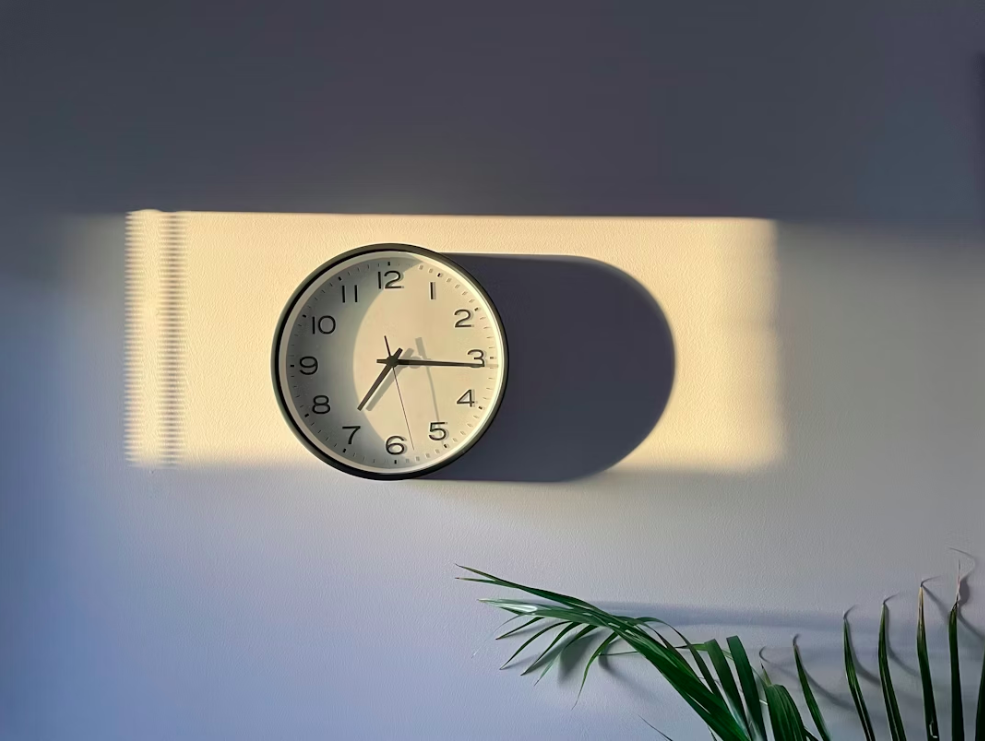
Effective sleep optimization is not about achieving a perfect score every night. It is about creating reliable conditions for enough restful sleep while recognizing that stress, travel, illness, parenting, and normal life will sometimes disrupt the routine.
Quick Take
- Protect a consistent wake time instead of chasing perfect sleep.
- Avoid large, heavy meals close to bedtime; you do not need to stop eating in the morning.
- Keep the bedroom cool, dark, quiet, and strongly associated with sleep.
- Sleeping separately may help some couples, but it is not universally healthier.
- Morning outdoor light can support circadian timing without requiring an expensive lamp.
- Use sleep trackers for broad trends—not precise sleep stages or medical diagnosis.
1. Start Sleep Optimization With a Consistent Schedule
Treating sleep as important is useful. Calling yourself a “professional sleeper” is optional.
The practical behavior that matters most is protecting enough time for sleep and maintaining a reasonably consistent schedule. The CDC recommends going to bed and waking at similar times, keeping the bedroom cool and quiet, and avoiding large meals, alcohol, and late caffeine.
A fixed wake time is often more practical than forcing an exact bedtime. Wake at approximately the same time each morning, then begin winding down when sleepiness appears.
Build a Repeatable Evening Routine
Use a short routine rather than a complicated ritual:
- Dim bright lights.
- Finish demanding work.
- Prepare for the next morning.
- Choose a quiet activity.
- Go to bed when sleepy.
The routine should reduce stimulation, not create another performance target.
2. Meal Timing for Better Sleep Optimization
Eating the final meal at 11 a.m. is unnecessary and may be unrealistic for most people.
Research suggests that later meal timing may be associated with poorer sleep in some populations, while meal size and composition may also matter. However, the evidence does not establish one universal eating cutoff.
A practical approach is to finish a large dinner two or three hours before bed. People with reflux or digestive discomfort may benefit from a longer gap based on clinical guidance.
Support Better Sleep With Lighter Meals
When work or family schedules require a late meal, choose something comfortable and moderate rather than going to bed overly full.
Possible options include:
- Yogurt with fruit
- Oatmeal
- Eggs and toast
- A smaller portion of dinner
- Soup with a protein source
There is no need to remove carbohydrates or eat only vegetables and lean protein. The best choice is one that satisfies hunger without causing digestive discomfort.
3. Create a Sleep-Friendly Bedroom
A dark, quiet, cool room can make sleep easier. Removing work, television, and constant phone use may also strengthen the mental association between bed and sleep.
Using the bed primarily for sleep is part of stimulus-control strategies used in cognitive behavioral therapy for insomnia. However, this does not mean that reading briefly in bed automatically ruins sleep for everyone.
Remove Common Sleep Disruptions
Focus on the problems actually affecting your room:
- Use curtains or an eye mask for unwanted light.
- Try earplugs, a fan, or white noise for sound.
- Keep the room comfortably cool.
- Silence unnecessary phone alerts.
- Move work away from the bed when possible.
A bedroom does not need to resemble a laboratory. It needs to feel comfortable and predictable.
4. Solve Shared-Sleep Problems Before Sleeping Separately
A partner can disturb sleep through snoring, movement, different schedules, or temperature preferences. At the same time, many people report feeling safer and sleeping better subjectively when sharing a bed.
A review found that bed-sharing often produced better perceived sleep despite somewhat worse objective sleep measurements. That makes sleeping arrangements a personal decision rather than a universal health rule.
Improve Sleep Quality in a Shared Bedroom
Before moving to separate rooms, consider:
- Separate blankets
- A larger mattress
- Motion isolation
- Earplugs or white noise
- Different bedtimes
- Treatment for persistent snoring
Loud habitual snoring, choking, gasping, or suspected breathing pauses should prompt medical evaluation rather than simply sending the affected partner to another room.
Temporary or permanent separate sleeping may still be useful when both people agree that it improves rest.
5. Morning Light and Circadian Sleep Health
Light is the primary environmental signal regulating circadian timing. Morning light can promote alertness and help shift the body clock earlier, while excessive bright light late at night may delay sleep timing.
A 10,000-lux therapy lamp can be useful in specific situations, but it is not required for everyone.
Begin With Outdoor Light
Try spending 10–30 minutes outdoors after waking when weather and schedule allow. Outdoor light is generally much brighter than ordinary indoor lighting, including on many cloudy days.
When outdoor light is unavailable, sit near a bright window or increase indoor light during the morning. People with eye conditions, bipolar disorder, unusual circadian schedules, or medication-related light sensitivity should discuss therapeutic light devices with a clinician.
6. Sleep Optimization With Wearable Data
Consumer sleep trackers can help identify broad patterns involving bedtime, total sleep, exercise, alcohol, or travel.
However, they estimate sleep indirectly through signals such as movement and heart rate. Studies show relatively strong sleep detection but less dependable classification of deep, light, and REM sleep.
A device score should not convince you that you slept badly when you feel rested, nor should a high score dismiss persistent fatigue.
Use Sleep Data to Improve Sleep Optimization
Use tracking data over several weeks and ask simple questions:
- Am I allowing enough time for sleep?
- Is my schedule relatively consistent?
- Do alcohol or late meals correspond with worse nights?
- Do I feel alert and functional during the day?
Stop tracking temporarily if the numbers create anxiety or make sleep feel like a nightly examination.
Sleep Optimization FAQ
How Much Sleep Do Adults Need?
Most adults need at least seven hours, although individual needs vary. Sleep quality, regularity, and daytime functioning matter alongside total duration.
What Is the Best Free Sleep Habit?
Set a consistent wake time and get morning light. Together, these behaviors help reinforce the sleep-wake rhythm without requiring supplements or technology.
What Should I Do if These Habits Do Not Work?
Occasional poor sleep is normal. Persistent difficulty falling asleep, repeated waking, or impaired daytime functioning deserves professional evaluation.
Cognitive behavioral therapy for insomnia is recommended as the initial treatment for chronic insomnia and is more comprehensive than basic sleep-hygiene advice.
A Realistic Sleep Optimization Strategy
Effective sleep optimization is not about controlling every minute of the night. It is to create a schedule and environment that make restful sleep more likely.
Protect enough time for sleep, keep a consistent wake time, avoid heavy late meals, address bedroom disruptions, seek morning light, and treat wearable data as an estimate. These habits are more realistic than extreme eating schedules, mandatory solo sleeping, or the pursuit of perfect nightly scores.
For more on how sleep affects exercise and recovery, explore BeeFit’s Sleep and Fitness guide.
This article is for informational and educational purposes only and is not a substitute for medical advice, diagnosis, or treatment. Consult a qualified healthcare professional about persistent insomnia, severe daytime sleepiness, loud snoring, breathing interruptions, or other concerning symptoms.
Discover more from BeeFit: Fitness & Wellness
Subscribe to get the latest posts sent to your email.
Share :