Anti-inflammatory foods can support recovery, immune balance, and long-term health, but they are not cures or detox tools. The goal is not to “turn off” inflammation. Instead, build a steady eating pattern that helps your body respond, repair, and return to balance.
Quick Take
- Inflammation is not always bad. Short-term inflammation helps you heal from injury, infection, and hard training.
- Chronic, low-grade inflammation is different and is linked with higher risk of metabolic and cardiovascular problems.
- The best anti-inflammatory foods include fatty fish, extra virgin olive oil, berries, leafy greens, legumes, nuts, seeds, herbs, spices, and colorful vegetables.
- A Mediterranean-style eating pattern has some of the strongest evidence for supporting healthier inflammatory markers.
- Supplements may help in specific cases, but food, sleep, movement, and stress management matter more.
Why This Eating Pattern Matters
Inflammation is part of your immune system. When you cut your finger, twist an ankle, fight an infection, or lift hard enough to feel sore, your body uses inflammation to begin repair. That short-term response is normal and useful.
The concern is chronic, low-grade inflammation, where the immune system stays slightly activated for too long. Excess visceral fat, poor sleep, smoking, high stress, low activity, ultra-processed diets, and certain medical conditions can all contribute.
Food is not the only lever, but you can adjust it every day. A large review of dietary patterns and inflammatory biomarkers found that Mediterranean-style diets showed consistent improvements in markers such as C-reactive protein and IL-6: dietary patterns and inflammatory biomarkers.
That does not mean one food fixes inflammation. It means your overall pattern matters: more fiber, more color, more healthy fats, enough protein, and fewer foods that crowd out nutrition.
The Best Anti-Inflammatory Foods to Build Around
The most useful anti-inflammatory foods tend to be rich in fiber, polyphenols, omega-3 fats, minerals, vitamins, and antioxidant compounds. They also tend to replace foods that are easier to overeat, such as sugary drinks, refined snacks, fried fast food, and low-fiber packaged meals.
Fatty fish
Salmon, sardines, trout, herring, anchovies, and mackerel provide EPA and DHA omega-3 fatty acids. These fats are involved in the body’s inflammation-resolving pathways. They do not erase inflammation, but they may help support a healthier inflammatory balance.
If you eat fish, a practical target is two servings per week, especially fatty fish, which aligns with American Heart Association guidance on fish and omega-3s. During pregnancy, when feeding young children, or if you eat a lot of seafood, choose lower-mercury options such as salmon, sardines, trout, anchovies, and Atlantic mackerel.
If you do not eat fish, algae oil can provide DHA and EPA. Walnuts, chia, and flax provide ALA, a plant omega-3, but conversion to EPA and DHA is limited.
Extra virgin olive oil
Extra virgin olive oil is a core part of Mediterranean-style eating. It provides monounsaturated fat and polyphenols, including oleocanthal. Early research found that oleocanthal has ibuprofen-like activity in a lab setting, but that does not mean olive oil works like taking ibuprofen: oleocanthal and extra virgin olive oil.
The better takeaway is simple: use extra virgin olive oil as a daily healthy fat, not as medication. It works well in salad dressing, drizzled over vegetables, stirred into beans or lentils, or used for low-to-medium heat cooking.
Berries, greens, and colorful vegetables
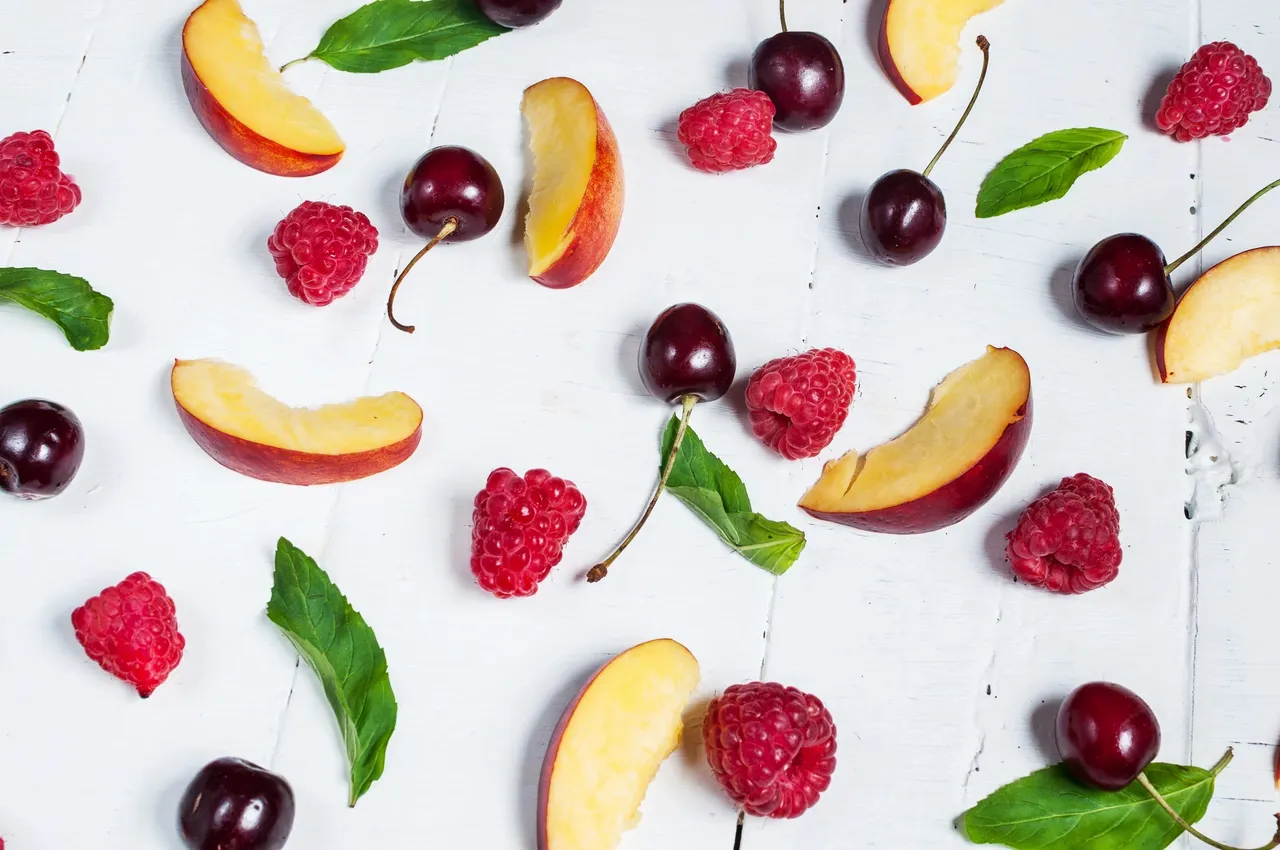
Berries are easy anti-inflammatory foods because they bring fiber and polyphenols without much prep. Blueberries, strawberries, raspberries, blackberries, and frozen mixed berries all work in yogurt, oatmeal, smoothies, salads, or as a simple snack.
Leafy greens add magnesium, folate, vitamin K, fiber, and plant compounds that support overall health. Spinach, kale, arugula, romaine, Swiss chard, collards, and watercress are all useful. If you are not eating many greens now, start with one handful in one meal per day.
Colorful vegetables broaden the nutrient range. Tomatoes, peppers, carrots, broccoli, cabbage, onions, mushrooms, squash, and potatoes can all fit. Most people do not need to avoid nightshades such as tomatoes, peppers, eggplant, or potatoes unless they notice a clear personal reaction or a clinician advises otherwise.
Beans, lentils, nuts, and seeds
Legumes are underrated anti-inflammatory choices because they support gut health, blood sugar control, fullness, and protein intake. Lentils, chickpeas, black beans, white beans, kidney beans, and split peas are inexpensive and versatile. If you are not used to eating them, increase slowly so your gut has time to adjust.
Nuts and seeds provide healthy fats, minerals, fiber, and plant compounds. Walnuts, almonds, pistachios, chia seeds, ground flaxseed, pumpkin seeds, and hemp seeds are all good options. Portions still matter; for most people, a small handful of nuts or one to two tablespoons of seeds is enough.
Protein still matters in this diet, especially if you train, are trying to lose fat, or are over 40. For practical guidance, BeeFit’s guide to protein after 40 explains how to set a realistic daily target.
Turmeric, ginger, herbs, and spices
Turmeric contains curcumin, a compound studied for anti-inflammatory and antioxidant effects. Curcumin is poorly absorbed on its own, and piperine from black pepper can increase bioavailability. However, piperine may also affect medication metabolism: curcumin bioavailability research.
Use spices as food first. Add turmeric to soups, rice, eggs, tofu, or curries with black pepper and a fat source. Use ginger in tea, stir-fries, marinades, smoothies, or soups. Garlic, cinnamon, rosemary, oregano, cumin, and chili can also make healthy meals easier to repeat.
Be more cautious with concentrated curcumin, ginger, fish oil, or other supplements if you take blood thinners, have a bleeding disorder, have gallbladder disease, are preparing for surgery, are pregnant, or take regular medications. “Natural” does not always mean risk-free.
What to Limit for Better Inflammatory Balance
Anti-inflammatory eating is not only about adding good foods. It also helps to reduce the foods and drinks that push the overall diet in the opposite direction.
You do not need perfection. Start by reducing the biggest drivers that show up most often:
- Sugary drinks
- Frequent desserts
- Refined snack foods
- Fried fast food
- Processed meats
- Heavy alcohol intake
- Low-fiber packaged meals
This is not about fearing every treat. The goal is to make your normal diet more nutrient-dense than inflammatory. Eat mostly whole and minimally processed foods, then keep ultra-processed foods occasional instead of automatic.
A Simple Anti-Inflammatory Plate
Use this plate method when you want the benefits of anti-inflammatory foods without tracking every gram.
- Half the plate: vegetables or fruit, such as greens, peppers, broccoli, berries, tomatoes, carrots, cabbage, or mushrooms.
- One quarter of the plate: protein, such as salmon, eggs, Greek yogurt, chicken, tofu, tempeh, lentils, or beans.
- One quarter of the plate: high-fiber carbs, such as oats, potatoes, brown rice, quinoa, beans, lentils, or whole-grain bread.
- Add healthy fat: extra virgin olive oil, avocado, nuts, seeds, or tahini.
That structure gives you fiber, protein, color, and healthy fats in one meal. It also works for fat loss because it supports fullness without relying on extreme restriction. If body composition is part of your goal, BeeFit’s guide to fat loss after 40 covers the bigger picture.
A 1-Day Anti-Inflammatory Food Plan
This sample day is not a detox. It simply combines supportive foods into meals that are filling and repeatable.
- Breakfast: Greek yogurt with berries, chia seeds, walnuts, and cinnamon. Or oatmeal with berries, ground flaxseed, and eggs on the side.
- Lunch: Salmon or tofu bowl with greens, brown rice, olive oil, lemon, chickpeas, and mixed vegetables.
- Snack: Apple with peanut butter, carrots with hummus, or cottage cheese with berries.
- Dinner: Lentil soup with extra vegetables, olive oil, herbs, and a side salad. Or grilled fish with roasted potatoes, broccoli, and olive oil.
- Optional drink: Ginger tea, green tea, or water with lemon.
If you train regularly, pair this eating pattern with a program you can recover from. For a practical strength framework, see BeeFit’s 12-week strength plan after 40.
Common Mistakes With Anti-Inflammatory Eating
Thinking one food fixes everything. No single food cancels poor sleep, high stress, low movement, smoking, or a mostly ultra-processed diet.
Overusing supplements. Fish oil, curcumin, ginger, and tart cherry may help some people, but they should not replace a food-first pattern. If recovery is the issue, BeeFit’s guide to muscle recovery supplements can help you separate useful tools from unnecessary stacks.
Ignoring protein. Anti-inflammatory meals still need protein. Protein supports muscle, recovery, fullness, and healthy aging.
Making the diet too strict. The best plan is one you can follow for years, not one you abandon after two weeks. If a rule makes meals stressful, socially difficult, or nutritionally narrow, it may not be helping.
Anti-Inflammatory Eating FAQ
What are the best anti-inflammatory foods?
The best choices include fatty fish, extra virgin olive oil, berries, leafy greens, beans, lentils, nuts, seeds, turmeric, ginger, and colorful vegetables. The pattern matters more than any single ingredient.
How fast can this eating pattern work?
Some people feel better within a few weeks, especially if they reduce ultra-processed foods and increase fiber. Blood markers such as CRP may take longer, and a healthcare professional should interpret them.
Do I need to cut out gluten or dairy?
Not unless you have celiac disease, an allergy, lactose intolerance, or a clear personal reaction. Many people can include yogurt, kefir, oats, and whole grains as part of an anti-inflammatory eating pattern.
Bottom Line on Anti-Inflammatory Foods
Anti-inflammatory foods work best as a consistent pattern: fatty fish or plant protein, extra virgin olive oil, berries, greens, beans, lentils, nuts, seeds, herbs, spices, and plenty of colorful vegetables.
Then reduce the foods that crowd them out: sugary drinks, refined snacks, fried fast food, processed meats, and heavy alcohol. Skip detox thinking and expensive supplement stacks. Build meals you can repeat, adjust them to your health needs, and get medical guidance when symptoms, medications, or chronic conditions are involved.
This article is for informational purposes only and is not medical advice. Diet can support health, but it does not diagnose, treat, or cure disease. Talk with a qualified healthcare professional before making major dietary changes or starting supplements, especially if you have a chronic condition, take medication, are pregnant, are preparing for surgery, or have a history of disordered eating.
Discover more from BeeFit: Fitness & Wellness
Subscribe to get the latest posts sent to your email.
Share :