Healthy fats for mood and metabolism are not a trend or a loophole in nutrition. They are a normal part of a well-built diet, especially when they come from foods like olive oil, fatty fish, nuts, seeds, avocado, eggs, and minimally processed dairy rather than fried fast food or ultra-processed snacks.
Quick Take
- Dietary fat helps absorb vitamins A, D, E, and K, supports hormone production, and provides steady energy.
- Unsaturated fats from olive oil, nuts, seeds, avocado, and fish are the best everyday foundation for heart and metabolic health.
- Omega-3 fats may support brain and cardiovascular health, but they work best as part of an overall diet pattern.
- Saturated fat does not need to be feared, but most people benefit from keeping it moderate and replacing some of it with unsaturated fats.
- Portion size still matters. Healthy fats are useful, but they are also calorie-dense.
Why Healthy Fats Matter More Than Old Diet Advice Suggested
For decades, fat was treated like the main reason people gained weight or developed heart disease. That message was too simple. The type of fat, the food it comes from, total calorie intake, and the rest of the diet all matter.
Fat provides 9 calories per gram, which makes it more energy-dense than carbohydrate or protein. That helps when you need satisfying meals. However, oils, nut butters, cheese, and dressings are easy to overdo if fat loss is the goal. For readers working on body composition, pairing smart fats with enough protein usually works better than adding more oil to every meal. BeeFit’s high-protein meal plan for fat loss and muscle gain shows how protein, carbs, and fats can fit together without turning nutrition into a guessing game.
Fat is also structural. Cell membranes contain fatty acids. The body uses cholesterol to make steroid hormones. Fat helps the body absorb fat-soluble vitamins. The brain contains a high proportion of lipids, and omega-3 fatty acids such as EPA and DHA support normal brain and eye function. The NIH omega-3 fact sheet explains the main omega-3 types and where they are found.
Healthy Fats for Mood and Metabolism: What the Evidence Supports
The strongest case for healthy fats for mood and metabolism is not that they magically change your brain chemistry overnight. Instead, they support a steadier dietary pattern: better satiety, fewer sharp hunger swings, more nutrient-dense meals, and more consistent energy.
Omega-3s are the most discussed fats in relation to mood. Researchers have explored omega-3 intake and depressive symptoms, with some evidence suggesting benefit in certain populations, especially when EPA is included. Still, omega-3s should support care rather than replace therapy, medication, sleep, social support, or medical treatment when depression or anxiety is present.
Metabolism is also more nuanced than “eat fat to burn fat.” Fat can slow digestion and help meals feel more satisfying, especially with protein and fiber. That may reduce grazing and make a calorie deficit easier to maintain. A 2018 randomized trial in The BMJ found higher energy expenditure during weight-loss maintenance in participants assigned to lower-carbohydrate diets than higher-carbohydrate diets. However, this does not prove one diet is best for everyone. Adherence, food quality, protein intake, activity, sleep, and medical history all affect results.
If you track food intake, measure fat accurately. A tablespoon of oil, a handful of nuts, or a large avocado can change daily calories quickly. BeeFit’s guide to methods of tracking food intake can help if you want more structure without becoming obsessive.
The Best Healthy Fat Sources to Build Meals Around
The most useful approach is food-first. Instead of asking whether fat is “good” or “bad,” look at the source, processing level, portion size, and what it replaces.
Extra virgin olive oil
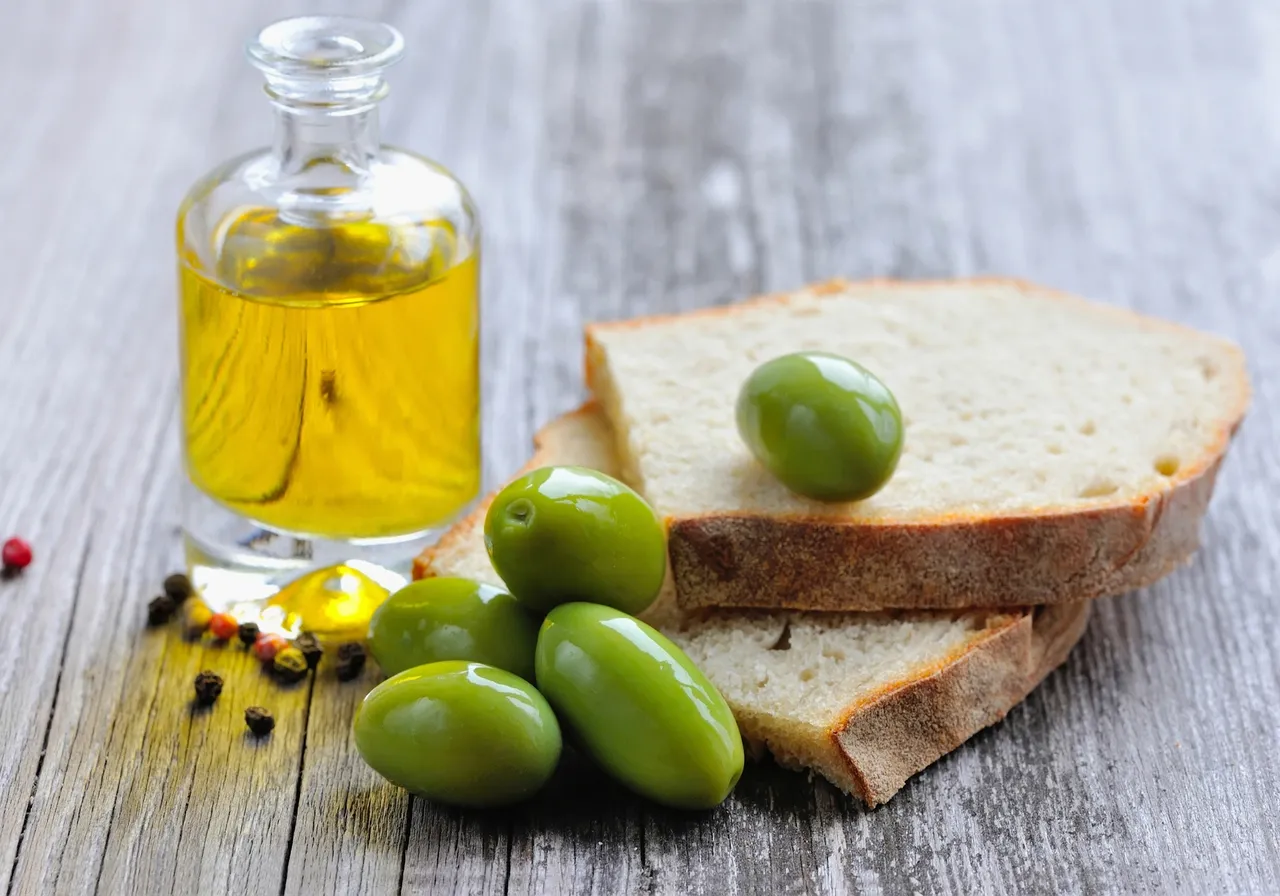
Extra virgin olive oil is rich in monounsaturated fat and polyphenols. It works well on salads, vegetables, beans, fish, and lower- to medium-heat cooking. Researchers have studied Mediterranean-style diets supplemented with extra virgin olive oil or nuts in people at elevated cardiovascular risk, including the well-known PREDIMED trial.
Fatty fish and seafood for omega-3 fats
Salmon, sardines, trout, anchovies, and mackerel provide EPA and DHA, the marine omega-3 fats most often linked with heart and brain health. If you do not eat fish, algae-based DHA/EPA can be an option. Plant foods such as chia, flax, hemp, and walnuts provide ALA, which the body converts only partly into EPA and DHA.
Avocado, nuts, and seeds for balanced meals
Avocado adds monounsaturated fat, fiber, and potassium. Nuts and seeds bring unsaturated fats, magnesium, fiber, and texture that makes meals more satisfying. For a practical portion, think one small handful of nuts, one to two tablespoons of seeds, or a quarter to half an avocado.
Eggs, dairy, coconut oil, ghee, and butter
These foods can fit in some diets, but they should not be treated the same as olive oil, nuts, and fish. Butter, ghee, coconut oil, fatty meats, and full-fat dairy can raise saturated fat intake quickly. Current U.S. dietary guidance recommends limiting saturated fat to less than 10% of daily calories. When possible, replace some saturated fat with unsaturated fat. People with high LDL cholesterol, cardiovascular disease, diabetes, or a strong family history of heart disease should be especially thoughtful here.
Healthy Fats, Fitness, and Recovery
Healthy fats for mood and metabolism also matter for active people, but they are not usually the main workout fuel for hard training. Carbohydrates still play an important role in higher-intensity lifting, intervals, running, cycling, and team sports. Fat matters more for baseline energy, hormone support, meal satisfaction, and lower-intensity endurance work.
Before a workout, very high-fat meals can feel heavy because fat slows gastric emptying. Many people do better with protein plus easy-to-digest carbs before training, then include moderate fat later in the day. After training, protein and carbohydrate are the priorities for muscle repair and glycogen replenishment. Healthy fats can still fit in the meal without needing to dominate it. BeeFit’s guide to pre- and post-workout meals breaks down that timing in more detail.
Omega-3 intake may help manage inflammation as part of an overall recovery strategy. However, it will not compensate for under-eating, poor sleep, or training too hard too often. Recovery still depends on the basics: enough total food, adequate protein, smart programming, hydration, and rest days.
How to Use Healthy Fats Without Overdoing Them
The simplest way to use healthy fats for mood and metabolism is to make them part of balanced meals instead of adding them randomly. A strong plate usually includes protein, fiber-rich carbs or vegetables, and a measured fat source.
- Use olive oil vinaigrette instead of creamy bottled dressings most of the time.
- Add salmon, sardines, or trout once or twice weekly if you eat seafood.
- Sprinkle chia, flax, pumpkin seeds, or walnuts into yogurt, oatmeal, salads, or smoothies.
- Choose avocado or hummus for creaminess instead of relying only on cheese or mayo.
- Keep fried foods, pastries, processed meats, and packaged snacks as occasional foods rather than daily fat sources.
Seed oils deserve a balanced note. Highly refined oils in ultra-processed foods often come packaged with excess calories, sodium, and low fiber. That pattern is a real problem. But oils such as canola, soybean, or sunflower are not automatically toxic in normal culinary amounts. The bigger pattern matters more: more whole foods, more unsaturated fats, fewer deep-fried and ultra-processed foods.
FAQs About Healthy Fats for Mood and Metabolism
How much fat should I eat each day?
Many adults do well with roughly 20–35% of calories from fat. The right amount depends on calorie needs, health conditions, training volume, preferences, and the rest of the diet. Quality matters as much as the percentage.
Can eating fat help with weight loss?
It can help indirectly by improving fullness and making meals more satisfying. Fat loss still requires an appropriate calorie intake, enough protein, resistance training, and consistency. Healthy fats do not override total energy balance.
What is the healthiest cooking oil?
Extra virgin olive oil is a strong everyday choice. Avocado oil can work well for higher-heat cooking. Butter and ghee are fine for flavor in small amounts, but they should not be your main fat source if you are trying to lower saturated fat.
The Bottom Line
Healthy fats for mood and metabolism work best when they replace lower-quality foods rather than simply adding extra calories. Build most meals around protein, plants, fiber-rich carbs, and unsaturated fats from olive oil, nuts, seeds, avocado, and fish. Keep saturated fats moderate. Personalize your approach if you have lipid disorders, gallbladder disease, diabetes, cardiovascular disease, or a medically prescribed diet.
This article is for informational purposes only and is not medical advice. Consult a healthcare provider or registered dietitian before making major dietary changes, especially if you have a medical condition, take medication, or follow a therapeutic diet.
Discover more from BeeFit: Fitness & Wellness
Subscribe to get the latest posts sent to your email.
Share :