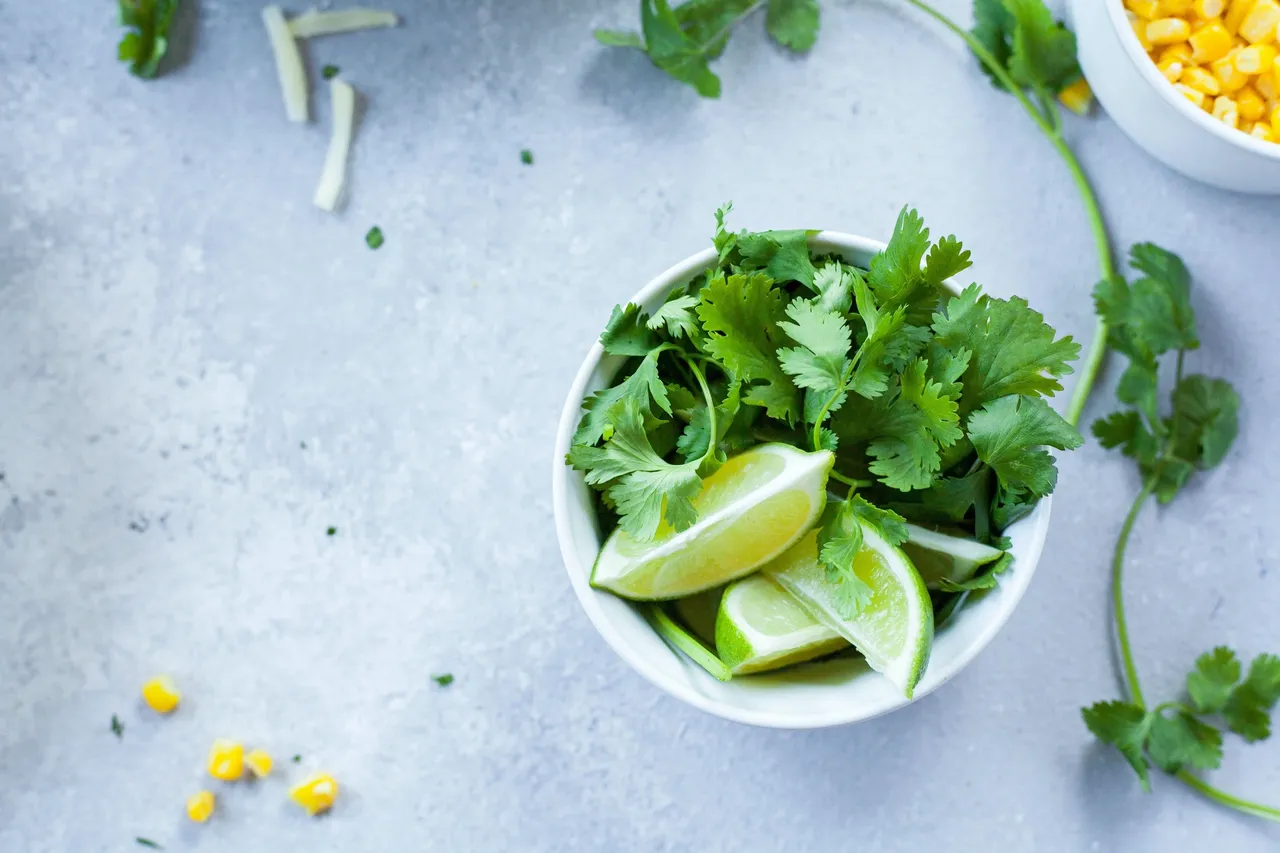
Cilantro benefits are often overstated online, but this fresh herb still deserves more credit than a last-minute garnish. Cilantro, the leafy part of Coriandrum sativum, adds bright flavor, small amounts of key micronutrients, and plant compounds that researchers study for antioxidant, metabolic, digestive, and antimicrobial effects.
Quick Take
- Cilantro is low in calories and provides vitamin K, carotenoids, vitamin C, and aromatic plant compounds.
- Many cilantro benefits come from lab, animal, or early human research, so view cilantro as a helpful food, not a treatment.
- The “soapy” taste some people notice is linked partly to genetic differences in smell receptors.
- Use cilantro fresh, add it near the end of cooking, and rinse it well before eating.
- People taking warfarin, diabetes medication, or blood pressure medication should keep intake consistent and ask a clinician before using concentrated extracts.
Cilantro Nutrition: What Is Actually in the Leaves?
Cilantro is not a major source of calories, protein, carbohydrates, or fat. Its value comes from flavor density and micronutrients. According to USDA-based nutrition data, one cup of raw cilantro leaves provides only a few calories. It also contributes vitamin K, small amounts of vitamin A precursors, vitamin C, potassium, and folate. A larger 100-gram portion is much richer in these nutrients, but most people eat cilantro in smaller handfuls.
The most practical nutrient to note is vitamin K, which supports normal blood clotting and bone metabolism. That does not make cilantro a bone-health solution by itself. Still, using fresh herbs regularly can contribute to a more nutrient-dense eating pattern.
Cilantro also contains flavonoids, phenolic compounds, and volatile oils such as linalool. These compounds help explain cilantro’s distinctive aroma. They are also why researchers study the plant for antioxidant and anti-inflammatory potential, although much of this work uses extracts rather than typical culinary portions.
If your goal is better overall nutrition, cilantro works best alongside vegetables, legumes, whole grains, lean proteins, and healthy fats. For a broader foundation, BeeFit’s guide to practical healthy eating habits covers the larger food choices that matter most.
Cilantro Benefits: What the Evidence Suggests
The most honest way to discuss cilantro benefits is to separate everyday food benefits from medicinal claims. Fresh cilantro can improve diet quality because it makes vegetables, beans, fish, soups, and grain bowls more flavorful without much sodium, sugar, or saturated fat. That alone can help people eat more whole foods consistently.
On the research side, preclinical studies on Coriandrum sativum suggest potential effects on inflammatory markers. However, these findings do not prove that a handful of cilantro will reduce inflammation in humans. The better takeaway is modest: cilantro adds antioxidant-rich plant compounds to an already balanced diet.
Blood sugar claims also need caution. Some animal and lab studies suggest coriander preparations may influence glucose metabolism or insulin-related pathways. That research includes work on coriander in diabetic mice, but it is not the same as a human clinical recommendation. If you are working on glucose control, prioritize fiber-rich carbohydrates, protein distribution, activity, sleep, and medical guidance. BeeFit’s eat less sugar challenge offers more practical steps than relying on any one herb.
Cilantro may also support heart-friendly eating indirectly. Its potassium content is modest in normal servings, but fresh herbs can help reduce dependence on salty sauces and heavy dressings. In a Mediterranean-style meal, cilantro can brighten beans, lentils, fish, rice bowls, and salads. For budget-friendly examples of that pattern, see BeeFit’s guide to a Mediterranean diet on a budget.
Digestive benefits are plausible but not guaranteed. Coriander has a long history of culinary and traditional use for digestion, and some studies have examined extracts or seed preparations. For everyday use, the safest claim is that cilantro can make high-fiber meals more enjoyable. It may also feel soothing for some people. If raw herbs worsen bloating or reflux for you, use smaller amounts or try cooked herbs instead.
Cilantro Food Safety and Antimicrobial Claims
Cilantro’s essential oils have shown antimicrobial activity in laboratory settings, and researchers have studied coriander compounds against certain foodborne microbes. Those findings are useful scientifically, but they should not become a food-safety shortcut. Fresh cilantro does not “sanitize” salsa, ceviche, chicken, seafood, or cutting boards.
Handle it like other fresh produce. Rinse cilantro thoroughly under cool running water, remove slimy or yellow leaves, dry it well, and store it cold. Keep herbs away from raw meat juices and use clean knives and boards. The U.S. Food and Drug Administration’s produce safety guidance is a useful reminder that fresh herbs can carry soil or microbes without proper handling.
Why Cilantro Tastes Like Soap to Some People
The cilantro divide is real. For some people, cilantro tastes fresh, citrusy, and slightly peppery. For others, it tastes like soap, metal, or detergent. That reaction is not just stubbornness or picky eating.
A large genetic study on cilantro preference linked soapy cilantro perception with variation near olfactory receptor genes, including OR6A2. This receptor helps detect aldehyde compounds found in cilantro aroma. The association is not destiny; culture, repeated exposure, recipe style, and individual taste experience still matter. But if cilantro tastes aggressively soapy to you, there is a biological explanation.
If you want to make cilantro more tolerable, try chopping it very finely, pairing it with lime, blending it into sauces, or using smaller amounts with parsley. If you still dislike it, skip it. Parsley, basil, mint, dill, chives, and scallions can all bring freshness without forcing a flavor you hate.
How to Use Cilantro for Flavor and Nutrition
Fresh cilantro is usually the better choice. Dried cilantro loses much of the aroma that makes the herb useful in the first place. Heat can also dull the flavor, so add cilantro at the end of cooking or use it raw when the dish allows.
- Store it like flowers: Trim the stems, place the bunch in a jar with a little water, cover loosely, and refrigerate.
- Use the stems: Tender stems have strong flavor and work well in sauces, marinades, soups, and stir-fries.
- Pair it with acid: Lime juice, lemon juice, vinegar, and yogurt balance cilantro’s sharper notes.
- Add it to protein-rich meals: Try it with eggs, grilled fish, chicken, tofu, beans, lentils, or Greek yogurt sauces.
- Blend it into sauces: Cilantro, lime, garlic, olive oil, and pumpkin seeds make a quick drizzle for bowls or tacos.
For athletes or active readers, cilantro can make simple recovery meals more appealing without changing the core nutrition target. A rice bowl with beans, vegetables, avocado, salsa, and a generous handful of cilantro is more useful than treating the herb as a supplement. BeeFit’s guide to plant-based nutrition for strength, endurance, and recovery gives more context on building meals that support training.
Cilantro Risks, Interactions, and Who Should Be Careful
Culinary cilantro is safe for most people. The main concerns involve allergies, food safety, medication interactions, and concentrated products. People allergic to related Apiaceae-family foods such as celery, fennel, dill, anise, or caraway may be more likely to react, although cilantro allergy is uncommon.
If you take warfarin or another medication affected by vitamin K intake, do not suddenly swing from almost no greens to large daily amounts of cilantro and other leafy herbs. The goal is consistency, not avoidance, unless your clinician gives different instructions.
People taking diabetes or blood pressure medication should also be careful with cilantro extracts, coriander supplements, or medicinal teas. Food amounts are unlikely to cause a major effect for most people, but concentrated products may behave differently than herbs sprinkled on food.
During pregnancy, typical culinary amounts used in meals are generally the sensible limit. Avoid high-dose extracts, tinctures, or medicinal preparations unless your obstetric clinician approves them.
Cilantro vs. Coriander: Same Plant, Different Parts
In the United States, “cilantro” usually refers to the fresh leaves and stems, while “coriander” usually refers to the dried seeds. In many other countries, coriander may refer to the whole plant or the fresh leaves. The naming can be confusing, but the kitchen difference is simple.
- Cilantro leaves: Fresh, citrusy, delicate, and best added near the end of cooking.
- Coriander seeds: Warm, floral, slightly nutty, and often toasted or ground into spice blends.
Their nutrition and research profiles differ because leaves and seeds contain different compounds in different amounts. Cilantro benefits should not automatically be assumed from coriander seed studies. Likewise, coriander supplement claims should not apply directly to fresh leaves.
FAQ
How much cilantro should I eat?
There is no official target. A small handful added to meals several times per week is a realistic way to get flavor and plant compounds without treating cilantro like medicine.
Is cilantro better raw or cooked?
Raw or lightly added at the end of cooking preserves the most aroma and heat-sensitive compounds. Cooked cilantro is still fine if you prefer the softer flavor.
Are cilantro supplements worth taking?
For most people, no. Whole cilantro is safer, cheaper, and easier to fit into meals. Supplements are more concentrated and may carry greater interaction risks.
The Bottom Line on Cilantro Benefits
Cilantro benefits are real but modest. Fresh cilantro can add vitamin K, aroma compounds, antioxidants, and flavor that helps you enjoy nutrient-dense meals. The strongest reason to use it is practical: it makes simple whole foods taste better. If you like cilantro, use it generously and safely. If your genes make it taste like soap, choose another fresh herb and move on.
This article is for informational purposes only and is not a substitute for professional medical advice, diagnosis, or treatment. Always ask your physician or another qualified health provider about medical conditions, medication interactions, pregnancy concerns, or significant diet changes.
Discover more from BeeFit: Fitness & Wellness
Subscribe to get the latest posts sent to your email.
Share :