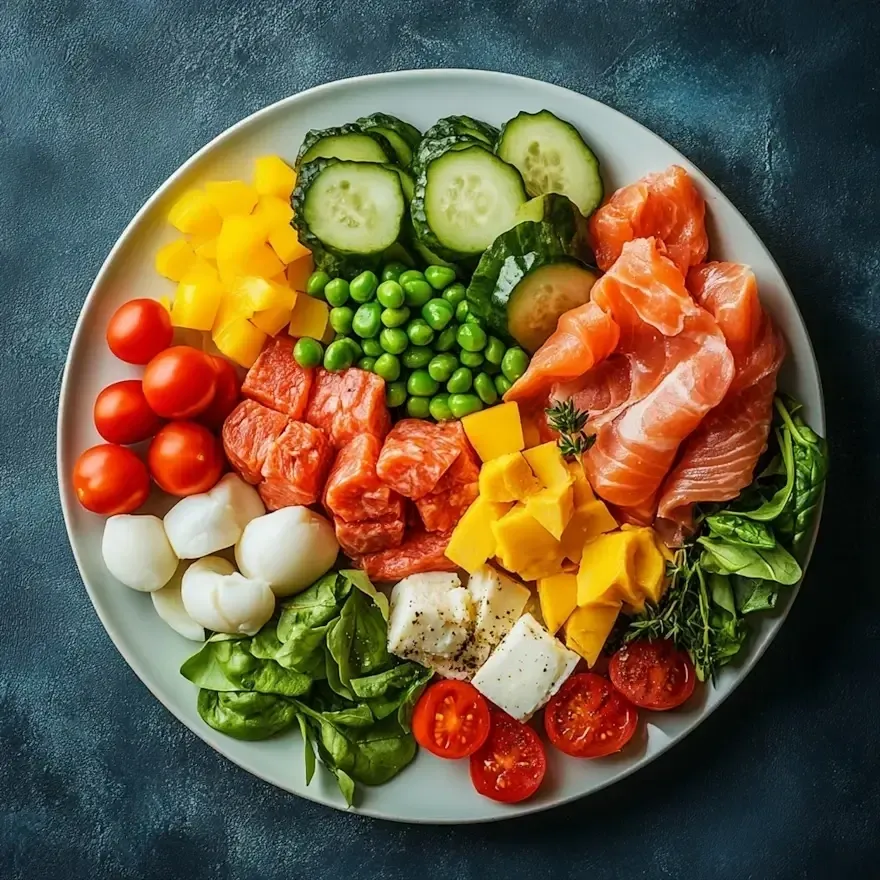
If your protein routine is mostly chicken breast, whey shakes, and the occasional egg, you are not failing your diet. You may just be making it narrower than it needs to be. Protein variety helps you cover more amino acids, minerals, fats, fiber, and meal textures without turning eating into a complicated plan.
Quick Take
- Aim for a practical protein target first, then rotate foods so your diet covers more nutrients.
- Most active adults do well with protein spread across meals rather than saved for dinner.
- Animal proteins, seafood, dairy, soy, beans, lentils, and grains each bring different benefits.
- Supplements can help, but whole-food protein sources usually provide more nutrition per bite.
Why Protein Variety Matters
Protein is not just a number on a tracking app. Each food brings a different amino acid profile, digestion rate, micronutrient package, and level of meal satisfaction. Chicken is useful, but it cannot do everything.
High-quality animal proteins tend to be rich in essential amino acids, including leucine, which helps trigger muscle protein synthesis. Dairy adds calcium and often vitamin B12. Seafood provides protein plus omega-3 fats. Beans and lentils bring fiber, potassium, magnesium, and polyphenols that most Americans could use more of.
This is where protein variety becomes practical. Rotating between eggs, Greek yogurt, salmon, turkey, tempeh, lentils, beans, cottage cheese, sardines, and quinoa gives you a broader nutrient base than repeating the same lean meat every day.
For active people, the International Society of Sports Nutrition notes that protein needs are often higher than the basic deficiency-prevention RDA, especially when training, dieting, or trying to support lean mass. Their position stand on protein and exercise is a useful evidence-based reference.
How Much Protein Do You Need?
The RDA of 0.8 grams per kilogram of body weight is designed to prevent deficiency in most healthy adults. It is not necessarily the best target for strength training, fat loss, healthy aging, or high activity.
A practical range for many active adults is about 1.2–2.2 grams per kilogram per day, depending on body size, training volume, total calories, age, and goals. People in aggressive fat-loss phases, athletes, and some adults over 40 may benefit from the higher end, but more is not automatically better.
For example, a 150-pound person weighs about 68 kilograms. At 1.6 g/kg, that is roughly 110 grams per day. At 2.2 g/kg, it is about 150 grams per day.
Meal spacing matters too. A review on protein distribution and muscle-building suggests a target around 0.4 g/kg per meal across multiple meals as a useful starting point for maximizing daily muscle protein synthesis. For many people, that lands near 25–40 grams of protein at each main meal.
If you have kidney disease, are pregnant, have a medical condition, or are managing nutrition around medication, get individualized advice from a qualified clinician or registered dietitian before pushing protein higher.
10 High-Protein Foods Beyond Chicken
Use this list to build protein variety without overcomplicating your grocery cart. The goal is not to eat all 10 every week. Pick a few, rotate them, and keep the meals realistic.
1. Cottage Cheese Protein
Cottage cheese provides roughly 25 grams of protein per cup, depending on the brand. It is rich in casein, a slower-digesting dairy protein that works well as a breakfast base, snack, or pre-bed option.
Choose plain versions if you want to control added sugar. Try it with berries and cinnamon, cucumber and pepper, or olive oil and tomatoes for a savory bowl.
2. Egg Protein
Eggs are complete proteins and easy to use across meals. One large egg has about 6 grams of protein, while egg whites can help raise protein without adding much fat.
Whole eggs also provide choline, selenium, and fat-soluble nutrients. Use them in omelets, breakfast tacos, rice bowls, or hard-boiled snack boxes.
3. Lentils for Plant Protein
Lentils offer about 18 grams of protein per cooked cup, plus a large dose of fiber. That combination makes them filling, affordable, and useful for blood-sugar-friendly meals.
They fit well in soups, chili, curries, salads, and rice bowls. If you are trying to eat more Mediterranean-style meals without overspending, BeeFit’s guide to the Mediterranean diet on a budget has more low-cost staples that pair well with legumes.
4. Salmon for Protein and Omega-3s
Salmon delivers high-quality protein plus EPA and DHA omega-3 fats. The FDA lists salmon among its lower-mercury “Best Choices” in its advice about eating fish, making it a strong seafood option for many households.
Fresh, frozen, canned, and pouch salmon can all work. Pair it with quinoa, potatoes, rice, roasted vegetables, or greens.
5. Tempeh
Tempeh is a fermented soy food with a firm texture and roughly 20 grams of protein per cup. It contains all essential amino acids, which makes it one of the most useful plant proteins for people who train.
Marinate it before cooking, then add it to stir-fries, salads, tacos, or grain bowls. If tofu feels too soft or bland, tempeh is often the better entry point.
6. Greek Yogurt
Plain Greek yogurt usually provides about 15–20 grams of protein per serving. It also brings calcium and, in many products, live cultures.
Use it as a breakfast bowl, smoothie thickener, sour cream replacement, or dip base. For a faster breakfast option, you can also compare it with BeeFit’s guide to protein cereal as a smarter breakfast.
7. Black Beans
Black beans provide about 15 grams of protein per cooked cup, along with fiber and slow-digesting carbohydrates. They are not as protein-dense as meat, but they are excellent for fullness and overall diet quality.
Add them to burrito bowls, tacos, egg scrambles, soups, or salads with avocado and salsa.
8. Sardines
Sardines are compact, inexpensive, and nutrient-dense. A can often provides more than 20 grams of protein, plus omega-3 fats. If you eat the soft bones, you also get calcium.
Try sardines on toast, in salads, mixed with mustard and lemon, or alongside crackers and vegetables. Like salmon, sardines are listed by the FDA as a lower-mercury choice.
9. Quinoa
Quinoa is not a protein powerhouse compared with fish or dairy, but it is a useful grain-like seed with about 8 grams of protein per cooked cup. It also adds fiber, magnesium, and iron.
Think of quinoa as a carb base with bonus protein. It becomes more effective when paired with eggs, beans, turkey, salmon, or tempeh.
10. Turkey Breast
Turkey breast is lean, familiar, and easy to meal prep. A 4-ounce cooked serving typically lands around 25 grams of protein.
Use turkey in rice bowls, lettuce wraps, sandwiches, soups, or simple plates with vegetables and potatoes. It is not more magical than chicken, but it helps expand your options while keeping meals simple.
What About Protein Powders and Snacks?
Protein powders, bars, and ready-to-drink shakes can be helpful when you are traveling, training early, short on appetite, or struggling to hit your target. They should support your diet, not replace most of it.
Look for products with at least 15–25 grams of protein, a short ingredient list, and a sweetener profile you tolerate. Sugar alcohols, gums, and high-fiber additives are fine for some people but can cause bloating or digestive discomfort in others.
If your goal is muscle gain or muscle retention, BeeFit’s guide to protein for muscle growth goes deeper on daily targets, powders, collagen, and food timing.
How to Build Protein Variety Into Real Meals
The easiest system is to choose one protein anchor per meal, then rotate the anchor every few days. Breakfast might alternate between eggs, Greek yogurt, cottage cheese, and a protein smoothie. Lunch can rotate turkey, lentils, tempeh, tuna, beans, or leftovers. Dinner can include salmon, sardines, lean beef, chicken, tofu, or legumes.
- Prep two proteins at once, such as turkey and lentils, so meals do not feel repetitive.
- Keep one emergency protein on hand: canned fish, Greek yogurt, boiled eggs, or frozen edamame.
- Pair plant proteins with grains, dairy, eggs, or soy if you need a higher-protein meal.
- Use sauces, herbs, citrus, salsa, and spices to change flavor without changing the whole meal.
Good protein variety is not about chasing rare superfoods. It is about making your normal meals more complete, more flexible, and easier to repeat.
FAQs
Is plant protein as effective as animal protein?
It can be, especially when total protein is high enough and sources are varied. Soy, tempeh, tofu, quinoa, beans, lentils, nuts, seeds, and grains can all contribute. Some plant proteins are lower in certain essential amino acids, so variety and adequate portions matter.
Can I build muscle with whole foods only?
Yes. Protein powder is convenient, not required. Whole foods can fully support muscle growth when daily intake, strength training, calories, sleep, and recovery are aligned.
What is the best protein for fat loss?
The best choice is one that helps you stay full, hit your target, and maintain a calorie deficit without feeling miserable. Greek yogurt, eggs, cottage cheese, fish, poultry, tofu, tempeh, beans, and lentils can all work.
The Bottom Line
Chicken is useful, but it should not be your entire protein strategy. Better protein variety helps you cover amino acids, fiber, minerals, omega-3 fats, meal satisfaction, and long-term consistency. Start with one swap this week: salmon instead of chicken, lentils instead of rice alone, Greek yogurt instead of a low-protein snack, or tempeh in your next stir-fry.
This article is for informational purposes only and is not medical nutrition therapy. Consult a registered dietitian or healthcare provider before making major dietary changes, especially if you have kidney disease, are pregnant, take prescription medication, or manage a chronic condition.
Discover more from BeeFit: Fitness & Wellness
Subscribe to get the latest posts sent to your email.
Share :