A CGM for non-diabetics can be useful, but it is easy to over-read the data. Continuous glucose monitors show moment-to-moment glucose changes in the fluid under your skin. They do not provide a complete diagnosis of metabolic health. For people without diabetes, the research is promising in some areas and still very limited in others.
Quick Take
- CGM data in people without diabetes may not line up well with HbA1c, especially when glucose control is already normal.
- Healthy people can have post-meal spikes, short dips, and daily variation without those readings automatically meaning something is wrong.
- CGMs may work best as short-term biofeedback tools for food, activity, sleep, and stress patterns.
- Research has not yet proven that CGM-guided eating prevents diabetes or improves long-term outcomes in metabolically healthy adults.
- Repeated unexpected highs, symptoms, or strong family risk should be discussed with a clinician using standard lab testing.
1. A CGM for Non-Diabetics Is Not the Same as a Diagnosis
For people with diabetes, CGMs can be clinically important because they help identify time in range, hypoglycemia risk, and treatment response. For people without diabetes, the meaning is less settled.
A Mass General Brigham research summary of a 2025 Diabetes Technology & Therapeutics study reported mixed results by diabetes status. CGM metrics tracked well with HbA1c in people with type 2 diabetes, weakened in people with prediabetes, and were largely unrelated to HbA1c in people with normal glycemia. That does not make CGMs useless. It means a normal-range person’s short-term fluctuations may not reflect the same long-term glucose exposure that HbA1c estimates. Mass General Brigham’s summary is a useful caution against treating consumer CGM dashboards like diagnostic lab reports.
HbA1c is not perfect either. Red blood cell turnover, anemia, kidney disease, pregnancy, some medications, and other factors can affect it. Still, clinicians diagnose diabetes and prediabetes with validated blood tests, not with a consumer app’s interpretation of one or two weeks of sensor data.
Practical use: if your CGM repeatedly shows unexpected highs, use that as a reason to ask your clinician about fasting glucose, HbA1c, or an oral glucose tolerance test. Do the same if you have symptoms such as excessive thirst, frequent urination, unexplained weight change, or strong family risk.
2. Normal Glucose Patterns With CGM Data
One common downside of wearing a CGM for non-diabetics is assuming every rise after a meal is a problem. Glucose is supposed to move. Carbohydrate-containing meals, intense exercise, poor sleep, illness, caffeine, stress, menstrual cycle changes, and alcohol can all shift readings.
In a multicenter prospective study of 153 healthy participants wearing Dexcom G6 sensors, participants spent a median of 96% of time between 70 and 140 mg/dL. They also had some time above and below that range. The point is not that everyone must hit 96%. Even carefully screened healthy people did not produce flat glucose lines all day. The full study is helpful because it shows normal variation rather than idealized wellness-app targets.
Brief readings below 70 mg/dL can also happen, especially overnight or around exercise. CGMs may also be less reliable during rapid changes or pressure on the sensor. A low reading with shakiness, sweating, confusion, or faintness deserves attention. Depending on your situation, one low reading without symptoms may need confirmation with a fingerstick meter.
Practical use: look for repeatable patterns, not isolated numbers. A meal that sends you high and leaves you hungry an hour later may be worth adjusting. A one-time spike after a large dessert at a celebration is not a metabolic emergency.
3. CGMs Can Teach You About Meal Composition
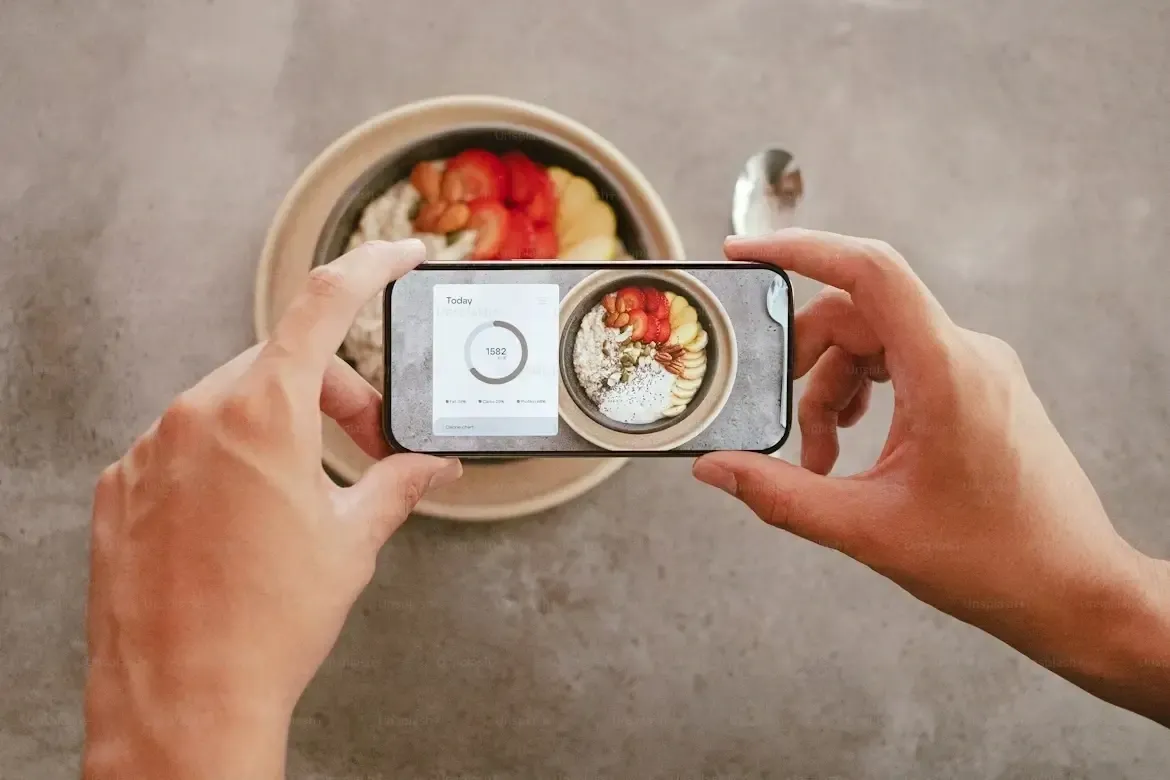
The strongest everyday argument for a CGM for non-diabetics is behavioral feedback. You may learn that a bowl of cereal alone affects you differently than Greek yogurt with berries and nuts. A short walk after dinner may also change your glucose curve.
That feedback can be useful when it leads to better habits: more protein at breakfast, higher-fiber carbohydrates, less liquid sugar, better meal timing, or a walk after a large meal. BeeFit’s guide to protein’s role in appetite and metabolic health can help you build meals that are more satisfying without turning eating into glucose micromanagement.
A 10-day study using CGM, food logging, activity tracking, and app feedback found that about half of participants improved time in range. Among those who improved, the average improvement was 6.4%. That is interesting, but the study was short-term. It measured CGM metrics rather than hard outcomes like diabetes prevention, cardiovascular events, or long-term weight maintenance. The study supports the biofeedback idea, not the claim that everyone needs a CGM.
Practical use: test simple changes before cutting foods out. Add protein, fiber, and healthy fats to carbohydrate-heavy meals. Compare a 10-minute walk after dinner with sitting. Notice hunger, energy, and performance alongside the glucose graph.
4. CGM High Readings Need Context, Not Panic
Some research has found glucose excursions into ranges typically associated with diabetes in a subset of people without a diabetes diagnosis. In some cases, that may reveal unrecognized dysglycemia. Sensor error, unusual meals, illness, stress, or normal individual variation may also play a role.
This is where a CGM for non-diabetics can become either helpful or harmful. Helpful means noticing that the same breakfast repeatedly pushes you high and leaves you tired, then improving the meal. Harmful means labeling yourself metabolically broken because one meal produced a number you did not expect.
Exercise adds another layer. Strength training, intervals, and competition can temporarily raise glucose because stress hormones mobilize fuel. A gentle walk may lower a post-meal rise. Neither response is automatically good or bad without context. If you train regularly, BeeFit’s nutrition guide for strength, endurance, and recovery can help you think about carbohydrates as training fuel rather than just a number on a graph.
Practical use: if you repeatedly see values above 180 mg/dL after ordinary meals, bring the data to a healthcare professional. Bring it sooner if highs come with symptoms. Do not diagnose prediabetes or diabetes from CGM data alone.
5. The Biggest Risk Is Over-Optimization
A CGM for non-diabetics can make normal biology look like a problem to solve. That can lead to unnecessary food fear, carbohydrate avoidance, repeated checking, and anxiety over readings that may not matter clinically.
The basics still carry more evidence than glucose micro-optimization: mostly minimally processed foods, adequate protein, high-fiber carbohydrates, regular physical activity, sufficient sleep, and a body weight that supports your health. If poor sleep is driving cravings, fatigue, and worse training recovery, a flatter breakfast glucose curve will not fix the bigger issue. BeeFit’s article on sleep and fitness recovery is a better starting point for many people than another sensor cycle.
For many healthy adults, the best use is a short experiment: wear a sensor for two to four weeks, learn your repeatable patterns, make a few durable changes, then stop. Continuous tracking is rarely necessary unless a clinician recommends it for a specific reason.
FAQ
Should I use a CGM if I do not have diabetes?
Maybe, but you probably do not need one. Short-term CGM use can be useful if you are curious about meal timing, post-meal walks, or personal food responses. It is not required for good health.
What glucose range should I aim for without diabetes?
There is no universally accepted consumer target for healthy people. Research often discusses 70–140 mg/dL as a tight reference range, but brief movement outside that range can occur. Trends, symptoms, and validated lab tests matter more than one number.
Can a CGM help with weight loss?
Possibly, if it helps you choose meals that improve fullness and reduce mindless snacking. The weight-loss effect would likely come from behavior change and calorie balance, not from flattening every glucose rise.
Use the Data, But Keep the Hierarchy Right
A CGM for non-diabetics is best treated as a learning tool, not a diagnosis, scorecard, or reason to chase perfect flatlines. If it helps you build better meals, walk after dinner, sleep more consistently, or notice patterns worth discussing with your doctor, it has value.
If it makes you anxious, restrictive, or focused on tiny fluctuations instead of durable habits, the cost may outweigh the benefit. Use CGM data to support common sense, not replace it.
This article is for informational purposes only and is not a substitute for professional medical advice, diagnosis, or treatment. Always consult with a qualified healthcare provider about glucose concerns, diabetes risk, medications, symptoms, or major nutrition and exercise changes.
Discover more from BeeFit: Fitness & Wellness
Subscribe to get the latest posts sent to your email.
Share :