The benefits of protein extend beyond building bigger muscles. Protein supplies amino acids needed throughout the body and can support muscle maintenance, fullness, recovery, and healthy aging. However, it should not be presented as a standalone treatment for obesity, dementia, or metabolic disease.
Quick Take
- Protein supports muscle repair, but resistance training provides the main signal for building and preserving muscle.
- Higher-protein meals often improve short-term fullness, although they do not guarantee lower daily calorie intake.
- Observational research links some protein-rich foods—particularly legumes—with better cognitive-aging outcomes, but it does not prove dementia prevention.
- Most exercising adults do not need one gram of protein per pound.
- Animal and plant foods can both support muscle when total protein and essential amino-acid intake are sufficient.
How Do the Benefits of Protein Support Muscle and Healthy Aging?
Dietary protein provides essential amino acids used to repair and build body tissues. When combined with progressive resistance training, adequate intake can support gains in strength and lean mass.
Protein alone cannot prevent age-related muscle loss. Physical inactivity, illness, low calorie intake, hormonal changes, and inadequate training can all contribute.
A major meta-analysis found that protein supplementation modestly enhanced resistance-training results. Additional benefits appeared to level off around 1.6 grams per kilogram of body weight daily for many participants.
That is approximately 0.73 grams per pound—not a universal requirement to eat one gram per pound.
For a complete strategy, read BeeFit’s Protein for Muscle Growth and Strength Training After 40 guides.
Can Protein Improve Appetite and Fullness?
Protein-rich meals often produce greater short-term fullness than meals containing less protein. Possible mechanisms include changes in ghrelin, GLP-1, peptide YY, and cholecystokinin, along with slower digestion and protein’s relatively high thermic effect.
However, hormone changes do not guarantee that someone will eat fewer calories later. A controlled meal study found that protein increased GLP-1 and PYY without reducing subsequent food intake when meal volume and calories were carefully matched.
The practical takeaway is not that protein overrides energy balance. It is that including a meaningful protein source at meals may make an appropriate calorie target easier to follow.
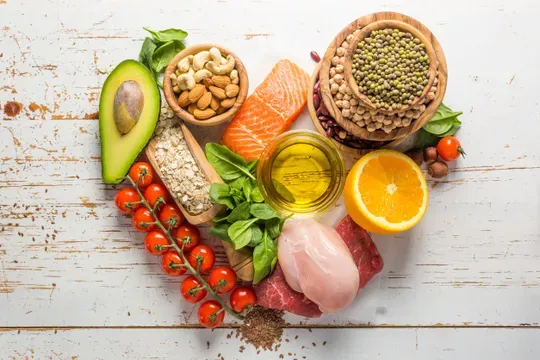
Useful options include:
- Greek yogurt or cottage cheese
- Eggs
- Fish or poultry
- Tofu or tempeh
- Beans and lentils
- Whey, soy, or pea-based protein powder
Protein at breakfast may help some people manage hunger, but there is no requirement to front-load it if another eating pattern works better.
Do the Benefits of Protein Include Better Brain Health?
One large study followed approximately 77,000 US health professionals and examined long-term protein intake in relation to later subjective cognitive decline.
Higher plant and animal protein intake—when modeled as replacing carbohydrate—was associated with fewer self-reported cognitive problems. Beans and legumes showed particularly favorable associations.
This is encouraging but does not establish that protein prevents dementia. The study was observational, relied partly on dietary questionnaires, and could not remove every lifestyle difference between participants.
Protein source may matter because foods provide more than amino acids. Legumes also contain fiber and polyphenols, while fish can provide omega-3 fats. These complete food packages may be more relevant to brain health than protein alone.
A brain-supportive diet should therefore emphasize overall quality: vegetables, fruit, legumes, whole grains, nuts, fish, and appropriate protein—not simply replacing every carbohydrate with meat or powder.
Are Plant Proteins as Effective as Animal Proteins?
Plant proteins can support muscle growth when total protein is sufficient.
Some individual plant foods contain lower proportions of leucine or another essential amino acid than dairy, eggs, or meat. That does not make them useless or require carefully combining foods at every meal.
In a 12-week resistance-training study, a high-protein vegan diet supported similar muscle and strength gains to a protein-matched omnivorous diet.
Useful plant sources include:
- Soy foods
- Lentils and beans
- Peas
- Seitan
- Nuts and seeds
- Pea, soy, or blended protein powders
Read BeeFit’s Plant vs. Animal Protein comparison for a detailed breakdown.
How Much Protein Do You Need?
| Goal or population | Practical daily range |
|---|---|
| Generally sedentary healthy adult | Around 0.8 g/kg |
| Regular exercise | Approximately 1.2–1.6 g/kg |
| Muscle-building training | Approximately 1.4–2.0 g/kg |
| Calorie deficit or specialized athletic goal | May require individualized higher intake |
These are planning ranges, not prescriptions. Needs vary with age, training, calorie intake, health, and body composition.
People with kidney disease, liver disease, pregnancy, medically restricted diets, or significant health conditions should obtain individualized guidance.
Protein distribution can be useful, but it does not need to be perfect. Three or four meals containing meaningful protein is a practical structure for many adults.
BeeFit’s Protein After 40 and Protein Timing guides provide more specific planning advice.
Benefits of Protein FAQ
Can Protein Make You Bulky?
Protein alone does not create a bodybuilding physique. Large increases in muscle require consistent resistance training, sufficient calories, time, and favorable individual factors.
Can High Protein Damage Healthy Kidneys?
Short- and medium-term studies generally have not shown clear kidney injury in healthy adults. However, very high long-term intake has not been studied well enough to claim zero risk. People with kidney disease need clinical guidance.
Are Protein Powders Necessary?
No. They are convenient, but food can meet protein needs. Choose third-party-tested products when using powders regularly.
The Bottom Line
The benefits of protein include supporting muscle repair, helping maintain lean tissue, and potentially improving meal satisfaction. Protein-rich food patterns may also be associated with healthier cognitive aging, although protein itself has not been proven to prevent dementia.
Build meals around varied, minimally processed protein sources, include resistance training, and choose an intake appropriate for your actual needs rather than chasing the highest possible number.
For practical meal ideas, see BeeFit’s High-Protein Meal Plan.
Related BeeFit Guides
- Protein for Muscle Growth
- Protein After 40
- Plant vs. Animal Protein
- Protein Timing
- Strength Training After 40
Research Sources
- Protein Intake and Subjective Cognitive Decline
- Protein, Appetite, and Satiety Meta-Analysis
- Protein and Resistance-Training Meta-Analysis
- Plant-Based vs. Omnivorous High-Protein Diets
- High-Protein Diets and Kidney Function
This article is for informational purposes only and is not a substitute for medical or nutrition advice. Consult a qualified professional before substantially increasing protein intake if you have kidney disease, liver disease, pregnancy, or another medical condition.
Discover more from BeeFit: Fitness & Wellness
Subscribe to get the latest posts sent to your email.
Share :