A healthy alternative to Gatorade depends on why you are drinking it. Water is usually enough for short workouts. During long, hot, or very sweaty training, sodium and fluid become more important. After hard lifting or endurance work, protein and carbohydrates may matter more than a sports drink.
Quick Take
- Gatorade can be useful for long workouts, hot-weather training, heavy sweating, or endurance sessions.
- For short or moderate workouts, water is usually enough.
- A lower-sugar electrolyte drink can be a smart option if you sweat heavily but do not need extra carbs.
- Coconut water provides potassium and fluid, but it is usually lower in sodium than traditional sports drinks.
- Milk or chocolate milk can support post-workout recovery because it provides protein, carbs, fluids, and electrolytes.
- Homemade salt-lemon water can work for simple hydration, especially when you want a cheap, low-sugar option.
The best drink is not the one with the strongest marketing.
It is the one that matches your workout.
When Gatorade Actually Makes Sense
Gatorade is not automatically bad.
It was designed to provide fluid, sodium, and fast carbohydrates during exercise. That can be useful when training is long, intense, hot, or sweaty.
A sports drink may make sense if:
- You train longer than 60–90 minutes.
- You sweat heavily.
- You exercise in heat or humidity.
- You do endurance sports.
- You are doing multiple sessions in one day.
- You need quick carbs during training.
- You lose a lot of salt in sweat.
In these cases, sugar is not always the enemy. Carbohydrates can help fuel longer workouts, while sodium helps replace what is lost in sweat.
The problem is context.
Many people drink sports drinks after short walks, light gym sessions, or casual workouts where water would have been enough.
That is where a healthy alternative to Gatorade makes more sense.
Healthy Alternative to Gatorade: Quick Comparison
| Drink | Best For | Main Benefit | Watch Out For |
|---|---|---|---|
| Water | Everyday hydration | No sugar or calories | May not replace sodium after heavy sweat |
| Low-sugar electrolyte powder | Sweaty workouts | Sodium and electrolytes with little sugar | Quality varies by brand |
| Coconut water | Light recovery | Potassium and natural carbs | Usually lower in sodium |
| Milk or chocolate milk | Recovery after hard training | Protein, carbs, fluids, electrolytes | More calories and sugar |
| Homemade salt-lemon water | Budget hydration | Cheap sodium support | Not enough fuel for long endurance events |
| Tart cherry juice | Soreness support | Polyphenols for recovery | Not mainly an electrolyte drink |
Use the table as a starting point.
Then match the drink to the workout.
1. Water: The Best Default
For most workouts under an hour, water is enough.
This includes:
- Easy walks
- Light lifting
- Short gym sessions
- Casual bike rides
- Beginner workouts
- Low-sweat training
Water does not need a label, flavor, or recovery claim.
It just works.
Best use
Drink water before, during, and after normal workouts.
Upgrade it when
You sweat heavily, train in heat, cramp often, or finish workouts feeling depleted.
2. Low-Sugar Electrolyte Powder or Tablets
Electrolyte powders and tablets can be a strong healthy alternative to Gatorade when you need sodium but not much sugar.
This is helpful for people who sweat a lot but are not doing long endurance workouts that require extra carbohydrates.
Look for:
- Sodium
- Potassium
- Magnesium
- Minimal added sugar
- No unnecessary stimulant blend
- Third-party testing when possible
Sodium matters more than most people think during heavy sweat.
The American College of Sports Medicine notes that people should drink early and regularly during exercise to replace sweat losses when possible: ACSM fluid replacement position stand.
Best use
Use low-sugar electrolytes for:
- Hot-weather workouts
- Long walks or rucks
- Sweaty strength sessions
- Sauna use
- Travel dehydration
- Low-carb diets
- Heavy sweaters
Watch-out
If you have high blood pressure, kidney disease, heart disease, or take medications that affect fluid balance, ask your clinician before using high-sodium electrolyte products.
3. Coconut Water
Coconut water is a natural source of fluid, potassium, and some carbohydrates.
It can be useful after lighter workouts or when you want something more flavorful than water.
A 2012 study compared coconut water with bottled water and a carbohydrate-electrolyte sports drink after dehydrating exercise and found coconut water could support rehydration similarly in some measures: coconut water hydration study.
However, coconut water is usually lower in sodium than many sports drinks.
That matters because sodium is the main electrolyte lost in sweat.
Best use
Coconut water may work well after:
- Light-to-moderate workouts
- Yoga
- Easy cardio
- Short runs
- Everyday hydration
Not ideal for
- Very salty sweaters
- Long endurance sessions
- Hot-weather training with heavy sweat
- Athletes who need sodium and carbs during exercise
If you use coconut water after a sweaty workout, consider pairing it with salty food.
4. Milk or Chocolate Milk
Milk is not usually marketed like a sports drink, but it can be useful after hard training.
It provides:
- Fluid
- Protein
- Carbohydrates
- Sodium
- Potassium
- Calcium
Chocolate milk adds more carbohydrates, which can help when you need to restore glycogen after long or hard training.
A systematic review found chocolate milk contains carbs, protein, fat, water, and electrolytes that may make it useful for post-exercise recovery in some settings: chocolate milk recovery review.
Best use
Milk or chocolate milk may work after:
- Hard lifting
- Long runs
- Sports practices
- Two-a-day training
- Endurance workouts
- Training when the next session is soon
Watch-out
Chocolate milk may add more sugar and calories than you need after a short workout.
Choose regular milk, Greek yogurt, or a protein smoothie if your goal is fat loss and your workout was short.
5. Homemade Salt-Lemon Electrolyte Water
A simple homemade electrolyte drink can be cheap, flexible, and lower in sugar than many sports drinks.
Simple recipe
- 16–20 oz water
- Small pinch of salt
- Lemon or orange juice
- Optional: 1 teaspoon honey or maple syrup
This gives you fluid, sodium, flavor, and optional carbs.
Best use
Homemade electrolyte water works well for:
- Normal sweaty workouts
- Outdoor walks
- Light rucking
- Hot days
- People who want a low-cost option
Watch-out
This is not a full endurance-fueling plan.
For long sessions, you may need more sodium, carbs, and a tested hydration strategy.
6. Tart Cherry Juice
Tart cherry juice is not really a Gatorade replacement.
It is better viewed as a recovery drink.
Tart cherry contains polyphenols that may support recovery from strenuous exercise. Reviews and trials suggest tart cherry may help with soreness or muscle function recovery in some contexts, although results vary: tart cherry recovery review.
Best use
Tart cherry may help around:
- Hard leg days
- Races
- High-volume training weeks
- Strenuous workouts
- Events where soreness matters
Watch-out
Tart cherry juice contains calories and sugar.
Use it strategically, not as an everyday hydration drink.
What About Energy Drinks?
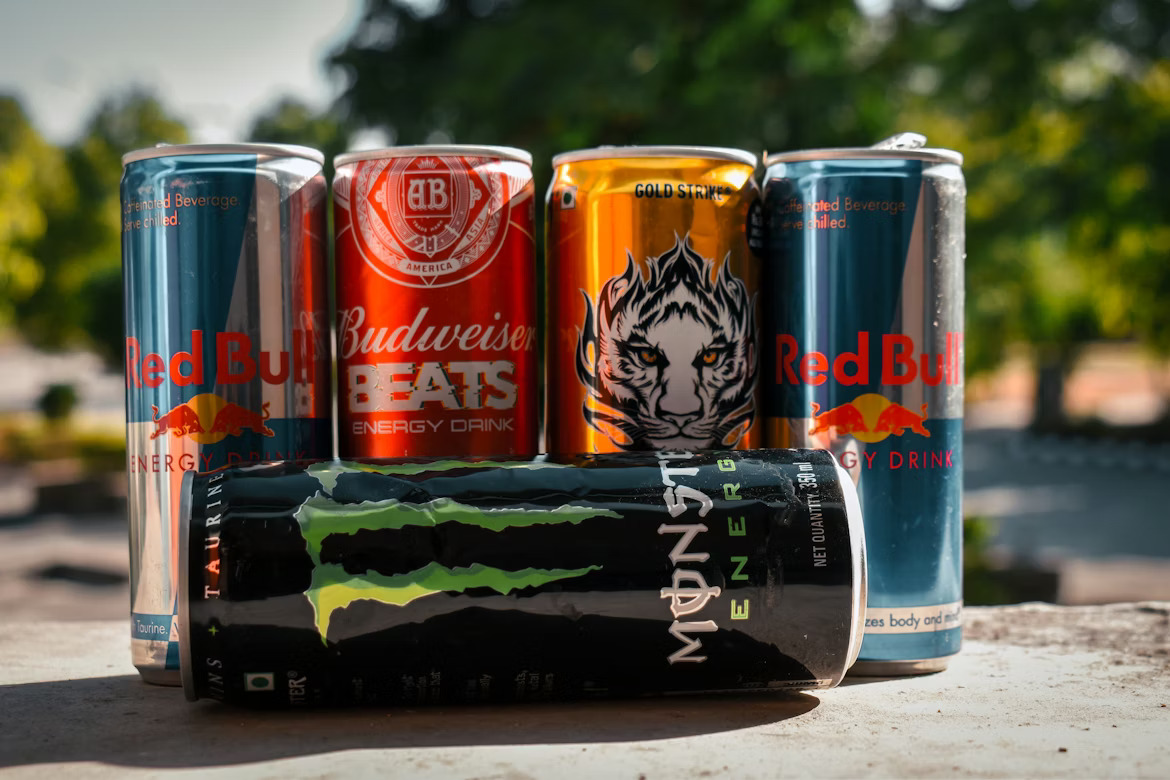
Energy drinks are not the same as sports drinks.
A sports drink is usually built around fluid, sodium, and carbohydrates.
An energy drink is usually built around caffeine and stimulants.
Caffeine can improve performance for some people, but too much can backfire.
Possible issues include:
- Jitters
- Anxiety
- Poor sleep
- Racing heart
- Afternoon crashes
- Dependence on caffeine for energy
If recovery is the goal, sleep matters more than a stimulant.
A late-day energy drink can make tomorrow’s workout worse by hurting tonight’s sleep.
How to Pick a Healthy Alternative to Gatorade
Use this simple decision guide.
Workout under 60 minutes
Choose water.
Workout over 60–90 minutes
Consider electrolytes and carbohydrates.
Hot, humid, or very sweaty workout
Consider sodium-containing electrolytes.
Post-lifting recovery
Choose protein plus fluid. Milk, Greek yogurt, a smoothie, or a meal can work.
Soreness-heavy training block
Tart cherry may be worth testing.
Fat-loss phase
Choose water or low-sugar electrolytes most of the time.
Endurance event
Practice your hydration plan before race day.
Do not test a new drink during an important event.
Healthy Alternative to Gatorade Mistakes
Mistake 1: Drinking sports drinks for easy workouts
Water is enough for many short sessions.
Mistake 2: Ignoring sodium
Coconut water has potassium, but heavy sweaters often need sodium.
Mistake 3: Confusing energy with recovery
Caffeine may increase alertness, but it does not replace sleep, protein, or hydration.
Mistake 4: Choosing zero sugar automatically
Zero sugar is not always better if you are doing long endurance work and need carbohydrates.
Mistake 5: Forgetting food
After hard training, a real meal may be more useful than any drink.
Healthy Alternative to Gatorade FAQ
What is the best healthy alternative to Gatorade?
For everyday workouts, water is the best choice. Sweaty workouts may call for a low-sugar electrolyte drink with sodium. After hard training, milk, a smoothie, or a meal may help more.
Is coconut water better than Gatorade?
It depends. Coconut water is more natural and provides potassium, but it usually has less sodium. For heavy sweating or long workouts, sodium matters.
Is water enough after the gym?
For many workouts, yes. If the session was long, hot, or very sweaty, electrolytes may help.
Do I need sugar in a sports drink?
Only sometimes. Sugar can help during long endurance sessions, but it is usually unnecessary for short or moderate workouts.
What should I drink after lifting weights?
Water is fine for hydration. If you need recovery nutrition, choose protein plus carbs, such as milk, Greek yogurt, a smoothie, or a balanced meal.
Are zero-sugar sports drinks healthy?
They can be useful if you need electrolytes without sugar. However, check the sodium amount and avoid relying on them as your only hydration strategy.
Is tart cherry juice good after workouts?
It may help with soreness and recovery for some people, especially around hard training blocks. It is not mainly an electrolyte drink.
Can I make my own electrolyte drink?
Yes. Water, a pinch of salt, citrus, and a small amount of honey or maple syrup can work for basic hydration.
Bottom Line on a Healthy Alternative to Gatorade
A healthy alternative to Gatorade depends on the workout. Short sessions usually only need water, while heavy sweat calls for electrolytes with sodium. Longer endurance sessions may require sodium plus carbohydrates. After hard training, recovery is better served by protein, carbs, and fluids.
Gatorade is not always bad. It is just often unnecessary. The smartest drink is the one that matches your sweat, session length, and goal.
For a personalized hydration, training, and recovery plan based on your schedule, goals, and workout style, try the BeeFit AI Calculator.
Related BeeFit Guides
- Muscle Recovery Supplements
- Vitamins for Energy
- Food Quality vs Calories
- Strength Training After 40
- BeeFit AI Calculator
This article is for informational purposes only and is not medical advice. Hydration and electrolyte needs vary based on sweat rate, heat, body size, medications, health conditions, training duration, and diet. Talk with a qualified healthcare professional before using high-sodium electrolyte products, caffeine-heavy drinks, or supplements, especially if you have high blood pressure, kidney disease, heart disease, diabetes, or take medication.
Discover more from BeeFit: Fitness & Wellness
Subscribe to get the latest posts sent to your email.
Share :