Understanding saturated vs unsaturated fat is less about labeling one as “bad” and the other as “good,” and more about knowing what each fat does in your diet. Fat supports hormones, brain function, vitamin absorption, flavor, and satiety. The bigger health question is which fats you eat most often, what foods they come from, and what they replace on your plate.
Quick Take
- Unsaturated fats from olive oil, nuts, seeds, avocado, and fatty fish should make up most of your fat intake.
- Saturated fat is not automatically harmful in every context, but high intake can raise LDL cholesterol in many people.
- The best evidence supports replacing saturated fat with unsaturated fat, not replacing it with refined carbohydrates.
- Current dietary guidance generally recommends keeping saturated fat below 10% of daily calories.
- Food quality matters: salmon, Greek yogurt, nuts, and olive oil are different nutrition choices than processed meats, pastries, and fried foods.
Saturated vs Unsaturated Fat: The Basic Difference
Saturated fats have no double bonds in their chemical structure. That makes them more stable and often solid at room temperature. Common sources include butter, cheese, cream, fatty cuts of meat, coconut oil, palm oil, and many baked or fried foods.
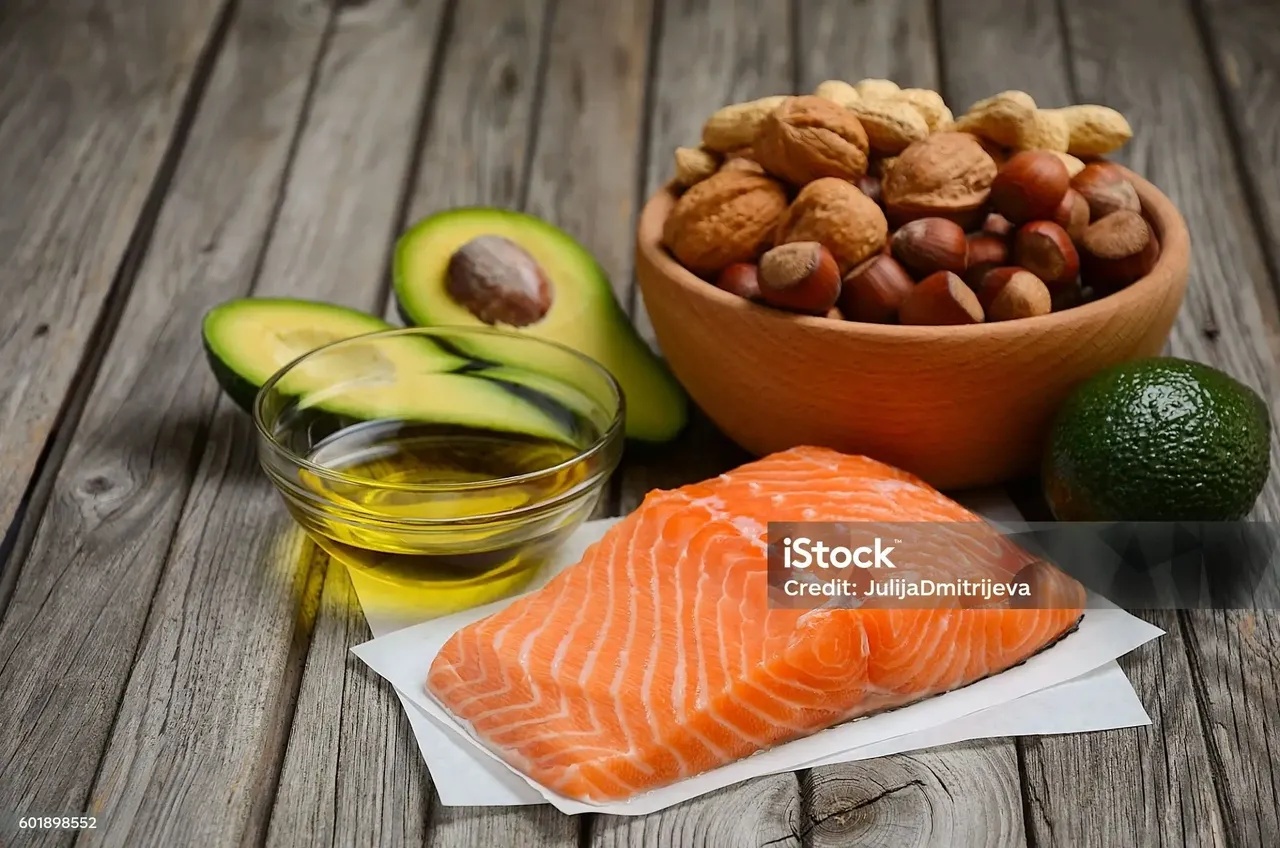
Unsaturated fats have one or more double bonds, which usually makes them liquid at room temperature. Monounsaturated fats are found in olive oil, avocado, many nuts, and canola oil. Polyunsaturated fats include omega-3 and omega-6 fats from fatty fish, walnuts, flaxseed, chia seeds, soybean oil, and sunflower oil.
The body can use both types of fat for energy and normal function. The practical issue is balance. A diet built mostly around whole foods, lean proteins, high-fiber carbohydrates, and unsaturated fats tends to support better cardiometabolic health than one built around processed meats, butter-heavy meals, pastries, and fried foods.
How Saturated vs Unsaturated Fat Affects Health
Saturated fat has been debated for decades because its effects depend on the person, the food source, and the replacement nutrient. In controlled feeding studies, saturated fat often raises LDL cholesterol compared with unsaturated fat. Since LDL cholesterol is one important risk factor for cardiovascular disease, most major health organizations still recommend limiting saturated fat and replacing it with unsaturated fat when possible.
That does not mean a small amount of saturated fat ruins an otherwise strong diet. It also does not mean every saturated-fat-containing food has the same effect. Full-fat yogurt, cheese, steak, butter, coconut oil, and processed sausage all come with different proteins, minerals, sodium levels, processing methods, and eating patterns around them.
The Dietary Guidelines for Americans recommendation is to keep saturated fat below 10% of daily calories. The American Heart Association goes further for people with elevated LDL cholesterol, recommending a lower target and emphasizing replacement with unsaturated fats rather than refined starches or sugar.
For a 2,000-calorie diet, 10% of calories from saturated fat equals about 22 grams per day. If someone is aiming for a stricter 6% target because of high LDL or heart disease risk, that is about 13 grams per day. Your best target depends on your bloodwork, family history, medical conditions, and overall diet quality.
Why Unsaturated Fat Usually Deserves Priority
Unsaturated fats are the fats most consistently linked with better heart-health markers when they replace saturated fats. The American Heart Association recommends choosing foods with monounsaturated and polyunsaturated fats in place of foods high in saturated and trans fats.
Olive oil is a useful example, but it should be interpreted carefully. In a large U.S. observational study, people consuming more than half a tablespoon of olive oil per day had a lower risk of cardiovascular disease compared with non-consumers. Observational research cannot prove olive oil alone caused the benefit, but it fits with a broader pattern: diets rich in olive oil, nuts, vegetables, legumes, fish, and whole grains tend to perform well for long-term health.
Omega-3 fats are another important category. EPA and DHA, found in fatty fish such as salmon, sardines, trout, and mackerel, play roles in heart, brain, and inflammatory pathways. The NIH omega-3 fact sheet outlines food sources and health considerations, including the difference between fish-based EPA/DHA and plant-based ALA from flax, chia, and walnuts.
If you already eat a balanced diet, improving fat quality can be simple: use olive oil instead of butter for daily cooking, add nuts instead of chips as a snack, choose salmon sometimes instead of processed meat, and include avocado or seeds where they fit your calorie needs.
What Matters More Than the Fat Label
The saturated vs unsaturated fat debate can become too narrow if it ignores the rest of the meal. Replacing butter with olive oil in a meal built around vegetables, beans, fish, or lean protein is different from lowering saturated fat by eating more refined cereal, candy, or low-fat desserts.
Protein, fiber, and total calories still matter. A diet high in healthy fats can still overshoot energy needs if portions are large. A low-fat diet can still be poor quality if it relies on ultra-processed foods. For a practical meal structure, pair a protein anchor with plants, a fiber-rich carbohydrate when useful, and a measured serving of fat.
For example, salmon with potatoes and vegetables gives you protein, omega-3 fats, potassium, and fiber. Greek yogurt with berries and chia seeds gives you protein, calcium, fiber, and plant-based fats. If you are also working on body composition, BeeFit’s high-protein meal plan for fat loss and muscle gain shows how to combine protein, carbs, and fats without turning meals into math problems.
Food source also changes the decision. Nuts are calorie-dense, but they bring magnesium, fiber, and unsaturated fats. Processed meats may contain saturated fat, sodium, preservatives, and fewer protective nutrients. Coconut oil may be useful for flavor, but it is still high in saturated fat and should not replace olive oil as your everyday heart-health oil.
Practical Saturated and Unsaturated Fat Swaps That Actually Help
You do not need to eliminate favorite foods to improve fat quality. Start with the foods you eat most often, because small daily choices matter more than occasional exceptions.
- Use olive oil or avocado oil for most cooking instead of butter or shortening.
- Choose nuts, seeds, olives, or avocado as fat sources instead of relying only on cheese and cream.
- Eat fatty fish once or twice weekly if you enjoy it and it fits your budget.
- Choose leaner cuts of meat more often, and rotate in beans, lentils, tofu, poultry, or fish.
- Limit foods that combine saturated fat, refined flour, added sugar, and excess calories, such as pastries, many desserts, and fried fast foods.
- Check labels for trans fat and partially hydrogenated oils; these are worth avoiding as much as possible.
If you follow a plant-forward diet, include enough total fat to support satisfaction and nutrient absorption. Nuts, seeds, tahini, olive oil, avocado, soy foods, and omega-3-rich options can all help. BeeFit’s guide to plant-based nutrition for strength, endurance, and recovery covers how to balance protein, carbs, and healthy fats when meat is not the center of the plate.
FAQ
Is butter bad for you?
Butter is not poisonous, but it is high in saturated fat and easy to overuse. If your LDL cholesterol is high, replacing some butter with olive oil, avocado oil, nuts, or seeds is a practical first step. Occasional butter for flavor can fit; using it as your main fat every day is less ideal for heart health.
Is coconut oil healthier than other saturated fats?
Coconut oil contains saturated fats that are metabolized somewhat differently from those in some animal fats, but it can still raise LDL cholesterol. Treat it as a flavor ingredient, not a default health oil. For routine use, olive oil and other unsaturated oils are better supported by heart-health guidance.
Should athletes eat more fat?
Some athletes need more total fat simply because they need more calories. The same quality principles apply: prioritize unsaturated fats, keep saturated fat moderate, and do not let high-fat eating crowd out enough protein or carbohydrates for training. If muscle gain is the goal, BeeFit’s protein for muscle growth guide can help you set the protein side of the plan.
The Bottom Line
The most useful answer to saturated vs unsaturated fat is not “never eat saturated fat.” It is to make unsaturated fats your default, keep saturated fat moderate, and pay attention to the whole food source. Olive oil, nuts, seeds, avocado, fish, beans, lean proteins, vegetables, and whole grains create a better pattern than trying to micromanage one nutrient in isolation.
If you have high LDL cholesterol, diabetes, heart disease, kidney disease, or a strong family history of cardiovascular disease, personalize your saturated vs unsaturated fat intake with a qualified clinician or registered dietitian. General nutrition guidance is helpful, but your bloodwork and health history should shape the final plan.
This article is for general education and is not a substitute for personalized medical advice. Speak with a qualified healthcare professional before making major dietary changes, especially if you have a medical condition or take prescription medication.
Discover more from BeeFit: Fitness & Wellness
Subscribe to get the latest posts sent to your email.
Share :